 Published on
31 Jul, 2026
Published on
31 Jul, 2026 Updated on 31 Jul, 2026
 5091
5091As per reports, metabolic diseases constitute one of the most frequently diagnosed illnesses in the world. In India, there is an increase in the prevalence rates of Type 2 diabetes, hypertension, and fatty liver, especially among urban populations. Most people tend to believe that when health issues occur, they come with clear warning signs. However, this is far from being true in relation to the above combination of diseases. During their initial stages, they start developing in a silent manner. There is such a set of symptoms that they do not even raise doubts about being a part of the process of aging or simply being unfit.
However, it should be noted that identifying the initial warning signs and seeking medical help is the right way to alter the course of events. Being aware of these signs can significantly help to identify the disease in time, which in turn allows for better treatment options and results.
Expert Health Advice
However, metabolic alterations are quite normal for aging individuals and lifestyle changes; however, those that remain constant must never be overlooked. Chronic fatigue, inexplicable weight gain, blurred vision, and continual headaches are symptoms that need to be diagnosed by a medical practitioner. Such assessment may help in ascertaining the cause behind these symptoms; these may be linked to insulin resistance, stress, or other illnesses.
The Trio: What Are They and Why Are They Important?
There are three distinct conditions called diabetes, hypertension, and nonalcoholic fatty liver disease that commonly occur together. Diabetes is a condition where your body fails to use blood sugar appropriately. Hypertension is defined as high blood pressure in your artery walls. In fatty liver, there is accumulation of fat in your liver cells.
Though they may appear unconnected- one affects your blood, the other affects your heart, and another affects your liver- they have much in common in terms of the management of fats and insulin in your body.
Why This Trio Often Goes Unnoticed
One of the reasons why these illnesses go undetected is because they do not display any clear symptoms at the beginning of their development. High glucose levels, high blood pressure, and early onset fat deposits in the liver usually do not cause any physical pain for the individual, and thus the disease develops quietly. This is why many individuals feel fine until the time they are diagnosed during regular medical check-ups.
However, even if symptoms occur, they are similar to the signs of daily fatigue or stress experienced by everyone.
 The Common Link: Insulin Resistance
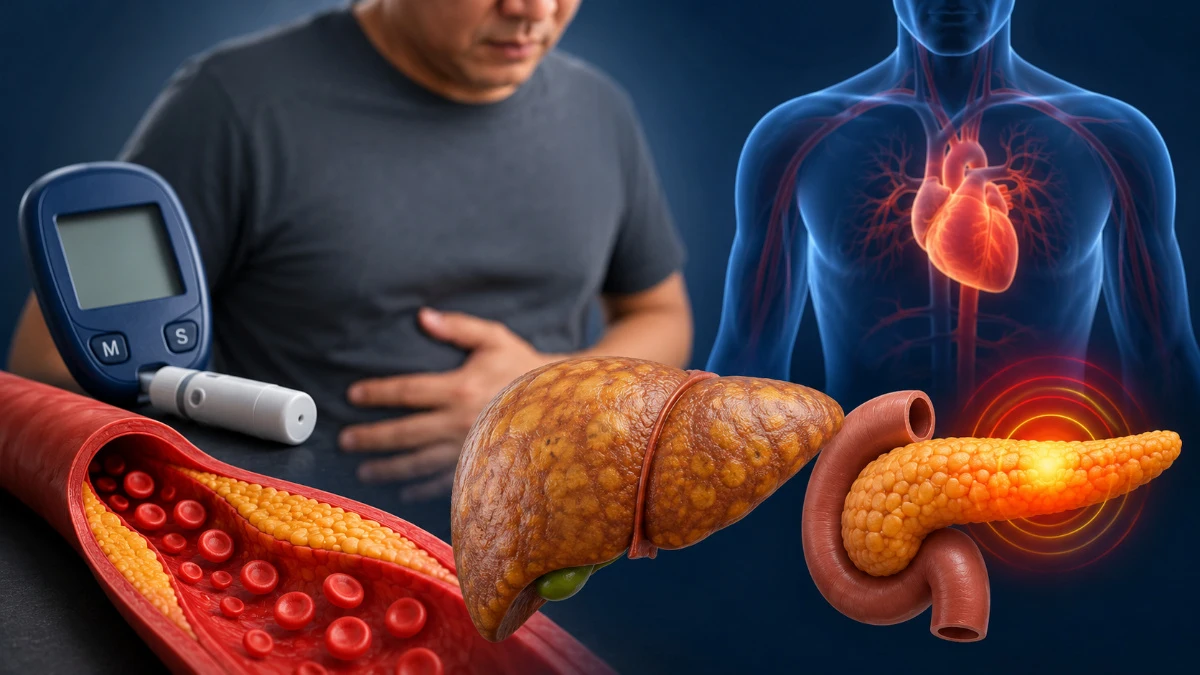
Because these three symptoms are caused by the same underlying factor, any early physical indications of the problem will be able to trace their source to one condition: insulin resistance. Below is the explanation as to how these conditions are connected to one another, and what lifestyle changes you should take note of during your consultation with your physician.
Overproduction of Insulin: Your pancreas releases more insulin as your body becomes less responsive to its function, which is to move glucose from the bloodstream into the cells. Insulin triggers fat production in your body.
Fat Storage in the Liver: Your liver functions as the storage of your body's energy. Excess sugar is converted by your liver to fat because it already does not have enough space for the energy.
Hardening Blood Vessels: Insulin and blood sugar damage your blood vessels' lining. Because of this, your blood vessels become hard and narrow as your heart works harder to push blood through them, causing high blood pressure.
Vicious Cycle: Fatty liver disease worsens your insulin resistance, which causes you to become worse in terms of your diabetes. In turn, this keeps your blood pressure high and builds fat in your liver.
 Warning Signs That Need Prompt Medical Attention
While everyday metabolic changes develop slowly, certain warning signs mean you should schedule a doctor's visit right away.
Chest Pain or Shortness of Breath: Feeling pressure in your chest, or getting unusually winded from minor tasks, can be alarming, and you should never ignore it. While simple heartburn or anxiety can cause chest discomfort, it always requires a professional check to rule out serious problems like heart disease linked to high BP.
Blurry Vision: Noticeable changes in your sight, such as sudden blurriness or spots, can make many feel anxious. Please do not let it pass as just needing new glasses. While it can be caused by aging eyes, rapid vision changes are a symptom of spiking blood sugar that always needs a medical review.
Severe Fatigue or Yellowing Skin Feeling constantly exhausted or noticing a yellowish tint to your skin and eyes (jaundice) is usually tied to severe liver stress. If this continues even after you rest, your doctor needs to take a closer look at your liver function.
Symptoms Beyond the Metabolic System
Metabolic health affects more than just your blood. When blood sugar, pressure, and liver fat are high, warning signs can spread to other areas of the body.
Persistent Headaches: A dull, ongoing ache in the head is a symptom many quietly live with for months. Because it rarely starts as sharp pain, it gets written off as stress. Ongoing pain in this area is not normal and could be a sign of high blood pressure.
Skin Changes (Acanthosis Nigricans): Healthy skin relies on balanced hormones. If insulin levels are chronically high, it can cause dark, velvety patches of skin, usually on the back of the neck, armpits, or groin. Persistent changes should always be discussed with your doctor.
Unexplained Weight Gain Around the Belly: When insulin resistance takes over, your body preferentially stores fat deep in the abdomen, around your organs. An expanding waistline that does not get better with basic diet and exercise should always be checked by a doctor.
Who Is at Higher Risk?
While anyone can develop these conditions, certain factors increase your chances:
- Being over age 45
- Having a parent or sibling diagnosed with diabetes or hypertension
- Carrying excess weight, particularly around the waist
- A diet high in processed foods and sugars, combined with little exercise
Having these risk factors simply means regular health check-ups are very important.
Comparing the Trio: Can the Symptoms Overlap?
Symptom
Diabetes
High BP
Fatty Liver
Fatigue
Common
Possible
Common
Frequent urination
Common
Uncommon
Uncommon
Headaches
Possible
Common
Uncommon
Abdominal discomfort
Uncommon
Uncommon
Possible
Dark skin patches
Common
Uncommon
Possible
Blurry vision
Common
Possible
Uncommon
 The Importance of Regular Screening
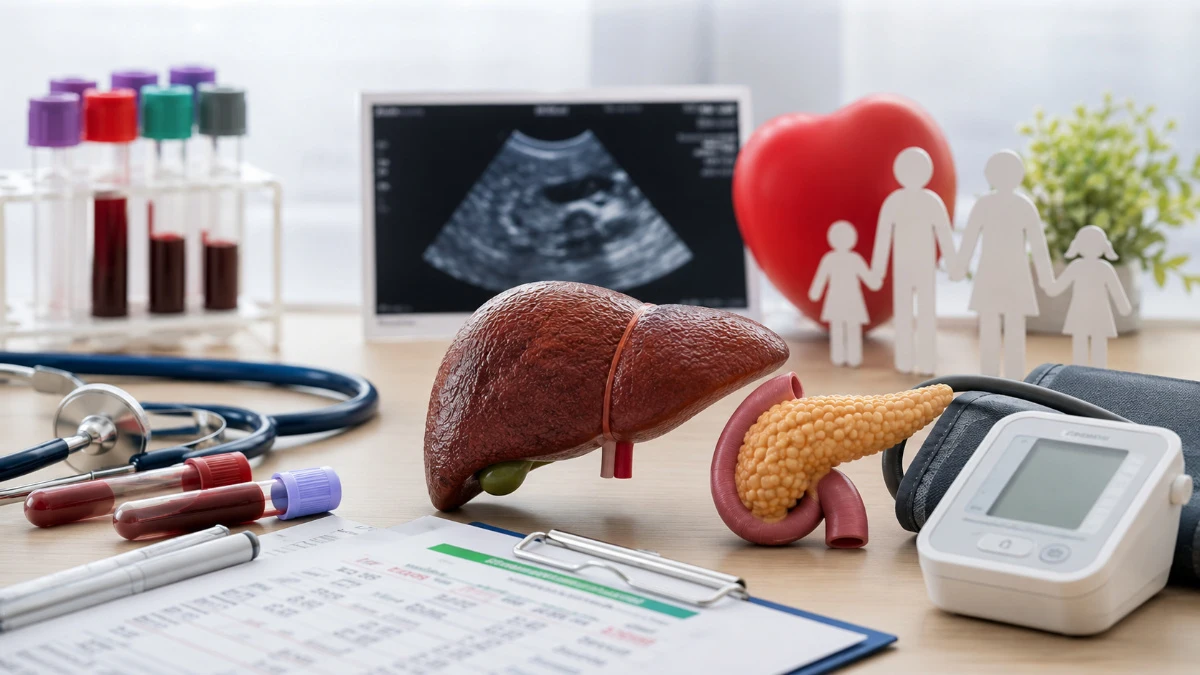
Because early metabolic issues might not make you feel unwell, regular check-ups are your best defense. Simple tests like a routine blood draw or a basic physical exam help doctors catch problems early when they are easiest to treat. Screening recommendations vary based on age, family history, and individual risk factors. Discussing screening options with a healthcare professional can help determine what is appropriate for you.
Common Tests Used to Evaluate Metabolic Health
Doctors may recommend:
- Fasting Blood Sugar and HbA1c tests
- Blood pressure monitoring
- Liver Function Tests (LFTs) and lipid profiles
- Ultrasound of the liver if fat buildup is suspected
Not everyone needs the same screening schedule. Recommendations depend on age, family history, symptoms, and overall health.
When Should You See a Doctor?
You may need to see a doctor if you have:
- Constant need to urinate or excessive thirst
- Unexplained persistent headache
- Increase in waist size regardless of changes in your lifestyle
- Persistent feeling of fatigue or lethargy
- Dark areas around your neck or under your armpits
- The above problems lasting more than several weeks
A visit to the doctor is not necessarily an indication of serious illness; rather, it helps to find the source of the problem.
Conclusion
Diabetes, hypertension, and fatty liver are examples of metabolic diseases that can come about quite subtly; hence, there should never be any reason to disregard any bodily changes that persist. Persistent tiredness, change in vision, bulging waist size, and headaches should not be overlooked. Early consultation will not only enable one to diagnose the cause but, at times, even early treatment as well. When it comes to your body, vigilance is your friend.
References
Life’s Essential 8 - How to Manage Blood Pressure Fact Sheet | American Heart Association
https://www.niddk.nih.gov/health-information/liver-disease/nafld-nash