 Published on
11 Aug, 2026
Published on
11 Aug, 2026 Updated on 29 Aug, 2026
 5065
5065When we hear the word 'diabetes,' the first question that comes to mind is: What is your blood sugar level? Diabetes is more than just sugar control; yes, it is very important to keep the levels in check, but focusing only on the numbers overlooks how this problem can affect other parts of the body system. It not only affects our blood sugar levels, but also our eyes, nerve health, kidneys, and heart. This is why diabetes care is not only about controlling the glucose level, but it is also about protecting the whole body. The right care starts with looking at your lifestyle, how you sleep, what you eat, how much you move, and the stress factor.
Diabetes Care Is More Than Just Controlling Blood Sugar Levels
Checking your blood sugar regularly can tell you how your body is handling the food you eat, but it cannot tell you how healthy you are inside. Let’s understand with an example: a person’s blood sugar level is not stable, but still his other organs, such as kidneys, heart, or eyes, are functioning well. On the other hand, another person’s blood sugar level is stable, but his kidneys, eyes, and heart do not function well. Because of this, you cannot only look at the number; your whole body needs care and attention when you go through diseases like diabetes.
What Happens When Your Blood Sugar Level Goes High?
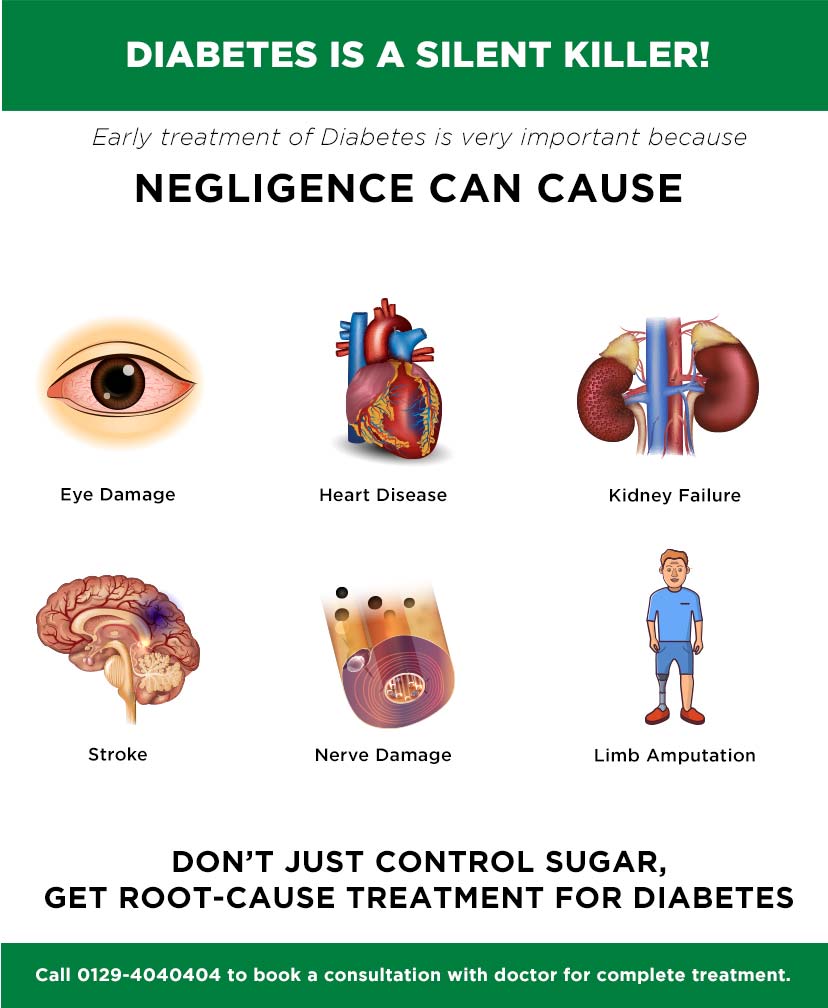
When your blood sugar level stays high for a long time, it damages your blood vessels and nerves quietly. You may not feel any signals in the beginning, but over time, if diabetes is ignored, it can also lead to serious problems.
When you have diabetes, you may feel symptoms like extreme thirst and a dry mouth, frequent urination, feeling weak and tired, blurry vision, and trouble focusing, etc. These symptoms must be looked after carefully on time; if not, then long-term damage could happen, such as:
- Your small and large blood vessels get damaged.
- You can have heart disease and a higher risk of stroke.
- You can experience kidney damage that may need dialysis.
- You may develop nerve pain or numbness in your hands and feet
- Your cuts or sores may take time to heal.
Why HbA1c Is Important, but Not the Whole Story?
You have probably heard of the HbA1c test. It is a blood test that shows what your average blood sugar has been over the last two to three months. But it still does not tell the whole story. Your HbA1c cannot tell you if your blood pressure is safe, if your cholesterol is high, or if your kidneys and eyes are working properly. Also, the "perfect" HbA1c number is totally different for an older person than it is for a younger person, so always talk to your doctor about what exactly your problem is.
Beyond Blood Sugar: Protecting Your Heart, Kidneys, Eyes, and Nerves
Diabetes is capable of doing much more besides elevating your glucose levels. It silently affects your whole body over time and does not give you any warning signals in the beginning. This is why routine visits to a doctor are equally important for you as monitoring your glucose level:
- Protect Your Heart: Constantly high glucose and poor cholesterol put a lot of pressure on your heart. The good news is that you can always safeguard yourself by choosing fresh products, daily walks, and your medication. It is crucial for you to take care of your overall heart health, not only glucose.
- Monitor Blood Pressure and Cholesterol Levels: Elevated blood pressure affects the condition of your vessels, and cholesterol starts blocking your arteries. These two factors can be assessed regularly in order to prevent potential complications. Your doctor will tell you which values are considered to be healthy for you.
- Take Care of Your Kidneys: Diabetes silently damages the tiny blood vessels that help your kidneys filter out body waste. Since early kidney damage does not hurt at all, getting regular urine and blood tests is incredibly important. Catching it early gives your doctor a chance to step in and stop further damage.
- Protect Your Eyes: High blood sugar quietly hurts the back of your eyes long before your vision actually gets blurry. A routine eye exam is the only way to catch these small changes before they cause permanent trouble. Keeping your sugar and blood pressure in a safe range will protect your vision in the long run.
- Look After Your Nerves & Feet: Diabetes can make your feet feel completely numb, meaning you might not even notice a bad cut. Try to make a daily habit of checking your feet for red spots and always wear soft, comfortable shoes. If you ever get a scratch or blister that just won't heal, go see a doctor immediately.
Doctor’s Note
Managing diabetes isn't just about tracking your blood sugar; it's about protecting your heart, kidneys, nerves, and eyes. If you notice sudden blurry vision, tingling or loss of feeling in your feet, a wound that won’t heal, or chest pain, see your doctor immediately. These are serious warning signs that diabetes may be affecting your major organs and requires urgent medical attention.
How Does Ayurveda Support Diabetes Care?
In Ayurveda, diabetes is known as Madhumeha, which happens due to a deep imbalance inside the body. Instead of just treating the outward symptoms, Ayurveda focuses on finding and fixing the actual root cause of the disease. According to Ayurveda, diabetes usually happens when there is:
- A Kapha Imbalance: Having too much Kapha in your body naturally slows down your metabolism and completely throws your blood sugar levels out of balance.
- Weak Digestive Fire: When your digestion is weak, your stomach cannot process food properly. This undigested food just sits there, builds up, and eventually turns into harmful toxins.
- Unhealthy Diet and Routine: What you eat and how you live every day play a massive role in keeping your body healthy. Eating heavy, unhealthy foods directly increases the Kapha in your body.
- Lifestyle Issues: Taking on too much daily stress, not sleeping enough, and sitting around all day without moving all contribute to this internal imbalance.
Ayurveda believes that fixing these root causes is the most important step to actually controlling your diabetes and stopping it from damaging your other organs over time.
Healthy Habits for Better Diabetes Care
The management of diabetes requires more than just taking the medicines and measuring your glucose levels. Your daily activities, such as eating habits, amount of exercise, and your sleep, greatly affect your well-being.
- Eat a Balanced Diet: It is important that the food on your plate is fresh. You may consume plenty of vegetables, healthy carbohydrates, and proteins; however, you should be very cautious with the amounts of carbohydrates that you consume.
- Exercise Regularly: Physical exercise plays an important role as they help burn extra sugar in your body. There is no need for you to engage in a difficult workout at the gym. It would be enough for you to walk every day, ride a bike, or perform yoga. It is better to exercise every day for some minutes rather than exercise once per month.
- Sleep Well: Poor sleep leaves you tired, and you start craving unhealthy food. Try going to bed every day at one and the same hour to let your body relax and recover.
- Manage Your Stress: Living with constant stress makes taking care of your diabetes feel like a heavy, exhausting chore. Make sure you take time out to just breathe, talk with your friends, or enjoy a hobby that completely calms your mind down.
Conclusion
Diabetes care is about taking care of the whole, not just the sugar levels. Maintaining a healthy blood glucose level is important, but so is maintaining overall physical and emotional well-being. The best way to manage diabetes is to create healthy habits that you can maintain consistently. When you visit your doctor, the conversation should be bigger than, “What is your sugar level?” It should also consider your lifestyle, nutrition, physical activity, sleep, emotional well-being, medications, and overall health. Because diabetes affects more than your blood sugar, true diabetes care must look beyond the number.
References
https://pmc.ncbi.nlm.nih.gov/articles/PMC6074595/
https://pmc.ncbi.nlm.nih.gov/articles/PMC1121514/
https://www.niddk.nih.gov/health-information/diabetes/overview/what-is-diabetes/type-2-diabetes ‘