 Published on
22 Jul, 2026
Published on
22 Jul, 2026 Updated on 22 Jul, 2026
 5076
5076Every year, millions of people suffer a stroke, and many are younger than 50. The good news is that high blood pressure, one of the biggest risk factors, can often be managed with timely treatment and healthy lifestyle changes.
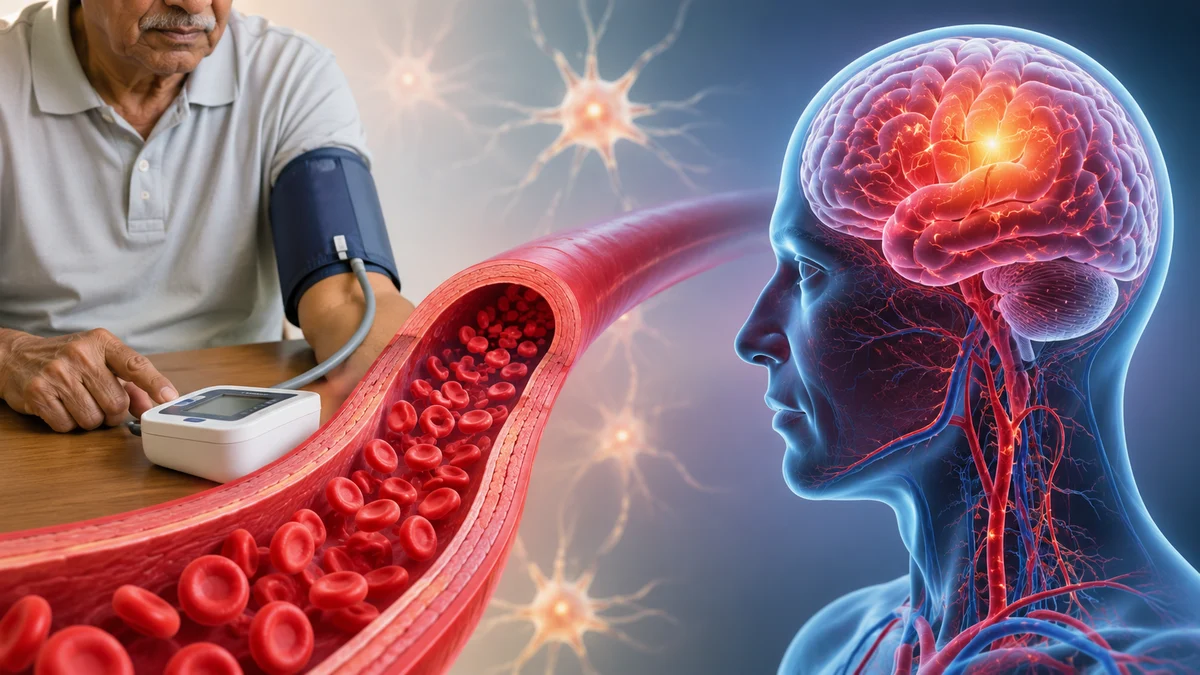
In fact, one of the biggest, hidden enemies of a healthy brain is high blood pressure. When your blood pressure stays high for a long time, it silently damages your delicate blood vessels. This reduces your brain’s power and heavily increases the chance of getting a stroke.
Understanding the Connection Between Blood Pressure and Brain Health
Think of the blood vessels in your brain like tiny, thin water pipes. When your blood pressure is high, the blood rushes through these pipes with a lot of force.
When this happens every day, the pipes get stressed and damaged. They become narrow and weak. Because of this, your brain does not get enough fresh oxygen and food to function properly. Sometimes, a weak pipe gets totally blocked, or it might even burst open. This is exactly what causes a stroke. Keeping your blood pressure in a normal, healthy range is the best shield in order to protect your brain.
Why Strokes Are Becoming More Common in Younger Adults
We usually think strokes only happen to older grandparents. Sadly, that is no longer true. Doctors are seeing a huge rise in strokes among people in their 30s and 40s.
Why is this happening?
It is mostly because of how we live today. We sit in front of the screen for hours, work at our desks without moving at all, and eat oily foods, smoke, drink alcohol, and face mental stress constantly, which can develop hypertension at a very young age.
What Is a Brain Stroke?
A brain stroke is a serious emergency. This occurs when the flow of blood to some areas in the brain is stopped. The brain cells will begin to die within a few minutes as no oxygen and blood are supplied to them
Types of Brain Stroke:
- Ischemic Stroke: This is the most common form. It occurs when a clot of sticky blood works as a plug to completely block an artery that leads into the brain.
- Hemorrhagic Stroke This happens when a weak blood vessel inside the brain actually bursts open and leaks blood into the surrounding areas.
Even though they happen differently, both of these situations require an immediate rush to the emergency room.
Early Warning Signs You Should Never Ignore
Your body usually tries to warn you when a stroke is happening. Spotting these signs quickly can save a life and speed up recovery. Never ignore these sudden changes:
- Abrupt change in balance: You experience an abrupt, extreme dizziness where you can no longer walk straight and fall due to a lack of balance.
- Vision issues: You experience blurred vision, double vision, or darkness in either one eye or both of your eyes.
- Numbness or weakness: Sudden inability to feel a part of your face, arm, or leg. It becomes obvious when you try smiling, and one side of your face becomes droopy.
- Difficulty speaking: Abrupt slur on speech, confusion in language, or trouble understanding what a person says to you.

Everyday Habits That Increase Stroke Risk
Our daily habits quietly build our health or break it down.
- Sedentary Lifestyle: When you sit on the couch all day or at your office desk all day without exercising and moving around, it affects your blood circulation.
- Diet Problems: Eating foods that are heavily processed and contain lots of salt, refined sugar, and unhealthy fats leads to a rapid increase in blood pressure.
- Lack of Sleep: Not sleeping properly deprives your body of a much-needed rest period. Thus, your blood pressure remains elevated even when you are lying in bed.
- Stress and Fatigue: Being worried all the time leaves your body with no rest because your stress hormone levels keep rising.
Ayurveda’s Perspective on Brain Health
Ayurveda gives utmost importance to brain health and suggests that if you want to keep your brain healthy, then keep your mind, body, and daily routine balanced.
The Role of Vata Dosha: In Ayurveda, Vata is described as the controller of air and movement. It completely controls your thoughts, your nerves, and your brain. When you don’t eat right, sleep at odd hours, travel a lot, and take a high level of stress, this Vata energy gets disturbed. As a result, it makes your mind feel restless and anxious, which tires your brain.
Importance of Balanced Blood Circulation: Ayurveda says that the blood must circulate in our body very smoothly. Healthy digestion, drinking warm water, regular walking, and eating fresh and clean keeps the flow balanced.
Ojas and Mental Vitality: Ojas is your deep, inner energy and immunity. When you eat fresh food and stay happy, your Ojas grows. Strong Ojas keeps your mind sharp, your emotions stable, and your brain protected.
Doctor’s Note
High blood pressure silently damages brain vessels, increasing stroke risk even in young adults. While lifestyle changes like a healthy diet, daily routine, and stress management help regulate it, a brain stroke is a strict medical emergency.
If you notice sudden face drooping, arm weakness, slurred speech, vision loss, or loss of balance, do not try home remedies. Rush to the nearest hospital immediately; every minute counts to prevent permanent, irreversible brain damage.
Natural Ayurvedic Ways to Support Healthy Blood Pressure
You can easily support your blood pressure by adopting these very simple Ayurvedic habits:
- Diet recommendations: Eat fresh, simple, warm food. Fill your plate with green vegetables, fresh fruits, whole grains, and lentils. Cut way down on extra salt and completely avoid packaged chips and snacks.
- Daily routine (Dinacharya): Your body deeply loves a set routine. Wake up at the same time, eat your meals at the same time, and go to bed early. This simple trick can help calm your nervous system.
- Yoga and Pranayama: You do not need to lift heavy weights. Simple deep breathing exercises, like Anulom Vilom (alternate nostril breathing) and Bhramari (humming bee breath), work like magic to manage stress and help control your blood pressure levels.
- Stress management: Take a gentle walk in a park, sit quietly for ten minutes a day, or listen to soft, calming music. A quiet mind is the best medicine for a healthy heart.
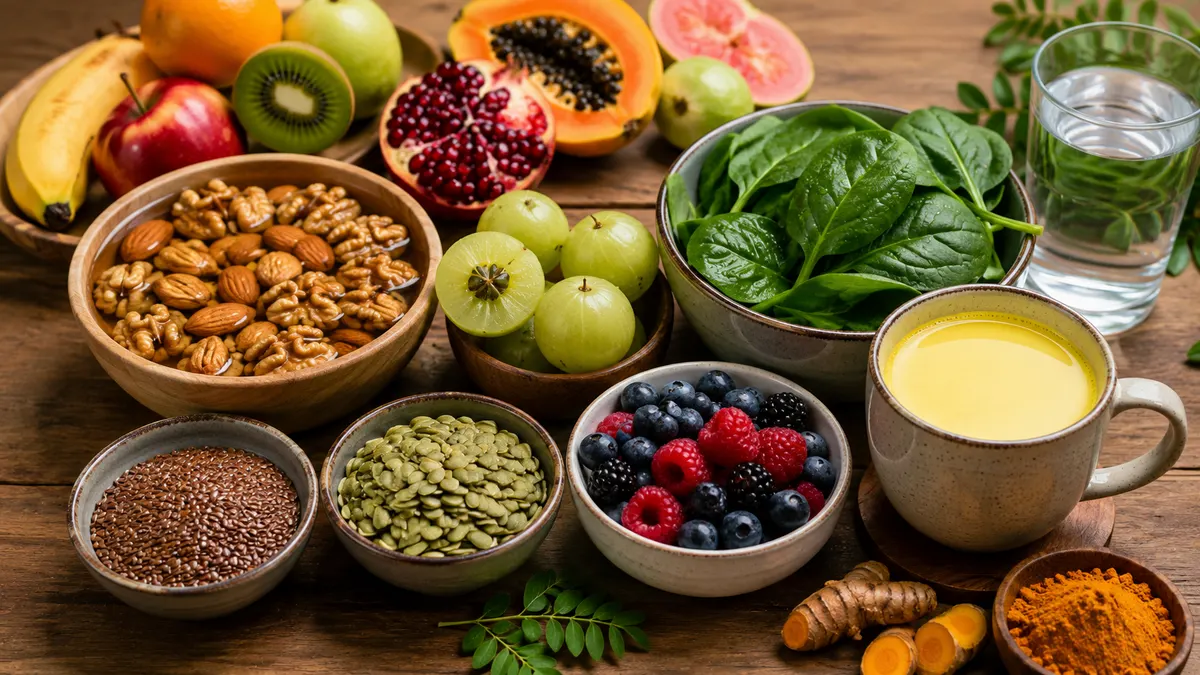
Foods That Nourish the Brain Naturally
Mother Nature has provided amazing foods to keep the brain sharp and healthy. Try to include these in your daily meals:
- Walnuts and almonds (soaked overnight in water)
- Flaxseeds and pumpkin seeds
- Fresh berries
- Leafy green vegetables like spinach
- Amla (Indian gooseberry) for a great immunity boost
- Turmeric (Haldi) mixed in warm milk to heal the body from the inside
- Fresh seasonal fruits
Also, remember to drink plenty of plain water! A dry, thirsty brain simply cannot think clearly.
Lifestyle Tips to Keep Your Brain Active as You Age
Keeping your brain healthy is like going to the gym, but for your mind.
Keep your brain busy and challenged. Read good books, learn a new skill, solve puzzles, or pick up a new hobby. Stay socially connected, talk, laugh, and spend quality time with your friends and family. Keep your weight in a healthy range, do not smoke, limit alcohol, and always go for your routine doctor check-ups to make sure your blood pressure and sugar are perfectly normal.
When Immediate Medical Care Is Necessary
While natural foods and Ayurvedic habits are absolutely amazing for keeping you healthy daily, a brain stroke is a strict medical emergency.
If someone suddenly gets a drooping face, weakness in their arm, trouble speaking, or sudden blindness, do not waste time. Do not try home remedies or wait for it to pass. Rush to the nearest hospital immediately. When it comes to a stroke, every single minute matters. Fast medical care is the only way to stop permanent damage.
Conclusion
Protecting your brain does not require magic pills or impossible diets. It's all about the tiny but very effective decisions that you make each day. The best thing that you could ever do is maintain normal blood pressure, walking on foot every day, eating natural food, sleeping well, and managing stress levels.
Ayurveda gently tells us that peace of mind and stability in the routine are what ensure long life and good health. Make those little and easy steps now. The brain is your most valuable asset. Look after it now with the help of healthy decisions, and it will look after you for the whole of your life.
References
Pathophysiology and Treatment of Stroke: Present Status and Future Perspectives - PMC