 Published on
27 Jun, 2026
Published on
27 Jun, 2026 Updated on 27 Jun, 2026
 5119
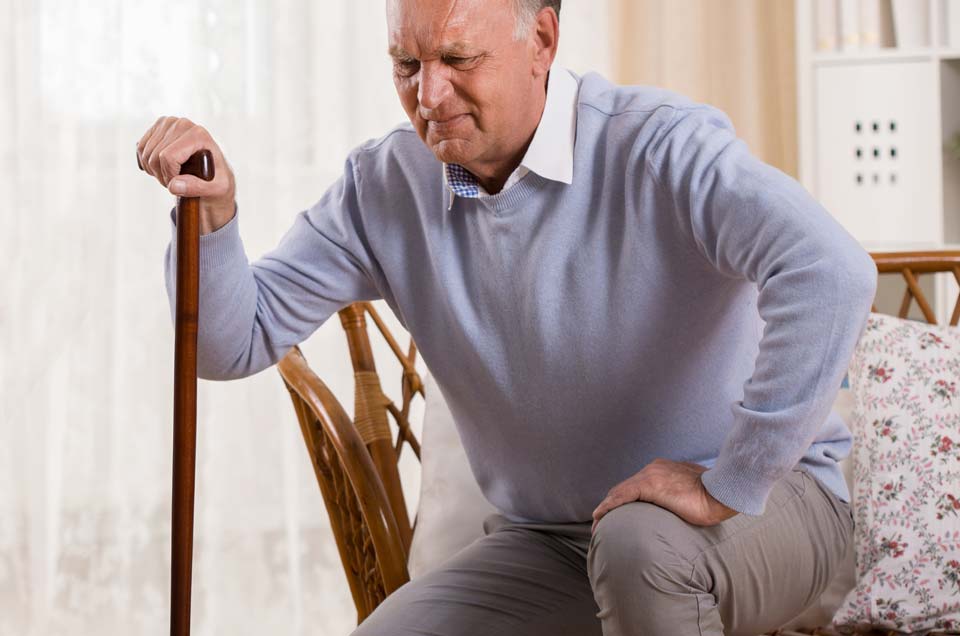
5119You dealt with it last month. Rested it, maybe took some painkillers, slapped on a pain relief cream and waited it out. It got better. You went back to normal. And then two weeks later, there it is again. That familiar ache. That stiffness getting up from a chair. That grinding feeling on the stairs.
Sound familiar? Recurring knee pain is one of the most common complaints across every age group in India. Young people, desk workers, active older adults. Everyone seems to have a knee story.
But here's what most people don't realise. The pain coming back is not bad luck. It is the body sending a very clear message that whatever fixed the pain last time did not fix the problem that caused the pain. Until that underlying problem is addressed the knee will keep raising its hand.
Your Knee Is Not Actually the Problem. Usually.
This genuinely surprises most people. Knee pain very often has very little to do with the knee itself.
The knee is a hinge joint doing exactly what it is told by the structures above and below it. The hip above and the foot and ankle below dictate how load travels through the knee with every step and stair. When those structures are weak, tight or misaligned the knee absorbs forces it was never designed to handle alone.
Treat only the knee and you treat the symptom. Leave the hip, ankle and core unchanged and the knee will hurt again. Every single time.
The Real Reasons Knee Pain Keeps Returning
The reasons it keep coming back:
- Weak quadriceps and glutes: These are the primary shock absorbers for the knee. When they are weak the joint itself absorbs forces the muscles should be managing. Most people rest during a flare up which rests the muscles too. Pain goes but weakness stays, setting up the next episode perfectly.
- Chronic low grade inflammation that never fully resolves: Rest reduces inflammation temporarily. But if the root cause whether mechanical stress, diet or excess weight is not addressed, inflammation returns as soon as normal activity resumes. Most people cycle through inflammation, partial resolution and re-inflammation indefinitely.
- Excess body weight loading the joint: The knee absorbs three to four times body weight with every step and up to eight times climbing stairs. Every extra kilogram multiplies into significant additional load thousands of times daily. This is one of the most direct and modifiable causes of recurring knee pain.
- Poor footwear and abnormal gait: Worn out shoes, flat footwear and walking with feet pointing outward all alter knee mechanics and create recurring stress on specific parts of the joint. Fixing the knee while walking the same way in the same shoes is a losing battle.
Common Conditions Behind Recurring Knee Pain
Some of the most common conditions:
- Osteoarthritis: Progressive cartilage wear causing bone on bone friction, inflammation and pain that flares with activity and settles with rest only to return again. Most common from the 40s onwards but increasingly seen in younger people too.
- Patellofemoral pain syndrome: Pain around and behind the kneecap from the kneecap not tracking properly in its groove. Very common in people who sit for long hours or climb lots of stairs regularly.
- Meniscus tears or degeneration: The shock absorbing cartilage pads in the knee. A partially torn meniscus often settles with rest and flares immediately with activity repeatedly until properly assessed and managed.
- Tendinopathy: The patellar tendon below the kneecap develops chronic degeneration from overuse. Notorious for seeming to improve with rest and then flaring the moment activity resumes because the tendon hasn't healed, it's just been unloaded.
What Ayurveda Says About Recurring Knee Pain
In Ayurveda the knee joint is the seat of Asthi dhatu or bone tissue. The primary dosha involved in joint pain and degeneration is Vata which governs dryness, movement and joint health.
Recurring joint pain is seen as depleted joint nourishment, accumulated Ama or metabolic toxins in the joint space and aggravated Vata creating dryness, stiffness and pain that comes and goes. The goal is to nourish the joint tissues, clear Ama and restore proper circulation to the affected area.
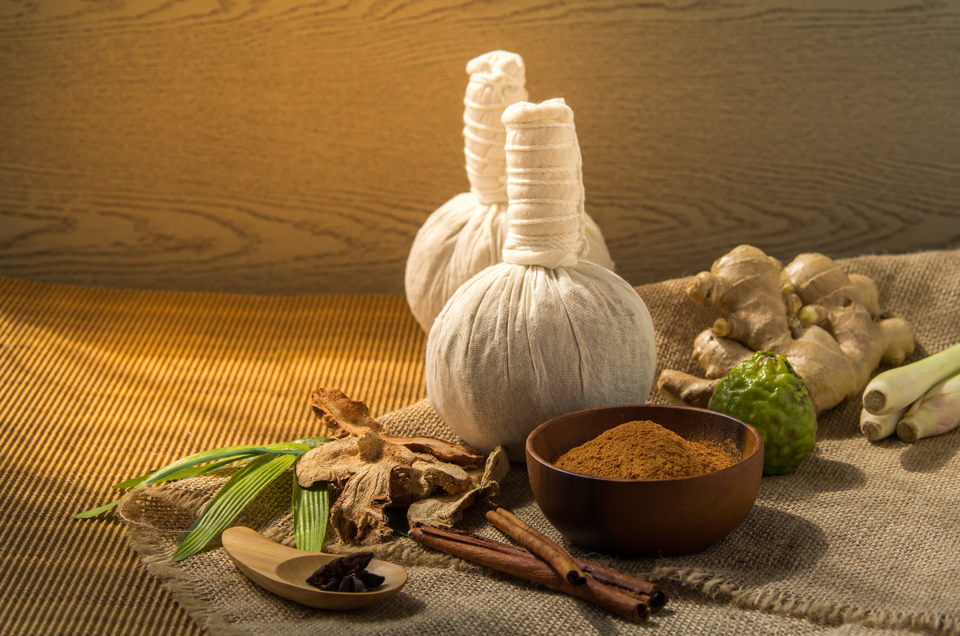
- Abhyanga with medicated oils: Regular warm oil massage around the knee with Mahanarayana taila or Dhanwantharam taila improves circulation, reduces stiffness and calms Vata.
- Shallaki or Boswellia: One of the most well researched Ayurvedic herbs for joint health.
- Guggul: Classical herb used for joint conditions, inflammation and tissue repair. Often combined with other herbs in formulations for musculoskeletal conditions.
- Ashwagandha: Supports muscle strength, reduces inflammation and nourishes nervous tissue. Particularly useful when knee pain comes with muscle weakness and general fatigue.
- Dietary support: Ayurveda recommends warm nourishing foods that reduce inflammation. Ghee is considered beneficial for joint lubrication. Cold, raw, dry and processed foods that aggravate Vata are best avoided.
Practical Steps That Actually Break the Cycle
Some of the steps are:
- Strengthen the muscles around the knee consistently: Straight leg raises, bridges and clamshells for the glutes are gentle and effective. Ten to fifteen minutes daily over eight to twelve weeks builds real structural support.
- Stretch what is tight regularly: Hip flexors, IT band, hamstrings and calves. A ten minute daily stretching routine targeting these areas reduces the mechanical tension being sent to the knee significantly.
- Check and replace footwear: If your daily shoes are worn out or flat this is an easy and important fix that makes an immediate difference to knee load mechanics.
- Manage weight progressively: Even five kilograms less means fifteen to twenty kilograms less load on each knee per step. That adds up to millions of kilograms less daily load on the joint. The impact on knee pain is significant.
- Warm up before activity: Five minutes of gentle movement before exercise or extended walking prepares the joint for load and reduces injury risk meaningfully.
- Progress return to activity gradually: After a flare up start light, monitor the knee and build up over weeks. Jumping straight back to full activity the moment pain settles is how the cycle keeps repeating.
When to Get It Properly Assessed
Most recurring knee pain responds well to the right approach. But some situations need professional evaluation.
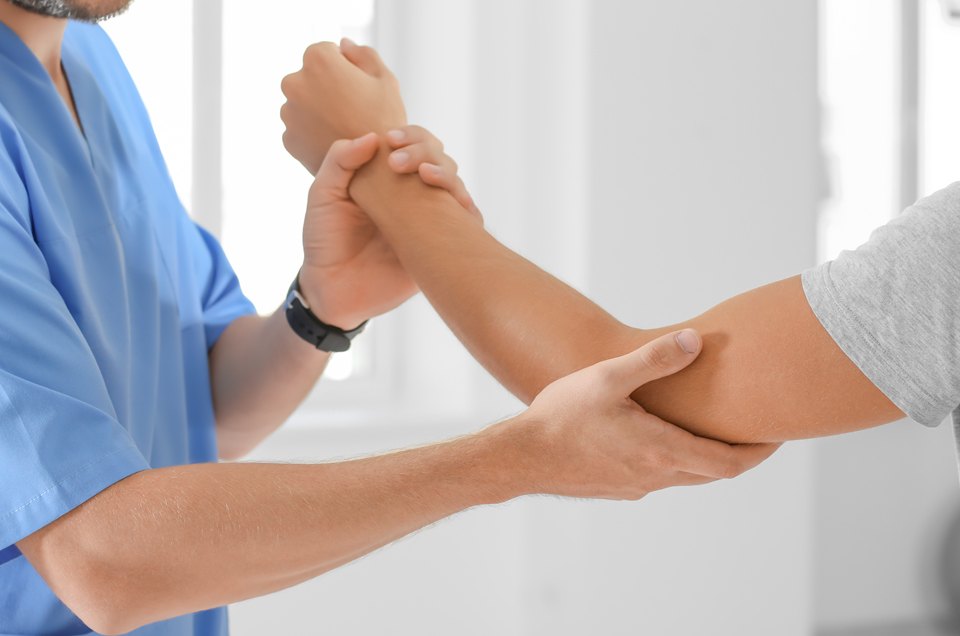
See a doctor or physiotherapist if the knee swells significantly, if it locks or gives way during movement, if pain wakes you from sleep, if there was a specific injury that started things or if you have been managing recurring pain for more than three months without improvement.
Final Thoughts
Recurring knee pain is not your body being dramatic. It is your body being very consistent and very patient in telling you that something has not been fixed yet.
Rest manages the pain. Addressing the real causes is what stops it from coming back. Your knees have carried you everywhere you have ever been. They deserve more than a pain relief cream and a few days off.
Give them a proper plan. They will stay quiet for a very long time.
Reference Links
- National Health Portal of India on Musculoskeletal and Joint Disorders https://www.nhp.gov.in/disease/musculo-skeletal-bone-diseases
- Ministry of Health and Family Welfare, Government of India https://mohfw.gov.in/
- World Health Organization on Musculoskeletal Conditions https://www.who.int/news-room/fact-sheets/detail/musculoskeletal-conditions