
Successful Treatments
Clinics
Doctors
High Post-Meal Blood Sugar
 Published on 13 Sep, 2026
 Updated on 13 Sep, 2026

Explore Symptoms
- Home / Diseases & Ayurveda / ENT / Ayurvedic Treatment for Cataract / High Post-Meal Blood Sugar / High Post-Meal Blood Sugar
Causes, patterns, and Ayurvedic management of diabetes require understanding not just your fasting glucose, but exactly how your body responds to the food you eat. A significant spike in blood sugar 1 to 2 hours after a meal is clinically known as postprandial hyperglycemia and indicates that your body’s metabolic fire (Agni) and insulin response are struggling to process the carbohydrates and glucose load efficiently. While fasting blood sugar tells you your baseline, post-meal readings reveal the real-time dynamics of your digestion and metabolism.
What High Post-Meal Blood Sugar May Mean
The process of breaking down carbohydrates when eating results in the formation of glucose. Under healthy conditions, the insulin that the pancreas releases is fast-acting to facilitate the absorption of glucose into the body cells, resulting in a relatively mild and transient increase in blood glucose levels. Elevated post-meal blood glucose levels imply a delay in or deficiency of the process.
According to Ayurveda, this is linked with the process of digestion (Avastha paka) and tissue metabolism (Dhatu agni). In the initial process of digestion taking place in the stomach, the Kledaka Kapha (Amashaya) takes place, and it is inherently sweet and cooling in nature. With a heavy meal that can also be incompatible, this Kapha state gets aggravated, leading to the production of Ama (Metabolic toxins). The glucose goes into the Rasa Dhatu (Plasma), but because of a weak state of the cellular metabolism, it fails to enter the next tissues. It remains stuck in the bloodstream, causing a rise in the glucometer readings.
Consistently high post-meal readings mean your blood vessels are repeatedly exposed to glucose toxicity, which significantly increases the risk of oxidative stress and microvascular complications like neuropathy and retinopathy, even if your fasting blood sugar appears perfectly normal.
Common Patterns And Triggers
Postmeal spikes do not happen randomly; they follow specific dietary, behavioural, and metabolic patterns. Identifying your trigger is the first step in Ayurvedic management.
Excessive Carbohydrate Load
Consuming high glycemic index foods like (refined wheat, white rice, sweets, sugary drinks) floods the bloodstream with glucose faster than your insulin can deploy.
Lack Of Dietary Fibre And Protein
Eating carbs without fibre, healthy fats, or protein removes the natural braking system on your digestion, causing rapid glucose absorption.
Improper Meal Sequencing
Eating carbohydrates as the first portion of your meal rather than starting with vegetables and protein leads to sharper spikes.
Adhyashana (Eating Before Last Meal Is Digested)
In Ayurveda, eating a new meal or a heavy snack while the previous food is still processing in the gut severely disrupts Agni, causing immediate metabolic confusion and blood sugar surges.
Viruddha Ahara (Incompatible Food Combinations)
Combining fruit with dairy, or consuming hot and cold items together, impairs the digestive fire and leads to the formation of Ama, which blocks the cellular uptake of glucose.
Post-Meal Inactivity
Sitting or lying down immediately after eating slows down gastric emptying and prevents your muscles from absorbing the excess glucose floating in your bloodstream.
Other Possible Explanations
If you are eating a balanced, diabetic freindly diet but still experiencing severe post-meal spikes, other physiological or pharmacological factors may be at play.
Medication Timing Mismatch
If you are prescribed allopathic medications or insulin, taking them at the wrong time relative to your meal can cause a mismatch between peak insulin action and peak glucose absorption.
Gastroparesis (Delayed Emptying)
A complication of long-term diabetes where the stomach empties food into the intestine too slowly. This can cause unpredictable blood sugar patterns, sometimes leading to unexpected spikes hours after eating.
Hidden Sugars
Sauces, dressings, packaged diet foods, and instant oatmeals often contain hidden maltodextrin or high-fructose corn syrup, causing sharp spikes that patients cannot initially explain.
Dawn Phenomenon Bleed - Over
While the dawn phenomenon primarily affects morning fasting levels, a severe morning cortisol surge can create profound insulin resistance that lasts through breakfast, making post-breakfast readings unusually high compared to post-lunch or post-dinner.
What The Reader Can Do Now
Addressing post-meal spikes requires actionable adjustments to how, when, and what you eat.
Practice Shatapavali ( 100 steps)
Ayurveda recommends shatapavali: walking a minimum of 100 gentle steps after a meal. Light movement within 30 minutes of eating allows your skeletal muscles to use circulating glucose independently of insulin, actively blunting the post-meal spike. Avoid vigorous exercise immediately after eating, as this redirects blood flow from the digestive tract.
Adjust Your Meal Sequencing
Change the order in which you consume your food. Start your meal with fibre (salad, cooked green veggies), follow with protein and healthy fats, and finish with complex carbohydrates.
This physically and drastically flattens the glucose curve.
Manage Portion Sizes (Matrashitee)
Ayurveda dictates that the stomach should be filled (one-third) with solid food, (one-third) with liquid, and (one-third) left for the movement of vats (digestive action). Overeating physically stretches the stomach and demands more insulin than a compromised pancreas can produce.
Introduce Digestive Spices
Incorporate spices that kindle agni without aggravating pitta. A warm tea made from equal parts cumin, coriander, and fennel (ccf tea) taken after meals helps clear metabolic sluggishness, improves digestion, and supports more stable metabolism.
Stay Hydrated, But Time Is Right
Dehydration concentrates the glucose in your blood. However, drinking large glasses of cold water during or immediately after a meal extinguishes the digestive fire. Sip warm water during the meal and hydrate adequately between meals.
How It Is Assessed
Understanding your post-meal pattern requires accurate, appropriately timed testing.
The 2 Hour post-prandial (PP) Test
This is the standard assessment. The timer starts from the first bite of your meal, not when you finish. A normal reading for a non-diabetic is generally below 140 mg/dL; for someone managing diabetes, clinical guidelines often recommend aiming for under 180 mg/dL, though your Jiva doctor will set a personalised target based on your age, prakriti, and disease stage.
Continuous Glucose Monitoring (CGM)
A CGM device provides a 24-hour graph of your blood sugar. It is highly effective for revealing exactly how high the spike goes, how long it lasts, and which specific foods trigger the most severe reactions.
Ayurvedic Clinical Assessment
A Jiva physician assesses post-meal spikes not just through numbers, but through physical symptoms. Extreme lethargy after eating, bloating, a heavy feeling in the body, and excessive thirst are clinical markers of kapha and Ama Dominance interfering with glucose clearance.
When To Seek Medical Care
While occasional fluctuations happen, persistent post-meal hyperglycemia requires clinical attention. Seek guidance if you experience :
Consistent Readings Over 250-300 mg\dl
Repeated readings over 250-300 mg\dl.Repeated exposure to these levels damages blood vessels and requires a review of your current medication and diet plan.
Extreme Post - Meal Fatigue
If you are physically unable to function or stay awake after eating, it indicates severe metabolic dysfunction.
Symptoms of Hyperglycemia
Unquenchable thirst, frequent urination, blurred vision, or recurring infections.
Signs of Ketoacidosis (Rare in Type 2, but a medical emergency)
Nausea, vomiting, abdominal pain, shortness of breath, or fruity-smelling breath. Proceed to emergency care immediately.
Explore Related Jiva Guides
To understand how post-meal blood sugar fits into your broader treatment and diet plan, explore our dedicated diabetes resources
Ayurvedic Treatment For Diabetes
Learn about Jiva’s root-cause approach, personalised assessment, and holistic treatment protocol.
Diabetes Blood Sugar Control
A Comprehensive guide to understand the relationship between fasting, post-meal, and HbA1c readings.
Diabetes Diet in Ayurveda
Detailed guidance on food choices, meal plans, and eating habits for sustainable glucose control.
Understanding Diabetes Complication
Learn how prolonged high blood sugar impacts the eyes, kidneys, and nerves and how to protect them.
References
Manage Blood Sugar | Diabetes | CDC
Blunting post-meal glucose surges in people with diabetes - PMC
FAQs
You should test exactly 2 hours after you take the first bite of your meal. Testing too early will catch the glucose while its naturallly rising, and testing too late may miss the spike entirely.
Yes, every person experiences a rise in blood sugar after eating carbohydrates. The goal is not a flat line, but a controlled curve that returns to baseline efficiently.
This can happen if the small meal is highly processed or entirely carbohydrate-based. It can also indicate severe insulin resistance or delayed gastric emptying, meaning the size of the meal matters less than the composition and your body’s current metabolic state.
Yes, walking engages your large skeletal muscles, which can absorb glucose from the bloodstream for energy without requiring insulin. A 10-15 minute moderate requiring insulin. A 10-15 minute walk can reduce the post-meal spikes.
Absolutely, stress triggers the release of cortisol and adrenaline. These hormones tell your liver to dump stored glucose into the blood for quick energy, while simultaneously making your cells more resistant to insulin. This combination easily overrides a healthy meal.
No, skipping meals can lead to erratic blood sugar swings and may trigger a hypoglycemic (low blood sugar) event later, especially if you are on medication instead of skipping. Ensure your next meal is light, vegetable-heavy, and eaten only when you feel true hunger (Prakrita bhukh).
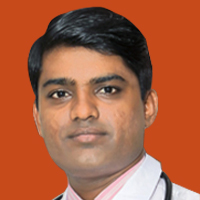
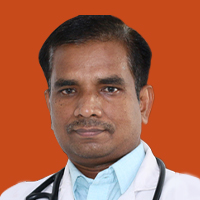
Consult Experienced Ayurveda Doctors for diabetes
Our Happy Patients
-
 Sunita Malik - Knee Pain
 -
 Abhishek Mal - Diabetes
 -
 Vidit Aggarwal - Psoriasis
 -
 Shanti - Sleeping Disorder
 -
 Ranjana - Arthritis
 -
 Jyoti - Migraine
 -
 Renu Lamba - Diabetes
 -
 Kamla Singh - Bulging Disc
 -
 Rajesh Kumar - Psoriasis
 -
 Dhruv Dutta - Diabetes
 -
 Atharva - Respiratory Disease
 -
 Amey - Skin Problem
 -
 Asha - Joint Problem
 -
 Sanjeeta - Joint Pain
 -
 A B Mukherjee - Acidity
 -
 Deepak Sharma - Lower Back Pain
 -
 Vyjayanti - Pcod
 -
 Sunil Singh - Thyroid
 -
 Sarla Gupta - Post Surgery Challenges
 -
 Syed Masood Ahmed - Osteoarthritis & Bp
Blogs
Home Remedies
- कैविटी और दाँतों की सड़न के लिए आयुर्वेदिक इलाज – बिना दर्द राहत पाएं
- आँखों में जलन या ड्राईनेस का आयुर्वेदिक इलाज - मुफ़्त परामर्श
- कान दर्द का घरेलू इलाज | आयुर्वेदिक नुस्खे जो तुरंत असर करें
- गले में दर्द और खराश? ये घरेलू नुस्खे देंगे तुरंत आराम
- Home Remedies for Tonsils
- Home Remedies for Throat Infection
- Home Remedies for Dry Eyes
- Home Remedies for Ear Pain
Related Disease
- Ayurvedic Treatment for Cataract
- Ayurvedic Treatment for Conjunctivitis
- Ayurvedic Treatment for Epistaxis
- Ayurvedic Treatment for Tonsillitis
- Ayurvedic Treatment for Stye
- Ayurvedic Treatment for Glaucoma
- Ayurvedic Treatment for Colloid Goitre
- Ayurvedic Treatment for Myopia
- Hearing Loss Treatment in Ayurveda
- Ayurvedic Treatment for Halitosis
- Ayurvedic Treatment for Pyorrhoea
- Ayurvedic Treatment for Tinnitus
- Ayurvedic Treatment for Dysphagia
- Ayurvedic Treatment for Presbyopia
- Ayurvedic Treatment for Astigmatism
- Ayurvedic Treatment for Nasal Polyps
- Ayurvedic Treatment for Adenoids
- Ayurvedic Treatment for Mumps
- Get Ayurvedic Treatment for Pharyngitis
Latest Blogs
- Do You Really Need A Protein Shake on A Non-Workout Day?
- Is Eating Only ‘Clean Food’ Making Your Diet Less Flexible?
- Air Fried Is Not Automatically Healthy: What Still Matters
- Why Remote Work Can Blur Hunger, Break and Sleep Cues
- Why Fast City Life Can Make You Feel Busy but Physically Underactive
- The Hidden Cost of Eating Lunch at Your Desk Every Day
- Air fryer में बना हर खाना healthy होता है—क्या यह सच है?
- बारिश में जूते देर तक गीले रहने से पैरों की skin क्यों परेशान होने लगती है?
- वीकेंड पर meal timing पूरी तरह बदलना सोमवार को पेट क्यों बिगाड़ सकता है?
- Why Your Energy Drops After Long Hours of Concentration
- Why Your Mouth Feels Dry Every Morning
- बच्चों का breakfast बहुत मीठा हो तो school-time hunger पर क्या असर पड़ सकता है?
- Monsoon Mornings: Why Appetite Can Be Low but Evening Cravings High
- Why Monday Digestion Can Feel Different After a Weekend Routine
- बच्चे खाना खाते समय screen देखें तो fullness signal क्यों miss कर सकते हैं?
- गुड़ और चीनी में से ‘healthy sugar’ चुनना कितना meaningful है
- AC Bedrooms in Humid Weather: Comfort vs Overcooling
- रोज़ coconut water पीना हर किसी के लिए जरूरी क्यों नहीं है?
- मॉनसून में बाल जल्दी oily और scalp itchy क्यों हो सकता हैं?
- Why Seasonal Routine Changes Can Affect Digestion Before You Notice
Ayurvedic Doctor In Top Cities
- Ayurvedic Doctors in Bangalore
- Ayurvedic Doctors in Pune
- Ayurvedic Doctors in Delhi
- Ayurvedic Doctors in Hyderabad
- Ayurvedic Doctors in Indore
- Ayurvedic Doctors in Mumbai
- Ayurvedic Doctors in Lucknow
- Ayurvedic Doctors in Kolkata
- Ayurvedic Doctors in Patna
- Ayurvedic Doctors in Vadodara
- Ayurvedic Doctors in Ahmedabad
- Ayurvedic Doctors in Chandigarh
- Ayurvedic Doctors in Gurugaon
- Ayurvedic Doctors in Jaipur
- Ayurvedic Doctors in Kanpur
- Ayurvedic Doctors in Noida
- Ayurvedic Doctors in Ranchi
- Ayurvedic Doctors in Bhopal
- Ayurvedic Doctors in Ludhiana
- Ayurvedic Doctors in Dehradun