 Published on
29 Jul, 2026
Published on
29 Jul, 2026 Updated on 29 Jul, 2026
 5094
5094It’s a common experience for many diabetics from around the world. You are exhausted after a long day. You finally lie down in bed, and just as you are about to drift off to sleep, it starts. A strange, intense heat is creeping up the soles of your feet. It feels like you are standing on hot coals, yet when you touch your skin, your feet are completely cool to the touch. You toss off the blankets, maybe run your feet under cold water, but the invisible fire simply will not go out.
You might brush it off as fatigue from standing too long or wearing the wrong shoes. But when you mention it to your doctor, they might write a prescription for a nerve-numbing pill and casually tell you it is just a normal part of having diabetes.
The frustration of dealing with this relentless, invisible pain leaves millions of people losing sleep and feeling deeply anxious about their future mobility. If there is no actual fire, why are your feet burning? Let us break it down simply using the timeless wisdom our grandmothers relied on to cool the body long before neuropathy became a household word.
The Stripped Wire vs. Trapped Heat
Before we talk about how to extinguish the fire, we have to clear up a massive piece of confusion about what this burning sensation actually is.
Modern medicine calls this diabetic neuropathy. It views the nerves as electrical wires that have had their protective coating (myelin) corroded by chronically high blood sugar. In traditional Indian medicine, this condition is viewed as a severe clash of elements. The thick, sweet, sluggish blood (Kapha and Ama) clogs the microscopic channels (Srotas) in your farthest extremities. Because the flow is blocked, the hot, sharp energy of digestion and metabolism (Pitta) gets trapped in your feet, while the dry, erratic wind energy (Vata) causes the nerves to misfire in panic. You are feeling the physical sensation of trapped metabolic heat and suffocating nerves.
Why the Pain Wakes You Up at Night?
When your blood sugar remains too high for too long, it acts like a slow-moving acid on the delicate blood vessels that feed your nerve endings. Without proper blood flow, the nerves in your toes and feet begin to literally starve. As they break down, they lose their ability to send accurate signals to the brain.
Instead of telling your brain, "I am touching a soft bedsheet," these damaged, misfiring nerves send a panicked distress signal: "I am on fire!" This is why the burning is almost always worse at night. During the day, your brain is distracted by visual cues, conversation, and movement. But when the house is quiet and you lie still, your brain has nothing else to listen to except the screaming, damaged nerves in your feet.

Daily Habits Fueling the Fire
If your feet are keeping you awake, your perfectly innocent daily routines are likely throwing gasoline on this internal fire. Watch out for these subtle traps:
- The Metformin and B12 Trap: Many people meticulously take their prescribed Metformin to control their blood sugar, completely unaware that long-term use of this medication actively depletes Vitamin B12. Vitamin B12 is the exact nutrient your body uses to build the protective insulation around your nerves. You might be controlling your sugar, but you are accidentally stripping your wires, leading directly to burning, tingling extremities.
- The Late-Night Spicy Dinner: Eating heavy, heavily spiced, or deeply fermented foods (like pickles and aged cheeses) late at night aggressively aggravates Pitta Dosha (heat). When your liver is forced to process this fiery energy while you sleep, that heat gets pushed outward to the extremities, dramatically worsening the burning sensation in your soles.
- The Cold Floor Shock: Walking barefoot on cold tile floors when you have neuropathy might feel soothing for a minute, but it is deeply dangerous. Because your nerves are failing, you cannot accurately feel micro-cuts, splinters, or bruises. What starts as a tiny, unfelt scratch can rapidly turn into a severe, non-healing ulcer because the healing blood flow to your feet is already compromised.
Ayurvedic Ways to Cool the Channels
We do not have to rely solely on pills that numb the brain to deal with nerve pain. Our traditional practices use specific, cooling therapies to soothe the trapped heat and nourish the starving nerves directly at the source.
The Padabhyanga
The most profound Ayurvedic remedy for burning feet is applying high-quality, cooling fat directly to the soles before bed. Massaging your feet with pure cow's ghee or slightly warmed sesame oil for five minutes physically grounds the erratic Vata wind and pulls the excess Pitta heat out of the tissues. It nourishes the dry, starved nerve endings while you sleep.

The Coriander Seed Soak
Coriander is nature's ultimate internal coolant. Soaking a tablespoon of crushed coriander seeds in a glass of water overnight and drinking that strained water first thing in the morning gently flushes the trapped metabolic heat out of your liver and urinary tract, lowering the overall temperature of your blood.

Kansa Vatki
If the burning is severe, traditional practitioners use a small bronze bowl (Kansa) smeared with ghee to vigorously rub the soles of the feet. The specific composition of the bronze metal acts as a magnet, drawing significant amounts of trapped heat and acidity out of the local tissues, often leaving a grey residue on the skin as the heat is expelled.

Doctor’s Note
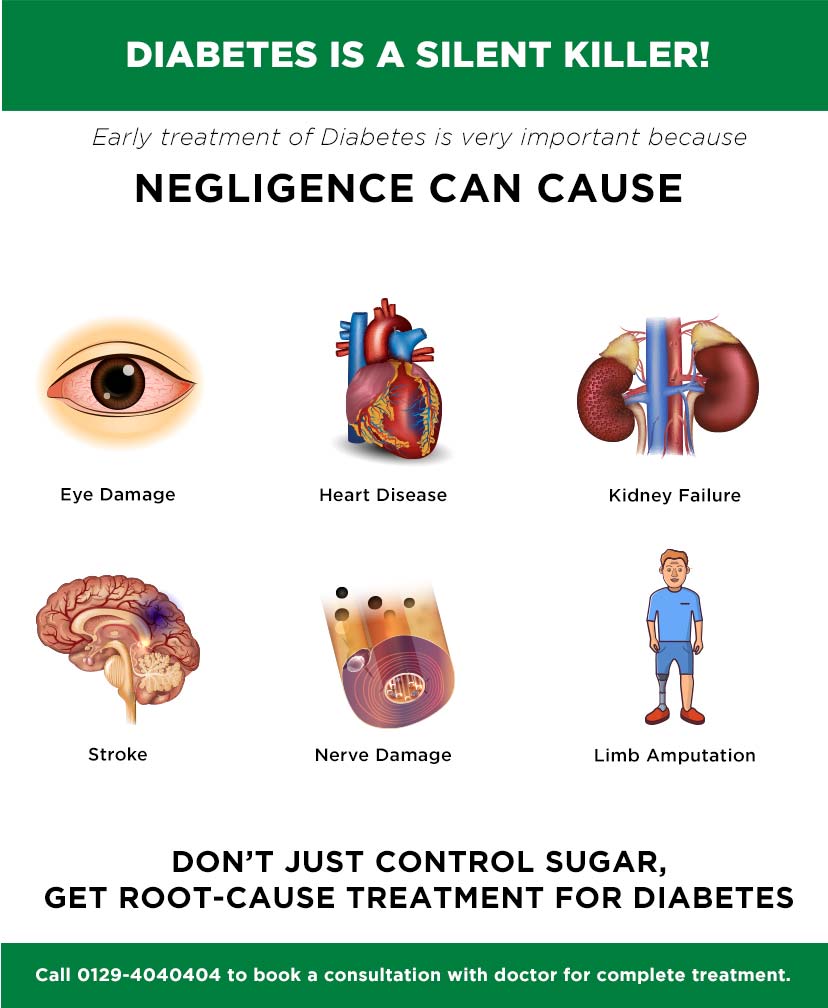
While cooling traditional therapies are incredibly soothing, burning feet are a massive medical red flag that your diabetes is actively damaging your body's hardware.
You must never ignore this symptom or simply try to massage it away. You must ask your doctor to specifically test your Vitamin B12 and Vitamin D levels, as replacing these can sometimes dramatically improve the nerve damage. More importantly, you must have a podiatrist or your primary care doctor physically examine your feet at every visit to ensure you do not have hidden infections or a dangerous loss of protective sensation. True holistic care means using modern medicine to check your blind spots while using traditional wisdom to cool the fire.
Conclusion
We spend so much time looking at the numbers on our glucose monitors that we forget to listen to the very real distress signals our body is sending us. Just because a doctor says neuropathy is "normal" for diabetics does not mean you have to accept it without a fight.
That intense, invisible fire in your feet is a living, breathing message. It is asking you to check your vitamin levels, it is begging you to stop eating fiery foods late at night, and it is reminding you that your farthest extremities need deep, grounding nourishment. Listen to your body carefully. Protect your feet fiercely, use cooling oils to soothe the frayed wires, and remember that when you address the root cause of the heat, the body can finally find rest!