 Published on
22 Jun, 2026
Published on
22 Jun, 2026 Updated on 22 Jun, 2026
 5089
5089With age, our bodies undergo natural changes. But have you ever wondered why some people are active, energetic and healthy well into their 70s and 80s, while others have health problems much earlier? Scientists are beginning to understand why this difference occurs. Interestingly, some of the answers may be in our blood.
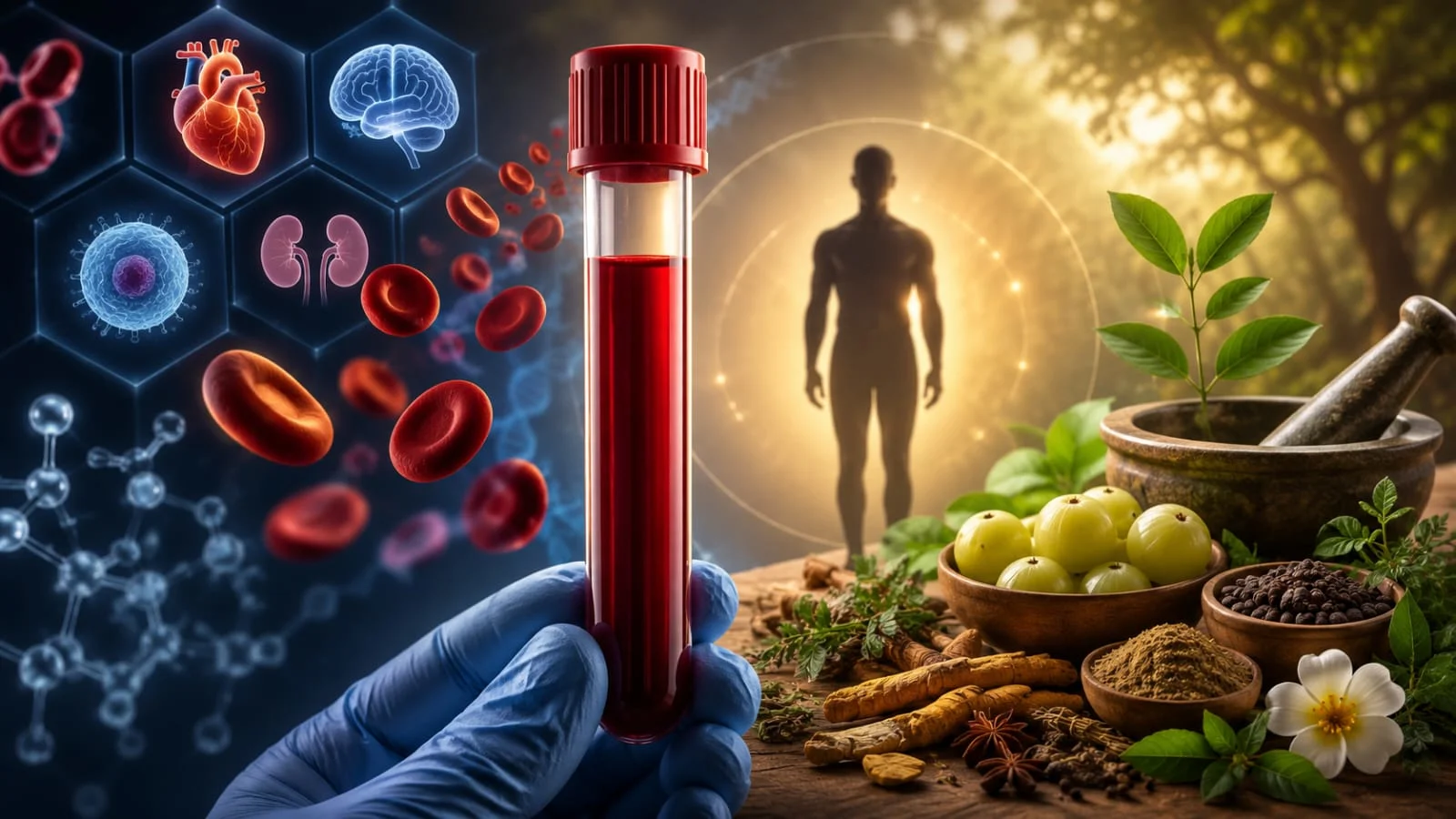
New research suggests we may be able to get a better idea of how our cells are aging by looking at certain proteins in the blood. These proteins could help identify those at greater risk of developing certain diseases, sometimes long before any signs or symptoms show up.
It is still an emerging area of research, but the possibilities are exciting. In the future, a simple blood test could help us to detect health risks earlier, support more personalised healthcare and better understand how our bodies are aging from the inside.
What Is Cellular Aging?
The human body is made up of trillions of tiny cells that work around the clock to keep us healthy. While some of them enable us to learn and memorise different things, others make it possible for us to breathe, digest food, defend ourselves against different infections and heal our damaged tissues.
As we grow older, these cells naturally begin to slow down. Just like any machine that is used for many years, cells experience wear and tear over time. They become less efficient and may not perform their jobs as well as they once did. This gradual change is known as cellular aging.
It should be noted that cellular aging takes place differently for each particular cell. Sometimes, cells stay young and active for a long period of time; however, there are cases when the cells start aging much faster than usual. The reason lies in different external and internal factors that accelerate the cellular aging process. These factors include genetics, bad nutrition, lack of sleep, stress, tobacco, pollution, etc.
What Can Blood Proteins Tell Us About Aging?
Blood performs a lot of additional functions apart from delivering oxygen across the body. It contains numerous molecules, including proteins, which facilitate communication between organs and tissues.
Every organ and tissue releases certain proteins into the bloodstream. These proteins can provide valuable clues about what is happening inside the body. By studying them, scientists can learn a great deal about a person's health from a simple blood sample. In this regard, the latest technology enables scientists to study tens of thousands of proteins in a single test. The analysis of these protein patterns makes it possible to evaluate how cells and tissues of the body age.
This is where the idea of biological age comes in. Biological age is different from chronological age. Chronological age is the number of years you have lived. Biological age reflects how healthy and well-functioning your body actually is.
How Is Cellular Aging Linked to Disease Risk?
Research has found that when certain cell types age faster than they should, the risk of developing specific diseases goes up alongside it.
Premature aging of brain cells causes cognitive problems and affects memory, while premature aging of immune system cells hinders the body's ability of the body to combat various infections and recover after illness. Accelerated aging of muscle cells affects their strength, functionality and physical efficiency. And aging cells in other organs can quietly contribute to conditions that affect overall quality of life.
One of the most significant findings in this area of research is that cellular aging can begin years, sometimes even decades, before any visible symptoms of disease appear. This means that by the time a person feels something is wrong, biological changes may have already been underway for a long time.
If future research continues to confirm these findings, blood tests could become one of the most powerful tools we have for catching disease risks early, long before they become serious problems.
Why Early Detection Matters
Many chronic diseases develop slowly over several years. In many cases, symptoms do not appear until significant damage has already occurred.
Early diagnosis enables people to address any problems before they become worse. Healthy lifestyles, regular tests, and proper medical assistance can make a difference.
If blood protein markers can indicate the presence of fast aging, then it will be easier for doctors to find those patients who have a higher chance of being affected by age-related disorders.
- Health assessment at an earlier stage
- More tailored treatment approaches
- Effective preventative measures against disease
- Increased ability to track health over time
- More focus on maintaining long-term wellness
Rather than waiting for diseases to develop, future healthcare may focus more on identifying risks early and helping people stay healthier for longer.
How to Support Healthy Cellular Aging
While aging is inevitable, the rate at which your cells age is not entirely out of your hands. Certain everyday habits can genuinely make a difference.
Eat right: Eating plenty of fruits and vegetables, whole grains, legumes, nuts and healthy fats provides your body with all the necessary nutrients to help your cells stay healthy. Foods rich in antioxidants will be useful in preventing cell aging due to oxidative stress, which is one of the major reasons for accelerated aging.
Exercise: Regular exercise promotes cardiovascular health, helps prevent inflammatory responses in your body and keeps your muscles and metabolic rate functioning optimally. There is no need to engage in vigorous exercise; consistency should be your priority.
Sleep properly: During sleep, your body carries out a huge amount of repair and maintenance work. Poor sleep over a long period can quietly accelerate aging-related changes in ways most people do not realise.
Manage stress: Chronic stress affects your health negatively by triggering the release of inflammatory substances in your body. Simple practices like meditation, deep breathing, or spending time outdoors can help more than people give them credit for.
Avoid harmful habits: Smoking, drinking too much alcohol and living a very inactive life all put more pressure on your body, leading to quicker cellular aging.
Final Thoughts
Aging is a natural process. However, the aging rate of cells and its implications for the general well-being of an individual are something science is only beginning to fully understand.
The presence of proteins within the bloodstream provides a great insight into physiological processes occurring within the human body at the cellular level. This makes blood proteins a very important factor in detecting potential health risks and helping people live longer.
We are not there yet. But we are closer than we have ever been.
Reference
Cellular Models of Aging and Senescence - PMC
Scientists decode new avenues for research on healthy ageing | Department Of Science & Technology