 Published on
27 Jul, 2026
Published on
27 Jul, 2026 Updated on 27 Jul, 2026
 5086
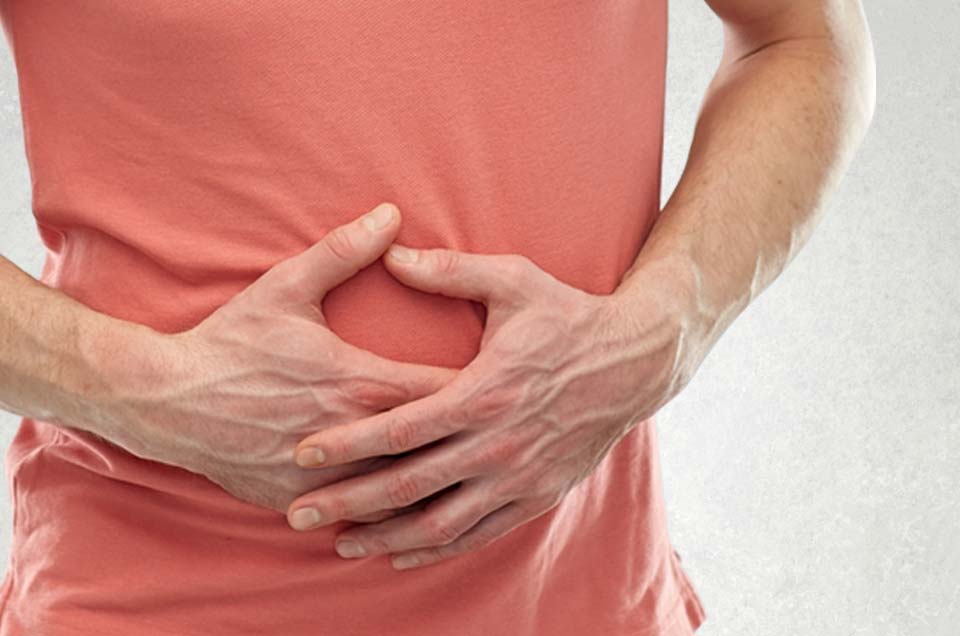
5086We have all gone through it at least once in our lives. You wake up feeling heavy, sluggish, and uncomfortably tight around your waistband. You realise it has been two, maybe three, days since you had a proper bowel movement. Desperate for relief, you quickly stir a massive scoop of dry fiber powder into a glass of water, or perhaps you take an over-the-counter laxative, hoping to force your system back into motion.
But instead of the relief you expected, your stomach begins to balloon. By the afternoon, you are experiencing sharp, stabbing gas pains that take your breath away, yet you still cannot comfortably use the bathroom. You end up trapped in a cycle of taking one pill to make you go, and another pill to stop the bloating.
The frustration of treating these two symptoms as completely separate issues leaves millions of people bouncing between diarrhoea, concrete-like constipation, and agonising trapped wind. If fibre is supposed to be the ultimate cure for constipation, why does it so often make you look six months pregnant with gas? Let us break it down simply using the timeless wisdom our grandmothers relied on long before aisles of digestive aids existed.
The Downward River
Before we talk about how to get things moving comfortably, we have to clear up a massive piece of confusion about how elimination actually works.
Modern medicine often views the colon simply as a trash chute that occasionally needs more bulk to push the garbage out. But in traditional Indian medicine, your entire elimination system is governed by a subtle, downward-moving wind energy called Apana Vata.
Think of your digestive tract as a constantly flowing, downward river. When the river is warm, well-lubricated, and flowing forcefully, waste is carried out of the body effortlessly, and any natural gases produced during digestion are quietly pushed down and out along with it. But when that river dries up or encounters a dam, the entire ecosystem turns chaotic. Your body isn't dealing with two random, separate problems; your constipation and gas are simply two symptoms of the exact same blocked river.
The Blocked Pipe: When Stagnation Creates Fermentation
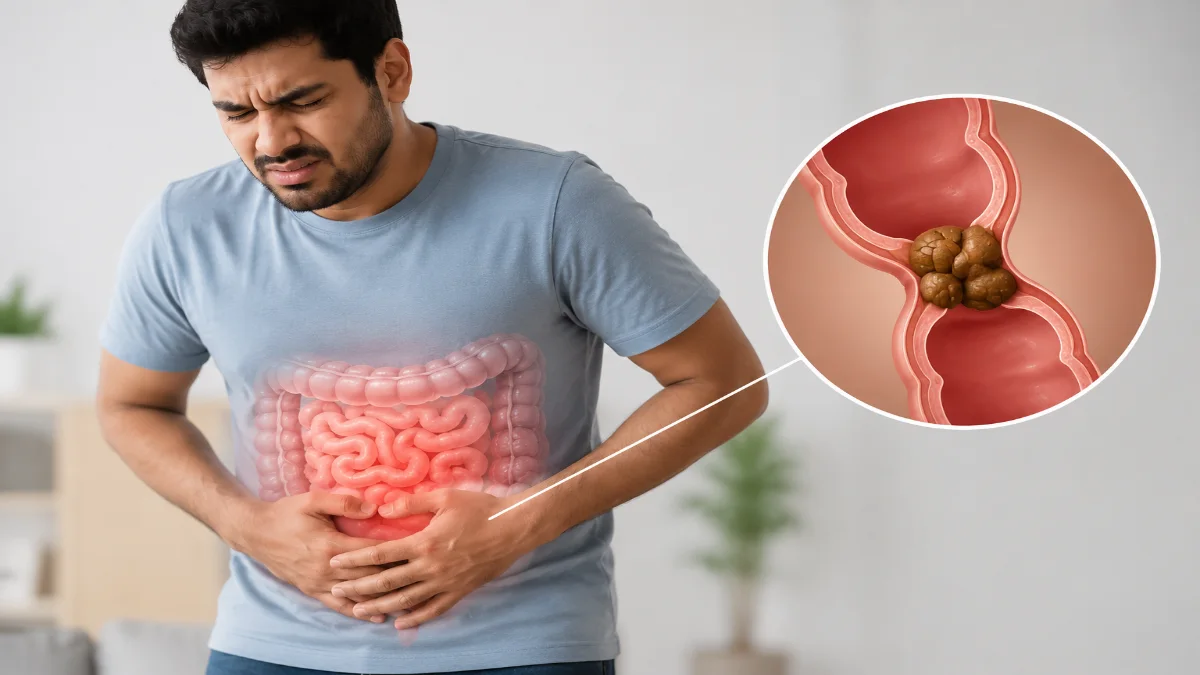
When you experience that tight, balloon-like pressure expanding under your ribs, accompanied by sharp, trapped wind that simply won't pass, you are experiencing the physical reality of a traffic jam in your gut. Your colon is essentially a long, muscular pipe. When the stool at the very end of this pipe becomes hard and immovable, the new food you are eating piles up behind it.
Because this waste is sitting in a warm, dark environment for far longer than it should, your gut bacteria begin to aggressively ferment it, exactly like garbage left in a warm kitchen bin. This fermentation creates massive amounts of gas. However, because the exit is physically blocked by the hard constipation, the gas has nowhere to go but up and out. It stretches your stomach and intestines, causing that sharp, excruciating bloating.
The Dried Riverbed: How Excess Air Creates Concrete
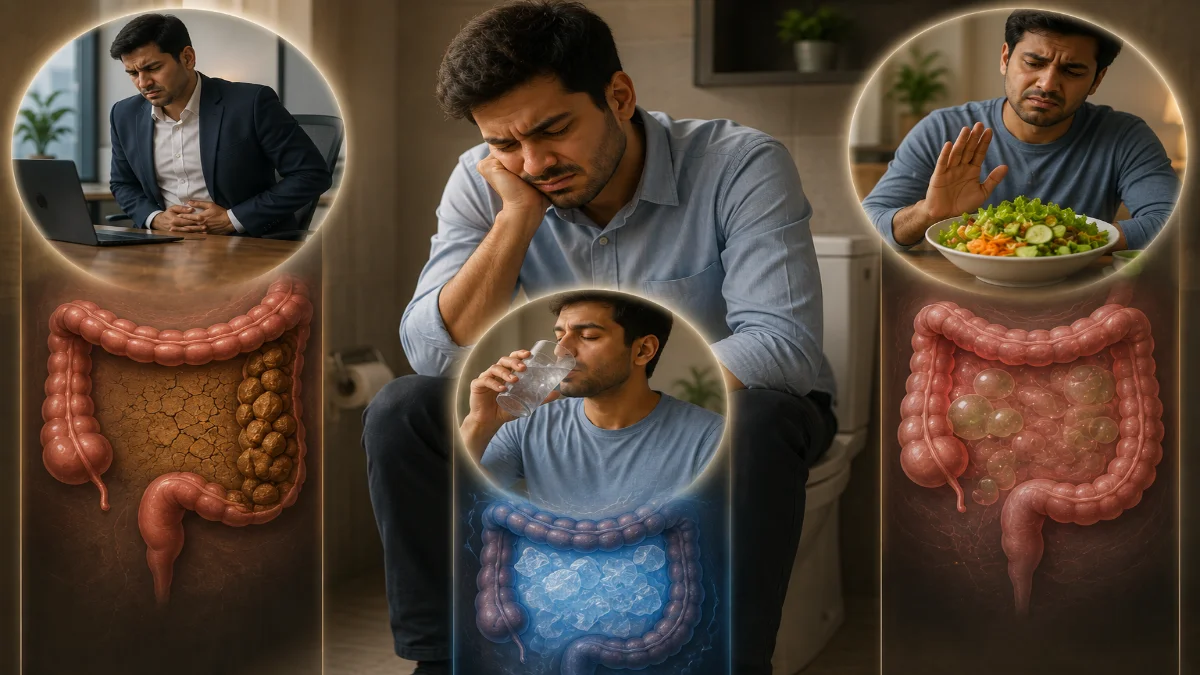
If you find yourself passing small, hard, pebble-like stools while feeling incredibly dry, anxious, and constantly burping, you are dealing with a severe Vata aggravation. In Ayurveda, Vata is the energy of air and wind. When this wind becomes hyperactive, often due to stress, constant rushing, or eating too many cold, dry foods, it acts just like a harsh winter wind blowing across a landscape.
This internal wind physically dries out the mucosal lining of your colon, absorbing all the natural lubricating water from your stool. This literally turns your waste into dry concrete. Adding massive amounts of dry fiber to this situation, which is what most modern advice dictates, is like adding dry twigs to a pile of dry dirt. It does not create flow; it only creates more friction, more blockage, and ultimately, more trapped gas trying to push past the roughage.
The Sedentary Trap: Stagnant Body, Stagnant Bowels
We live in a world where we spend eight to ten hours a day folded into chairs, staring at screens. This constant sitting physically compresses the lower abdomen and creates a literal traffic jam in your pelvic region. In Ayurvedic terms, a lack of physical movement directly suppresses Apana Vata. This downward energy requires the rhythmic pumping of your legs, hips, and core to naturally massage the intestines and coax waste outward. When you sit completely still for hours on end, your digestive tract goes into hibernation. The stool stops moving, the gas begins to build up in the stagnant pockets of your colon, and by the time you finally stand up, your abdomen feels like a painfully tight, inflated balloon. Gentle, twisting yoga postures or a simple brisk walk after meals can instantly reignite this natural pumping mechanism.
The Anxiety Grip: How Stress Traps the Wind
We rarely connect our racing minds to our sluggish bowels, but your nervous system completely dictates the behavior of your colon. When you are chronically stressed, anxious, or rushing through your day, your body shifts into a state of "fight or flight." In this survival mode, digestion is considered non-essential, and the body actively halts the process. More importantly, when you are stressed, you unconsciously clench your jaw, your shoulders, and, most crucially, your pelvic floor muscles. This chronic, invisible gripping physically restricts your exit route. You might feel the urge to pass gas or have a bowel movement, but your nervous system is essentially holding the door tightly shut. The gas gets trapped behind these tense muscles, causing sharp spasms and bloating that will not resolve until your nervous system finally feels safe enough to relax and let go.
Daily Mistakes Fueling the Blockage
If your digestive river is constantly drying up or getting dammed, your perfectly innocent daily routines are likely the exact things halting the flow. Watch out for these subtle traps:
- Suppressing the Urge (Vegadharana): Ignoring the initial urge to go to the bathroom because you are in a meeting, traveling, or uncomfortable using a public restroom is the fastest way to create a blockage. The longer stool sits in the colon, the more water your body absorbs from it, turning a healthy, soft movement into a hard, immovable rock by the time you finally sit down.
- The Raw Salad Trap: Eating massive bowls of raw, cold vegetables when you are already constipated and gassy is highly aggravating to Vata. Raw vegetables are cold, rough, and extremely difficult to break down, requiring immense digestive fire. For a sluggish gut, raw greens simply sit, ferment, and create massive amounts of gas.
- The Ice Water Shock: Chugging ice water throughout the day instantly constricts the blood vessels in your digestive tract. Cold creates stiffness and stagnation. It freezes the natural lubricating fats in your gut, bringing the downward flow of Apana Vata to a grinding halt.
Ayurvedic Fixes for Flow and Ease
We do not need to rely on harsh chemical laxatives that force the colon to violently spasm, only to leave it weaker the next day. Our traditional kitchens use warmth, oil, and specific spices to gently lubricate the riverbed and coax the trapped wind downward.
- The Ghee and Warm Water Glide: The ultimate Ayurvedic remedy for dry, concrete-like constipation is taking one teaspoon of pure, melted cow's ghee in a mug of hot water right before bed. The hot water melts the stagnation, while the ghee travels down to physically lubricate the dry colon walls, allowing the hard stool to slide out effortlessly the next morning without any gas or cramping.
- The Ajwain (Carom Seed) Relief: When you are bloated and the gas is sharply trapped behind the constipation, boiling a half-teaspoon of Ajwain seeds in water and sipping it warm acts as a powerful antispasmodic. Ajwain cuts through the sticky gas, relaxing the cramped intestinal walls and pushing the trapped wind downward.
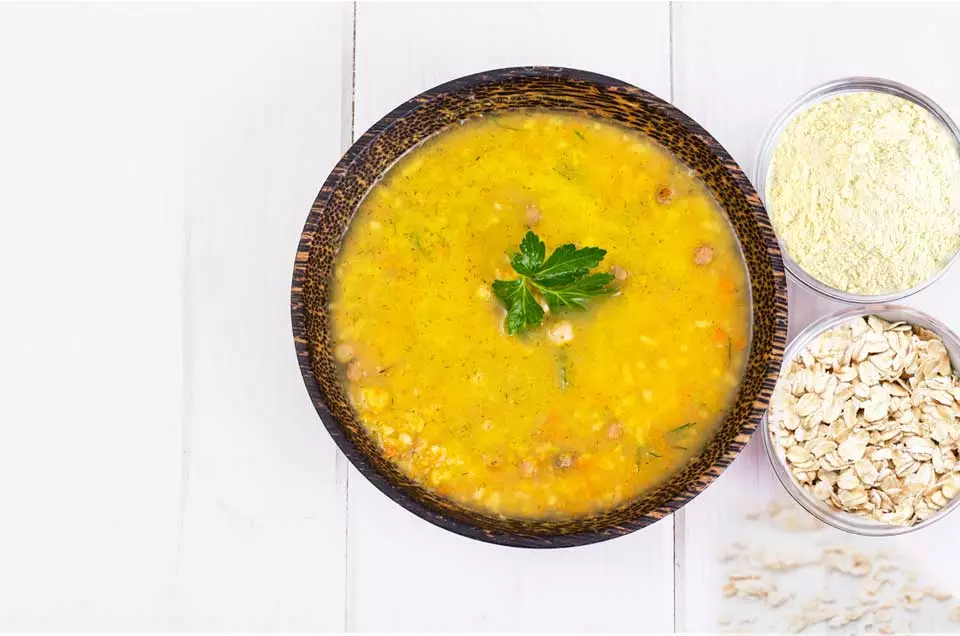
- Embracing Warm, Soupy Foods: Until the constipation clears, switch entirely to warm, thoroughly cooked, and slightly oily foods. Warm oatmeal, lentil soups, and stewed apples provide the gentle, hydrating bulk your colon needs without the rough, dry friction of raw fiber.
Doctor’s Note
While using warm hydration and gentle spices is beautifully effective for lifestyle-induced sluggishness, a severe or sudden change in your bowel habits requires proper medical attention.
If your constipation is accompanied by severe, unrelenting abdominal pain, if you are unable to pass gas at all, or if you ever notice blood in your stool or on the toilet paper, you must consult a gastroenterologist immediately. These can be signs of a physical bowel obstruction, a severe impaction, or inflammatory bowel conditions that require urgent medical intervention, not just a change in diet.
Conclusion
We spend so much time aggressively trying to force our bodies to empty themselves that we forget our digestion is a delicate, interconnected system. Just because you can force a bowel movement with a harsh laxative does not mean you have restored the natural, healthy flow of your internal river.
Your bloating, your trapped gas, and your hard stools are a living, breathing message. They are asking you to stop throwing cold water onto a struggling fire; they are begging you to bring warmth and lubrication back into your diet, and they are reminding you that true digestive health is about smooth, effortless downward flow. Listen to your body carefully. Honor the rhythm of your elimination, embrace warm, cooked foods, and remember that when you heal the environment of the colon, the gas and the blockage disappear together!
References:
Constipation: Evaluation and Management - PMC
Fast Constipation Relief: Tips and Home Remedies
Etiological factors of constipation in the elderly, with emphasis on functional causes