

 Published on
15 Jun, 2026
Published on
15 Jun, 2026 Updated on 15 Jun, 2026
 5112
5112Every single monsoon, without fail, the same drama unfolds in Indian households. Someone gets a fever. The family immediately transforms into a panel of very passionate amateur doctors. Someone googles for forty seconds. And somehow the diagnosis swings between "it is just a cold" and "what if it is dengue" within the same conversation. The actual patient is meanwhile lying in bed, feeling absolutely terrible, and just wanting everyone to calm down and bring them some khichdi.
Here is the uncomfortable truth, though. That panic is not entirely unreasonable. Because dengue and a regular viral fever genuinely do look alike in the early days. Same fever, same body ache, same where did all my energy go feeling. But they are not the same thing, and knowing the difference early can genuinely change how things play out.
Viral Fever vs Dengue: The Basic Difference
Viral fever is not one specific illness. It is more of a blanket term for what happens when your body fights off any one of hundreds of different viruses. Your immune system turns up the heat quite literally, trying to make the environment uncomfortable for the virus. It is unpleasant, but it is intentional and it usually passes in three to seven days with rest and care.
Dengue is a completely different story. It is caused by a specific virus transmitted through the bite of an Aedes mosquito, the spotted one that bites during the day and breeds in clean standing water. It has its own progression, its own danger signs, and its own complications that a regular viral fever simply does not carry.
The tricky part is that for the first day or two, both of them show up looking almost identical.
The Early Symptoms That Both Share
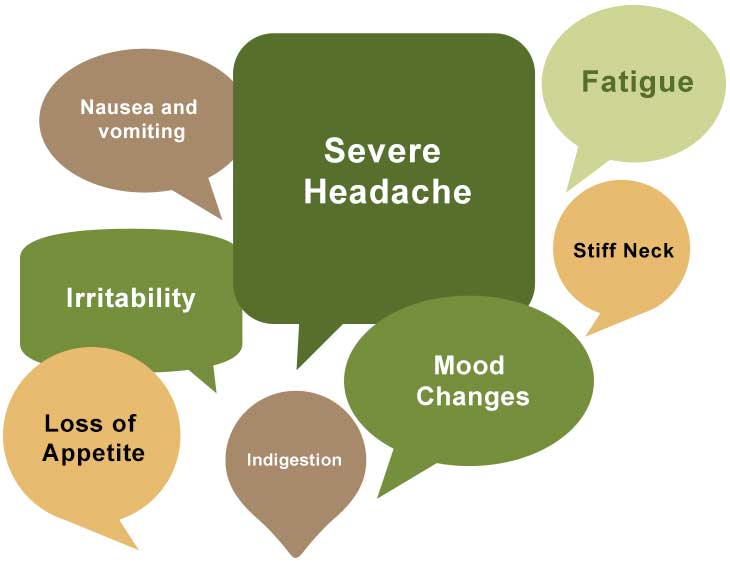
This is exactly where the confusion starts. In the beginning both dengue and viral fever come with:
- Sudden high fever that hits out of nowhere
- Body ache and muscle pain
- Fatigue that makes even sitting up feel like an achievement
- A headache that paracetamol barely touches
- Complete loss of appetite, where even your favorite food sounds unappealing
Looking at that list, you would have no idea which one you were dealing with. Which is why the next few days matter so much. Because that is when dengue starts showing signs that a regular viral fever simply does not have.
The Signs That Say This Might Be Dengue
The fever is very high and sometimes disappears and comes back. Dengue fever often runs at 103 to 104 degrees and can follow a pattern of breaking for a day and then returning. Regular viral fever does not usually do this.
Pain behind the eyes. This one is quite specific to dengue. A deep dull aching pain behind the eyeballs that gets worse when you move your eyes is a classic sign and not something a standard seasonal fever brings with it.
Body pain that is genuinely severe. Dengue earned the nickname breakbone fever for a reason. The joint and muscle pain is intense and deep in a way that feels completely different from the general achiness of a regular viral fever. People who have had both will tell you there is absolutely no comparison.
A rash shows up around days 3 to 5. Red, patchy, spreading across the chest and arms. This rash appearing alongside fever is a fairly reliable sign that something more than a regular viral illness is going on.
Nausea and vomiting that does not settle. Mild nausea can show up with any fever but persistent vomiting that prevents you from keeping fluids down is more commonly a dengue signal and needs medical attention quickly.
Any bleeding signs at all mean go to the doctor right now. Bleeding gums, nosebleeds, unusual bruising, or blood in the urine mean dengue has entered serious territory. No home remedy, no waiting, straight to the hospital.
The Signs That Say This Is Probably Just Viral Fever
Regular viral fever has a noticeably different personality. The fever is more moderate and responds better to paracetamol. It almost always comes with cold-like symptoms, a runny nose, sore throat, or mild cough, which dengue rarely causes in the early stage. The body ache is uncomfortable but manageable, not severe. Things start improving within three to five days with rest and hydration, and there is no rash, no eye pain, and no bleeding anywhere.
That respiratory angle is actually a useful clue. If your fever showed up with a runny nose or sore throat, it is much more likely to be a standard viral fever than dengue.
The One Thing You Should Actually Do
Get a blood test done, and please do not talk yourself out of it. If a fever has lasted more than two days and you are genuinely not sure what you are dealing with, a simple blood test can check your platelet count and run a dengue NS1 antigen test in the early days. A dropping platelet count is serious and you cannot know that without testing. This is one of those situations where being a little paranoid is completely the right call.
What Ayurveda Brings to the Table Here
Ayurveda has a whole framework around fever called Jwara and its approach is genuinely interesting because it looks beyond just bringing the temperature down. It asks why the body is struggling to fight this off and what can be done to support the immune system from the inside.
A few Ayurvedic things that actually hold up well during fever season:
- Tulsi is one of Ayurveda's most powerful immunity supporters. A few fresh leaves in warm water daily during the monsoon is simple, inexpensive, and backed by solid research
- Giloy, also called Guduchi, has been widely studied in India, specifically around dengue recovery. It supports platelet production and strengthens immunity in a way that makes it a genuinely useful addition alongside medical treatment
- Papaya leaf extract has become well known for helping platelet counts during dengue, and multiple studies support this. It works best as a complement to medical care, not a replacement for it
- Light warm food during a fever is not just comfort eating. Khichdi, simple dal rice, warm soups, these allow your body to focus all its energy on fighting the infection instead of spending it digesting something heavy
When to Stop Home Remedies and See a Doctor
This part is important. Fever for more than two to three days without improvement, a rash developing, pain behind the eyes, persistent vomiting, or any sign of bleeding anywhere means you need a doctor and you need one now. Children, elderly people, pregnant women, and anyone with an existing health condition should see a doctor earlier rather than later. Dengue moves quickly when it decides to, and the timing of medical intervention genuinely matters.
The Bottom Line
Monsoon fever is common enough that it is tempting to just ride it out at home and hope for the best. But dengue can escalate quietly in the early days, still looking like nothing serious, and that is exactly what makes it worth paying attention to.
Know the signs. Watch how the fever develops over the first few days. Get tested if anything feels off. Use Ayurvedic support like Giloy and Tulsi to help your body through it, but always alongside proper medical care and never instead of it.
Clear the standing water around your home. Use your mosquito repellent. Take the monsoon season seriously without losing your mind over every sneeze.
And if someone in your house gets a fever, bring them khichdi first. The diagnosis can wait five minutes.
References:
https://www.who.int/news-room/fact-sheets/detail/dengue-and-severe-dengue
https://nvbdcp.gov.in/index4.php?lang=1&level=0&linkid=431&lid=3715