 Published on
20 Jul, 2026
Published on
20 Jul, 2026 Updated on 20 Jul, 2026
 5081
5081Your kidneys are the hardest-working organs that work in silence. Unlike a bad stomach that makes you feel sick right away, or a twisted ankle that hurts instantly, your kidneys suffer in silence. Many people go about their normal daily lives, feeling completely fine, while their kidneys slowly lose their strength.
By the time you actually feel sick, a large part of your kidney function might already be gone. That is exactly why doctors often call kidney issues a "silent illness." Let us look at why this happens and how you can catch the warning signs before it is too late.
Why Kidney Disease Often Stays Hidden for Years?
One amazing thing about your kidneys is that they cover for each other. They are made of millions of tiny filters. If some of these filters get damaged and stop working, the healthy ones just work extra hard to make up for the loss.
Because they adapt so well, you do not feel any obvious symptoms. This superpower keeps you feeling normal, but it also hides the damage. By the time you notice severe swelling or extreme tiredness, your kidneys have already used up all their backup energy.
What Do Your Kidneys Actually Do?
Most people know that the kidneys clean out waste from the blood. While that is true, their job is much bigger than just acting as a trash can.
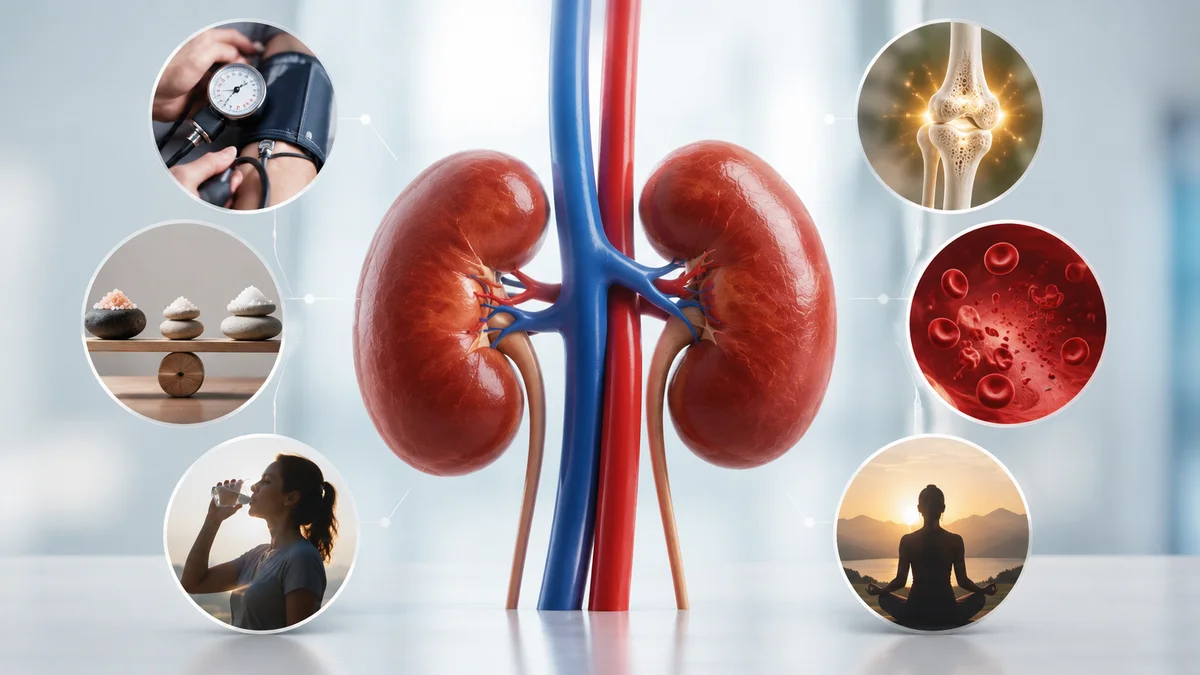
Every single day, these two small, bean-shaped organs filter a massive amount of blood. They carefully pull out the bad toxins while keeping the good nutrients and water your body needs.
But that is not all. Your kidneys also:
- Manage your blood pressure.
- Maintain the balance of essential minerals such as sodium, calcium, and potassium.
- Eliminate excess fluid from your body to prevent swelling.
- Make your bones healthy through the activation of Vitamin D.
- Give a message to your body to produce new red blood cells.
When your kidneys get weak, all of these jobs slow down, affecting your whole body long before you even realize it.
Why Creatinine Isn’t Always the First Warning Sign
When you get a basic blood test, the doctor usually looks at your "creatinine" level to check your kidneys. Creatinine is just a normal waste product made by your muscles, and healthy kidneys easily flush it out in your urine.
Many people look at a normal creatinine report and think, "Great, my kidneys are perfect!" But this can be a very tricky trap.
Here is the truth: your creatinine levels usually do not go up until you have already lost about half of your kidney function. Also, because creatinine comes from muscles, a person with very low muscle mass might show a "normal" number even if their kidneys are actually struggling. A normal creatinine report is good, but it is not a guarantee that everything is 100% fine.

Early Signs Your Kidneys May Be Under Stress
Because the kidneys suffer quietly, the early clues are very soft. People usually blame these signs on getting older, not sleeping enough, or just having a stressful week.
Keep an eye out for these subtle warnings:
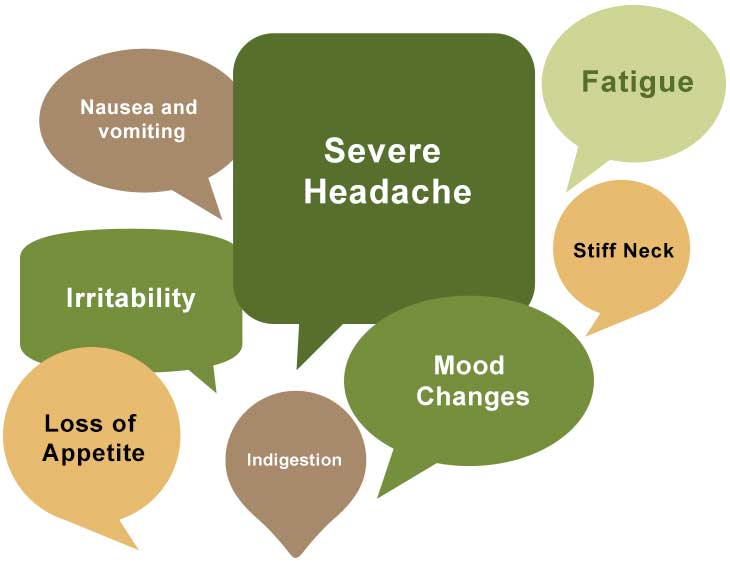
- Fatigue even after getting enough rest.
- Eyes that appear puffy and swollen as soon as you wake up.
- Some swelling in the feet and ankles towards the latter part of the day.
- Frequent urges to urinate during the night while sleeping.
- Urine that has a foam or bubble-like appearance, similar to soap.
- Skin is becoming extremely dry and itchy.
- Spontaneous muscle twitches occur especially at night.
- Lack of appetite and difficulty concentrating.
Having one of these does not mean your kidneys are failing. But if you have a few of these signs that just won't go away, it is time to see a doctor.
Who Is Most at Risk for Silent Kidney Damage?
Anyone can face kidney problems, but some people have a much higher risk. You need to be extra careful if you have:
- Diabetes: High blood sugar acts like sandpaper, slowly scratching and damaging the tiny filters inside the kidneys.
- High Blood Pressure: Constant heavy pressure damages the delicate blood vessels inside your kidneys over time.
- A Family History: If your parents or siblings had kidney issues, your chances go up.
- Heart Disease: The heart and kidneys are best friends. If one gets weak, the other usually struggles too.
- Extra Body Weight: Being heavily overweight puts a big daily strain on your kidneys and increases the risk of diabetes.
- A Smoking Habit: Smoking ruins blood vessels all over the body, including the ones that feed the kidneys.
Everyday Habits That Slowly Damage Kidney Health
You might be hurting your kidneys every day without even knowing it.
Popping over-the-counter painkillers (like ibuprofen) for every little headache or body ache is very tough on the kidneys because it reduces their blood flow. Not drinking enough water leaves your kidneys dry and forces them to work twice as hard.
Eating a diet full of highly processed, packaged junk food loads your body with hidden salt, which shoots up your blood pressure. And of course, smoking and drinking too much alcohol constantly put your blood vessels under heavy stress.
Can Kidney Damage Be Slowed or Prevented?
The best news is that if you catch kidney stress early, you can absolutely slow it down.
The two biggest things you can do are controlling your blood pressure and keeping your blood sugar in a safe range. If you manage those two, your kidneys will thank you. Moving your body daily, quitting smoking, and taking your prescribed medicines on time gives your kidneys a massive break. Early action can easily save your kidney function for many years.
Doctor’s Note
Kidney disease is a "silent illness." If you notice persistent fatigue, swollen ankles, morning eye puffiness, or foamy urine, do not ignore it. Especially if you have diabetes or high blood pressure, proactively request a routine urine test (urinalysis) to catch early damage and strictly manage your blood pressure and blood sugar to prevent irreversible damage.
The Ayurvedic View on Kidney Health
The health of one’s kidneys, according to Ayurvedic practices, lies in good digestion. Poor digestion (poor Agni) results in the formation of a sticky and toxic waste matter (Ama), which can clog the kidneys’ delicate filtration system.
Below are the ways through which the body's energy forces (Doshas) impact the kidney functions:
- Vata (Flow factor): The movement of fluids within the body is regulated by Vata. High levels of stress or consumption of dry and processed foods cause disturbance in the flow and imbalance of fluid within the body, and poor urination.
- Pitta (Heat factor): The intake of salty, sour, or hot/spicy foods increases the heat in the body (high Pitta). This leads to inflammation in the kidneys and urinary tract.

Kidney-Friendly Diet and Daily Habits
No special detox juices are required to flush out your kidneys. They work quite efficiently, provided you give them the proper nutrition.
Eat wholesome and fresh foods. Consume more vegetables, whole grains, and protein foods. Have adequate amounts of water such that your urine appears slightly yellow in color. Reduce consumption of excess salt, avoid any processed junk foods, and maintain a healthy weight.
Important: If a medical practitioner has diagnosed you with advanced kidney problems, then you should eat a specific diet as advised by the physician.
When Should You See a Doctor?
Do not neglect your body whenever it is trying to communicate with you. Make an appointment for yourself whenever you have the following symptoms:
- Presence of blood in your urine.
- Foaming of your urine daily.
- Leg and facial swelling that does not subside.
- High blood pressure despite medication.
- Sudden alteration in the frequency of urination.
Also, if you have diabetes or high blood pressure, do not wait for symptoms. Go get a routine check-up once a year.
Common Myths About Kidney Health
Myth: My creatinine is normal, so my kidneys are 100% fine.
- Fact: Creatinine only goes up after a lot of damage is already done. Urine tests are much better at finding early issues.
Myth: If my kidneys were sick, my back would hurt.
- Fact: Kidney disease is almost always completely painless until the very end stages.
Myth: Only old people get kidney disease.
- Fact: Poor diet, obesity, and diabetes are causing young people to develop kidney issues more than ever before.
Myth: Drinking a gallon of water every day will cure everything.
- Fact: Water is great, but it cannot cure kidney damage caused by high blood sugar or high blood pressure.
Final Thoughts
The problem of kidney disease develops gradually; it does not occur out of nowhere. As your organs have an extraordinary ability to hide their health condition, there may be a deceptive feeling of well-being. Note that the simple blood test is only one way to diagnose your illness.
If you follow some simple recommendations like staying hydrated, reducing the amount of salt in food, checking your blood pressure, and getting a urine test during your next medical check-up, you will help to maintain the health of your invaluable organs. Take care of little signals now and avoid big trouble later.
References
Global Facts: About Kidney Disease
Preventing Chronic Kidney Disease