 Published on
23 Mar, 2026
Published on
23 Mar, 2026 Updated on 25 May, 2026
 5197
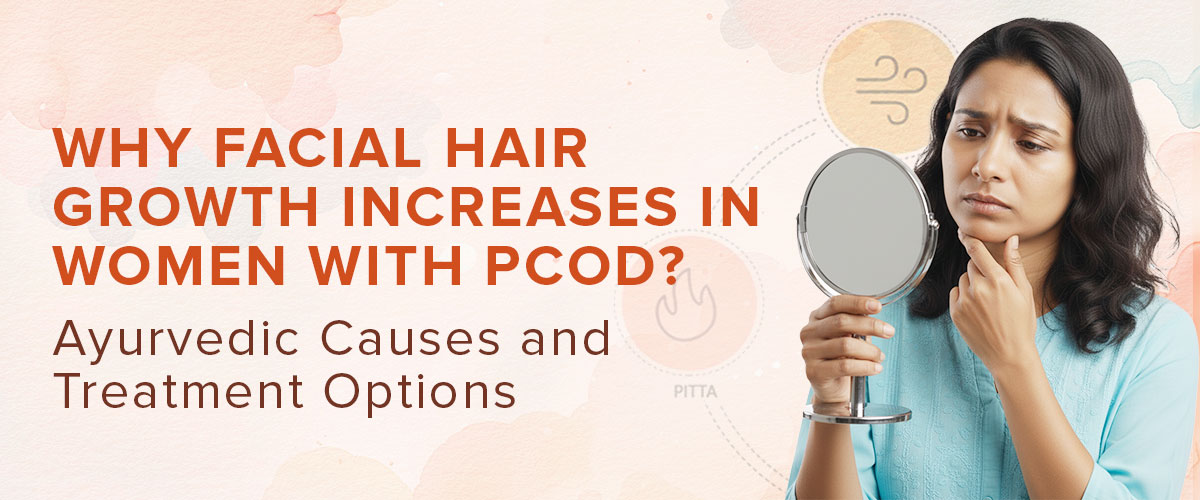
5197Why Facial Hair Growth Increases in Women With PCOD
Facial hair growth in women, particularly on the chin, upper lip, or jaw, is a disturbing symptom. However, one of the most common causes of this symptom is Polycystic Ovary Disorder. It is a hormonal disorder that affects a large number of women in their reproductive age group.
In this disorder, the body is exposed to high levels of male hormones, which cause symptoms such as excessive hair growth, irregular periods, and acne. It is very important to treat this disorder early to avoid complications.
What is PCOD?
Polycystic Overlap Disorder, or PCOD, is a disorder in which the ovaries of a woman produce an extra amount of androgen hormones, or male hormones. This disrupts the hormonal balance in a woman, which in turn has a number of effects on the body.
Simply put, the ovaries may develop several cysts and may not be able to release eggs, which disrupts the hormonal balance in a woman’s body.
Different Patterns of PCOD You Should Know About
Polycystic Ovary Disorder, as mentioned earlier, does not have officially recognised “types” in the medical community, although it may manifest in different ways depending on the underlying causes and symptoms of the disorder. Understanding the different ways in which it may manifest is helpful in choosing the appropriate line of treatment.
- Insulin-Resistant PCOD
This is the most common type of PCOD, and in this disorder, the body’s cells are not able to respond effectively to insulin, which causes a rise in the level of insulin in the blood. The increased level of insulin in the blood stimulates the ovaries to secrete androgens, which are male hormones, and this leads to symptoms such as hair growth on the face, weight gain, and irregular periods.
- Inflammatory PCOD
Chronic inflammation in the body causes the ovaries to secrete androgens in larger quantities, and in this type of disorder, a woman may experience symptoms such as fatigue, skin problems, and increased hair growth on the face.
- Post-Pill PCOD
This type of PCOD is usually a result of the discontinuation of birth control pills. Birth control pills affect ovulation in women. When the pills are stopped, the body takes time to return to its normal hormonal balance. During this time, women may experience temporary symptoms such as irregular menstrual cycles, acne, and hair growth on the face.
- Adrenal PCOD
This type of PCOD is usually caused by the excess production of hormones such as cortisol in the adrenal glands. This excess of cortisol indirectly causes the levels of androgens in the body to rise. Stressful lifestyles and lack of sleep often contribute significantly to this type of PCOD. Symptoms of this type of PCOD include hair growth on the face and irregular menstrual cycles.
Signs Your Body May Be Showing PCOD Symptoms
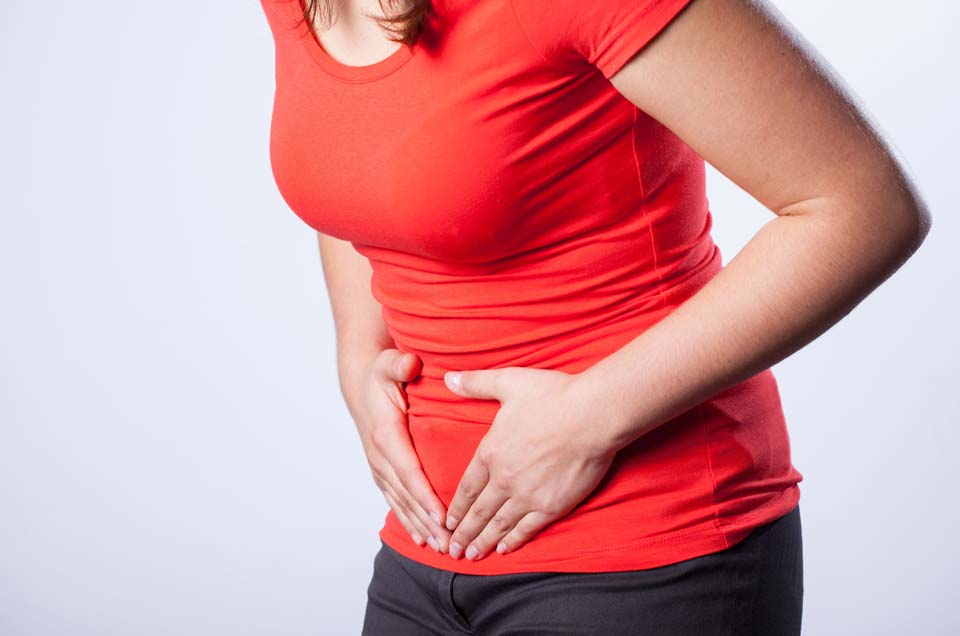
The symptoms of Women with Polycystic Ovary Disorder can vary from mild to severe. The symptoms can be as follows: The most common symptoms of Women with Polycystic Ovary Disorder include:
- Excessive hair growth on the face and body, especially on the chin, upper lip, chest, and abdomen
- Irregular, delayed, or absent menstrual periods
- Acne, oily skin, and frequent breakouts
- Unexpected and unexplained weight gain, especially around the abdomen
- Hair thinning or hair fall from the scalp
- Difficulty in conceiving
Facial hair growth, also known as hirsutism, is the most visible and disturbing symptom of Women with Polycystic Ovary Disorder. It results from high androgen levels, which change the texture of the hair from soft and fine to thick and coarse, especially in areas where men tend to develop hair.
The early detection of the symptoms of Women with Polycystic Ovary Disorder can help in the timely management of the disorder, which can otherwise worsen the symptoms of the disorder.
What Causes PCOD and Why It Affects Your Hormones
The exact cause of Polycystic Ovary Disorder is still not clearly known, but it is mainly attributed to a combination of hormonal, metabolic, and lifestyle factors. Here are the main causes of PCOD in a nutshell:
- Hormonal Imbalance
Polycystic Ovary Disorder is a hormonal disorder, and the level of androgens, also known as male hormones, is much higher in women suffering from the condition. This hormonal imbalance is the primary cause of PCOD.
- Insulin Resistance
In many women, the level of insulin in the body is not properly utilised. This results in a higher level of insulin in the body, which in turn stimulates the ovaries to produce more androgens, leading to increased facial hair.
- Genetics
Polycystic Ovary Disorder is a hereditary condition, and women whose mothers and sisters suffer from the condition have a higher risk of acquiring the condition.
- Lifestyle Factors
Lifestyle factors such as unhealthy dietary habits, lack of exercise, improper sleep, and increased stress levels also contribute to the occurrence of PCOD.
One of the most common effects of PCOD is the increased level of androgens, which changes the texture of hair from smooth and thin to thick and coarse, especially on the chin and upper lip.
Who is At Risk and What to Expect If PCOD is Not Taken Seriously
There is a set of factors that can put a person at risk of developing PCOD, and if the problem is not treated on time, a person can experience a variety of health issues in the future. Risk Factors to Be Aware Of
- Family history of PCOD
- Overweight or sudden weight gain
- Sedentary lifestyle with low physical activity
- Poor eating habits, such as a high intake of sugar and processed foods
Possible Complications if Left Untreated
- Difficulty in conception or infertility
- Risk of developing Type 2 diabetes
- High cholesterol levels
- Endometrial disorders or issues in the uterine lining
- Emotional issues, such as anxiety or low self-confidence
If PCOD is not treated in time, facial hair growth can become more prominent, which can be difficult to manage due to hormonal imbalances in the body.
How is PCOD Diagnosed?
The diagnosis of Polycystic Ovary Disorder is based on the symptoms, hormonal levels, and general health of the individual. Modern medicine and Ayurveda have a slightly different approach to diagnosing PCOD.
Modern Medicine Diagnosis of PCOD
A combination of the following methods is used by medical practitioners to diagnose PCOD:
- Medical History and Symptoms: Understanding the medical history and symptoms of PCOD, including irregular menstruation, weight changes, acne, and facial hair.
- Physical Examination: Physical examination of the individual, including signs of excessive hair, acne, and weight.
- Ultrasound Scan: Ultrasound scan to detect cysts on the ovaries.
- Blood Tests: Blood tests to measure androgen, insulin, and other hormone levels.
Early diagnosis of PCOD using the above methods is helpful to control the symptoms and prevent complications.
Ayurvedic Diagnosis of PCOD
In Ayurveda, there is no mention of PCOD by this name. Instead, it is a disorder of imbalance in doshas, including Vata and Kapha, affecting the reproductive system. Ayurvedic diagnosis is done by identifying the root cause through a holistic evaluation of the following aspects:
Knowing whether an individual is a Vata, Pitta, or Kapha dominant helps in understanding the predisposition and approach for treating the condition.
- Vikriti Assessment
Knowing the doshas that are vitiated and their effect on reproductive health and metabolism.
- Nadi Pariksha
Ayurvedic pulse diagnosis is done by an experienced practitioner by evaluating the pulse to understand imbalances within an individual.
- Menstrual History Evaluation
A detailed analysis of an individual’s menstrual history is done to understand the condition.
- Observation of Physical Signs
Weight gain, acne, hair distribution, digestive health, and energy levels are observed.
Lifestyle and dietary habits are assessed to understand their effect on an individual.
PCOD in Ayurveda: Understanding the Root Cause
PCOD is not mentioned as a separate disease in Ayurveda. It is mentioned as a disorder of the body due to the imbalance of the body's doshas, Kapha and Vata.
- When Kapha is in imbalance in the body, there is a tendency towards accumulation in the body. This leads to the formation of cysts in the ovaries, weight gain, and a sluggish metabolism.
- When Vata is in imbalance in the body, there is a disturbance in the normal peristalsis of the body, affecting ovulation and menstrual cycles.
Another factor that causes PCOD is the imbalance of the digestive fire in the body, known as “Agni.” When the digestive fire is weak in the body, there is a tendency towards the accumulation of toxins in the body, affecting the balance of the hormones in the body.
According to Ayurveda, PCOD is a disorder of the body due to the following reasons:
- Poor digestion and the accumulation of toxins in the body
- Hormonal imbalance in the body
- Blocked reproductive channels in the body, known as Artava vaha Srotas
Ayurveda treats the root cause of the disease rather than the symptoms of the disease, such as the growth of hair on the face.
Effective Ayurvedic Herbs for PCOD
Ayurveda has natural herbs that help in balancing hormones and regulating ovulation in Polycystic Ovary Disorder. Commonly Used Ayurvedic Herbs for PCOD Treatment:
- Ashwagandha – It helps in reducing stress and regulating hormones
- Shatavari – It helps in regulating the female reproductive system
- Lodhra – It helps in reducing Kapha and regulating the uterus
- Guduchi (Giloy) – It helps in regulating immunity and reducing inflammation
- Turmeric (Haldi) – It helps in reducing inflammation and regulating insulin
All these herbs together help in reducing androgen levels, which in turn help in reducing unwanted facial hair growth gradually.
Ayurvedic Therapies for PCOD
Besides medications, Ayurveda also prescribes therapies to purify the body and maintain homeostasis. The most common therapies are:
- Abhyanga – Oil massage: This therapy helps improve blood circulation and relieve stress
- Swedana – Herbal steam therapy: This therapy helps purify the body and improve metabolism
- Udvartana – Herbal powder massage: This therapy helps reduce body fat and improve insulin sensitivity
- Basti – Medicated enema therapy: This is the most effective therapy to balance Vata dosha
- Panchakarma – Detox therapies: This therapy provides deep cleansing and balances hormones in the body
These therapies also help in the internal healing process and make herbal remedies more effective.
Diet for PCOD: What to Eat and What to Avoid
Diet is a key factor in the management of Polycystic Ovary Disorder and alleviating symptoms of the condition, including weight gain and facial hair.
Foods to Include
- Warm, freshly cooked food
- Barley, millet, and oatmeal, which are rich in fibre and help in weight loss
- Green leafy vegetables, including spinach, broccoli, and kale, help in detoxification and reduce symptoms of PCOD
- Fresh fruits, including apples, blueberries, and pomegranates, help in reducing insulin levels and alleviating PCOD symptoms
- Spices, including turmeric, cinnamon, and ginger, which help in reducing and alleviating PCOD symptoms
- Healthy fats, including ghee, in moderation
Foods to Avoid
- Processed and junk food, which increases insulin levels and worsens PCOD symptoms
- Sugary Foods & Refined Carbohydrates
- Cold & Refrigerated Foods
- Excessive Dairy Products
- Deep Fried & Oily Foods
How We Assess Patients at Jiva Ayurveda
A well-balanced, easily digestible diet can enhance metabolic rates, decrease insulin resistance, and balance hormones in a natural way.
At Jiva Ayurveda, every patient suffering from Polycystic Ovary Disorder undergoes a thorough consultation procedure to understand their health issues, not only on the surface but also to comprehend the underlying cause of the problem. Some of the major steps in the assessment procedure are:
- Detailed Consultation
A thorough medical history is taken into consideration, including symptoms such as menstrual cycles, weight gain, stress levels, etc.
- Prakriti Analysis (Body Constitution)
Understanding whether the patient is Vata, Pitta, or Kapha in nature is an integral part of the treatment, as the treatment is customised according to the body types.
- Vikriti Assessment (Current Imbalance)
Understanding which body types are imbalanced and in what way they are affecting the hormones.
- Nadi Pariksha (Pulse Diagnosis)
A unique Ayurvedic technique to understand the imbalances in the body, including the functioning of internal organs.
- Symptom Evaluation
Facial hair growth, acne, irregular periods, digestive issues, etc., are given specific importance in the assessment procedure.
Our Step-by-Step Patient Care Process:
Expect a Call: Submit your contact details, or you can also call us on 0129 4264323.
Appointment Confirmation.
- You can schedule an appointment and visit us at our clinic for a consultation with our Ayurvedic experts.
- If you are unable to find our clinics near you, you can also schedule an online consultation on 0129 4264323 at a discounted price of Rs. 49 (regular price Rs299) and avail guidance from our doctors at home.
Detailed Diagnosis
Jiva doctor will perform a thorough and detailed diagnosis to identify the root cause of your health problem.
Root-cause Based Treatment
Jiva doctor will recommend a personalised treatment using highly-effective, natural, and Ayurvedic medicines to address symptoms and the root cause.
Healing Timeline
The healing timeline of Polycystic Ovary Disorder varies from one patient to another, depending on the severity of the case and the consistency of the patient in following the treatment.
- For patients with mild symptoms, healing may take 4 to 6 weeks
- For patients with moderate cases, healing may take 2 to 3 months.
- For patients with chronic cases of PCOD, healing may take 3 to 6 months.
The symptoms of Polycystic Ovary Disorder, including irregular periods, acne, and excessive hair growth, gradually improve with hormonal balance.
What Results Can You Expect?
Patients with Polycystic Ovary Disorder, if they seek Ayurvedic treatment from Jiva Ayurveda, may expect the following results:
- Regularisation of menstrual cycles
- Reduced hair growth on the face over a period of time
- Improved weight management
- Improved skin with reduced acne
- Improved energy levels with digestive health
- Improved fertility with reproductive health
It’s important to note that Ayurveda emphasises slow healing, which means that patients may not see immediate results.
Patient Testimonial- Vyajayanti
“I’m Vyajayanti, 43 years old, from Faridabad, and I was suffering from PCOD. For a while, my life had been totally out of balance. There were months when I would not get my period at all, and there were months when I would get them so profusely and in such great pain that it would become difficult for me to manage my daily activities.
The pain, the uncertainty, and the stress – it had all started to take its toll on me, not only physically but also emotionally. I, like most people, went to an allopath. After consulting the doctor, I was even advised to go in for surgery. I was totally scared and did not know if I wanted to go down this path.
It was then that a friend of mine, who had herself undergone treatment at Jiva Ayurveda, suggested that I try out Ayurveda. I decided to go to the Jiva Ayurveda clinic. The doctors there patiently heard out my case and told me that my condition was basically caused by a hormonal imbalance.
I began my treatment, and I am delighted to say that I am now feeling like myself again. Choosing Ayurveda was a turning point for me. It didn’t just help with my symptoms — it helped me feel balanced and healthier from within.”
Estimated Cost of Treatment at Jiva Ayurveda
Understanding the financial investment required for your health is important. At Jiva Ayurveda, we make sure of transparency in our service costs, which allows you to choose the most suitable option for your medical needs.
Treatment Cost
For patients who seek standard, ongoing care, the Monthly Cost of Medicine and consultation typically ranges from Rs. 3,000 to Rs. 3,500. Please note that this is an estimated baseline. The final cost depends on the exact nature and severity of the patient's condition.
Protocol
For a more comprehensive, structured approach, we offer specialized Package protocols. These plans are designed to address both physical symptoms and the overall lifestyle correction. The package includes:
- Medicine
- Consultation
- Mental Well-Being Sessions
- Yoga and Meditation
- Diet
The cost for this protocol involves a one-time payment ranging from Rs. 15,000 to Rs. 40,000, which covers the full 3 to 4-month duration of the treatment.
Jivagram
For patients requiring intensive and immersive care, our Jivagram centres offer the ultimate healing experience. Jivagram is a holistic sanctuary set in a peaceful, eco-friendly environment, and it provides:
- Authentic Panchakarma therapies
- Sattvic meals
- Modern healing services
- Comfortable accommodation
- Many more quality-of-life facilities
An immersive wellness stay at Jivagram costs around 1 Lakh for a 7-day duration, ensuring continuous personalised care to help reset your body and mind.
Why Patients Trust Jiva Ayurveda
Over the years, Jiva Ayurveda has gained the trust of thousands of patients who are seeking natural and personalised healthcare solutions. Some of the key reasons for patients’ trust in Jiva Ayurveda:
- Root-Cause Based Treatment
Unlike conventional treatments that address only the symptoms of disease, Ayurvedic treatment focuses on treating the root causes and correcting the underlying imbalances in the body that lead to disease.
- Experienced Ayurvedic Doctors
Jiva Ayurveda boasts of having a huge team of experienced Ayurvedic doctors who thoroughly examine each patient’s condition before recommending treatment for diseases.
- Personalised “Ayunique” Treatment Approach
Ayurvedic treatment is highly personalised and customised according to each individual’s prakriti and lifestyle.
- Holistic Healing
Ayurvedic treatment is not limited to medicines; it also includes dietary and lifestyle modifications, breathing techniques, and stress management to support overall healing of the body and mind.
- Trusted by Patients Across India
A huge percentage of patients have shown improvement in their conditions after adopting Jiva’s treatment plans and recommendations for diseases. This shows how much people trust Jiva Ayurveda for Ayurvedic treatment.
- 95% of patients saw significant improvement within 3 months of treatment.
- 88% of patients stopped allopathic medicines completely.
- 8000+ patients consulation everyday
Modern Treatment vs Ayurvedic Treatment for PCOD
Here is a clear comparison of treatment approaches for Polycystic Ovary Disorder in modern medicine and Ayurveda:
|
Aspect |
Modern Treatment |
Ayurvedic Treatment |
|
Approach |
Symptom-based management |
Root-cause healing |
|
Focus |
Hormonal control, cycle regulation |
Dosha balance (Vata & Kapha), toxin removal |
|
Medicines |
Hormonal pills, insulin regulators, and pain relief drugs |
Herbal medicines (natural hormone balancing) |
|
Side Effects |
May include weight gain, mood changes, dependency |
Generally gentle and natural when guided properly |
|
Treatment Goal |
Short-term symptom control |
Long-term restoration of hormonal balance |
|
Lifestyle Role |
Important but secondary |
Core part of treatment (diet, yoga, routine) |
|
Facial Hair Growth |
Managed temporarily with medications |
Addressed by correcting the androgen imbalance naturally |
When Should You Consult a Doctor?
You must seek medical advice if you notice the following symptoms of Polycystic Ovary Disorder:
- Irregular or absent menstrual cycles over several months
- Rapid or excessive growth of facial and body hair
- Prolonged or severe cases of acne
- Trouble conceiving
- Unexpected weight gain
- Hair thinning or excessive hair loss
Early medical consultation helps avert further complications such as infertility, diabetes, and hormonal imbalance.
Conclusion
Polycystic Ovary Disorder is a common hormonal condition. The condition can be managed with appropriate care and approach. While modern medicine tries to control the symptoms,
Ayurveda tries to restore balance in the body and address the root cause of the problem.
A holistic approach to a condition can go a long way in alleviating symptoms of PCOD, including irregular periods, acne, and facial hair. Early diagnosis and appropriate care are important for long-term wellness and reproductive health.