 Published on
31 Jul, 2026
Published on
31 Jul, 2026 Updated on 31 Jul, 2026
 5084
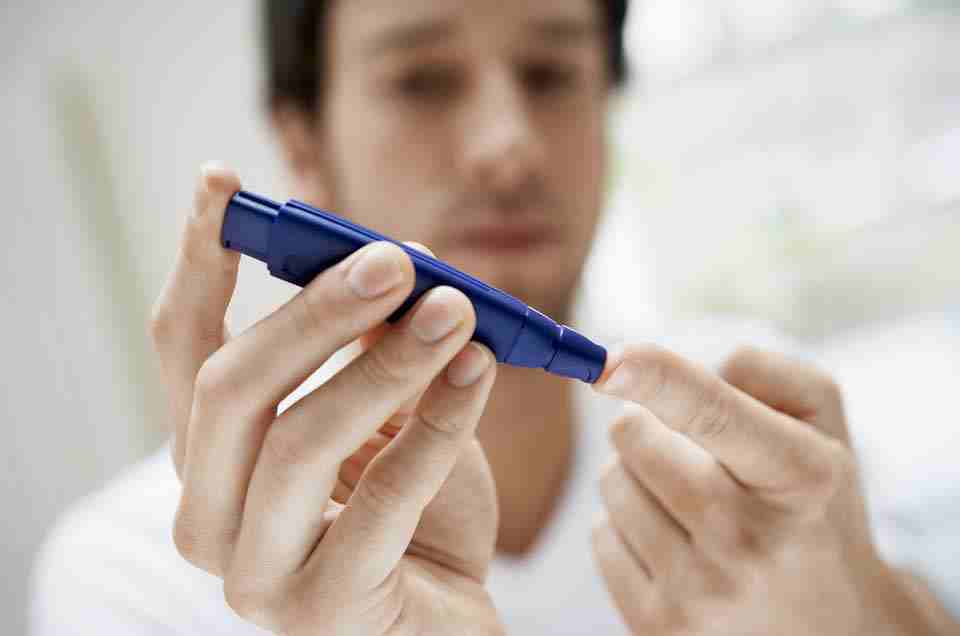
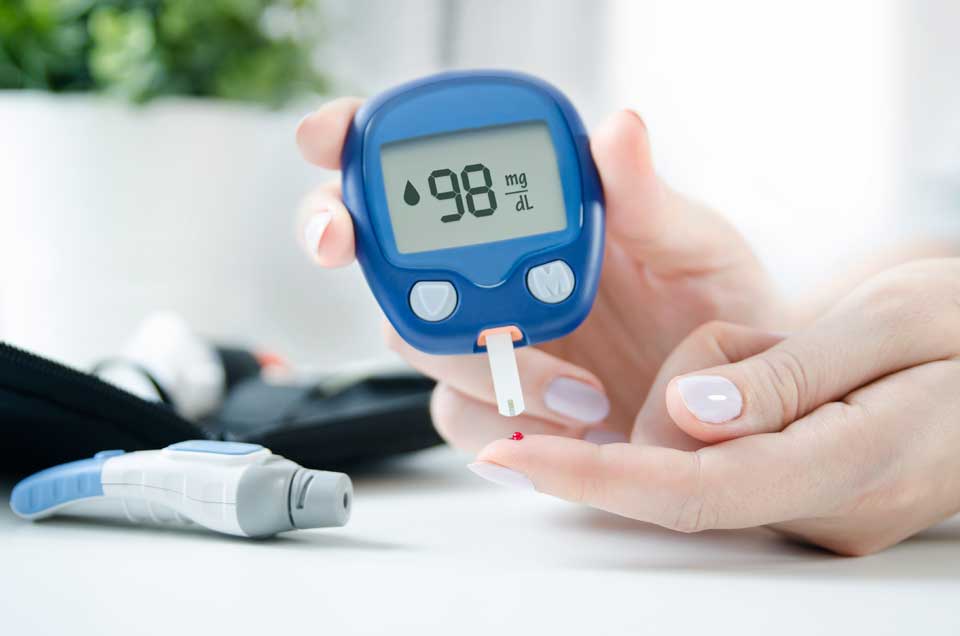
5084It is an experience most people can relate to at some point. You eat a perfectly balanced dinner, you take a brisk walk, and you go to sleep feeling victorious. You wake up the next morning, prick your finger, and stare at the glucometer in absolute disbelief. The numbers are soaring. Yet, when you check your blood sugar after a heavy lunch, it is perfectly normal. It feels like a massive betrayal. You begin to wonder if the machine is broken, or worse, if your body is fundamentally broken.
The reality is much more fascinating, and entirely fixable. Your body is not working against you; it is trying to communicate something very specific about what happens while you are fast asleep.
The Midnight Shift: Why Your Liver Refuses to Sleep
To understand why your morning numbers are chaotic while your daytime numbers are calm, we must look at the body's ultimate night-shift worker: the liver.
During the day, when you eat, your body uses the glucose it needs for energy and stores the excess in the liver. Think of the liver as a pantry. When the pantry is full, it stops accepting deliveries. While you are asleep and fasting, your digestive system rests, but your brain, lungs, and heart still require a steady stream of energy to function.
Around 3:00 AM, the body begins preparing you to wake up. It sends a hormonal wake-up call, a surge of cortisol, adrenaline, and growth hormone. These hormones march over to the liver and instruct it to open the pantry doors and release stored sugar into the bloodstream. This is a brilliant evolutionary mechanism designed to give you the energy to get out of bed and start foraging for food.
However, if you have insulin resistance, the mechanism breaks down. The liver dumps the sugar into the blood, but the cells, which are resistant to insulin, refuse to let the sugar inside. Because you are not eating, no fresh insulin is being released to force the issue. The sugar simply floats in your bloodstream, waiting for you to wake up and test it.
The Tale of Two Spikes: Dawn vs. Somogyi
There are two completely different reasons why this liver dump happens. Knowing which one is occurring in your body is the key to solving the morning puzzle.
The first is the Dawn Phenomenon. This is the standard hormonal surge described above. It is a natural process that is exaggerated by insulin resistance. The liver is simply doing its job a little too enthusiastically, and the cells are too stubborn to accept the energy.
The second, and more dramatic, cause is the Somogyi Effect. This happens when your blood sugar drops dangerously low in the middle of the night. This sudden drop is a biological emergency. The body panics. To save your life from hypoglycemia, it releases a massive dose of stress hormones, ordering the liver to dump every ounce of stored sugar it holds. By the time you wake up, the crisis has passed, but the evidence of the rescue mission is left behind in the form of a massive glucose spike.
The Cortisol Connection: When Stress Becomes Sugar

We cannot talk about morning blood sugar without talking about stress. Cortisol is the body's primary stress hormone. In a healthy body, cortisol levels naturally peak in the early morning to wake you up, and gradually decline throughout the day, reaching their lowest point at midnight.
However, modern life has disrupted this rhythm entirely. We work late, scroll through alarming news on our phones in the dark, and carry financial and emotional burdens to bed. This constant state of hyper-arousal keeps cortisol levels artificially high through the night. Because cortisol's primary job is to elevate blood sugar to give you energy to fight or flee a predator, high nighttime cortisol directly translates to high morning glucose. Your brain thinks you are running from a tiger; your liver provides the fuel for the run. But you are just lying in bed.
Daily Habits Fueling the Morning Spike
Often, the morning number is a result of the choices made the previous evening.
- The Late Dinner: Eating a heavy meal at 9:30 PM means your body is actively digesting and storing sugar precisely when it should be resting. The liver is forced to process this incoming load right when it is scheduled to start releasing its own stores.
- The "Healthy" Bedtime Snack: You might think a bowl of fruit or a glass of milk before bed is a good habit. However, even natural sugars require insulin to process. Eating right before bed keeps insulin levels hovering, which confuses the liver and often leads to an exaggerated dump later in the night.
- Revenge Bedtime Procrastination: Staying up late to reclaim personal time after a busy day disrupts your circadian rhythm. The later you sleep, the more you confuse the hormonal signals that govern glucose release.
The Ayurvedic Perspective: The Overworked Ranjaka Pitta
Traditional Ayurvedic medicine offers a beautiful and highly relevant perspective on this modern problem. In Ayurveda, the liver (Yakrit) is the seat of Ranjaka Pitta, the fiery energy responsible for metabolism, digestion, and the transformation of nutrients.
According to Ayurvedic principles, the hours between 10:00 PM and 2:00 AM are the Pitta time of night. This is when the liver is supposed to perform its deep cleaning, detoxifying the blood and processing the day's intake. If you eat late, or if you are awake and stressed during this window, the liver's energy is diverted from cleaning to digesting. The Pitta energy becomes aggravated and overheated.
When the liver is inflamed and overburdened with Ama (metabolic toxin), it loses its ability to regulate sugar smoothly. The morning spike is viewed as the liver expelling excess, stagnant heat that it could not process during the night.
Solving the 3:00 AM Puzzle
If you want to stop guessing why your liver is dumping sugar, you have to become a nighttime detective. The only way to truly know if you are experiencing the natural Dawn Phenomenon or the panic-driven Somogyi Effect is to set an alarm for 3:00 AM. It sounds exhausting, but doing this for just three consecutive nights will give you the exact answer you need. If you wake up at 3:00 AM and your blood sugar is completely normal or slightly elevated, your body is experiencing the Dawn Phenomenon. The liver is simply waking you up too aggressively. However, if you check your blood sugar at 3:00 AM and it is dangerously low, you are experiencing the Somogyi crash. Knowing this completely changes your strategy. For the Dawn Phenomenon, you need to lighten your evening load; for the Somogyi Effect, you might actually need a small, protein-rich snack before bed to prevent that massive midnight drop.
The Dehydration Illusion
We often forget a very simple law of physics when obsessing over our morning numbers: concentration depends on volume. While you are sleeping for seven or eight hours, you are constantly losing water through your breath and your skin, but you are not drinking anything to replace it. By the time you wake up, you are in a state of mild, natural dehydration. When there is less water in your bloodstream, the sugar that is present becomes far more concentrated. Your blood sugar might not have actually spiked as dramatically as you think; your blood volume has simply shrunk. Drinking a large, warm glass of water the moment you wake up and waiting twenty minutes before testing your blood sugar can sometimes dramatically change the reading, giving you a much more accurate picture of your actual, hydrated glucose levels.
The Oxygen Debt and the Choking Brain
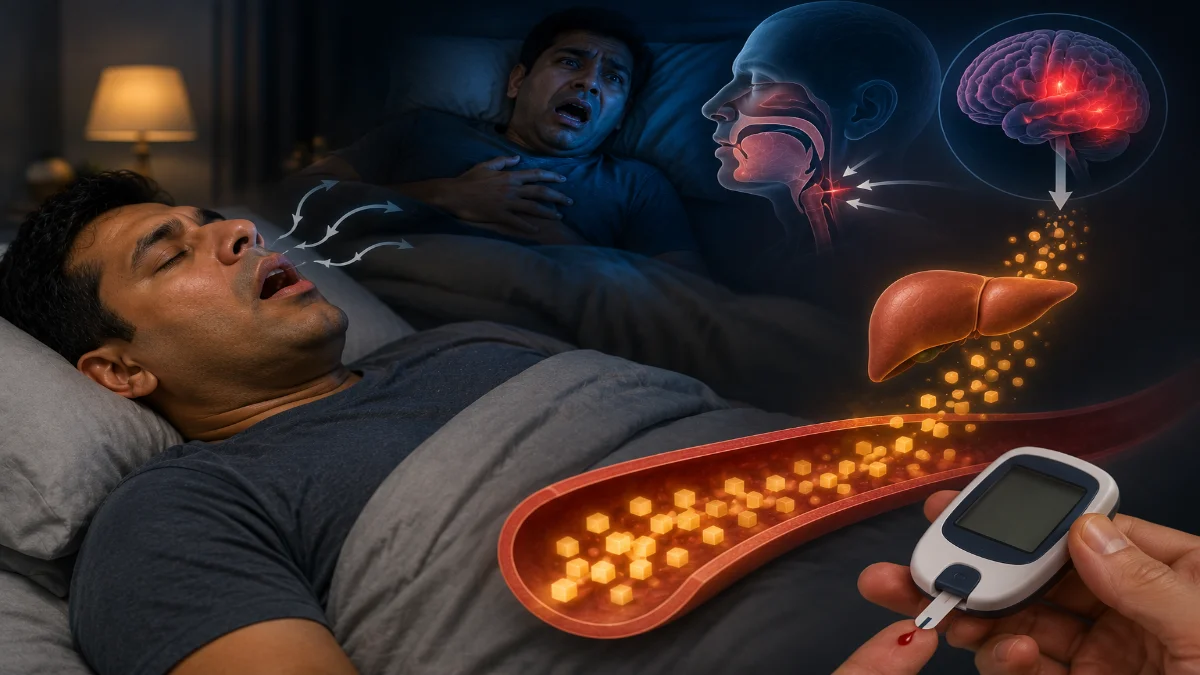
Sometimes the morning spike has nothing to do with what you ate for dinner, but rather how you breathed while you slept. If you snore heavily or suffer from sleep apnea, you are repeatedly stopping breathing for micro-seconds throughout the night. Every single time your brain gets cut off from oxygen, it hits a biological panic button. It releases a massive wave of adrenaline and cortisol into your system to force you to gasp and take a breath. As we already know, cortisol directly commands the liver to release sugar. If you are choking for air a dozen times an hour, your liver is pumping out sugar a dozen times an hour to fuel the emergency. Until you address the airway obstruction and secure deep, oxygen-rich sleep, your morning blood sugar will continue to reflect a nervous system that spent the entire night fighting for its life.
The Evening Stroll: Emptying the Furnace
If the liver is the body's storage pantry, your muscles are the furnace. The fastest way to ensure your liver does not have excess sugar to dump into your bloodstream at dawn is to physically burn through those reserves the night before. However, heavy, exhausting exercise at night will only spike cortisol and keep you awake. The traditional remedy is a simple, twenty-minute post-dinner stroll, historically known in Ayurveda as Shatapavali (the practice of taking one hundred steps after a meal). Gentle, rhythmic walking does not require insulin to push glucose into the muscle cells; the physical contraction of your legs pulls the sugar out of the blood all on its own. By taking a calm walk under the evening sky, you are actively draining the excess sugar from your system, leaving the liver with far less fuel to throw at you the next morning.
Traditional Kitchen Fixes to Calm the Liver

The solution is not necessarily to eat less, but to eat in harmony with your liver's natural rhythm.
- The Sunset Rule: This is perhaps the most powerful intervention. Aim to finish your last meal of the day before the sun goes down, or at least three hours before you go to sleep. This gives your digestive system time to clear the glucose from your bloodstream before the liver begins its night shift.
- The Magic of Methi (Fenugreek): Fenugreek seeds are a staple in traditional Indian medicine for a reason. They are rich in soluble fiber, which slows down the digestion and absorption of carbohydrates. More importantly, they contain an amino acid that has been shown to support the pancreas in releasing insulin more effectively. Soaking a teaspoon of methi seeds in water overnight and drinking the water, along with chewing the seeds, first thing in the morning can help sensitize your cells to the insulin your body is already making.
- Shift the Carb Load: Your body is most equipped to handle carbohydrates when the sun is at its peak, between 12:00 PM and 2:00 PM. This is when your digestive fire (Agni) is strongest. Eat your heaviest, most carbohydrate-rich meal for lunch, and keep dinner light and focused on protein and vegetables.
- Apple Cider Vinegar Before Bed: A tablespoon of raw apple cider vinegar in a warm glass of water right before bed has been shown to reduce fasting morning glucose. The acetic acid alters the enzymes in the stomach, slowing the breakdown of starches and gently lowering the insulin response.
Doctor’s Note
Consistently elevated morning fasting blood sugar levels should never be ignored, even if your daytime readings remain completely normal. A persistent morning spike often signals underlying insulin resistance, nocturnal hypoglycemia (the Somogyi effect), chronic stress, or undiagnosed sleep apnea. Relying solely on self-management without identifying the root cause can lead to unmanaged metabolic complications over time. For an accurate diagnosis, personalized medication adjustments, and safe management, consult an endocrinologist, diabetologist, or qualified healthcare provider promptly.
Conclusion
We spend so much time fearing the morning numbers that we forget to appreciate the brilliant, protective mechanics of our own bodies. Your liver is not broken, and it is not trying to sabotage your health. It is simply an overworked night-shift employee doing exactly what it was designed to do: keeping you alive, fueled, and ready to face the day.
Your soaring morning glucose is a living, breathing message. It is asking you to calm your nervous system before bed; it is begging you to eat in harmony with the rhythm of the sun, and it is reminding you that true metabolic healing does not happen through frustration and force. Listen to your body carefully. Honor the deep, restorative work your liver does in the dark, give your digestion the rest it desperately needs, and remember that a balanced morning always begins the night before.
References:
Fasting Hyperglycemia: What to Know About These High Blood Sugars
Manage Blood Sugar | Diabetes | CDC
10 Surprising Things That Can Spike Your Blood Sugar | Diabetes | CDC
Hyperglycaemia (high blood sugar) - symptoms and management | healthdirect