

 Published on
07 Jul, 2026
Published on
07 Jul, 2026 Updated on 07 Jul, 2026
 5097
5097We have all been there. The clock strikes one in the afternoon, and you finally take a break. You open your tiffin box, quickly eat your packed lunch while scrolling through your phone, and push back from the table. But within thirty minutes, everything goes wrong. A massive wave of exhaustion hits you. Your eyes feel incredibly heavy, your stomach feels tight and bloated, and you find yourself desperately needing a strong cup of coffee just to survive the rest of your workday.
This specific type of discomfort, the classic "post-lunch slump," is incredibly common. It is also one of the most normalised health complaints out there. When your body crashes right after eating your afternoon meal, it is not just a sign that you didn't sleep well the night before; it is a direct physiological protest. Your digestive system is trying to tell you that the fuel you just gave it was either too heavy, too dry, or completely devoid of life.
To finally get rid of that heavy, sleepy feeling and the afternoon bloating, we have to look past our modern convenience foods. We need to decode exactly why your body is reacting this way to your lunchbox, and how we can fix it using simple traditional wisdom.
The Ayurvedic View: Matching Your Inner Fire
Your digestion is not just mechanical; it's a fire, according to Ayurveda. This digestive fire (Agni) is also at its strongest, most intense, and hottest in the middle of the day, when the sun is at its peak in the sky around midday.
Because your digestive fire is so strong at lunchtime, Ayurveda recommends that this should be the heaviest, most nourishing meal of your entire day. Your body is perfectly primed to break down complex foods and turn them into lasting energy.
So, why do we feel so terrible after we eat? The problem usually comes down to how we pack our tiffins. We tend to pack foods that actively extinguish this beautiful digestive fire.
The Three Tiffin Traps
Before we talk about what to pack, we have to look at the everyday habits that are secretly ruining your digestion at work or school:
- The Cold Food Trap: Taking a box of cold pasta or a chilled salad directly from the office fridge and eating it straight away is like throwing ice water onto a burning campfire. Cold foods instantly shock your system, shrink your digestive tract, and cause immediate bloating.
- The Dry Food Trap: We love packing dry, easy-to-carry foods like sandwiches, wraps, or crackers. But in Ayurveda, dry and rough foods increase the Vata dosha (the energy of air and space). When you eat a dry sandwich without any warm moisture, it creates trapped gas and makes your intestines feel stiff and cramped.
- The Stale Food Trap: Food has a natural life force, or Prana. When you cook a heavy meal the night before, put it in the fridge, and then reheat it in a plastic box in the microwave the next afternoon, it loses all its life force. It becomes heavy, dead food that your body struggles to push through its system.
Simple, Ayurveda-Approved Tiffin Ideas
You don't have to get up hours before the feast to cook a huge complicated meal. The key elements of traditional eating are simplicity, warmth, and the right spices. If you are a tiffin connoisseur, here are three simple and satisfying tiffin recipes that will keep you in good spirits, rather than drained.
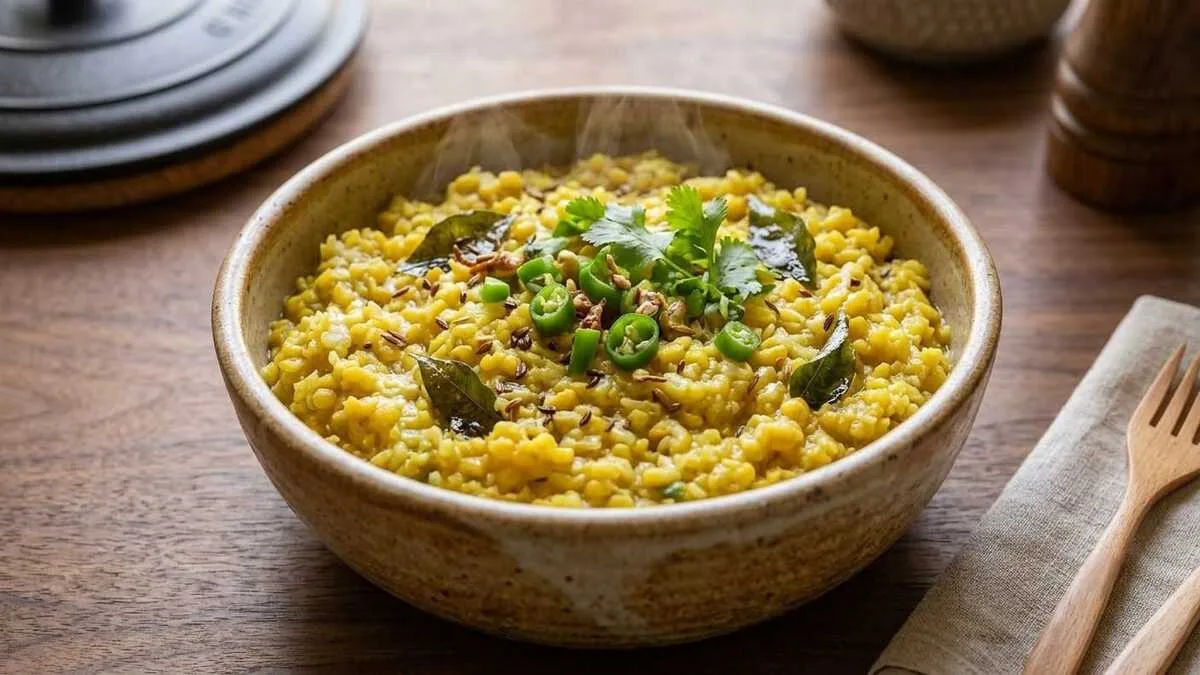
- The Ultimate Balancer: Moong Dal Khichdi
Khichdi is much cherished in almost every house of the country. Very easy to prepare. Equal parts of white rice and split yellow moong dal are cooked together until fully soft and mushy, and tempered with a generous spoonful of pure ghee, cumin seeds, turmeric, and a pinch of asafoetida (hing).
- What Does It Do for You? Khichdi is basically a warm, soothing hug for your stomach. It is a complete protein, but because the rice and dal are cooked down so thoroughly, your stomach barely has to do any work to digest it. The ghee provides deep lubrication to your intestines, preventing any gas or bloating, while the turmeric heals internal inflammation.
- Who Should Pack This? This is the ultimate tiffin for a day when you are feeling stressed, anxious, or recovering from a stomach bug. Stress completely shuts down your digestion. When your mind is racing at work, a warm thermos of khichdi gives you lasting energy without forcing your stressed body to work hard to digest it.
- The Classic Sustainer: Roti, Soupy Dal, and Sabzi
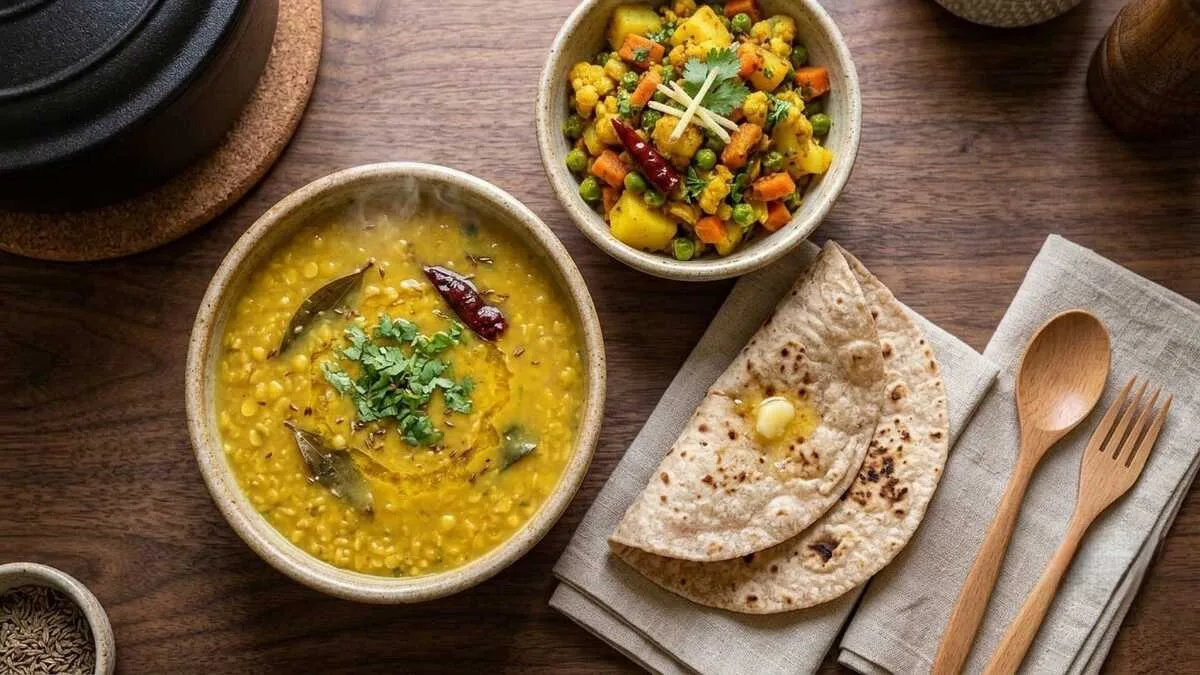
This is a traditional Indian lunch for a very good reason. But the secret is in the texture. This tiffin is based on moisture rather than a dry, stiff roti and a dry, oily vegetable. Include a pair of soft rotis stuffed with ghee, a thermos bottle of hot watery dal (thin masoor or toor dal), and a simple, lightly spiced seasonal vegetable such as bottle gourd (lauki) or zucchini.
- What Does It Do for You? This blend is ideal for a balance of carbohydrate, protein and essential fats. It is the soupy dal and ghee that's important here. The liquid from the dal ensures that the food moves smoothly through your digestive tract, while the ghee acts as a carrier, pulling the fat-soluble vitamins from the vegetables deep into your body's tissues.
- Who Should Pack This? This is perfect for someone who has a long, physically or mentally demanding day ahead. It is heavy in a good way. It grounds you, completely satisfies your hunger, and provides a slow, steady release of energy that will easily carry you through to the evening without a sugar crash.
- The Light and Savory: Spiced Poha or Upma
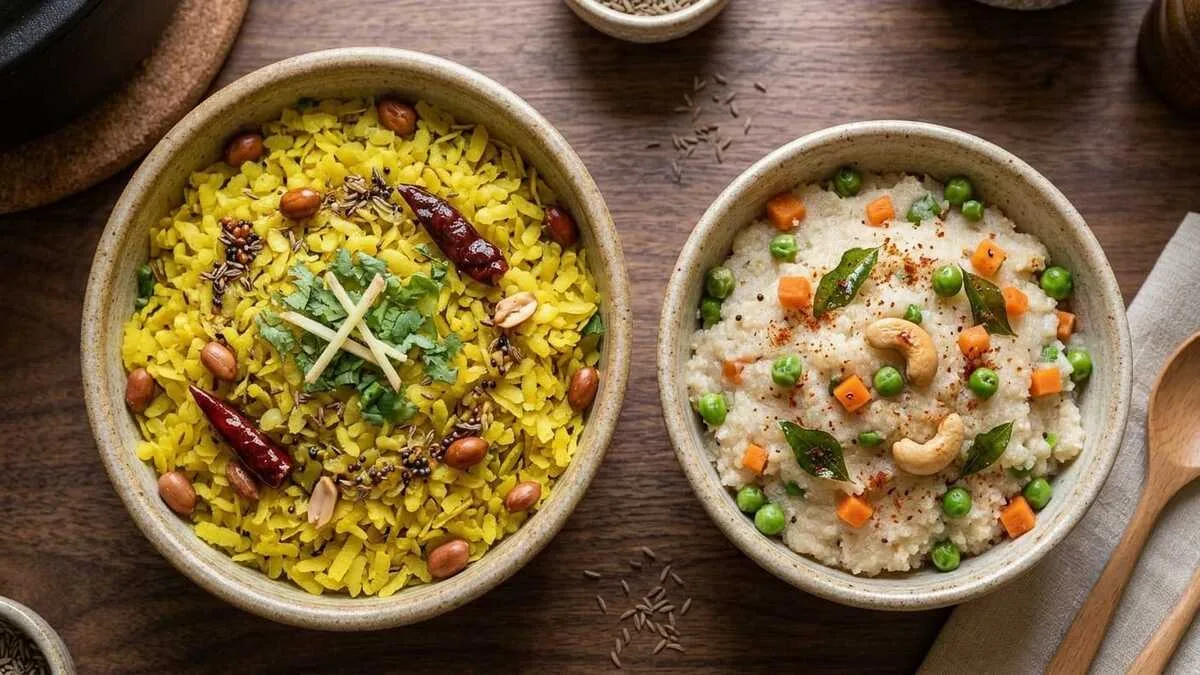
In case you don't need a bulky lunch, flattened rice (poha) or roasted semolina (upma) is a great choice. They need to be cooked with ample moisture and healthy fats to make them truly digestion-friendly. They can be cooked in ghee or cold-pressed mustard oil, followed by mustard seeds, fresh curry leaves, grated carrots, and green peas, topped with a few green peanuts and a spritz of fresh lemon juice.
- What Does It Do for You? Because poha is flattened and upma is roasted, the grains are essentially pre-digested, making them incredibly light on the stomach. The fresh lemon juice provides a hit of Vitamin C and stimulates your stomach acids, while the curry leaves work beautifully to prevent acidity and heartburn.
- Who Should Pack This? If your stomach feels heavy from the night before, or if you sit at a desk all day and do not get much physical movement, this is the tiffin for you. It satisfies the appetite without overloading the system, keeping you bright, alert, and light on your feet.
Doctor’s Note: Ideal dietary practices may differ from person to person; if someone is suffering from a medical condition or is on medication, please consult your healthcare provider before making any changes in your food intake.
Simple Daily Habits for Your Tiffin Routine
Packing it is one thing; eating it is also important. Changing what you pack is a great start. Here are 4 practices that will make a huge difference to how your packed lunch is handled:
- Invest in a good insulated thermos: Stop relying on the office microwave, which repeatedly reheats food. Pack your lunch in a high-quality, insulated steel box that keeps your food hot from the morning until lunch. Warm food is the number one rule for good digestion.
- Carry a piece of ginger: Around 15 minutes before you open your tiffin, chew on a tiny piece of fresh ginger with a pinch of rock salt. It is a very old practice that acts like a matchstick, instantly kicking your digestive fire into high gear so it is ready to process your meal.
- Step away from the screen: Your gut acts like a "second brain." When you eat while typing emails or staring at a stressful spreadsheet, your body stays in a state of tension and shuts down your digestive juices. Take your tiffin to a quiet room or outside. Just focus on chewing your food.
- Sip warm water, not cold: Keep a separate flask of warm water at your desk. Taking tiny sips of warm water during your meal helps melt the food and pushes it down the digestive tract smoothly. Never drink ice-cold water with your tiffin, as it will instantly freeze the fats you just ate.
Conclusion
We do not need to look for fancy, imported superfoods or expensive pre-packaged salads to stay healthy during the workday. Our grandmothers already figured out the best ways to keep us energised, focused, and free of digestive pain.
Traditional, warm, home-cooked tiffins have survived the test of time because they actually work with our bodies, not against them. You don't have to follow a strict diet to feel good. Listen to your body. Pack something light like poha when you feel sluggish. Bring a comforting thermos of khichdi when you are stressed. And always remember to eat your food warm, chew it slowly, and give your body the actual rest it needs to digest. Stay nourished, eat well, and enjoy the beautiful feeling of a happy stomach!
References:
50 Foods That Are Super Healthy
Healthy eating, nutrition, and diet | National Institute on Aging