 Published on
26 Jun, 2026
Published on
26 Jun, 2026 Updated on 26 Jun, 2026
 5111
5111Most of us view our personal health through a deeply fragmented lens. We step on the scale in the morning to check our weight. We use a drugstore cuff to monitor our blood pressure. We get an annual blood test to look at our fasting glucose or cholesterol. If the scale goes up, we assume we have a diet problem. If our blood pressure spikes, we assume we are just dealing with too much stress at work.
We treat our bodies like a collection of completely separate machines. Even resort to completely new mechanisms in order to repair them. Your diabetes is managed by an endocrinologist. A cardiologist is a doctor who treats the heart. A nephrologist may be referred to you when your kidneys begin to have a problem.
However, human biology doesn't operate in isolation. All components are connected. The blood is pumped by the heart. The kidneys excrete it. The metabolism is the source of the total operation. One shouldn't be broken without causing serious damage to others.
Recently, the medical establishment officially recognised this interconnected reality in a massive way. Leading national cardiology and health organisations released landmark joint guidelines defining a newly recognised, systemic health threat. It is called Cardiovascular-Kidney-Metabolic syndrome. CKM for short.
This is not just a new medical acronym. It is a fundamental shift in how doctors are being told to diagnose and treat chronic illness. The days of treating obesity, kidney disease, and heart failure as completely unrelated, bad-luck events are over. They are not separate diseases. They are deeply connected chapters of the exact same story.
The Biological Domino Effect
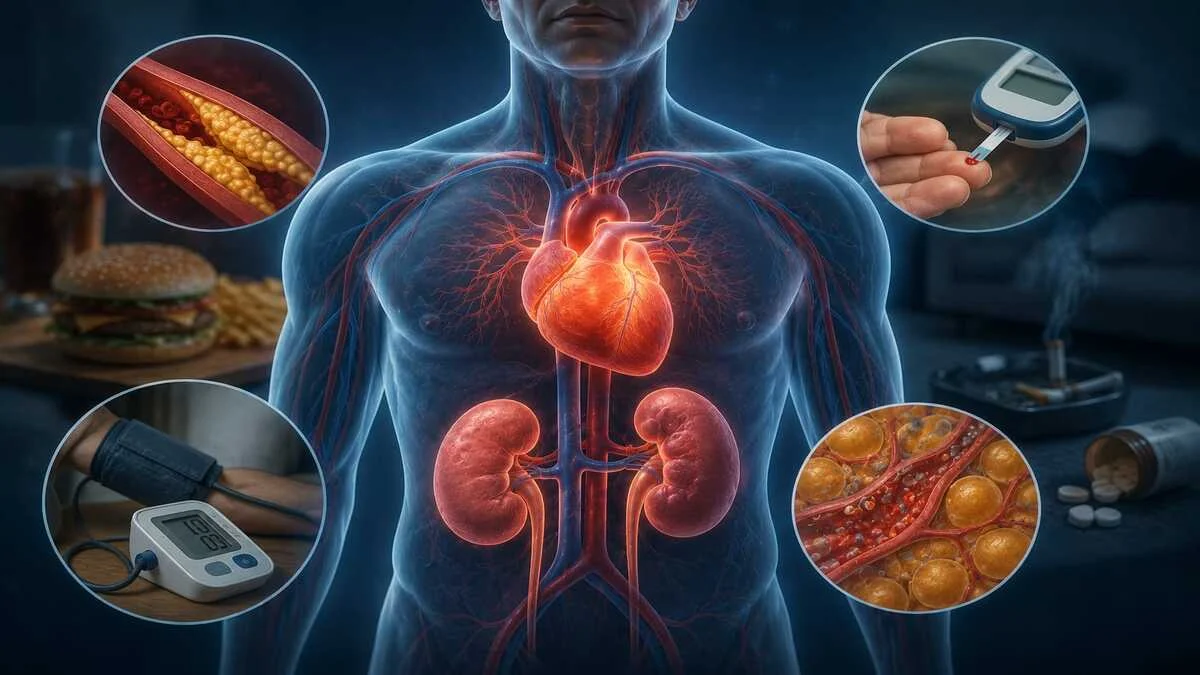
To understand why CKM syndrome is such a massive breakthrough, you have to look at the sheer physics of the human body. The metabolic system, the cardiovascular system, and the renal system form a tight, biological tripod. You knock out one leg. The whole structure collapses.
Let's take a closer look at how the dominoes fall. It's almost always a metabolic problem. An individual becomes fat in the middle of his/her body. They become insulin-resistant. Their blood sugars remain high and steady all the time. Extra glucose does not sit around harmlessly. It works as a microscopic sandpaper against the inside of the blood vessels.
This damage is most severe in the delicate, tiny filters of the kidneys. As they age, they develop scars. They cease to efficiently filter waste. Most importantly, they begin to fail in filtering the fluid effectively. If the kidneys are unable to clear the excess water from the body, the amount of blood in the body will suddenly increase.
Your heart is suddenly forced to pump a much heavier load of liquid through narrowed, stiffened pipes. Blood pressure skyrockets. The heart muscle thickens to handle the extra workload. Eventually, it weakens under the immense, chronic strain.
It is a biological chain reaction. The root cause was metabolic. The collateral damage was renal. The final, fatal blow was cardiovascular. By officially classifying this process as CKM syndrome, the medical community is finally urging doctors to look at the whole picture before the final domino drops.
The Four Stages of Systemic Decline
CKM syndrome does not happen overnight. It sneaks up on you! It takes years to develop and is sometimes decades in coming. These new medical guidelines have divided this progression into four stages, so that the patients can recognise the threat much earlier than the hospital visit is called for.
- Stage 1: The Silent Start. This is the earliest phase of the syndrome. A person might be carrying excess weight. They might be officially classified as obese. They might have prediabetes. That is it. Most people in Stage 1 feel completely normal. They have no obvious symptoms. They go to work. They play with their kids. Because the warning signs are so incredibly subtle, this stage is almost always overlooked.
- Stage 2: The Clinical Warning Lights. The risk factors become officially diagnosable. The prediabetes crosses the line into full Type 2 diabetes. Blood pressure is consistently high. Cholesterol panels come back with glaring red numbers. Early-stage kidney disease might begin to show up on lab tests. The body is starting to complain. Symptoms at this stage include persistent fatigue. Increased thirst. Unexplained weight changes. You might find yourself waking up multiple times a night to urinate.
- Stage 3: The Hidden Wear and Tear. The metabolic and kidney stress has now reached the cardiovascular system. Damage to the heart or blood vessels has actively begun, even if you haven't had a major cardiac event yet. Symptoms are easy to dismiss as "just getting older." You might notice a sharp reduction in your exercise capacity. You get winded climbing a single flight of stairs. You might feel occasional, brief chest discomfort. The pipes are clogging. The pump is struggling.
- Stage 4: The Crisis Point. This is the most advanced, dangerous stage. Cardiovascular disease is no longer a future risk. It is a present reality. Individuals in Stage 4 have usually suffered a heart attack. They may have had a stroke. They might be battling congestive heart failure, atrial fibrillation, or severe peripheral artery disease. The symptoms are loud and undeniable. Chest pain. Severe breathlessness. Heavy swelling in the feet and lower legs.
Holistic Convergence: Ancient Wisdom Meets Modern Science
Interestingly, this massive shift in modern clinical guidelines perfectly mirrors the foundational principles of ancient holistic medicine. Western science is finally putting hard clinical data behind thousands of years of traditional philosophy.
There is a profound logic in how an Ayurvedic lifestyle approaches these exact systemic issues. Ayurveda has never separated the heart, the kidneys, and the metabolism. It views the body as a deeply connected ecosystem. In this tradition, chronic disease almost always begins with the Agni, or the metabolic fire. When the digestion and metabolism become sluggish, often due to poor diet, chronic stress, or sedentary habits, the body produces Ama. This is a heavy, toxic, stagnant energy.
This slowness doesn't just remain in the tummy. It passes through channels in the body and ends up in the unhealthy and hard-working organs, such as the heart and kidneys. An Ayurvedic approach focuses on the mental component of eating, the natural timing of food intake, and the use of powerful, warming herbs to fire the digestive fire, in a bid to correct the metabolic cause. It treats the soil. Not only does it paint the drooping foliage. Modern science, with its name CKM syndrome, and ancient practitioners, under the name metabolic stagnation, are just two different tongues that speak the same truth. Stress management, deep sleep, and a diet of whole foods are the greatest medicines in the body.
Changing the Prescription Pad
Already, doctors' prescription-writing is changing because of the recognition of CKM syndrome. Traditionally, the treatment for high blood pressure has been a blood pressure pill. If you have high blood sugar, you were prescribed a diabetes pill.
Now, the medical focus is on treating the entire ecosystem at once. The new guidelines heavily emphasize therapies that multitask. Doctors are increasingly turning to medications like GLP-1 receptor agonists and SGLT2 inhibitors. These aren't just weight loss or blood sugar drugs. They have been proven to simultaneously protect the kidneys from scarring and shield the heart from failure. In more severe cases, metabolic and bariatric surgeries are being recommended much earlier, not just for weight management, but to slam the brakes on the entire CKM progression.
The Power of Catching It Early
The most important takeaway from these new guidelines is a message of genuine hope. Yes, the connection between these organs is incredibly serious. But the slow timeline of CKM syndrome is actually your biggest advantage.
It's not too late to make a difference at any stage of the process, not just Stage 4. The good news is that the early symptoms of the syndrome can definitely be slowed down, as the syndrome progresses over such a long period. In many instances, stages 1 and 2 can be prevented or even completely reversed.
It takes listening to the small voices that speak before they become loud screams. Avoid overlooking chronic fatigue. A mild increase in blood pressure shouldn't be dismissed as a one-time occurrence. Request full blood panels, including a test on your kidneys, along with your cholesterol.
Your heart, your kidneys, and your metabolism are locked in a lifelong conversation. Make sure you are finally listening to what they are saying to each other.
References:
Health as Complete Well-Being: The WHO Definition and Beyond - PMC
Western Connecticut State University - Institute for Holistic Health Studies