 Published on
22 Aug, 2026
Published on
22 Aug, 2026 Updated on 22 Aug, 2026
 5070
5070Salt is a necessary part of our food because it makes food taste better. Without salt, food is so plain, but salt also comes in different types like Normal salt, regular salt, and pink salt (Himalayan salt ). Now, which form of salt is better for you?
Walk into a grocery store today, and you may find different types of salt: regular table salt, Himalayan pink salt, sea salt, and other special varieties of salt. Pink salt in particular has become popular because it looks natural and is often promoted as mineral-rich and a healthy choice.
Does Pink Colour Mean it's Healthy?
pink salt also called himalayan salt, this salt is similar to normal salt it is chemically similar to regular table salt but it is less processed and contains small amount of minerals like potassium, magnesium and Calcium and we can call it are raw form of salt because pink salt lacks iodine but it is popular in health conscious kitchens and is often marketing marketed as purest salt available in the market, also this salt mined near himalyan in pakistan and also some part of the punjab also, remember that pink salt is less processed than table salt and may contain nutrients and minerals.
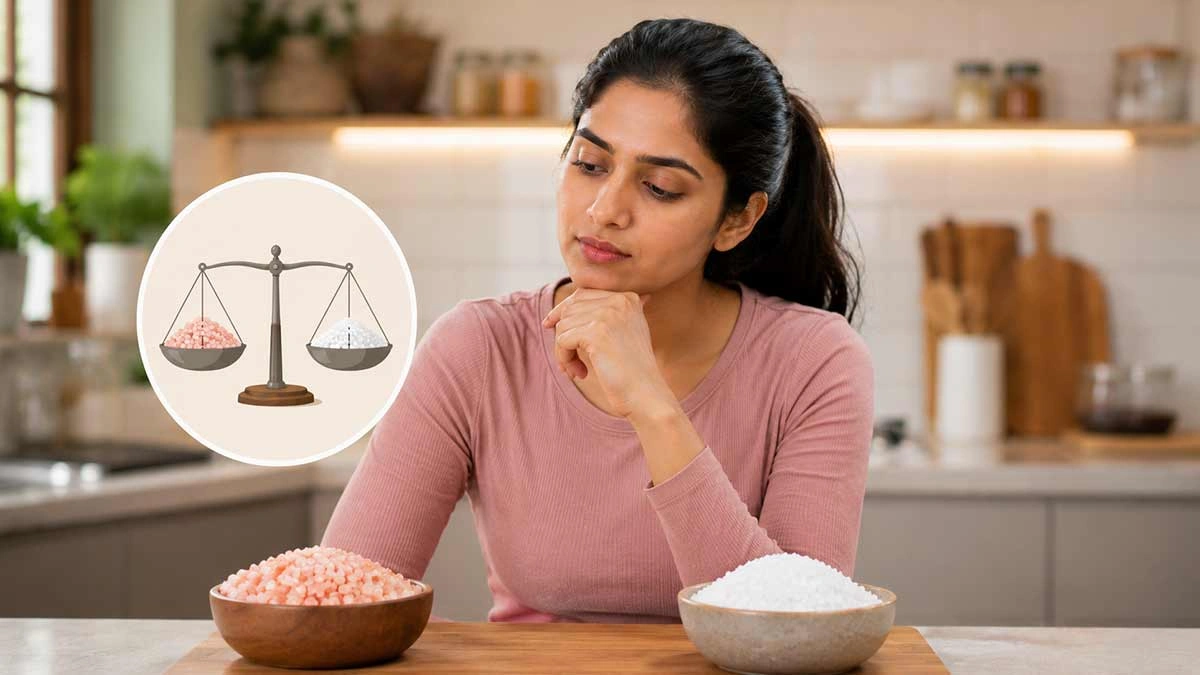
Normal salt vs Pink salt
- White salt or normal salt is also known as table salt. Table salt also goes through a refining process to remove impurities and any other minerals besides sodium chloride. Also, an element called iodine is added to it its mainly refined as sodium chloride (NaCl). In the process of extraction, most of the natural minerals get removed, leaving behind almost pure Sodium Chloride. Later, iodine is added to the salt.
- While pink salt is chemically the same as table salt, it is less processed and contains small amounts of minerals like potassium, magnesium, and calcium. White and pink salt differ in content. But pink salt is lower in iodine; that's the main difference, but it's still marketed as the purest form of the salt on the market.
Here are the key differences
White salt
- Prevention of iodine deficiency disorder.
- Affordable and accessible
- Ideal for cooking use
- Ideally Helpful for thyroid balance
Pink salt
- Natural, rich in potassium, magnesium, and calcium
- Less processed
- Enhanced flavour naturally
- Ideal for occasional use and marketed as the purest form of the salt
Minerals in Himalayan or Pink salt
Here is the list of the minerals in the pink salt.
Sodium and Chloride: Make up about 98% of the total crystal weight.
Potassium: Helps keep fluid and electrolyte levels normal.
Magnesium: Supports muscle and nerve function.
Calcium: Builds strong bones and teeth.
Iron: Gives the salt its pink hue when oxidized
Sodium: Maintains volume in a specific quantity of salt but a little lesser then the normal salt. Likewise, 1 gram of pink salt consists of about 368 mg of sodium, and normal salt consists of about 381 mg of sodium.
Possible Symptoms that your body is lacking SALT
Consuming high salt is also harmful for you, but a lack of salt (hyponatremia) can lead to these symptoms
Consuming high salt can also lead to these symptoms
High intake of salt or iodine is also dangerous for your body because of
- High blood pressure
- Kidney damage
- Heart disease
- Hyperthyroidism
- Thyroid gland disruption
So it's very important to understand these signs and try to balance out the food, nutrition, spices, and intake of the eatables, drinks, etc. Everything has its own consequences of consuming it in high or low amounts; the human body is meant for balanced forms.
Why does your body need salt?
Salt is an important component of your body and your bloodstream, including your tears, semen, urine, sweat, etc. Also, salt is very helpful for water retention in your body and prevents your body from dehydration, maintaining a level of hydration in your body, and also makes your body free from diseases or symptoms like (goitre, BP problems, headache, etc ) that you face due to a lack of iodine and sodium.
The Bottom line
Pink salt has all the basic salt traits, but it should not be used daily for cooking because pink salt may be a bit trendy, while white salt is kind of basic; both have the same categories of elements, but pink salt seems to be more natural. Normal iodised salt is general usage item in daily cooking; hence. Both consist of roughly 98% sodium chloride. While pink salt contains trace minerals like potassium, magnesium, and calcium, their quantities are far too small to provide any real nutritional benefit. Because the balance of anything you consume is really necessary, if you feel something is not good for your body or are facing any of the above given symptoms then its neceessay to consult a health professional.