 Published on
31 Jul, 2026
Published on
31 Jul, 2026 Updated on 31 Jul, 2026
 5075
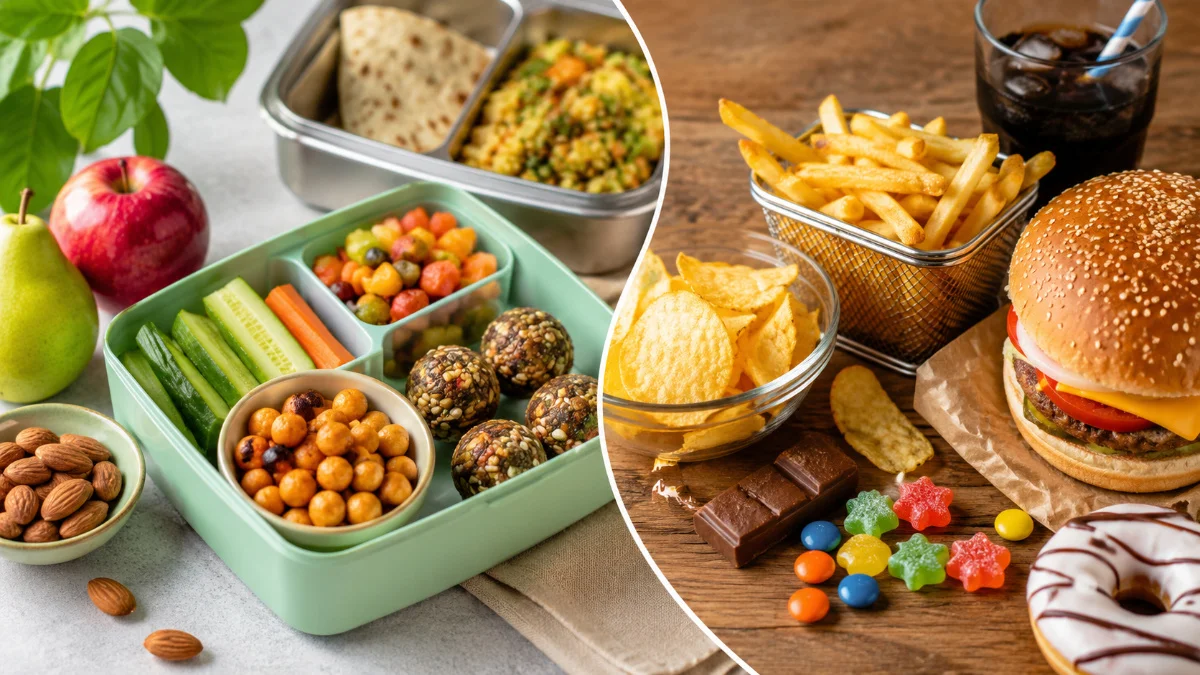
5075The Maharashtra FDA has recently made it mandatory for schools to regulate the selling and promotion of junk foods such as chips, soft drinks, beverages, pizzas, hamburgers, and French fries, which are rich in fat, sugar, and salt content. This measure intends to instill healthy eating habits in children and alleviate the rising problem of childhood obesity and related health issues.
Whereas the above initiative is specifically meant for schools, it gives parents another chance to think about the food items being consumed at home on a day-to-day basis. Switching from processed food to healthy food does not necessarily imply compromising on taste but implies using fresh and nutritious ingredients.
Why Are Homemade Foods a Better Choice?
A great number of snack products are designed to be convenient, but in the context of their unhealthy composition, which includes high amounts of sugar, salt, unhealthy fat, and carbohydrates. Regular consumption of such foods can lead to overeating calories and a lack of nutrition.
- In opposition to processed snacks, home-cooked meals have many advantages:
- You control the quality of the ingredients you use.
- Portion size is easy to control.
- You can add grains, fresh veggies, fruits, legumes, and healthy fats to your meals.
- There are fewer preservatives and other additives in them.
From the perspective of Ayurveda, freshly cooked food is preferable because of better digestibility in comparison to old food.
Healthy Homemade Alternatives to Popular Junk Foods
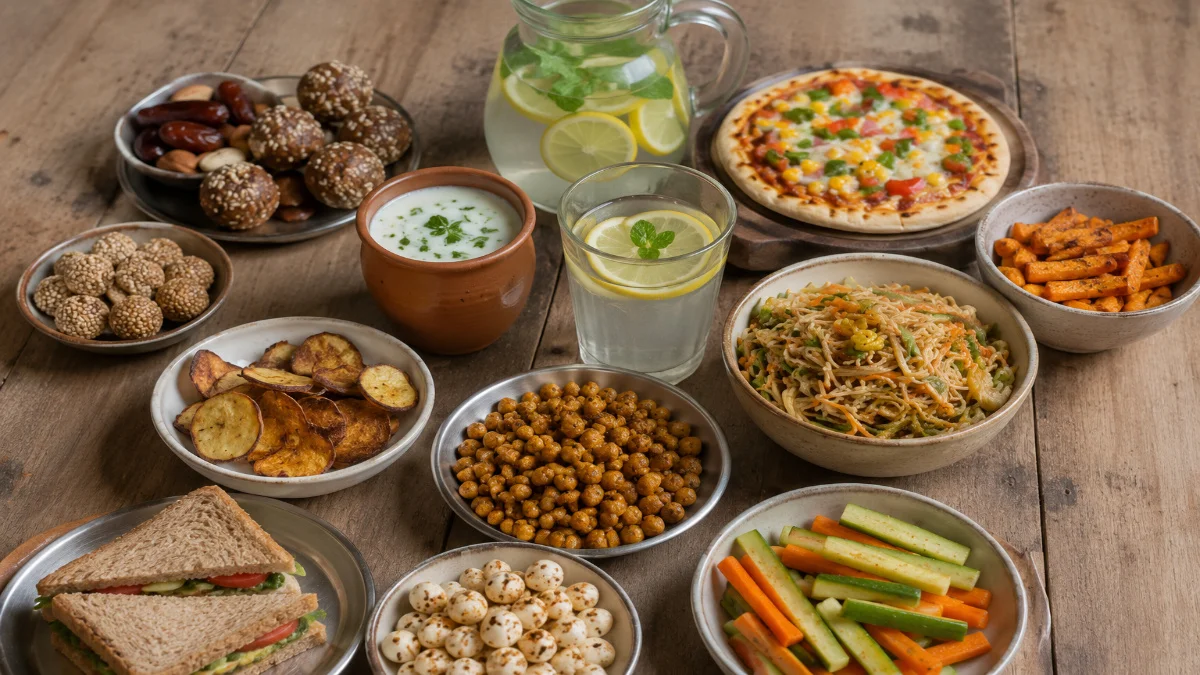
Instead of Potato Chips
- Pick one of the following:
- Roasted makhana
- Roasted chana
- Sweet potato chips baked in the oven
- Air-fried vegetable chips
They have fibre and contain less bad fat compared to deep-fried, packaged chips.
2. Instead of Soft Drinks
Select:
- Lemon-infused water
- Coconut water
- Homemade buttermilk (chaas)
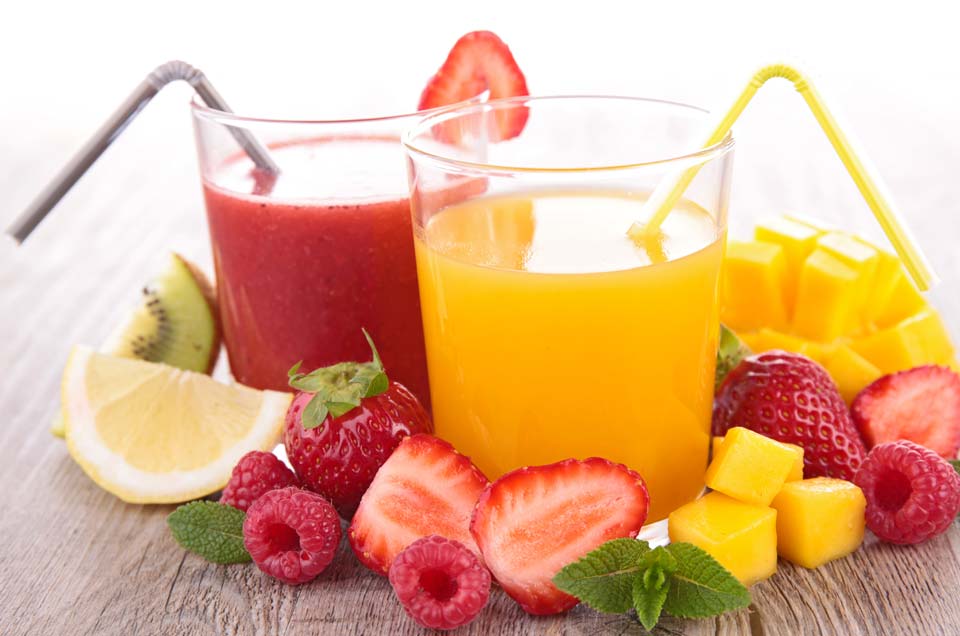
- Sugar-free fruit-infused water
They all contribute towards keeping kids hydrated without the added sugar in regular soft drinks.
4. Instead of Pizza
Select:
- Homemade whole wheat vegetable pizza
- Pizza made from millet and fresh toppings
- Paneer and vegetable sandwich on whole-grain bread
The homemade variety allows the parents to limit the quantity of cheese, salt, and processed sauces while adding vegetables.
5. Instead of Burgers
Select:
- Whole wheat veggie burgers
- Homemade paneer burgers
- Chickpea/rajma burgers
Including veggies and whole grain buns in your burgers will make them healthier.
6. Rather than French Fries
Choose:
- Sweet potatoes baked into wedges
- Potato wedges roasted with herbs
- Vegetable sticks air-fried
This will give the same taste and texture while using fewer calories.
7. Rather than Instant Noodles
Choose:
- Vegetables sevai
- Whole wheat noodles prepared with vegetables
- Home-made vegetable poha
The addition of vegetables and protein-rich foods makes it a more filling option.
8. Rather than Chocolates and Candies
Choose:
- Dates with nuts stuffing
- Sesame laddoos made at home
- Energy balls made of dry fruits
- Fruits with yogurt
All the above options are healthier alternatives.
Lunchbox Ideas That Kids Will Enjoy
Making your kids’ lunchbox healthy need not be difficult. Some of the simple items can be:
- Vegetable Poha with Peanuts
- Moong Dal Chilla with Mint Chutney
- Idli with Coconut Chutney
- Stuffed Vegetable Paratha with Curd
- Paneer Vegetable Sandwich
- Sprouts Salad with Seasonal Fruits
- Millet Upma with Vegetables
- Roasted Makhana with Fruits
A varied lunchbox with multiple textures and tastes can attract kids.
Small Changes Can Make a Big Difference
Healthy eating practices take time to develop. Rather than going from zero to hero instantly, parents can slowly introduce homemade snacks in place of processed snacks.
Some useful tips include the following:
- Have healthy snacks ready before you start your hectic weekdays.
- Engage the kids in shopping and preparing their food.
- Make healthy snacks and fruits readily available.
- Drink fewer sugar-laden drinks and increase consumption of water.
- Eat processed snacks only once in a while and not regularly.
When the entire family is following the same procedure, then kids would be encouraged to lead a healthier life.
 Ayurveda's View on Everyday Eating
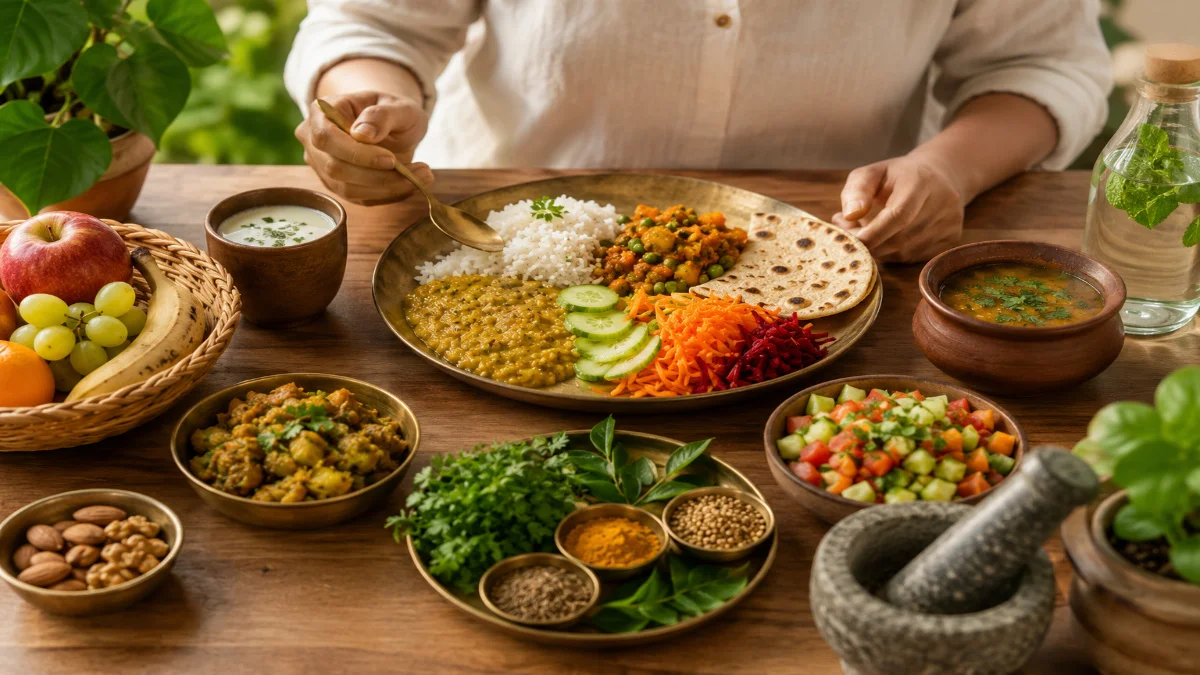
Ayurveda focuses on maintaining balance and not restrictions. Seasonal, freshly made, and unprocessed foods have been advised in traditional practices as an element of healthy living. Eating on a regular schedule, proper chewing of foods, and no snacking are also considered beneficial for digestion.
Though occasional indulgence is allowed in a healthy diet, an overreliance on packaged foods may limit the consumption of nutritious foods required by the developing body of the child.
The integration of traditional eating practices with contemporary nutrition guidelines will help families adopt healthy practices without imposing restrictions on foods.
The Bottom Line
The initiative taken by the FDA of Maharashtra is an indication that the eating habits of children are created at home itself. Although schools can influence the creation of better eating environments, parents have the maximum contribution in determining the eating habits of the children.
The simple homemade recipes which include roasted makhana rather than chips, buttermilk rather than soft drinks, fruits rather than packaged juices, and homemade whole wheat pizzas rather than fast food, will definitely add to the betterment of the daily diet of children.
Healthy eating does not involve completely giving up favorite foods. Rather, it includes making sensible choices.