 Published on
03 Jul, 2026
Published on
03 Jul, 2026 Updated on 03 Jul, 2026
 5097
5097We tend to treat our refrigerators like magic time machines that press the pause button on our food. While it is incredibly convenient, especially on busy weekdays, relying on fridges for preserving our food also creates a false sense of security. We think that as long as our leftovers are cold and haven't grown fuzz, they are safe to eat or drink. But the cold doesn't stop food from degrading; it just hits the slow-motion button.
Eating days-old food might not give you severe food poisoning, but it takes a quiet toll on your body. Have you ever eaten a reheated meal and felt inexplicably heavy, uncomfortably bloated, or just drained of energy an hour later? We often blame it on eating too much or having a weak stomach, when the real culprit is the age of the food itself. The longer it sits, the harder your body has to work to process it.
The Big Refrigerator Myth
A very common misconception is that the cold temperature inside a fridge kills bacteria. It doesn't. Refrigeration simply puts bacteria in slow motion. They don't die; they just grow at a much slower pace. If you keep cooked food in there for too long, those bacteria continue to multiply. Worse, some bacteria create toxins that do not go away even when you reheat the food in the microwave. So, while safe storage is helpful, it is absolutely no substitute for actual freshness.
How Your Body Reacts to Old Food
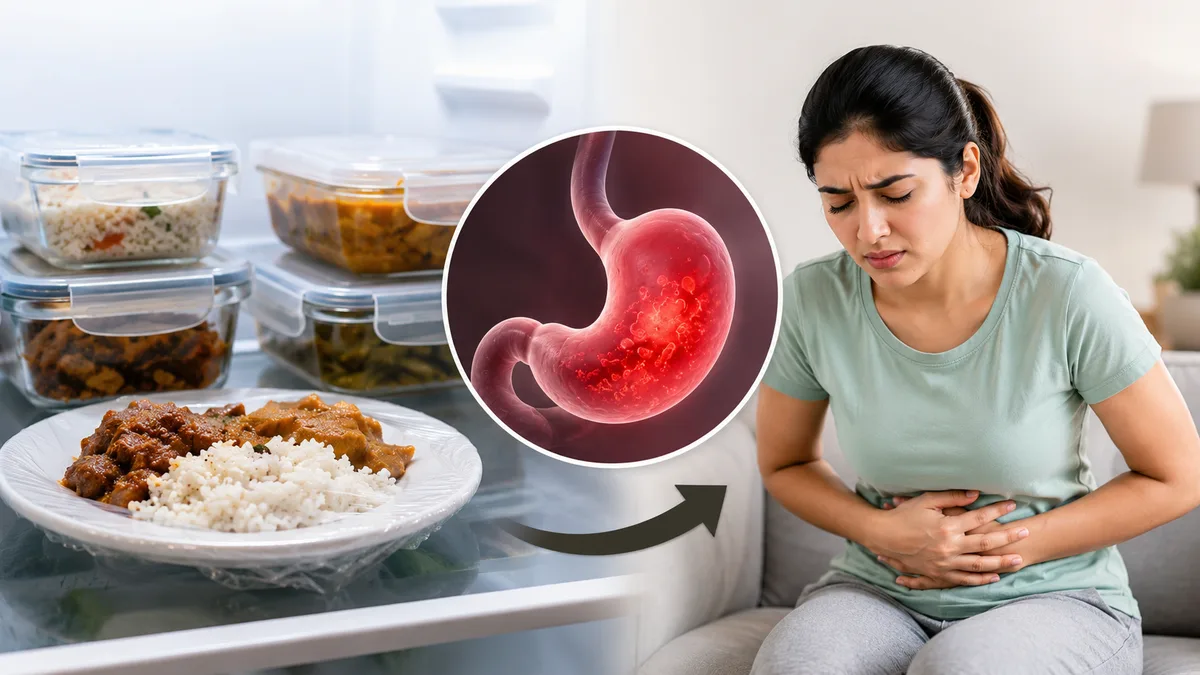
When food sits in the fridge for days, its natural oils start to go bad, the texture changes, and the nutrients fade away. When you eat this, your body has to work overtime to process it. You might not always get full-blown food poisoning, but your stomach will let you know it is unhappy.
You might easily brush these symptoms off, but watch out for:
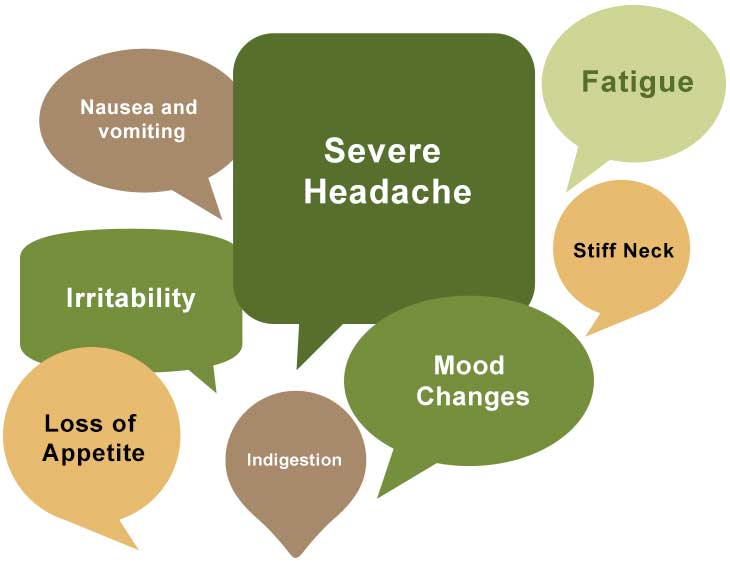
- A sudden feeling of nausea or loss of appetite.
- Bloating and stomach pain.
- Too much gas or acid in the body.
- In some cases, patients may even experience diarrhea or vomiting.
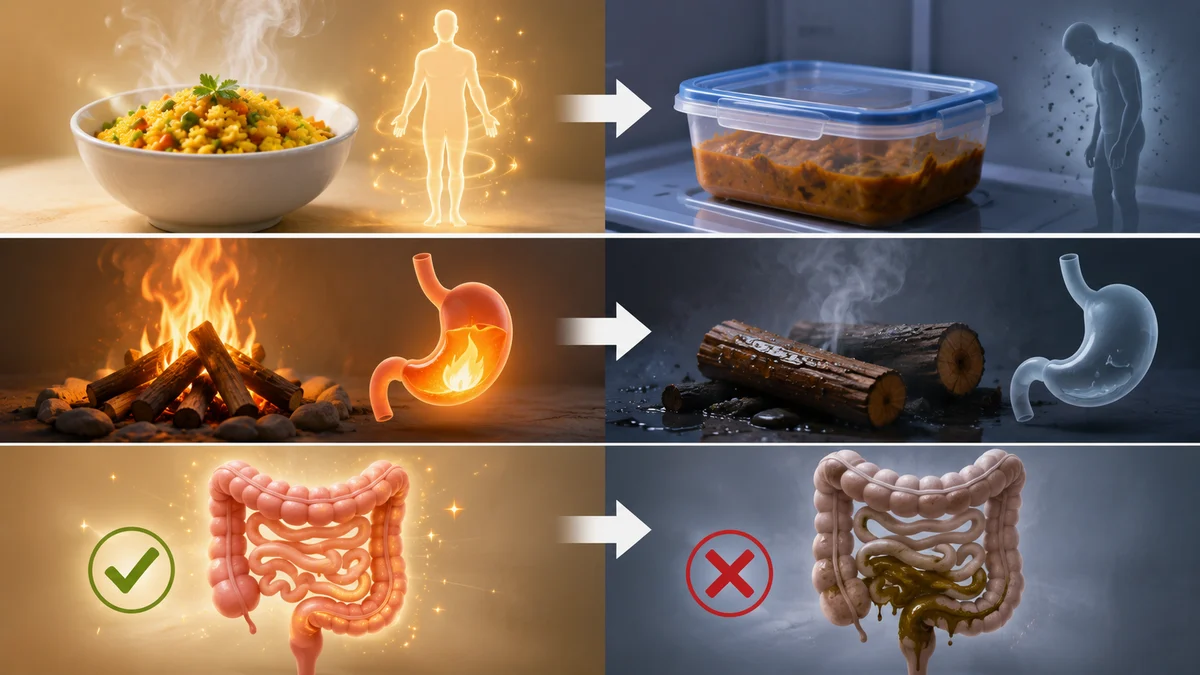
The Ayurvedic View: Dead Weight and Sticky Sludge
While modern science focuses on the bacteria growing in that leftover container, but Ayurveda looks at something deeper: how that food actually impacts your core energy and digestion.
Here is the Ayurvedic breakdown, minus the confusing jargon:
- Missing the Spark (Prana): Freshly cooked food is full of Prana, or life energy. When you eat it, you feel instantly vibrant and light. But when you cook a meal, shove it in a cold fridge, and microwave it three days later, that natural spark is gone. The food becomes "dead weight." Sure, it stops your hunger, but it doesn't actually nourish your cells.
- Dampening the Fire (Agni): Think of your digestion as a campfire (Agni). Fresh, warm meals act like dry firewood, they keep the flames burning bright and strong. Eating cold, stale, or repeatedly reheated leftovers is exactly like throwing wet logs onto that fire. It smothers the flames, which is why you often feel so heavy, sluggish, and ready for a nap after eating old food.
- The Sticky Sludge (Ama): This is where the real trouble starts. Because your internal fire is smothered, it can't fully process that heavy, old food. Instead of turning into usable energy, the food breaks down into a sticky, toxic residue known as Ama. Over time, this sludge builds up in your gut, clogging up the works and leaving you with that constant, stubborn feeling of bloating, constipation, and deep fatigue.
Foods That Spoil Faster Than You Think
Some leftovers are much riskier than others. Even if they are in the fridge, you need to be extra careful with:
- Cooked Rice & Dal (Lentils): These hold a lot of moisture and are perfect breeding grounds for bacteria.
- Dairy Products: Milk, cream-based curries, and paneer can go bad very quickly.
- Cut Fruits & Veggies: Once their natural skin is broken, they lose their freshness and invite germs fast.
- Seafood and Poultry: These carry a very high risk of foodborne illness if stored too long.
Signs It Is Time to Throw It Away
Food won't always announce that it has gone bad. If you notice any of these warning signs, do not risk it:
- A sour, stale, or slightly "off" smell.
- A weird, slimy texture on the surface.
- Containers that have puffed up (this means bacteria are releasing gas inside).
- Any strange separation of liquids or color change.
The Golden Rule: When in doubt, just throw it out. A bowl of leftover rice is never worth a painful stomachache.
Simple Rules for Safe Leftovers
You don't have to throw your fridge away! Just follow these friction-free kitchen habits to keep your gut safe:
- The 2-Hour Rule: Put leftovers in the fridge within two hours of cooking. Don't leave them sitting on the stove all night.
- Use Airtight Containers: This keeps moisture in and fridge bacteria out.
- Reheat Only Once: Only take out the portion you actually plan to eat. Heating and cooling the entire pot of food multiple times is a recipe for disaster.
- The 2-to-3 Day Limit: Try to eat your leftovers within a couple of days. After that, the quality and safety drop drastically.

Ayurvedic Tips to Recover from a Heavy Stomach
If you ate something old and your stomach feels heavy, sluggish, or upset, don't panic. Ayurveda offers simple ways to gently restart your digestive fire without reaching for harsh medicines:
- Sip Warm Water: Keep a thermos of warm water and take small sips throughout the day. This acts like hot water on dirty dishes; it helps flush out that sticky Ama.
- Eat Very Light: Skip heavy, fried meals for the rest of the day. Stick to something simple, warm, and soupy, like a light Khichdi (rice and mung beans).
- Use Kitchen Spices: Boil some ginger, cumin, or fennel seeds in water and drink it like tea. These common kitchen spices are magical for soothing an upset stomach and reducing trapped gas.
- Take a Short Walk: A gentle 10-minute walk after eating helps stimulate your digestion naturally.
When You Need to See a Doctor
Most of the time, a minor stomach upset from old food will pass in a day or two with light food and rest. But you should never ignore severe red flags.
If you experience a high fever, extreme stomach pain, bloody diarrhea, dizziness, or if you cannot keep any liquids down for more than 24 hours, stop reading and go see a doctor immediately.
Conclusion
Refrigerators are fantastic, convenient tools, but they shouldn't change the way we view our food. Good health starts long before you take a bite; it begins with making thoughtful choices in the kitchen.
While saving leftovers is great for busy days, try to make fresh, warm, lightly cooked meals your standard everyday routine. Fresh food does more than just stop your hunger; it naturally fuels your body, keeps your digestive fire burning bright, and makes you feel truly alive. Take care of your gut by choosing freshness whenever possible, and your body will absolutely thank you for it!