 Published on
25 Jul, 2026
Published on
25 Jul, 2026 Updated on 25 Jul, 2026
 5066
5066For as long as we can remember, women have been told a very common lie: "Period pain is completely normal. You just have to deal with it."
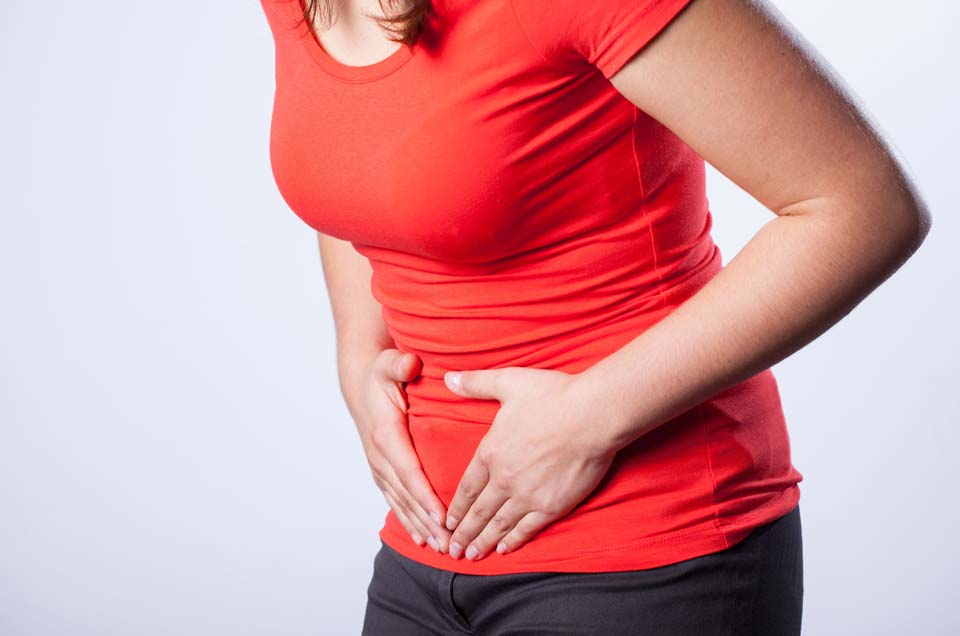
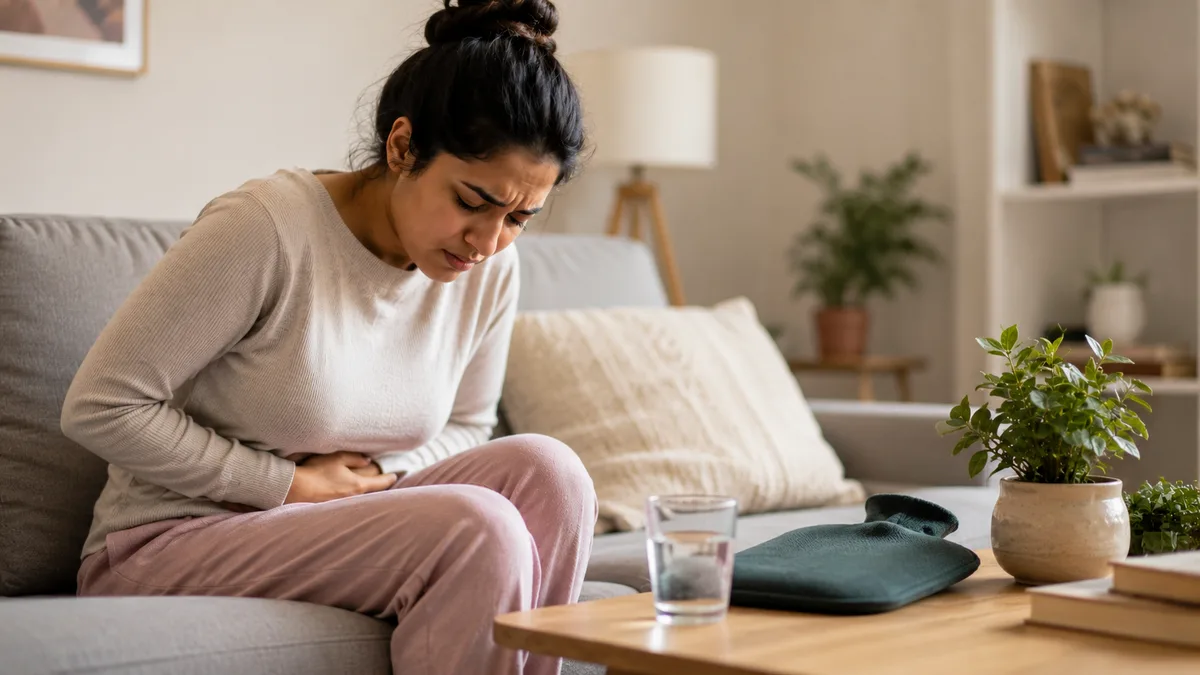
Having mild cramps or feeling a little tired during your period is perfectly fine. But being in so much pain that you cannot get out of bed, having to skip school or work, or eating strong painkillers every single month just to survive the day? That is absolutely not normal.
If your period pain stops your life, your body is waving a red flag. One of the biggest, most ignored reasons for this kind of severe pain is a condition called endometriosis.
What Is Endometriosis?
Every month, the inside of your uterus grows a soft lining of tissue. When you don't get pregnant, this lining breaks down and leaves your body as period blood.
In endometriosis, tissue that acts exactly like this lining starts growing outside the uterus. It can grow on your ovaries, behind your uterus, or on your bowels. Now, when your monthly cycle happens, this outside tissue also bleeds. But unlike normal period blood, this blood has no way to leave the body. It gets trapped inside your belly.
This trapped blood causes heavy swelling, severe irritation, and painful scars. Strangely, the pain doesn't always match the disease. A woman with just a few tiny spots of this tissue might be in unbearable pain, while a woman with a lot of it might barely feel a thing.
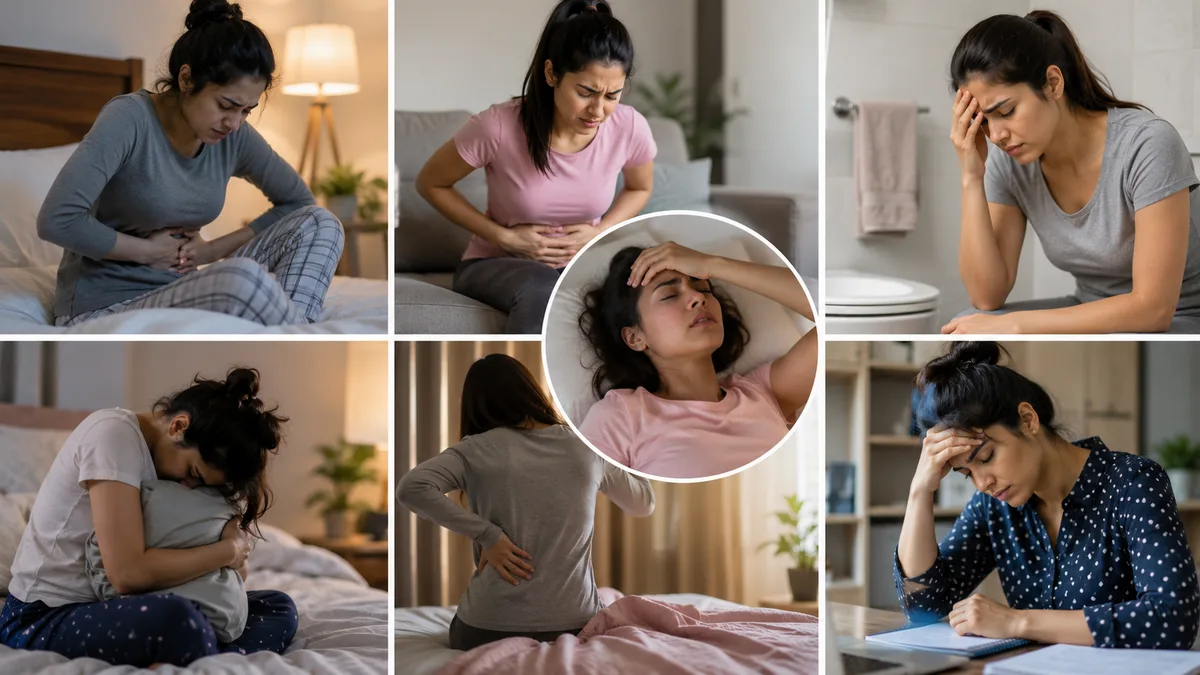
Signs and Symptoms That Should Never Be Ignored
Every woman’s body is different, but you should never just sit and suffer in silence. Watch out for these major warning signs:
- Killer cramps: Cramps that totally mess up your whole day and won’t subside despite the use of a hot water bag.
- Unending abdominal pain: Pain in the pelvic region that even occurs before your peridos begin or after your periods end.
- Excessive bleeding: You find yourself constantly changing sanitary pads or having very long periods.
- Bathroom pain: Severe pain when you urinate or defecate during your menstrual days.
- Intimacy pain: Severe pain that occurs during intimate activities with your partner.
- Aching back: Dull pain in your lower back extending down your legs.
- Extreme tiredness: Feeling totally wiped out and exhausted all the time.
- Pregnancy struggles: Finding it very difficult to get pregnant.
These symptoms do not just hurt your body; they mess with your mood, your work, and your relationships.
Why Endometriosis Is Often Diagnosed Late?
One of the saddest things about this disease is how long it takes to find it. Many girls start having terrible pain when they are teenagers. But because society tells them that "periods are supposed to hurt," they just stay quiet. It can take up to seven or eight years for a woman to finally get the right diagnosis.
Why does this happen?
- We have normalized women's pain too much.
- The symptoms look different for every single woman.
- It easily looks like a regular stomach bug or a digestive issue.
- Many women just feel too shy to talk openly about their bleeding and pain.
Finding out early is incredibly important because it stops the disease from getting worse and helps you manage the pain much faster.
The Ayurvedic View of Painful Periods
Ayurveda does not see your period as an annoyance. It sees it as a monthly health report card. A truly healthy period should come and go easily, without making you miserable.
When you have severe pain, Ayurveda says your body’s natural energies (called Doshas) are out of balance.
- The Role of Vata: Vata is the controller of movement in the body. When you take too much stress, skip meals, or stay up late, it gets imbalanced. An imbalance of Vata causes sharp, twisting cramps, heavy bloating, and irregular periods.
- The Influence of Pitta: Pitta is the controller of energy and heat. If you have too much heat in your body, your period will come with burning pain, heavy bleeding, skin breakouts, and a lot of anger or irritability.
- Kapha and Congestion: Kapha is the controller of water and earth. When it is out of balance, everything slows down. You will feel heavy, completely exhausted, sluggish, and depressed during your cycle.
An Ayurvedic doctor looks at your whole life, your food, your sleep, and your stress, to figure out exactly which energy is causing your pain.
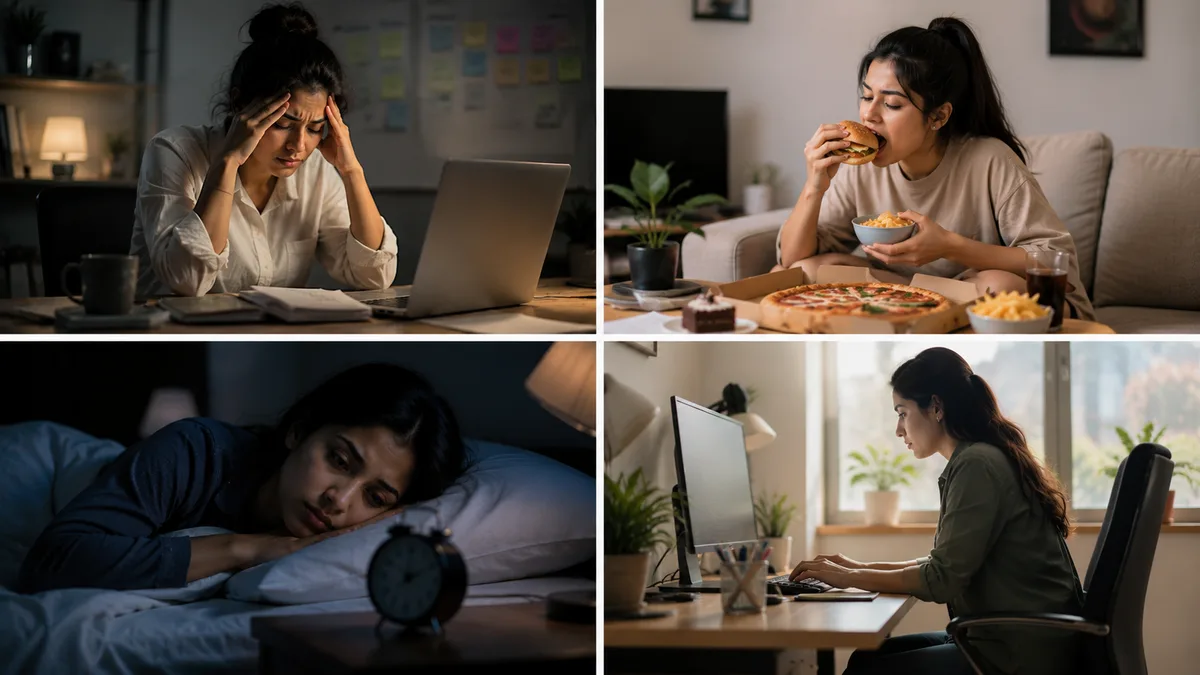
Possible Contributing Lifestyle Factors
There can be a possible lifestyle that can contribute to this condition:
- High Stress: When you take a high level of stress, this directly affects your body, which in turn results in hormone imbalance in your body and makes you feel the pain much more sharply.
- Bad Eating Habits: Eating highly packaged junk food, skipping lunch, or eating meals at midnight destroys your digestion. In Ayurveda, bad digestion is the root cause of almost every disease.
- Poor Sleep: Your body heals its swelling and scars while you sleep. If you are only sleeping four hours a night, your body never gets the chance to repair itself.
- Sitting All Day: If you sit in a chair from morning to night, the blood flow to your lower belly slows down. This makes your muscles tight and causes more cramps.
Doctor’s Note
Severe period pain is not normal and may indicate endometriosis. While Ayurveda manages this through diet and lifestyle changes to balance Doshas, do not rely solely on home remedies. Seek immediate medical help for debilitating pain, worsening cramps, or unusually heavy bleeding.
Ayurvedic Approaches That May Support Overall Well-being
Ayurveda does not believe in a "one-size-fits-all" pill. The treatment changes depending on who you are. A good doctor might suggest:
- Personalized Herbal Mixes: They will give you natural herbs designed just for your body type to calm the swelling. Never buy random herbs online; always get them from a real doctor.
- Panchakarma: This is a deep-body detox. For some women, doctors use these therapies to clean out the trapped waste and balance the energies.
- Dietary Changes: You will be asked to eat warm, fresh, home-cooked food that digests easily, so your stomach doesn't have to work too hard.
- Daily Routine: Going to sleep at the same time every night and eating your meals on a strict schedule brings deep peace to your nervous system.
Foods That May Support Menstrual Health
What is on your plate matters a lot when you are in pain. Eating the right foods can cool down the fire inside your belly.
Try to eat more of these:
- Warm, comforting soups and dals.
- Fresh, colorful vegetables like carrots, spinach, and bottle gourd.
- Whole grains like brown rice and oats.
- Healthy fats from soaked almonds, walnuts, and seeds.
- Lots of warm water to keep you hydrated and flush out toxins.
Try to strictly avoid deep-fried foods, heavy sweets, cold drinks, and packaged chips. These foods create sticky waste in your body that makes cramps so much worse.
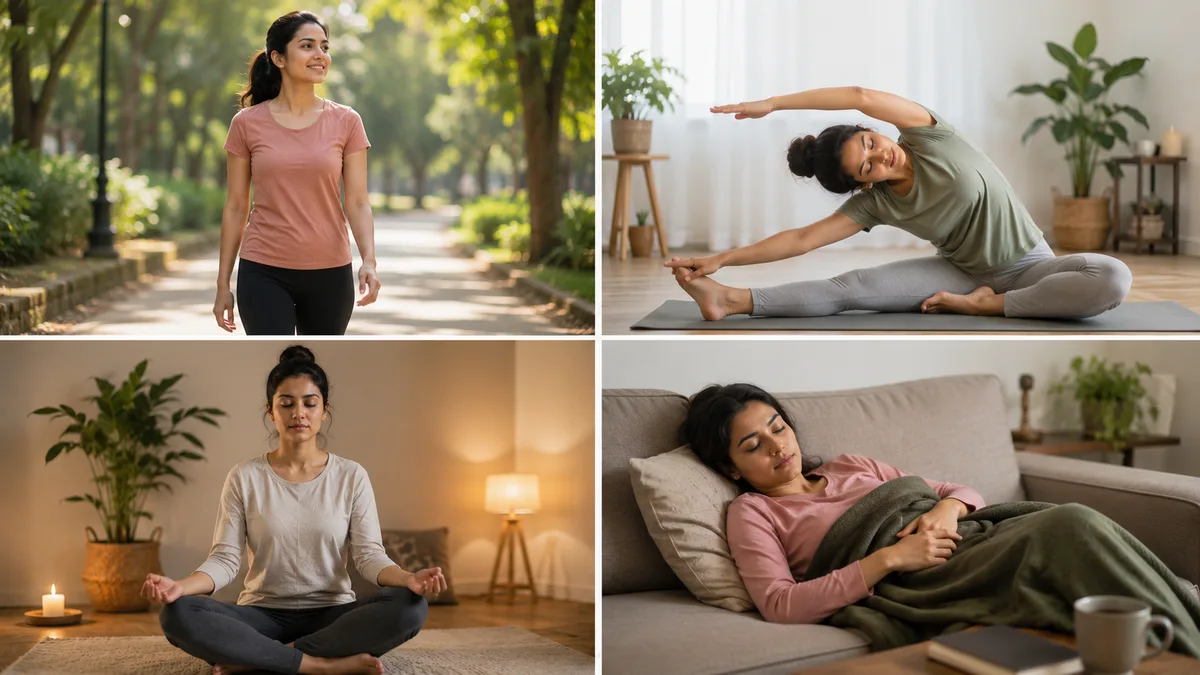
Lifestyle Practices That Can Make a Difference
Small, easy habits can change how you feel every month.
- Gentle Movement: You do not need to go to the gym and lift heavy weights. A simple, 20-minute walk in the fresh air keeps your blood flowing nicely.
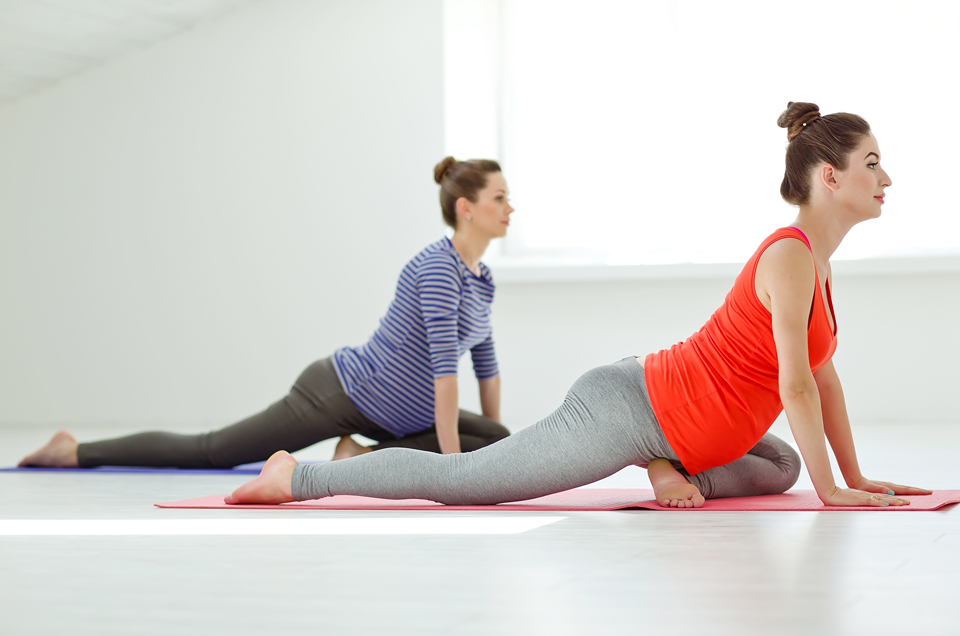
- Yoga and Stretching: Simple yoga stretches open up the tight muscles in your lower back and belly, giving you great relief from cramps.
- Stress Management: Take ten minutes a day to just sit quietly and breathe deeply. Keeping your mind calm automatically relaxes your tight stomach muscles.
- Rest and Recovery: Your body is doing hard work during your period. Do not push yourself to be a superhero. It is completely okay to take a nap, rest on the couch, and just take things easy.
When You Should Consult a Doctor
Do not rely only on home remedies if things are serious. You must visit a doctor if:
- Your pain stops you from going to the office or school.
- Normal painkillers from the pharmacy do absolutely nothing for you.
- Your pain is getting worse month by month.
- Your bleeding is incredibly heavy.
- You feel pain even when you are not on your period.
Final Thoughts
It is time to realize that just because you are a woman does not mean you have to endure pain in silence every month. Feeling a slight pain is acceptable, but feeling in excruciating pain is definitely not.
Endometriosis is a disease that adversely affects your physical, psychological, and personal well-being. Listen to what your body says and consult a doctor at the earliest. In Ayurveda, we learn that you can create a wonderful, painless life for yourself if you eat correctly, sleep properly, reduce your stress, and get the necessary help when required.
Pain is how your body communicates with you. Please do not neglect it. Pay attention to it and heal accordingly.
References
Endometriosis - StatPearls - NCBI Bookshelf
Endometriosis | Office on Women's Health
Endometriosis | Endo | MedlinePlus
Endometriosis: Epidemiology, Diagnosis and Clinical Management - PMC