 Published on
22 Jul, 2026
Published on
22 Jul, 2026 Updated on 22 Jul, 2026
 5071
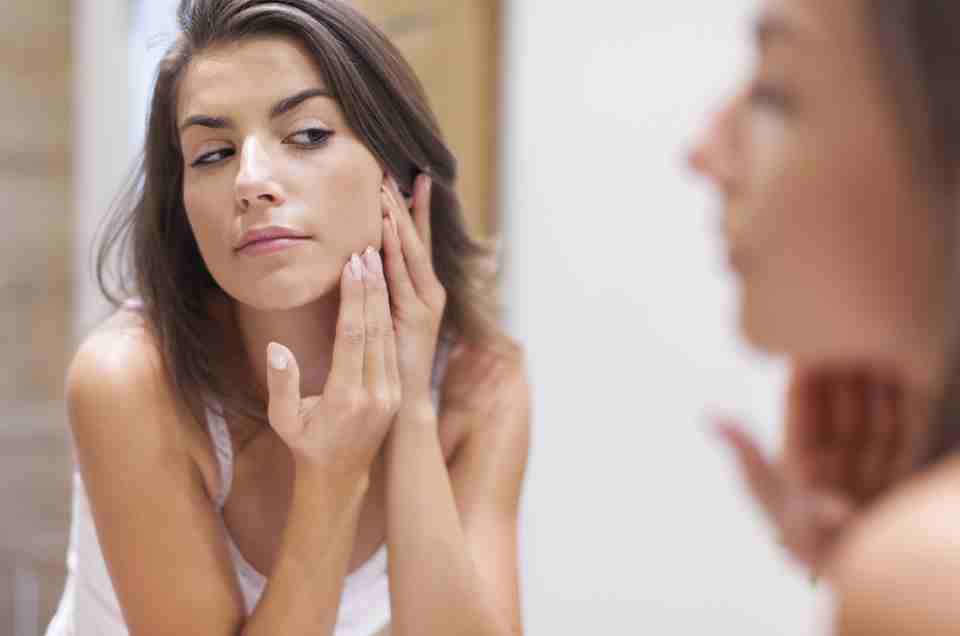
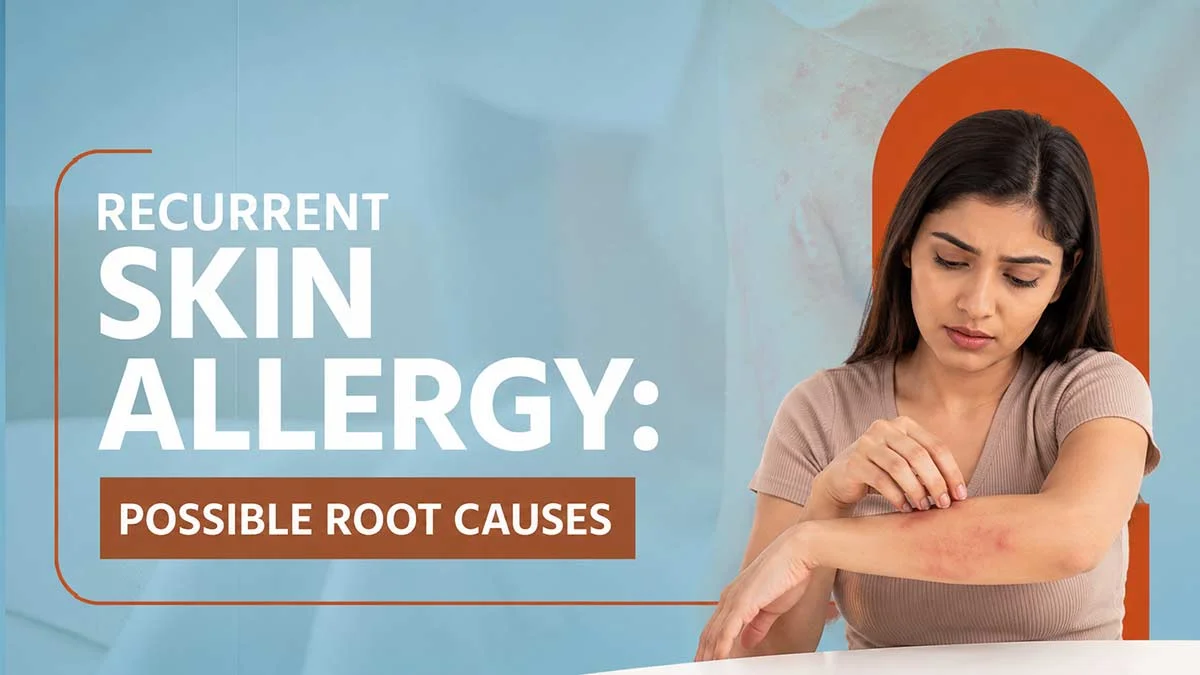
5071Most of us have faced this situation or seen our loved ones go through it. You wake up with a sudden patch of red, itchy hives on your arm, or perhaps a rough, weeping rash on your neck. You rush to the pharmacy, buy a strong steroid cream, and diligently apply it for a week. Like magic, the rash disappears, and you breathe a sigh of relief.
But exactly two weeks later, the exact same rash flares up again, often angrier and itchier than before. You buy a stronger cream, switch your laundry detergent, and change your body wash, but the frustrating cycle continues.
The exasperation of battling recurrent skin allergies, no matter how many topical ointments you use, leaves thousands of people completely baffled every year. If the skin is clean and you aren't touching anything poisonous, what exactly is happening to cause these eruptions? Let us break it down simply using the timeless wisdom our grandmothers relied on long before hydrocortisone creams existed.
Surface Symptom vs. Deep Toxicity
Before we talk about how to calm your skin down, we have to clear up a massive piece of confusion about how the skin actually functions. Modern culture treats the skin like a waterproof raincoat, a separate, external layer that just needs to be washed and moisturised.
But your skin isn't just an external barrier; it is your body's largest organ of elimination. When you look at it through the lens of traditional Indian medicine, recurrent skin issues (Twak Roga) are rarely about the skin itself. They are almost always a desperate cry for help from your liver, your blood (Rakta), and your digestive system.
Treating a recurrent skin allergy only with external creams is like painting over a moldy wall. It looks better for a few days, but until you fix the leaking pipe behind the drywall, the mold will always come back.
The Heated Blood: When Pitta Overflows
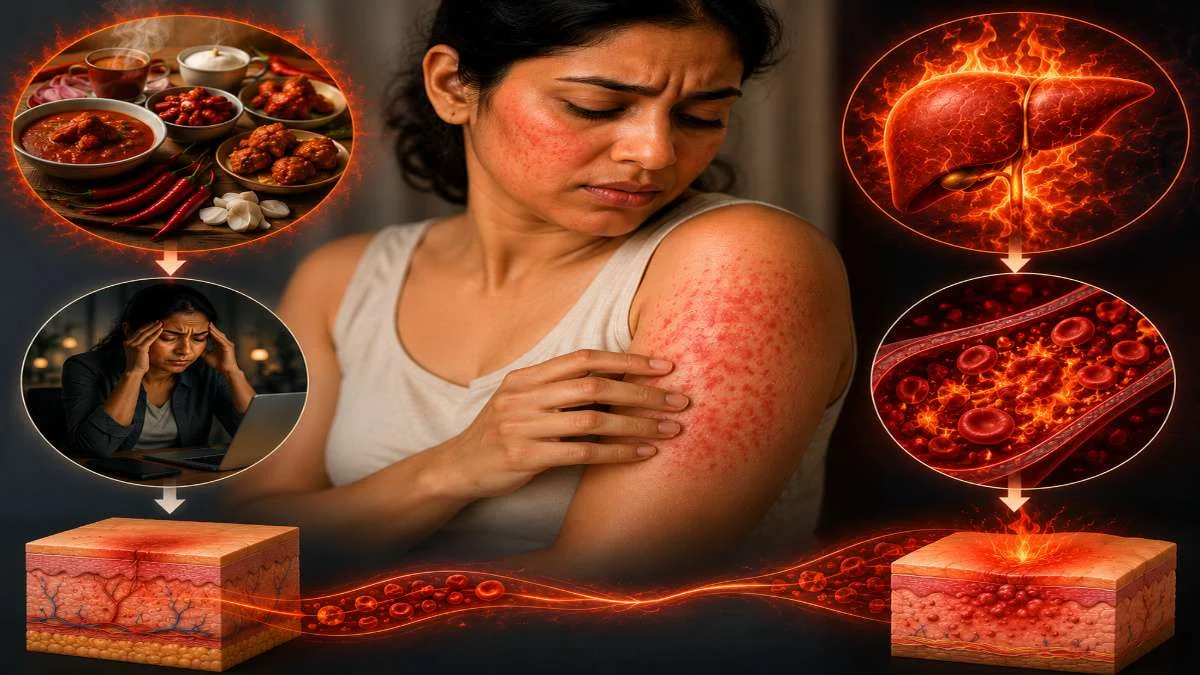
If your rashes are bright red, incredibly hot to the touch, and burn more than they itch, you are dealing with a classic overflow of internal heat (Pitta Dosha).
This happens when your body is overwhelmed by heating elements, both from your diet and your stress levels. When the liver cannot process this excess heat, it dumps it into the bloodstream (Rakta Dhatu). The blood then carries this boiling energy to the surface of the skin, where it erupts to literally "let off steam."
- The feeling: Angry red hives, burning eczema, spontaneous flushing, and a rash that gets significantly worse when you step into the hot sun or take a hot shower.
- The reality: Applying heavy, chemical-laden lotions to this kind of rash traps the heat inside. You do not need to just moisturise the surface; you need to deeply cool and purify the bloodstream.
Dietary Triggers You Might Be Ignoring
If your skin is constantly breaking out in allergic reactions, your daily meals might be secretly creating a highly reactive internal environment. Even if you consider your diet healthy, you need to watch out for these subtle daily triggers:
- Incompatible Foods (Viruddha Ahara): In Ayurveda, mixing certain foods creates immediate toxic confusion in the stomach. The most common culprit for skin allergies is eating dairy with sour fruits (like a berry yogurt smoothie) or eating fish with milk. This creates a sticky, acidic waste (Ama) that highly irritates the skin.
- The Fermentation Trap: Excessively eating fermented, sour foods like heavy aged cheeses, vinegar, kombucha, and alcohol drastically spikes the acidity in your blood, making your skin hypersensitive and prone to inflammatory hives.
- Artificial Additives: Chemical food dyes, artificial preservatives, and synthetic flavorings are unrecognisable to the liver. When the liver rejects them, they are pushed out through the skin, triggering what looks like a random allergic reaction.
Daily Habits That Secretly Sensitise You
Sometimes, the way you manage your daily routine does more damage to your skin's resilience than the environment around you.
- Suppressing Natural Urges: Holding in sneezes, delaying bowel movements, or ignoring the urge to urinate pushes downward-moving energy (Apana Vata) back up into the body. This forces metabolic waste to seek an alternative exit route: your pores.
- Showering in Scalding Water: Taking long, piping hot showers strips the natural, protective lipid barrier off your skin, leaving it completely exposed and vulnerable to environmental allergens like dust and pollen.
- Chronic Stress and Anger: Unprocessed anger and constant high-stress situations physically heat up the body. This emotional Pitta spike translates directly into inflammatory skin conditions like rosacea and stress hives.
Ayurvedic Fixes for Skin Purification
We do not always need a pharmacy to calm our skin down. Our kitchens are packed with powerful, time-tested tools to cool the blood and support the liver, treating the rash from the inside out.
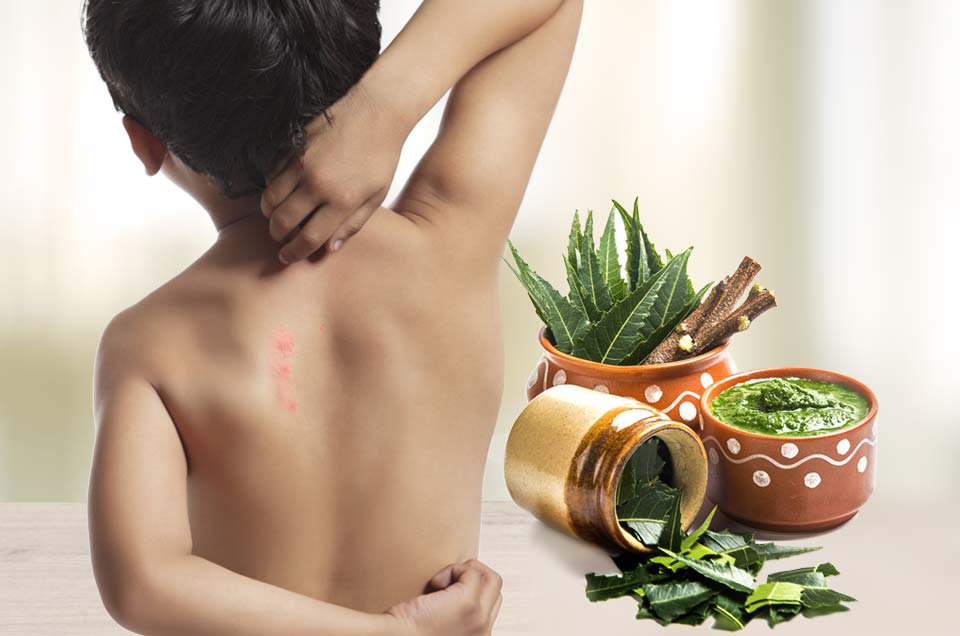
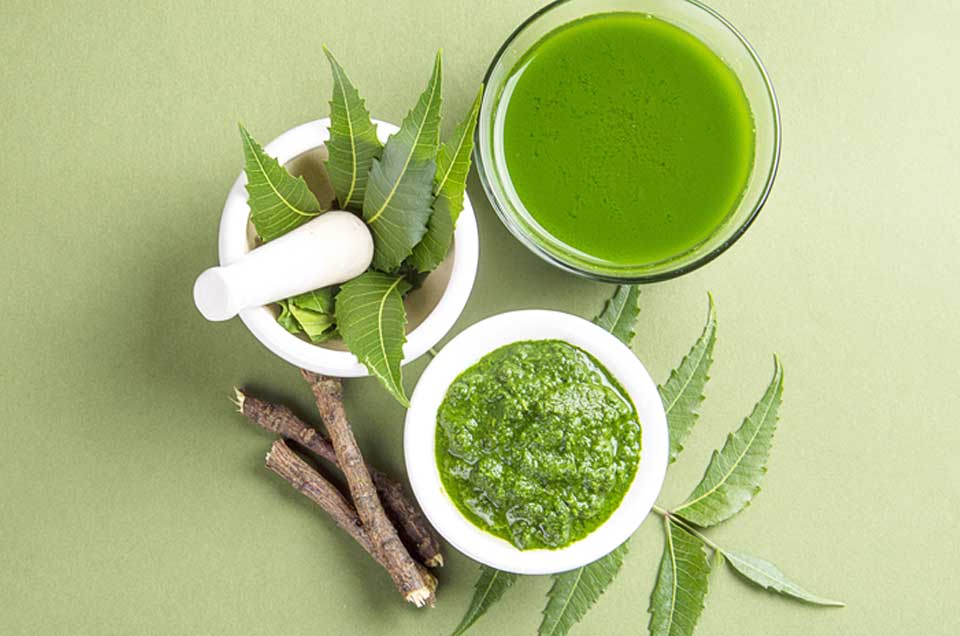
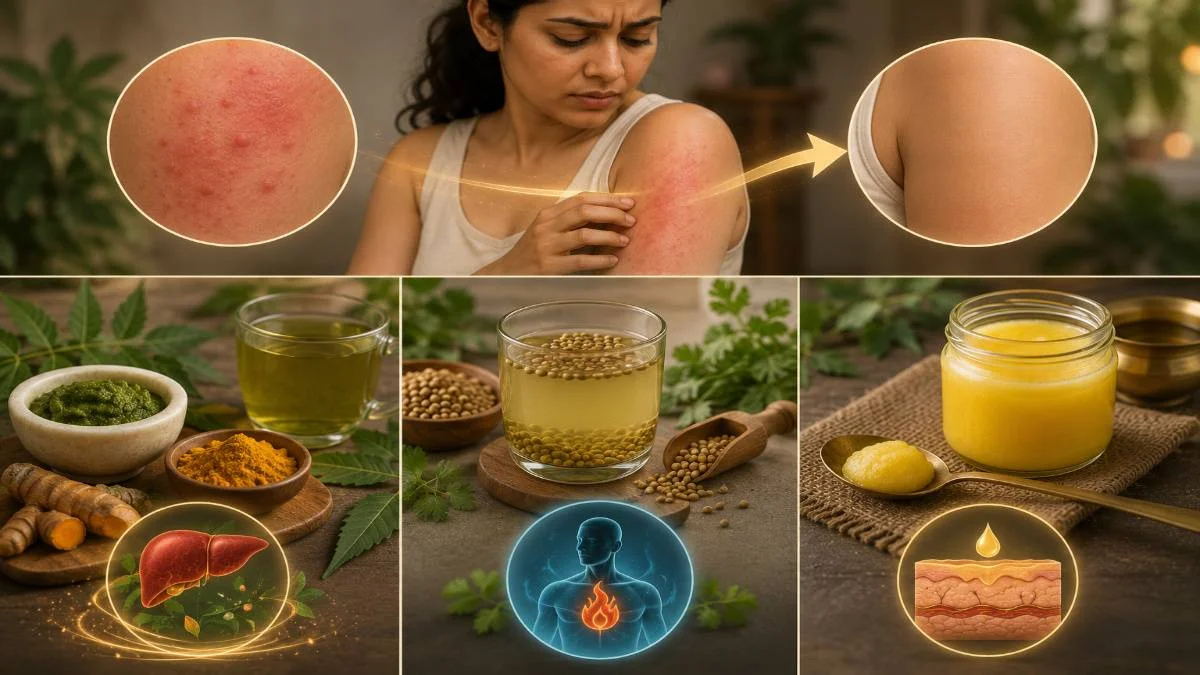
- The Neem and Turmeric Purifier: Neem is the ultimate skin healer in traditional medicine. Taking a tiny ball of fresh neem and turmeric paste in the morning (or drinking neem tea) actively scrubs the liver and purifies the blood (Rakta Shodhana), pulling the root of the allergy out of the system.
- The Coriander Seed Cooler: To put out the fire in your blood, soak a tablespoon of crushed coriander seeds in a glass of water overnight. Strain and drink this cooling infusion first thing in the morning to rapidly bring down internal Pitta and reduce the redness of hives.
- Pure Ghee for Internal Lubrication: If your allergy manifests as dry, flaky, intensely itchy patches, taking a small teaspoon of pure, melted cow's ghee on an empty stomach helps lubricate the dry tissues from the inside, significantly reducing the urge to scratch.
Doctor’s Note
While balancing your internal heat and purifying your blood is incredibly effective for chronic, mild skin issues, you must always use common sense. A skin allergy can sometimes escalate rapidly into a systemic emergency.
If your rash is accompanied by swelling in the face, lips, or throat, or if you experience any shortness of breath or dizziness, you could be experiencing anaphylaxis, which requires immediate emergency medical intervention. Additionally, if an allergic rash begins to weep yellow fluid, smells foul, or is accompanied by a high fever, it has likely become infected and requires professional medical evaluation before relying solely on holistic remedies.
Final Thoughts
We spend so much time fighting with our skin that we forget it is actually trying to protect us by sounding an alarm. Just because you have a rash does not mean your skin has suddenly turned against you.
Your recurrent allergy is a living, breathing message. It might be asking you to stop eating incompatible food combinations, it might be begging for a cooling break from acidic, spicy meals, or it might simply be telling you that your liver is overwhelmed. Listen to your body carefully. Honor the natural wisdom of your unique internal environment, cool the heat at its source, and remember that true, glowing skin health is always an inside job!
References:
Contact dermatitis - Causes - NHS
Skin as the target for allergy prevention and treatment - ScienceDirect