 Published on
21 Jul, 2026
Published on
21 Jul, 2026 Updated on 21 Jul, 2026
 5072
5072We have all been there. You are sitting with an older parent or grandparent, and you notice their skin looks a bit paper-thin, perhaps even slightly sunken. You offer them a glass of water, and they wave it away, saying, "No, thank you, I'm not thirsty."
You might insist, but they hold firm. "If I drink that now, I'll be up all night using the bathroom." We often accept this reasoning. We think, "Well, their bodies are smaller, they are less active, maybe they just don't need as much water as we do." But in our readiness to accept this, we are missing a critical, silent crisis. The lack of thirst in the elderly isn't a sign that they don't need water; it is often a sign that their body's internal alarm system is broken.
The danger of brushing off dehydration in our elders is that it leaves them incredibly vulnerable to sudden confusion, dangerous urinary tract infections, and severe joint stiffness. If they aren't feeling thirsty, what exactly is happening inside their system? Let us break it down simply using the timeless wisdom our grandmothers relied on long before hydration apps existed.
A Broken Alarm System
Before we talk about how to get them to drink more, we have to clear up a massive piece of confusion about how thirst works as we age.
In our younger years, the moment our fluid levels drop, our brain sounds a loud alarm, and our mouth becomes dry. This is governed by a healthy, balanced internal fire (Pitta) and stable fluid levels (Kapha).
However, in traditional Indian medicine, the later years of life are known as the Vata stage. Vata is the energy of wind and space; it is inherently dry, light, and cold. As Vata naturally increases with age, it begins to dry out the body's tissues.
But here is the catch: this excess Vata also dulls the sensory signals to the brain. The body is desperately low on water, but the brain simply stops sending the "I am thirsty" signal. Waiting for an elderly person to feel thirsty before offering them water is like waiting for a smoke alarm with no batteries to tell you there is a fire.
How Dehydration Mimics Other Diseases?
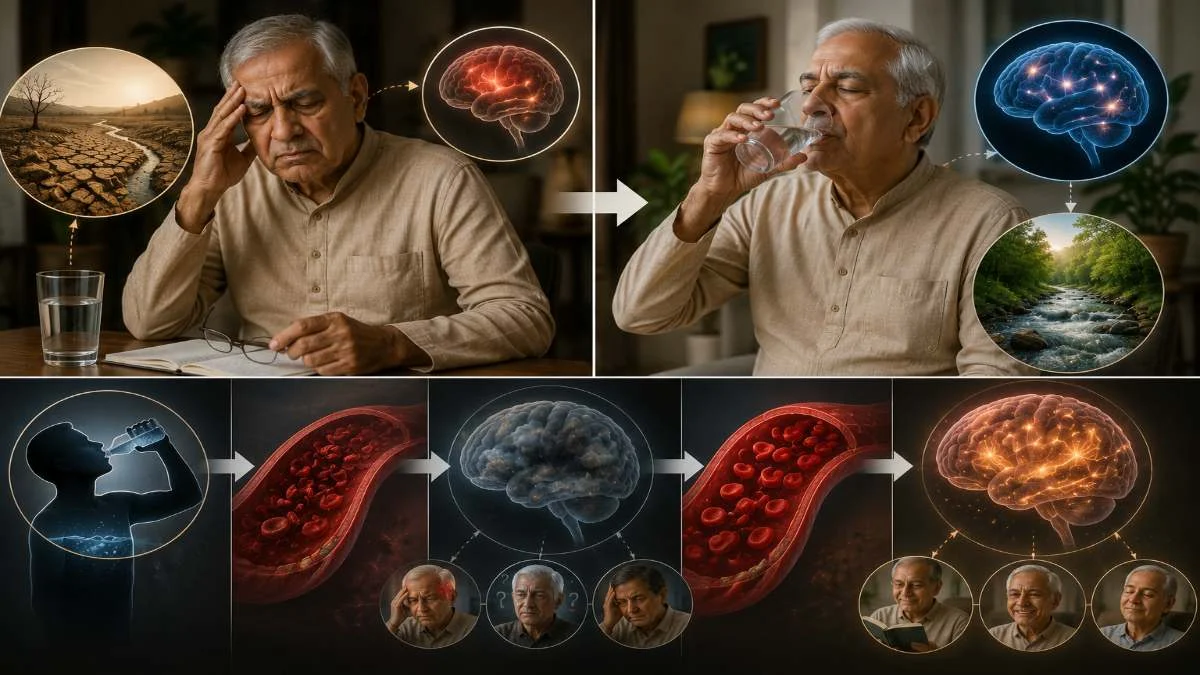
If you notice them becoming suddenly confused, forgetful, or unusually irritable, your first thought might be dementia. But often, it is just severe dehydration.
In Ayurveda, water is the vehicle that carries nutrients to the tissues (Rasa Dhatu) and flushes waste out. When the river runs dry, the waste gets stuck.
- The feeling: They might complain of a sudden, sharp headache, profound fatigue, or they might seem unusually bewildered or agitated.
- The reality: Without enough fluid, the blood becomes thicker, meaning the brain isn't getting enough oxygen or nutrients. This toxic buildup (Ama) in the subtle channels of the mind (Manovaha Srotas) mimics cognitive decline perfectly. A simple glass of warm water can sometimes clear this "dementia" in a matter of hours.
The Joint Crisis: When the Oil Dries Up
What if they are complaining of new, severe joint pain, but there hasn't been a fall or injury? You might assume it is just arthritis getting worse.
- The feeling: Their knees grind, their hips feel locked in the morning, and every movement feels stiff and painful.
- The reality: Inside the joints, there is a natural, thick, oily lubricant called Sleshaka Kapha (synovial fluid). When the body is dehydrated, it steals water from wherever it can, including the joints. The pain isn't necessarily new bone damage; it is simply metal-to-metal friction because the internal oil has dried up.
Hidden Triggers You Might Be Ignoring
If an elderly loved one is resisting water, you need to look beyond their refusal and examine the hidden reasons why drinking has become a burden. Watch out for these subtle triggers:
- The Fear of Incontinence: This is the most common, unspoken reason. If mobility is an issue, the fear of not making it to the bathroom in time, or the dread of waking up four times a night, is terrifying. They will naturally restrict fluids to control their bladder.
- The Polypharmacy Trap: Many older adults are on prescribed diuretics (water pills) for high blood pressure or heart issues. These medications aggressively flush water from the body, rapidly accelerating dehydration if fluids aren't consciously replaced.
- The Temperature Shock: Pouring them a glass of ice-cold water from the fridge shocks a weak digestive fire (Agni). Cold water increases the internal wind (Vata) and causes stomach cramps, making them unconsciously avoid drinking.
Traditional Kitchen Fixes for Gentle Hydration
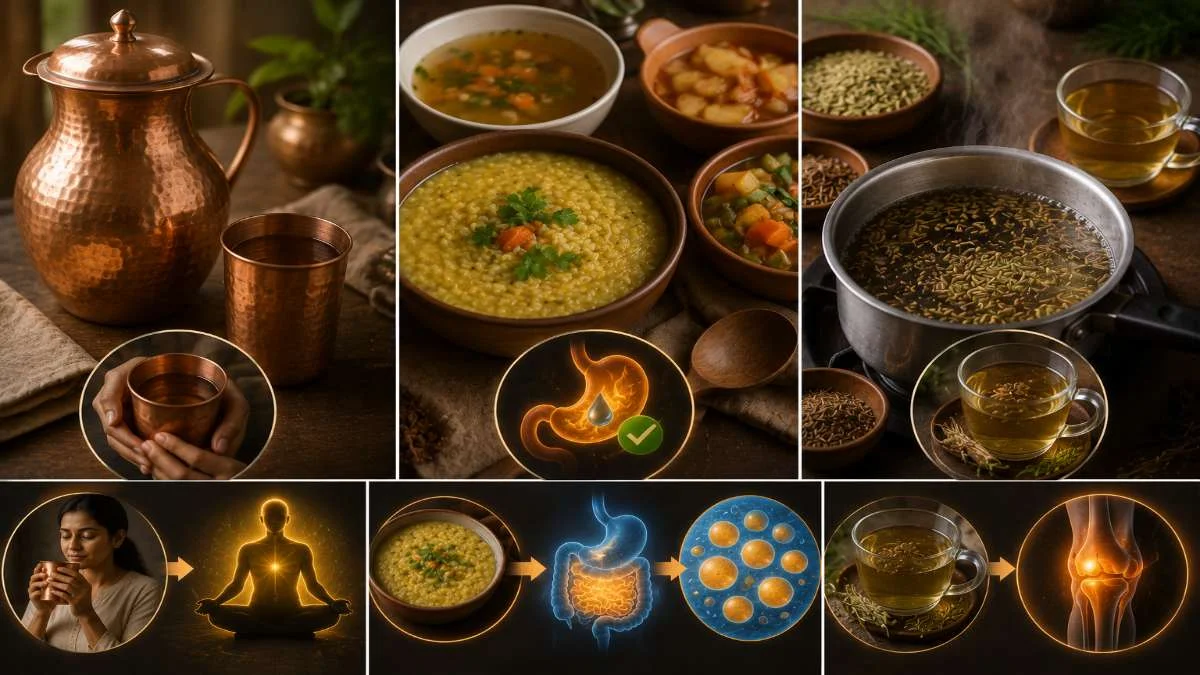
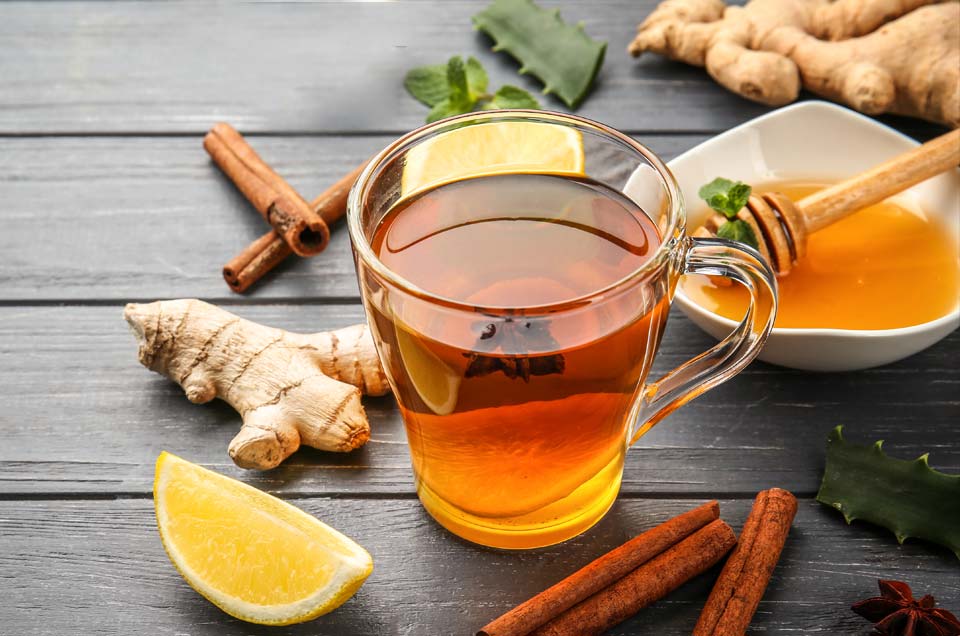
We do not always need to force them to chug plain, tasteless water. Our traditional kitchens hold powerful, time-tested ways to provide deep, cellular hydration that doesn't just run straight through to the bladder.
- The Warm Copper Sip: Storing water overnight in a clean copper vessel and serving it warm throughout the day makes the water lighter and easier for a sluggish digestive fire to process, naturally soothing excess Vata.
- Hydration Through Food: Instead of just glasses of water, increase the water content in their meals. Soft, soupy Moong Dal Khichdi, warm vegetable broths, and stewed apples provide hydration that is bound to nutrients, allowing the body to absorb it slowly rather than flushing it out immediately.
- The Cumin and Fennel Soother: Boiling a small pinch of cumin and fennel seeds in their daily water not only makes it taste better but acts as a gentle digestive aid that helps the body actually absorb the moisture into the dry tissues.
Doctor’s Note
While gentle, holistic hydration is crucial, severe dehydration in the elderly is a medical emergency that can lead to kidney failure or a sudden drop in blood pressure.
If you notice that their skin stays "tented" when you gently pinch it on the back of their hand, if their urine is dark amber or has a strong odor, or if they are unable to keep fluids down due to illness, you must seek medical attention immediately. Intravenous (IV) fluids may be necessary to safely restore their hydration levels before relying on kitchen remedies. Furthermore, always consult their doctor about balancing their fluid intake if they have specific heart or kidney conditions that require fluid restriction.
Conclusion
We spend so much time managing their medications and doctor's appointments that we forget to monitor the most fundamental necessity of life. Just because they don't feel thirsty does not mean their bodies aren't silently crying out for water.
Their refusal to drink is often a living, breathing message. It might be asking for warmer, more comforting fluids; it might be hiding a silent fear of mobility issues, or it might simply be a broken internal alarm system. Listen to their bodies carefully. Honor the natural wisdom of their changing constitution, find gentle, creative ways to bring moisture back into their routine, and remember that sometimes the most powerful medicine is just a warm, soothing cup of water shared together!
References:
Hydration Status in Older Adults: Current Knowledge and Future Challenges - PMC