 Published on
26 Aug, 2026
Published on
26 Aug, 2026 Updated on 26 Aug, 2026
 5071
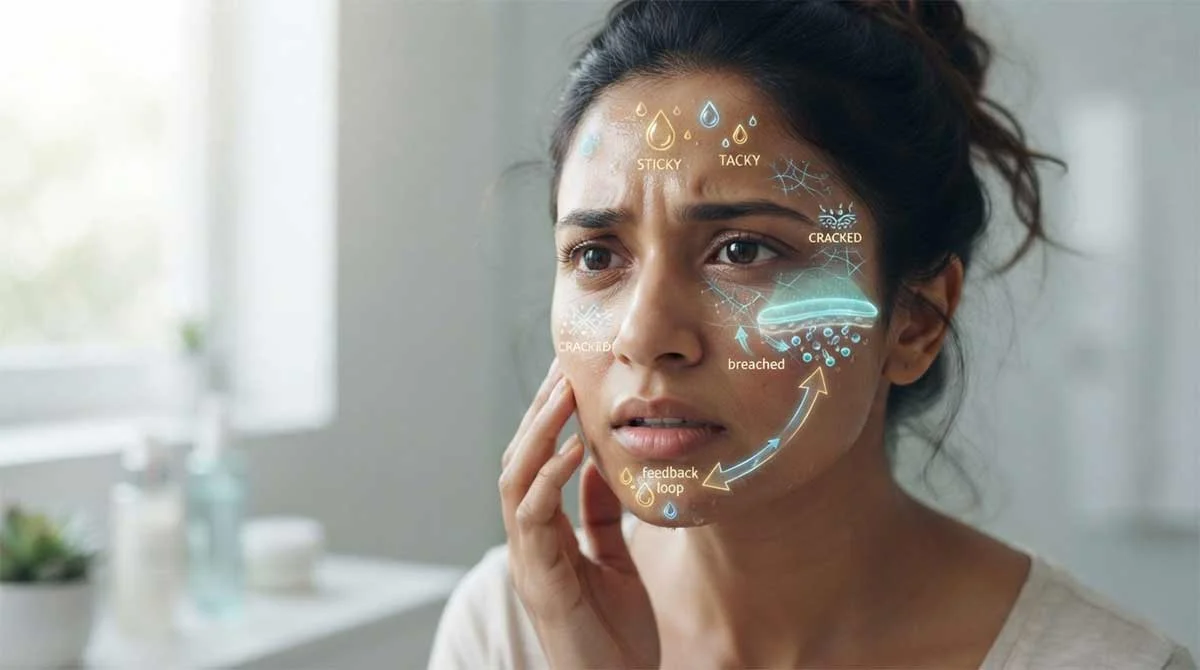
5071It’s usually a surprising moment for some people when they realise that their skin feels sticky but is still dehydrated. The fact that the presence of some form of moisture is clearly felt, but the skin is not getting the hydration regardless, stresses people out, and most of them live in a state of confusion, trying random remedies and products to somehow get some relief.
But what’s important is to understand why the skin is acting that way in the first place.
What’s Making The Skin Sticky?
Assuming that the presence of moisture should automatically translate into hydrated skin is dermatologically incorrect. In order to really fix this issue, it is necessary to truly comprehend the mechanism of how skin works.
The stickiness felt on the surface of the skin is actually the combination of the oil naturally produced by the body and the trapped sweat that stays on the surface until the ambient temperature allows it to evaporate. When the skin detects a lack of hydration, it panics and produces extra natural oils to compensate for the dryness, and this often results in it mixing with the sweat and making the skin sticky. Oily skin types suffer more.
Why Does Dehydration Still Exist?
Skin oiliness and skin dehydration are two different phenomena: the natural oil produced by the skin is an external barrier, while hydration is also required by the skin cells that reside deep inside the surface.
Skin dehydration usually occurs because of quick evaporation of the moisture from the skin surface, or because of some damage to the skin.
Healthy skin cells contain natural moisturising factors that hold water molecules, but these are often affected by various chemical products we apply to the skin, or by ageing.
Hyaluronic acid also plays a role in retaining water in the skin; however, it is also affected by stress and ageing. The hydration of the skin can still struggle with hydration while feeling oily to the touch.
How To Treat Sticky And Dehydrated Skin?
When the skin is both sticky and dehydrated, there are certain steps we can take to make sure the skin gets the hydration it needs without making the stickiness worse.
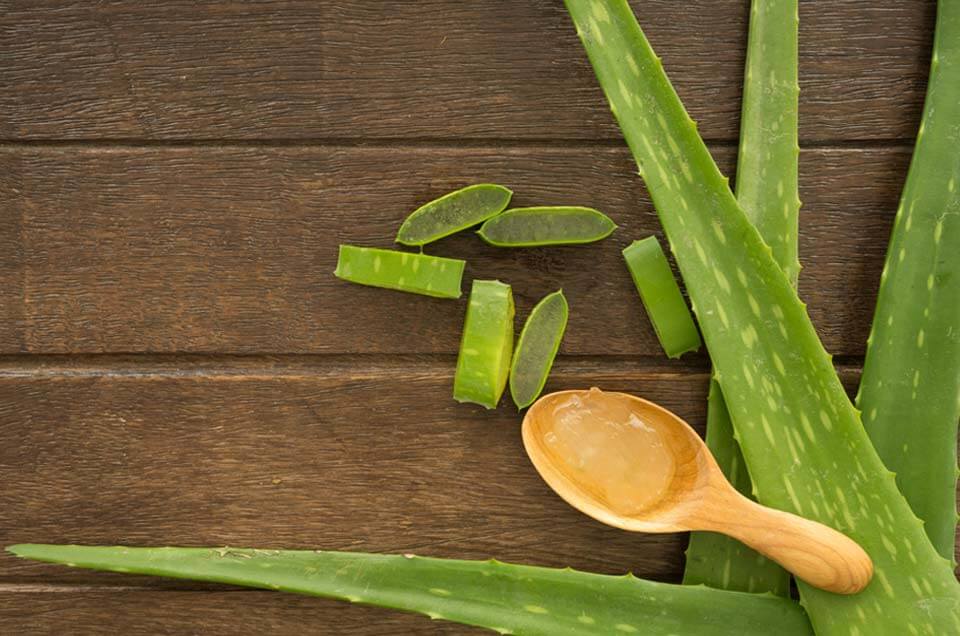
- Gentle cleansing: Using a light herbal cleanser to wash the skin gently is the basic step for reducing the stickiness and getting rid of the irritants. Using aloe vera for this step is considered a safe option.
- Toning with herbal water: It is a good practice to apply a floral water like rose water to the face to help address deep dehydration.
- Hydrate the skin: Instead of thick butter or oil-based creams, use a herbal Ayurveda-based lotion or light moisturising water to safely keep the skin hydrated for long durations.
- Internal hydration: Drinking warm fluids like herbal teas and infused Ayurvedic drinks helps keep the body hydrated from the inside.
Best Ayurvedic Herbs For Hydration And Skin
There are some Ayurvedic herbs that help nourish and improve the skin from the inside. These herbs not only make the skin appear good, but also have other health benefits overall:
- Turmeric: Turmeric is beneficial for cleaning the blood; it also fights inflammation and reduces the type of bacteria that may cause acne.
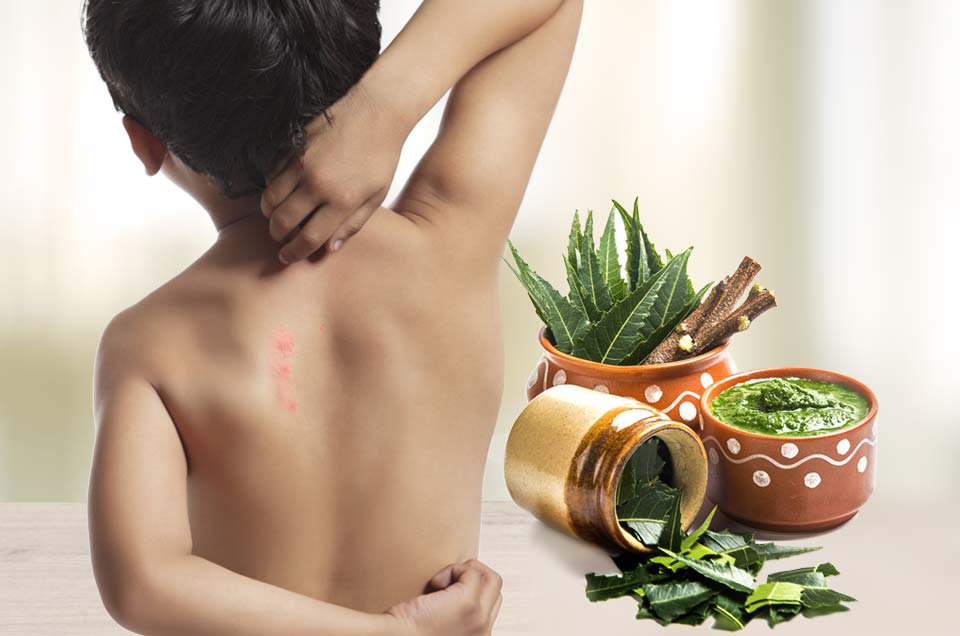
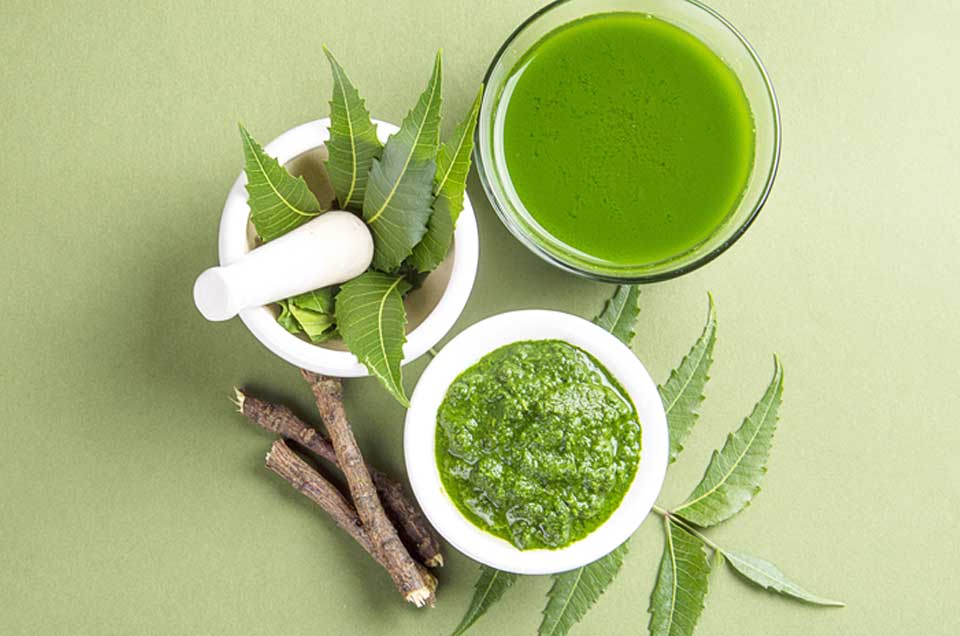
- Neem: Neem is a potent blood purifier that helps to improve chronic skin conditions like acne and eczema. It is widely used in the manufacturing of skin products.
- Amla: It is a rich source of vitamin C; it also boosts collagen and brightens the skin tone.
- Manjistha: It is very useful for fighting hyperpigmentation and promotes an even complexion of the skin.
What Should An Ideal Skin-Healthy Diet Include?
A diet that supports healthy skin must include a sufficient quantity of skin-healthy ingredients; some of these food items are:
- Walnuts: Walnuts contain essential omega-3 fatty acids and vitamin E, both of which help to hydrate and nourish the skin.
- Spinach: Green leaves are rich in vitamins C and A; it also fights inflammation and supports collagen production.
- Blueberries: Blueberries contain anthocyanins that help with oxidative stress and premature ageing.
- Tomatoes: They contain lycopene and protect the skin from UV, while also supporting an even skin complexion.
- Pomegranate: It contains antioxidants and vitamin C and supports overall skin health.
When To See A Doctor?
While stickiness and dehydrated skin can just be the natural outcome of the environment and skin type, if there are visible signs that hint at a serious issue, it must not be ignored. If you spot any of the following symptoms, please consult a Doctor:
- Patches on the skin: If visible patches are emerging on the skin, it may not be just a moisturisation issue.
- Persistent itching: Itching is never a good sign, and if it doesn’t go away, there might be an underlying infection.
- New Acne and Spots: If new dark spots are appearing on the sticky skin, a medical consultation is advised.
Conclusion
Sticky and oily skin may appear hydrated, and some may even say that the skin is just oily, but in reality, it’s a combination of things. Deeply dehydrated skin needs hydration, not chemical combinations, which is why dealing with this problem with caution is important.
If you have any such symptoms and you are confused about the actual state of your skin, it is best to consult a specialist or Ayurvedacharya in time.
References:
Plant-Based Foods for Skin Health: A Narrative Review - ScienceDirect
Pomegranate Benefits on the Skin: Facts, Myths, How to Use It
Top 10 Anti-Aging Foods for Skin, Brain, Muscle, and Gut Health
Skin hydration: a review on its molecular mechanisms - PubMed
Dietary water affects human skin hydration and biomechanics - PMC