 Published on
09 Jul, 2026
Published on
09 Jul, 2026 Updated on 09 Jul, 2026
 5111
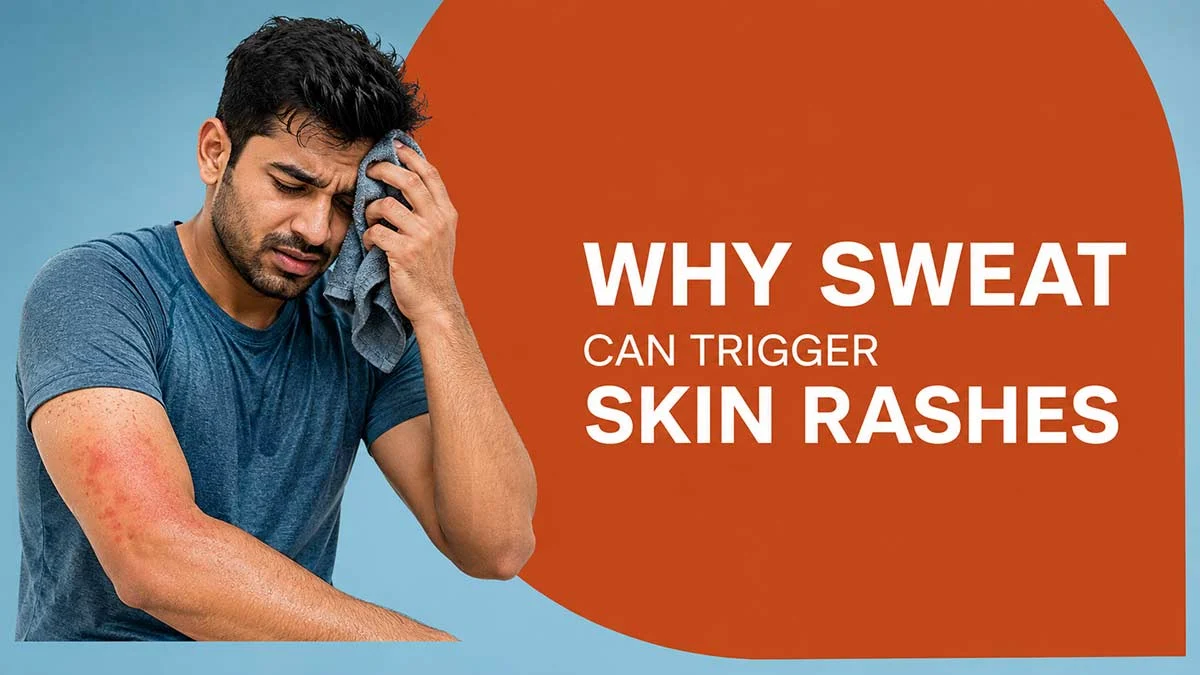
5111Sweating is a completely natural way for your body to cool down. But for many people, it brings a highly uncomfortable problem: itchy, red, and irritated skin.
You might notice tiny red bumps after spending time outdoors on a sticky, humid day. Or maybe you feel intense irritation under your arms, around your neck, beneath your chest, or between your thighs. While many brush this off as just a seasonal annoyance, recurring sweat rashes mean your skin barrier is deeply stressed out.
Ayurveda believes that these rashes are not just about the weather outside, but also about the heat trapped inside your body.
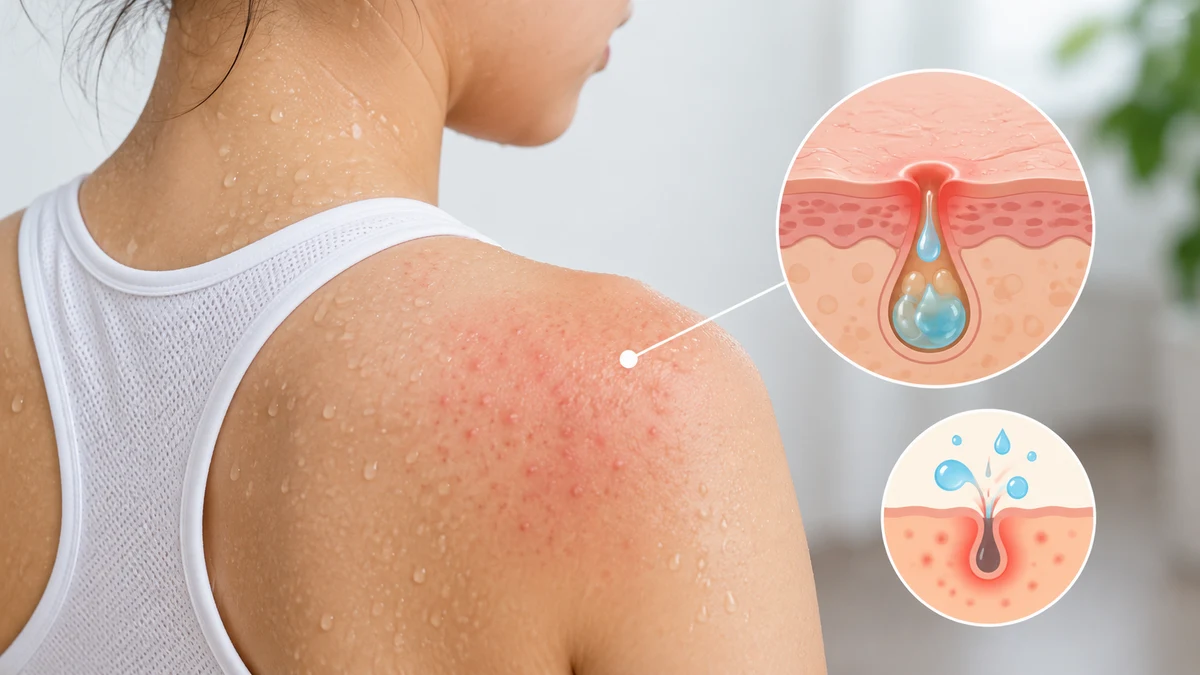
What Exactly Are Sweat Rashes?
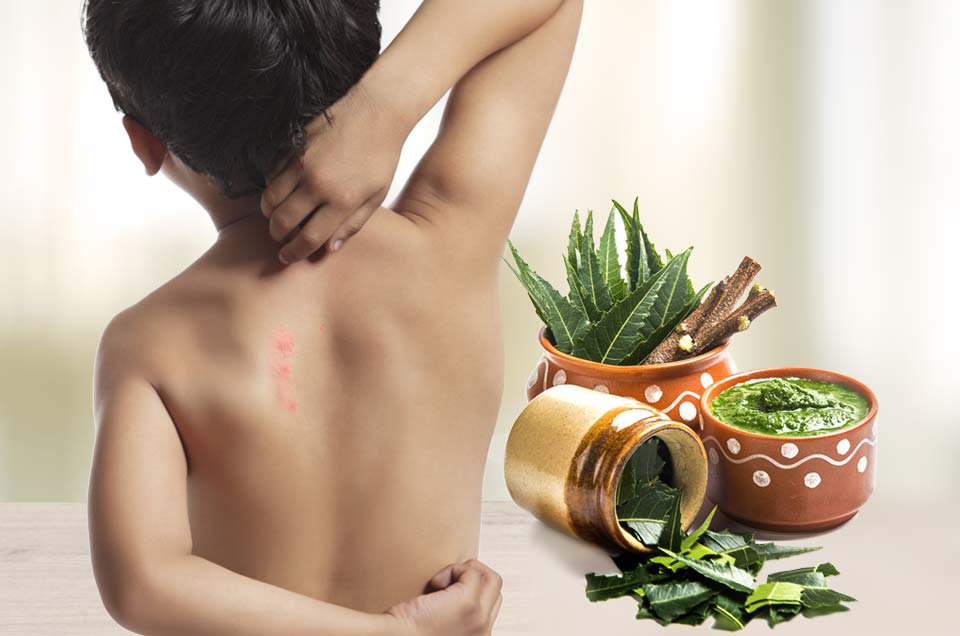
Heat rashes can show up when sweat gets kinda stuck under your skin or when ongoing dampness rubs and rubs against your clothes; it’s not great.
Keep an eye out for these usual signals:
- Red bumps: Little prickling red dots that feel warm, kind of like they’re alive under the skin.
- Intense itching: A burning or scratchy feeling that gets worse fast once you sweat again.
- Targeted areas: It tends to pop up in skin folds, where moisture can’t move out easily, like the neck, underarms, waist, or inner thighs.
Why Does Sweat Cause Skin Problems?
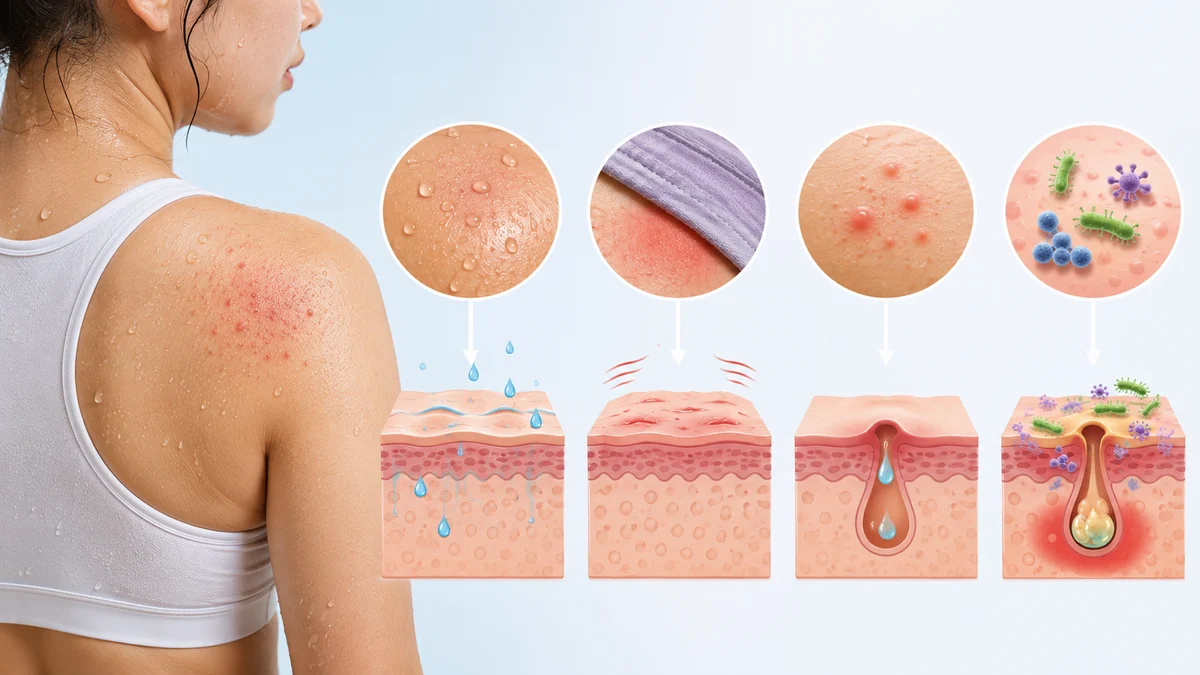
Sweat itself is completely harmless. The real trouble starts because of the environment that excessive sweating creates on your skin:
- Weakened skin: Ongoing warmth and moisture can soften the skin a bit, so it turns extra sensitive, and then it becomes easier to get irritated.
- Constant rubbing: When the skin is damp and keeps rubbing against snug clothes, or even skin folds, it throws off that natural protective barrier.
- Trapped sweat: Sometimes the sweat glands get clogged, and the sweat can’t get out, so it ends up sitting under the skin, which causes those small red bumps.
- Germ buildup: Warm, wet skin is basically a great setting for bacteria and fungi to multiply and grow, and that can then lead to infections.
How Ayurveda Explains Sweat Rashes
Ayurveda looks at skin problems as an internal issue, not just a surface one. It connects rashes to the heat, moisture, and digestion levels inside your body:
- Too much body heat: When you have too much body heat, like if you eat very spicy foods, or you sit in the harsh sun for too long, or even when you get highly stressed, your inner heat starts to rise. That extra warmth then kind of travels outward to the surface, and you notice it as burning red, and irritated skin, not always in the same spot, but generally it shows up pretty fast.
- Sticky moisture: If the air is very humid, and your body is a bit sluggish, it creates a heavier, damp feeling. So your skin turns sticky, and it becomes way more likely to get constant irritation, over and over.
- Digestive toxins: If digestion is slow or weak, your body makes undigested waste, sort of toxic residues. That waste keeps moving through your system, and it makes your skin more touchy. So when you sweat, the skin reacts, becomes sensitive, and it can feel reactive in an almost instant way.
Doctor’s Note
Most mild sweat rashes clear up quickly with cool showers and loose clothing, but spreading redness, intense pain, fluid-filled blisters, oozing pus, or an boxes-checked associated with fever should not be ignored. These symptoms need medical evaluation.
Who Gets These Rashes and What Makes Them Worse?
Anyone can get a sweat rash, but you are much more at risk if you live in a humid climate, sweat heavily, or have naturally sensitive skin.
Watch out for these common everyday triggers:
- Bad clothing choices: Wearing tight, synthetic clothes that don’t let your skin really breathe at all.
- Poor timing: Staying in your sweaty gym clothes for hours, instead of doing a quick shower and moving on, you know.
- Heavy products: Using those thick lotions or very heavy creams that basically block your pores completely.
- Spicy diets: Eating super spicy, oily, or really hot foods during the hottest part of summer.

Simple Ways to Cool Down and Heal
To fix the problem, you need to cool down your body from the inside and keep your skin dry on the outside:
- Eat cooling foods: Start with water-rich things like cucumber, coconut water, fresh fruits, and light home-cooked meals so your stomach gets calmed down a bit.
- Avoid heating foods: Skip deep-fried snacks, heavy spicy meals, alcohol, and those very sugary drinks that quickly push up your internal body heat.
- Change your clothes: Keep wearing loose, breathable cotton clothing, so your skin can dry on its own naturally.
- Shower smart: After a lot of sweating, take a cool shower right away, then make sure you dry every little tucked-away fold of your skin with a soft towel.
When Is It Time to See a Doctor?
Most rashes that happen because of sweating usually calm down within a few days, especially when you take the right care and also when you wear loose clothes, but sometimes things act a bit differently, and you should not ignore them.
If you notice any of these, go see your doctor right away.
- Chronic rashes: Rashes that keep on showing up and do not disappear even after a week.
- Infections: Clues like redness that spreads fast, severe pain, or blisters that show up again and again.
- Yellow fluid: Any pus or drainage leaking from the bumps. This is a pretty clear signal that an infection is present.
The Bottom Line
Sweat is not your enemy; it is completely essential to keep you cool, safe, and healthy. Rashes only happen when excessive heat, trapped moisture, tight clothes, and internal body imbalances all crash together.
Instead of just treating the outside of your skin with heavy creams, remember to cool down the inside of your body, too. By keeping your digestion light, eating watery cooling foods, and always choosing loose, breathable cotton clothes, you give your skin the exact breathing room it needs. Small, simple changes to your daily routine can help you easily enjoy the warm weather, staying fresh and comfortable without dealing with that constant, annoying itch.
References
Dermatitis | Skin Rash | MedlinePlus
Itch: Epidemiology, clinical presentation, and diagnostic workup - PMC