.webp)
 Published on
01 Jul, 2026
Published on
01 Jul, 2026 Updated on 01 Jul, 2026
 5101
5101We all love that first spell of rain after a long, blistering summer. The air instantly cools down, the trees look bright green again and the weather finally feels pleasant. But along with the beautiful monsoon comes a very annoying, uninvited guest: the mosquito.
Have you ever noticed that just a few days after a heavy downpour, mosquitoes seem to take over the world? You step outside for a nice evening walk, and within seconds, you are slapping your arms and legs. It is easy to think that the rain somehow magically creates mosquitoes overnight, but that is not exactly how it works.
Let’s break down the simple science of why mosquito populations explode after the rain, and what you can do to protect yourself and your family.
Rain Does Not Create Mosquitoes (It Creates Nurseries)
Rain itself does not spawn mosquitoes. Instead, it creates the absolutely perfect environment for them to reproduce.
Mosquitoes desperately need stagnant, still water to complete their life cycle. When it rains, water pools up in countless little hidden spots around your home and neighborhood. We usually think of big puddles, but mosquitoes are perfectly happy breeding in tiny spaces, including:
- Flower pot trays
- Old, discarded tires
- Blocked roof gutters
- Unused buckets
- Bird baths
- Even a tiny, upside-down bottle cap filled with rainwater!
The Speedy Life Cycle: From Egg to Biter
One reason it feels like mosquitoes appear out of nowhere is that they grow incredibly fast. Here is how one rainy day turns into a mosquito boom in just over a week:
- Step 1: The Eggs: A female mosquito finds a tiny pool of still water and lays anywhere from 100 to 300 eggs at a single time.
- Step 2: The Wrigglers: Within just a day or two, those eggs hatch into larvae (often called wrigglers). They live completely underwater, feeding on tiny organisms.
- Step 3: The Pupae: A few days later, they transform into pupae. During this resting stage, they don't eat at all they are just busy turning into adults.
- Step 4: The Adult: In warm, sticky monsoon weather, a fully grown adult mosquito flies out of the water in just 7 to 10 days.
The Math is Scary: If one mosquito lays 300 eggs, and those hatch in a week, a single heavy rainfall can literally create thousands of new mosquitoes in your backyard in just a few days.
Why Mosquitoes Love Sticky, Humid Weather
Rain doesn't just leave puddles behind; it completely changes the air.
Mosquitoes are tiny, fragile insects that dry out very easily. During the peak of a dry, hot summer, they struggle to survive because the dry air dehydrates them. But after it rains, the humidity shoots up, the temperature drops just a bit, and the air becomes heavy with moisture.
Such humid conditions are a luxury spa for mosquitoes. They allow them to live for long periods of time, travel further and remain active for several hours without getting dehydrated.
Where Do They Hide All Day?
You might wonder that sometimes you do not see any mosquitoes on sunny afternoons. Mosquitoes spend most of the day inactive. After it rains, they look for cool, damp, and shaded spots to protect themselves from the hot sun and strong winds. You will usually find them hiding in:
- Thick bushes and tall grass
- Under patio furniture
- In dark corners of your porch
- Around damp water tanks
As soon as the sun starts to set, they leave these cozy hiding spots and start looking for dinner.
Why You Get Bitten Most at Sunrise and Sunset
Most mosquitoes are naturally programmed to be active during the early morning and the late evening.
During these twilight hours, the temperature is perfectly cool, the wind usually dies down, and the humidity is high. Plus, this is exactly when humans love to sit outside on the porch or go for a walk.
Following a rainfall, there are simply thousands more mosquitoes in the air. So, even though they are doing the same thing they always do, your chances of getting bitten skyrocket just because of the sheer numbers.
Fun Fact: Only the Ladies Bite
It might surprise you to learn that not all mosquitoes want your blood. Only female mosquitoes bite.
Male mosquitoes are actually quite peaceful; they survive entirely on flower nectar and plant juices. The females, however, desperately need the rich protein found in human and animal blood to develop their eggs. Once she gets a good blood meal, she flies off to find a puddle of rainwater to lay her eggs, starting the whole crazy cycle over again.
How Do They Survive Heavy Rainstorms?
Have you ever wondered how a tiny, fragile insect survives a massive thunderstorm? A single raindrop is incredibly heavy compared to a mosquito. Why don't they just get crushed?
It comes down to physics. Because mosquitoes are so incredibly lightweight, a raindrop doesn't smash them. Instead, the mosquito just rides the water drop downward for a split second before slipping away. Their flexible legs and tough outer shell let them bounce off water drops like tiny acrobats.
The Real Danger: More Than Just an Itch
To most of us, a mosquito bite is merely a temporary source of irritation and skin rash for a few days. However, in the monsoons, it turns out to be a menace in terms of health risks. Mosquitoes of different kinds can cause several diseases, such as:
- Dengue, which is transmitted by the Aedes species, causes fever and severe joint pains.
- Malaria, which is caused by the Anopheles mosquito, causes fever with excessive sweating and shivering.
- Chikungunya, another disease spread by the Aedes mosquito with symptoms of painful muscle and joint pains.
Simple Ways to Protect Your Home and Family
You don't need expensive chemicals to keep your home safe. The absolute best way to stop mosquitoes is to destroy their nurseries.
Clear the Water:
- Once a week, walk around your home and dump out any water sitting in buckets, pet bowls, or plant trays.
- Keep your overhead water tanks tightly covered.
- Change the water in your air coolers frequently.
- Throw away old tires or plastic containers sitting in your yard.
Protect Yourself:
- Wear light-colored, long-sleeved clothes if you are going out at sunset.
- Use a good quality mosquito repellent on exposed skin.
- Make sure your window and door screens don't have holes.
- Turn on the ceiling fan! Mosquitoes are very weak flyers, and a strong breeze from a fan makes it nearly impossible for them to land on you.
When Should You See a Doctor?
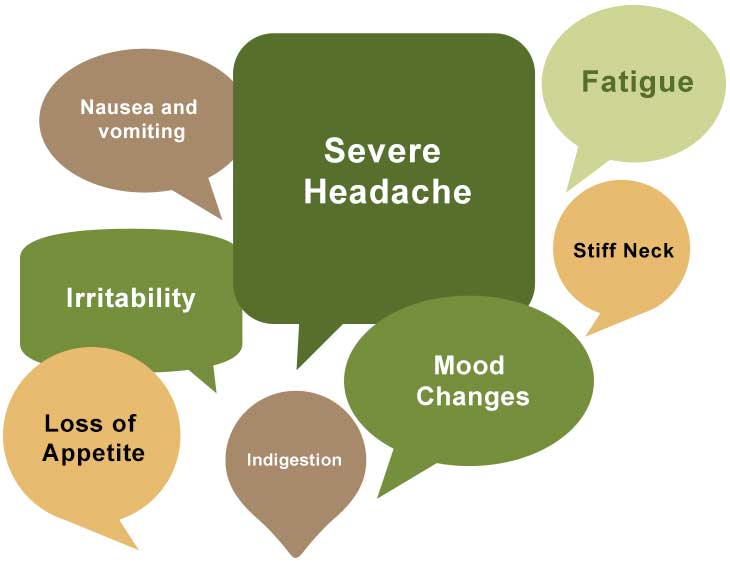
Most bites will heal quickly on their own. But if you get bitten and experience some of the following symptoms within a few days afterwards, do not hesitate but seek medical help right away:
- An unexpected high fever
- Intense pain in your muscles or joints or behind your eyes
- Vomiting or extreme exhaustion
- Rashes or bleeding gums
Conclusion
The emergence of mosquitoes during the rains is simply nature making the best use of the available conditions. Water that results from rainstorms forms hundreds of breeding ponds, and the damp and sticky air ensures that the insects flourish very rapidly.
Luckily, protecting oneself is an easy process, and only takes some time to ensure no standing water near your residence, dressing appropriately during evening hours, and using fans to keep the air circulating. The monsoon season is a wonderful season that should be enjoyed. All it takes is a little precaution to ensure the mosquitoes don’t ruin the season for you.