 Published on
26 Aug, 2026
Published on
26 Aug, 2026 Updated on 26 Aug, 2026
 5059
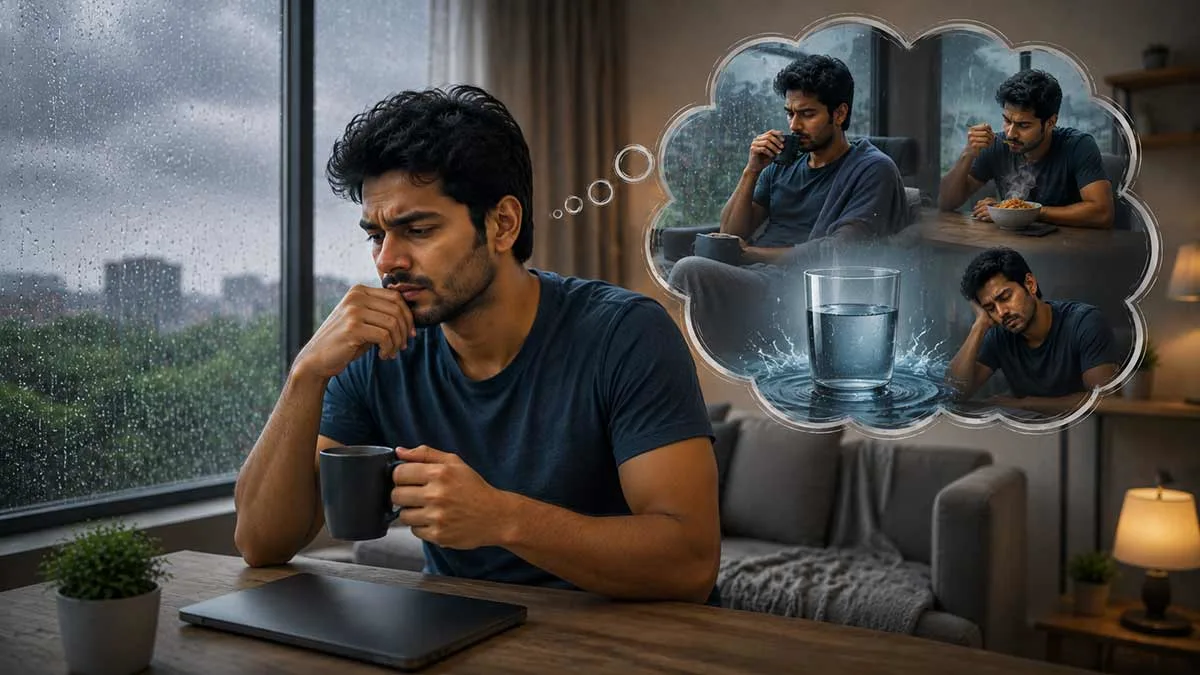
5059When the monsoon arrives, the weather finally cools down, and we stop sweating as we used to in summer. Because we no longer feel that harsh summer heat, our body simply stops asking for water. Without even realising it, you go hours without drinking a drop of water because you don't feel thirsty. But even when it is rainy and cool outside, our body is still quietly losing water on the inside. We start drinking more tea or coffee in this season, which literally dries out our system more. It is very easy to mistake this dehydration for simple monsoon laziness, but ignoring it can silently drain your energy.
Why Do We Stop Feeling Thirsty In Monsoon?
During the rainy season, you might realize that you haven’t drunk a glass of water all day. It happens to everyone, and it might be because of the following reasons:
Cooler temperatures: In the monsoon, the weather becomes cooler, and our bodies stop sweating as much as they did in the summer. When we sweat a lot, electrolytes are lost, but due to the cooler weather, we don't sweat much, so we don't feel thirsty as often.
High moisture and humidity: Because the surroundings have a lot of moisture and dampness, our bodies also stay cooler; that's why our mouths and throats don't feel dry.
Your brain skips the signal: As our bodies stop sweating and our mouths and lips don't feel dry due to the cooler weather, our brains stop sending thirst signals to us.
We move around less: Due to heavy rain, we often don't go to the office or the gym, so our bodies don't move as much. This is another reason we don't get the urge to drink water as often.
What Happens Inside The Body If We Don’t Drink Enough Water?
Hydration is not only about thirst; in summer, our brain does send signals to drink water because of the warm and hot environment. But if our body is not sending a clear signal, it doesn't mean that our body doesn't need to be hydrated. Our cells may still be running low on water; you still pee and lose electrolytes, and can also have mild signs of dehydration such as body fatigue, dizziness, and headache. So hydration does not mean that you have to drink gallons of water, but it is about maintaining the fluid levels in the body so that your body can run smoothly.
What Are The Warning Signs of Dehydration?
When something goes wrong inside our body, it starts giving signals to us so that we can fix it. If you are dehydrated, your body may give signs that are mentioned below:
- Dry Mouth: When a person is dehydrated, his mouth gets dry, and he may feel difficulty in speaking due to dryness.
- Dark Urine: When the water level is not maintained in the body, our urine gets dark yellow, which is another sign of dehydration.
- Weakness and fatigue: You start feeling low, sluggish, and can have mild dizziness due to dehydration.
- Muscle cramps: You may have tightness or cramping in the legs due to low water levels in the body.
- Headache: You may start having a mild headache also due to electrolyte imbalance from hidden fluid loss in the body.
- Constipation: Our body needs water to break down the food properly; if we don't drink enough water, then our food will not be digested properly, and it will cause constipation.
What could happen if these signs are ignored?
If we ignore the warning signs and do not take prompt action to cure them, then it can affect the body negatively. It can cause an imbalance in blood pressure, increase the risk of urinary tract infection, cause joint and muscle pain, cause bad mouth odour, cause constipation, make skin look dry, and also cause hair fall. So it is not at all recommended to ignore the warning signs.
Ayurveda On Hydration During Monsoon
In Ayurveda, water is considered the life of an individual. Our body needs water to function properly; without water, it fades just like a plant fades without water. Ayurveda says our body is made of three energies: Vata, Pitta, and Kapha. When these three doshas get imbalanced, our whole body has to deal with it. During rainy weather, our digestion naturally slows down; if we don't drink enough water, then it will not only affect our digestive process but also other parts of our body.
Ayurvedic Guidelines For Monsoon Hydration
Well, we already know how much water is important for our health; below are some of the points that one should keep in mind to keep yourself hydrated in this rainy weather:
- Start your day with warm water: First thing one must do in the morning is to drink a glass of warm water on an empty stomach; this will help in making your stomach active.
- Don’t wait for thirst signals: Due to cold and calm weather, our body also stays the same, so do not wait for any thirst signal; keep on drinking a bit of water in between.
- Don't drink too much tea and coffee: In this weather, we naturally crave warm drinks such as tea and coffee; avoid them as much as you can, as they will only suppress the thirst.
- Keep a water bottle with you: Always keep a water bottle handy. This will help remind you to drink water at regular intervals.
- Infuse water with herbs: Use ginger, tulsi, or mint leaves and boil them with water, and then drink it throughout the day; it will help in keeping you hydrated and also removing toxins from the body.
Conclusion
Water is very important for your body as it keeps you hydrated and your body active throughout the day. But during monsoon, our body naturally stops getting thirsty the way it used to in summer, and we don't drink enough water required for our body. That is why we feel dizzy, sleepy, and our digestion also slows down. So, do enjoy pakoras and tea during this monsoon season, but don't neglect your water bottle. Don't wait until you feel thirsty to drink water; keep sipping at regular intervals to keep your body clean and fresh from within.
References
Water, Hydration and Health - PMC
About Water and Healthier Drinks | Healthy Weight and Growth | CDC
Healthy Drinking Water as a Necessity in Developing Countries Like India: A Narrative Review - PMC