
Successful Treatments
Clinics
Doctors
Fatty Liver vs MASH / NASH
 Published on 19 Sep, 2026
 Updated on 19 Sep, 2026

Explore Symptoms Steatosis vs MASH
- Home / Diseases & Ayurveda / Gynaecology / Ayurvedic Treatment for Dysmenorrhea / Fatty Liver & Fibrosis / Fatty Liver vs MASH / NASH
How Fatty Liver Vs MASH / NASH Differs
Fatty liver, or simple steatosis, means there is an abnormal buildup of fat inside liver cells, but no inflammation or cell injury. At the same time, MASH, or metabolic dysfunction-associated steatohepatitis, is a more advanced and aggressive stage. In this stage, the fat accumulation triggers liver inflammation and cell injury, which can lead to dangerous scarring or fibrosis.
In Fatty liver, the risk of severe liver damage or progression is low, but in MASH, the risk of severe scarring of the tissue or fibrosis, permanent stiffness or cirrhosis, liver failure, or liver cancer is high.
Features
Fatty Liver or Simple Steatosis (MASLD)
MASH/NASH
Defination
More than 5-10% fat accumulation in the liver without major inflammation.
Fat accumulation triggers cell injury, swelling, and inflammation.
Symptoms
Usually silent or no symptoms in the initial days, but can develop occasional mild discomfort around the abdomen, chronic fatigue, sudden weight changes, and nausea.
Moderate fatigue, pain or discomfort in the upper abdomen, bloating, weight changes, malaise, appetite loss, mild swelling in legs and abdomen.
Pattern
Only steatosis or fat tissue buildup in the liver.
Fat tissue + hepatocellular ballooning + inflammation.
Risk
Low risk of progressive scarring.
High risk of progressive fibrosis due to ongoing inflammation.
Complications
Low risk of liver failure unless it progresses to MASH
High risk of advancing to cirrhosis, liver failure, or liver cancer.
Key Factors
Obesity, type 2 diabetes, high cholesterol, and metabolic syndrome.
Same metabolic factors that trigger inflammation.
Symptom And Patterns
Fatty liver and MASH look similar at first, as both may cause few or no noticeable symptoms. The key difference is what is happening inside the liver. Some common symptoms and patterns are:
Symptoms & Patterns
Fatty Liver
MASH/NASH
Symptoms
Often has no noticeable symptoms.
May have silent symptoms in early stages but clearly visible in later stages.
Fatigue
May occur
More noticeable
Abdominal Discomfort
Possible
Possible, especially with inflammation.
Liver Inflammation
Mild or Absent
Present
Liver Cell Injury
Limited
Possible
Fibrosis Risk
Low
High
Typical Pattern
Fat buildup in the liver without inflammation or cell injury.
Excess fat buildup in the liver occurs with inflammation and cell injury.
Causes And Risk Factors
Fatty liver and MASH share the same risk factors, particularly those linked to metabolic health conditions. Excess body weight, insulin resistance, type 2 diabetes, high triglycerides or cholesterol, and low physical activity can increase the risk. Alcohol consumption can also contribute to excess fat accumulation, inflammation, and permanent tissue damage.
In MASH, these factors may contribute to ongoing inflammation and liver cell injury, which can increase the risk of fibrosis and cirrhosis over time.
Not everyone with fatty liver develops MASH, and the risk can vary; it depends on overall metabolic health, genetics, and other individual factors.
How Diagnosis Is Confirmed
Fatty liver and MASH cannot be confirmed by symptoms alone. Doctors usually combine medical history, physical examination, blood tests, and imaging to assess liver health. Ultrasound or other imaging may detect fat present in the liver, while blood tests can provide information about liver injury.
MASH is more difficult to diagnose because inflammation and cell injury are not always identified through regular imaging. Non-invasive tests such as FibroScan or other fibrosis assessments may help evaluate liver damage. In some cases, a liver biopsy may be used to confirm MASH and assess the extent of inflammation and cell damage.
Ayurvedic practitioners evaluate these conditions using Nidana (etiology) to assess lifestyle factors, Roopa (symptoms) to identify signs such as abdominal discomfort, fatigue, bloating, and heaviness, and clinical examination to identify tenderness or enlargement.
How Management Differs
However, fatty liver and MASH have the same metabolic conditions, but management may differ. Fatty liver focuses mainly on reducing liver fat and improving overall metabolic health through a healthy diet, lifestyle, regular activity, weight management, and controling on the metabolic conditions such as diabetes, obesity, insulin resistance, and high cholesterol. Fatty liver needs routine monitoring or check-ups and blood tests with a specialised physician.
While in MASH, the main focus is on reducing inflammation and improving cell damage; it requires serious weight loss (suggested by a medical professional), closer medical monitoring (to track liver enzymes, metabolic markers, and fibrosis scores), and targeted medical therapy to manage underlying conditions like type 2 diabetes, obesity, and high lipids. It requires specialized medical doctors to manage advanced risks and prevent cirrhosis.
When Self-Diagnosis Is Unsafe
Self-diagnosis can be risky because fatty liver and MASH may not cause clear symptoms, especially in the early stages. It is better to consult with a healthcare professional rather than relying on self-care, especially in these conditions:
- Liver tests come back abnormal.
- You have conditions like diabetes, excess weight, or high cholesterol.
- You notice yellowing of the eyes and the skin, swelling, unusual bleeding, or confusion.
- Symptoms keep coming back or get worse, such as tiredness or discomfort in the upper right side of the abdomen.
- You take medicines, supplements, or drink alcohol regularly.
- You suspect MASH or fibrosis because these cannot be confirmed by symptoms alone.
Reference
NAFLD (MASLD)/NASH (MASH): Does It Bother to Label at All? A Comprehensive Narrative Review - PubMed
Definition & Facts of NAFLD & NASH - NIDDK
MASH: the nexus of metabolism, inflammation, and fibrosis - PMC
FAQs
No, fatty liver means excess fat present in the liver, while MASH involves inflammation and cell injury with fat.
Yes, in some cases, ongoing liver stress can cause inflammation and cell damage; that means simple steatosis can turn into more complex forms.
Yes, if ignored for a long period, it can even cause cirrhosis, which is irreversible. Liver cancer is another possible complication.
Yes, these conditions can be prevented with a healthy diet, regular exercise, and maintaining a healthy weight.
Medical professionals use medical history, blood tests, imaging, and sometimes a liver biopsy to check liver enzymes or signs of liver damage.
Ayurvedic care cannot replace medical evaluation, but it can work on the root cause of the disease by improving lifestyle and dietary habits.
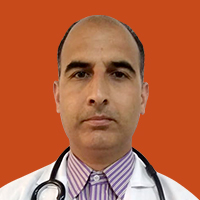
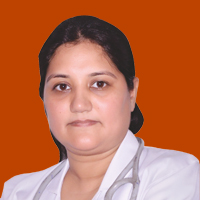
Consult Experienced Ayurveda Doctors for Fatty Liver vs MASH / NASH



















Our Happy Patients
-
 Sunita Malik - Knee Pain
 -
 Abhishek Mal - Diabetes
 -
 Vidit Aggarwal - Psoriasis
 -
 Shanti - Sleeping Disorder
 -
 Ranjana - Arthritis
 -
 Jyoti - Migraine
 -
 Renu Lamba - Diabetes
 -
 Kamla Singh - Bulging Disc
 -
 Rajesh Kumar - Psoriasis
 -
 Dhruv Dutta - Diabetes
 -
 Atharva - Respiratory Disease
 -
 Amey - Skin Problem
 -
 Asha - Joint Problem
 -
 Sanjeeta - Joint Pain
 -
 A B Mukherjee - Acidity
 -
 Deepak Sharma - Lower Back Pain
 -
 Vyjayanti - Pcod
 -
 Sunil Singh - Thyroid
 -
 Sarla Gupta - Post Surgery Challenges
 -
 Syed Masood Ahmed - Osteoarthritis & Bp
Diagnostic Marker
Home Remedies
Related Disease
- Ayurvedic Treatment for Infertility
- Ayurvedic Treatment for Frigidity
- Ayurvedic Treatment for Leucorrhoea
- Ayurvedic Treatment for Menopause
- Ayurvedic Treatment for Adenomyosis
- Ayurvedic Treatment for Endometriosis
- Ayurvedic Treatment for Dysmenorrhea
- Ayurvedic Treatment for PCOS
- Ayurvedic Treatment for Vaginal Infection
- Ayurvedic Treatment For Vaginal Yeast Infection
- Ayurvedic Treatment for Hematuria
- Ayurvedic Treatment for Epididymitis
- Get Ayurvedic Treatment For Uterine Fibroids
- Ayurvedic Treatment for Hirsutism
- Get Ayurvedic Treatment for Menorrhagia
- Get Ayurvedic Treatment for Amenorrhea
Latest Blogs
- Cold-Pressed Juice: Premium Price, But Is It A Better Daily Habit?
- Is Homemade Food Always Healthy Just Because It’s Homemade?
- Jaggery vs Sugar: Is There Really a ‘Healthy Sugar’?
- Typing All Day But Barely Moving: Why Hands And Shoulders Still Feel Tired
- Why Hair Gets Oily Faster, But The Scalp Can Still Feel Irritated in the Monsoon
- Drying Clothes Indoors During Rainy Weeks: What It Does to Indoor Air
- Why Your Rings Feel Tighter By Evening Even On A Normal Day
- Feeling Cold in an Air-Conditioned Office but Warm Outside: What the Body Is Adjusting To
- Do You Really Need A Protein Shake on A Non-Workout Day?
- Is Eating Only ‘Clean Food’ Making Your Diet Less Flexible?
- Air Fried Is Not Automatically Healthy: What Still Matters
- Why Remote Work Can Blur Hunger, Break and Sleep Cues
- Why Fast City Life Can Make You Feel Busy but Physically Underactive
- The Hidden Cost of Eating Lunch at Your Desk Every Day
- Air fryer में बना हर खाना healthy होता है—क्या यह सच है?
- बारिश में जूते देर तक गीले रहने से पैरों की skin क्यों परेशान होने लगती है?
- वीकेंड पर meal timing पूरी तरह बदलना सोमवार को पेट क्यों बिगाड़ सकता है?
- Why Your Energy Drops After Long Hours of Concentration
- Why Your Mouth Feels Dry Every Morning
- बच्चों का breakfast बहुत मीठा हो तो school-time hunger पर क्या असर पड़ सकता है?
Ayurvedic Doctor In Top Cities
- Ayurvedic Doctors in Bangalore
- Ayurvedic Doctors in Pune
- Ayurvedic Doctors in Delhi
- Ayurvedic Doctors in Hyderabad
- Ayurvedic Doctors in Indore
- Ayurvedic Doctors in Mumbai
- Ayurvedic Doctors in Lucknow
- Ayurvedic Doctors in Kolkata
- Ayurvedic Doctors in Patna
- Ayurvedic Doctors in Vadodara
- Ayurvedic Doctors in Ahmedabad
- Ayurvedic Doctors in Chandigarh
- Ayurvedic Doctors in Gurugaon
- Ayurvedic Doctors in Jaipur
- Ayurvedic Doctors in Kanpur
- Ayurvedic Doctors in Noida
- Ayurvedic Doctors in Ranchi
- Ayurvedic Doctors in Bhopal
- Ayurvedic Doctors in Ludhiana
- Ayurvedic Doctors in Dehradun