
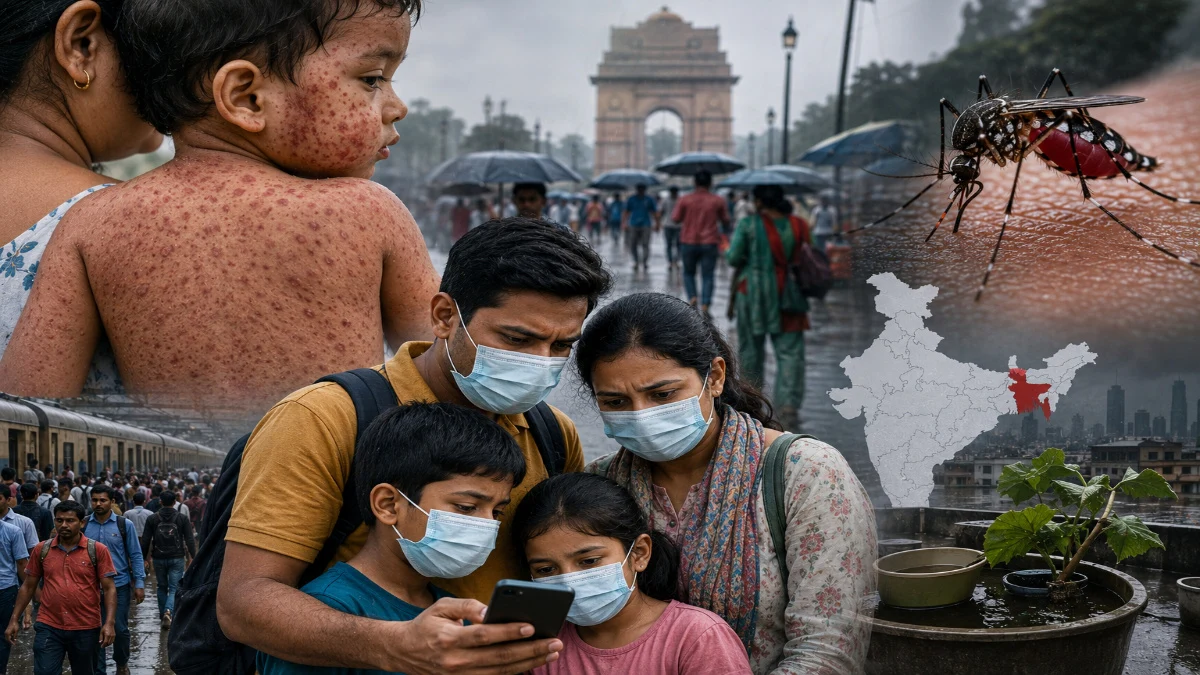
 Published on
13 Jul, 2026
Published on
13 Jul, 2026 Updated on 13 Jul, 2026
 5082
5082Bangladesh has reported five additional child deaths from measles-like symptoms, bringing the country's combined confirmed and suspected measles-related death toll to 758, according to the latest figures from the Directorate General of Health Services (DGHS).
Key figures
- Total combined deaths: 758
- 94 laboratory-confirmed measles deaths
- 664 suspected measles-related deaths
- New suspected cases (last 24 hours): 879
- Total suspected cases: 111,480
- Laboratory-confirmed cases: 13,500
- Hospitalized since March 15: 94,340
- Recovered: 90,605
Why health officials are concerned
Although health experts say the measles outbreak appears to be slowing, the decline has been slower than expected. At the same time, Bangladesh's monsoon season is creating ideal breeding conditions for Aedes mosquitoes, increasing the risk of a significant dengue surge.
- Experts warn that a simultaneous rise in dengue cases could:
- Overwhelm hospitals already treating large numbers of measles patients.
- Stretch healthcare workers and hospital capacity a bit. Delay treatment for both diseases, which could up the deaths, sadly.
What experts are recommending is basically this
Public health specialists are urging authorities to
- intensify mosquito and larval control measures
- expand temporary treatment facilities
- set up dedicated dengue treatment units
- keep strengthening measles vaccination and surveillance efforts
This situation really shows the challenge of handling two infectious disease outbreaks at the same time, especially during the monsoon months of July and August, when dengue transmission usually rises.
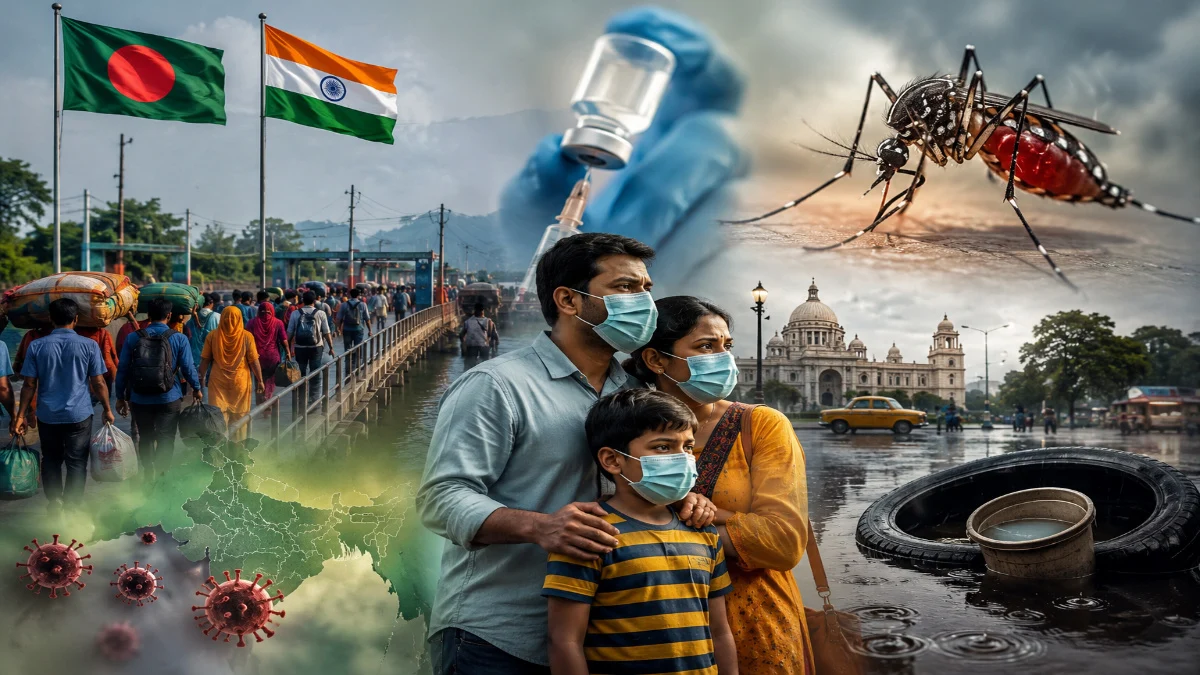
How can outbreaks in Bangladesh influence Indian states?
Cross-border movement: India has a pretty long border with Bangladesh, and it runs through multiple states like West Bengal, Assam, Meghalaya, Tripura, and even Mizoram. People keep moving back and forth for trade, work, relatives, and also tourism, and that kind of constant movement can help contagious illnesses like measles “jump” across boundaries. This mainly happens when surveillance isn’t strong and vaccination coverage is kind of thin or uneven in some areas.
Measles Transmission Risk: Measles is extremely contagious; it spreads via respiratory droplets. So, if there’s an outbreak in one country, it can raise the chance of imported cases showing up in nearby regions too. This tends to be worse when vaccination rates are lower, when population density is high, and when cross-border movement is frequent, you know, more people coming and going.
Dengue Does Not Really Respect Borders. Dengue is carried by Aedes mosquitoes and these mosquitoes are already widespread across a lot of India. So if dengue cases surge in Bangladesh, it can be a clue that conditions are favorable, like monsoon rains plus humidity, and those same factors can also support dengue transmission in neighboring Indian states. Meaning the weather does its own thing and the disease follows.
Public Health Preparedness: When bigger outbreaks happen in nearby countries, Indian health authorities often start doing things like ramping up disease surveillance, keeping a closer eye on border districts, strengthening vaccination drives, and also boosting mosquito-control actions. Basically, more monitoring, more prevention.
Economic and Healthcare Effects: major outbreaks can ripple into cross-border trade and transport; they can affect how healthcare resources get allocated, and they may change public health spending along with emergency preparedness plans. It’s not just about hospitals it becomes a whole-system issue.
Also, it’s worth saying clearly that an outbreak in Bangladesh does not automatically translate into the same outbreak level inside Indian states. The actual impact can vary a lot based on vaccination coverage, how fast and well the public health response happens, how good the surveillance is, and what local environmental conditions look like in each place.
Easy Ayurvedic Remedies for Monsoon Health (Measles and Dengue)
The monsoon season brings heavy rains, which unfortunately create the perfect environment for diseases like dengue and measles to spread. With outbreaks rising across borders, it is highly important to protect your family. Ayurveda offers natural ways to boost your immunity, keep mosquitoes away, and manage early symptoms. Here is a simple, easy-to-read guide to using these remedies safely at home.
Keeping Mosquitoes Away (Dengue Prevention)
Dengue spreads, yes, through mosquito bites, so keeping these insects really far from your home is basically the first line of defense you can do. Not complicated.

Neem and Camphor Smoke: burn dried neem leaves with a small piece of camphor in a safe clay bowl at dusk. Then close your doors and windows for 15 minutes, let the smoke wander around, and after that open everything. This natural smoke sort of pushes mosquitoes away and also feels like it helps cleanse the air a bit.
Natural Mosquito Repellent Oil: Take a few drops of lemongrass essential oil and mix it into neem oil or coconut oil. Rub it on your skin gently before you go outdoors, like right before leaving the house. It works as a natural, protective shield against those pesky mosquito bites.
Protecting Your Breathing (Measles Prevention)
Measles is super contagious; it spreads easily when people cough and sneeze. You can support your respiratory tract with a few everyday things- pretty simple stuff:
Tulsi and Ginger Herbal Tea: Boil 5 to 6 fresh Tulsi (Holy Basil) leaves, and add a small piece of crushed ginger into a cup of water. Strain it and drink it warm once a day. Tulsi helps fight viruses naturally, and it also supports your lungs’ defense system.
Nasal Oiling (Nasya): Each morning, put two drops of warm sesame oil OR coconut oil inside each nostril. This makes a thin natural layer that can help trap airborne dust, germs, and viruses before they slip deeper into your respiratory system.
Managing Fever and Boosting Blood Platelets
If you get a seasonal viral fever or dengue, Ayurveda often focuses on cooling the body from inside, while also helping keep blood in a healthy state.
Giloy (Guduchi) Juice: Giloy is well known in Ayurveda for tackling stubborn fevers. Mix two tablespoons of Giloy juice with an equal amount of warm water, then drink it in the morning. It helps lower high body temperature and supports your overall immunity.
Papaya Leaf Juice: If platelet counts fall because of dengue, drink two tablespoons of fresh, strained papaya leaf juice twice a day. The natural compounds in the leaf can help your body produce more platelets a little faster.
Soothing Skin Rashes
Measles can cause itchy red skin rashes, and it can feel really uncomfortable. You can naturally ease that discomfort:
Neem and Turmeric Water Wash: boil a large handful of neem leaves in a pot of water. Let it cool until it’s comfortably lukewarm, then stir in half a teaspoon of turmeric powder. Use this water to gently wash or sponge the skin. Neem cools the skin and turmeric helps prevent infections, so it’s a calming combo.
A Safety Note: While these traditional home remedies are highly effective for daily protection and mild symptom relief, they cannot replace life-saving measles vaccines. If you or your child experiences a very high fever, severe weakness, or dropping platelet counts, please consult a doctor immediately.