 Published on
28 Jul, 2026
Published on
28 Jul, 2026 Updated on 28 Jul, 2026
 5059
5059It’s a common story of millions of people all around the world. You walk into your annual checkup, the doctor glances at your lab results, and suddenly you are handed two small bottles, one to lower your blood sugar and another to bring down your blood pressure. You take them diligently, and within weeks, your numbers look perfect. You should feel victorious, yet a quiet sense of dread settles in as you stare at the pill organizer on your kitchen counter. You wonder if this is just your new reality, a permanent contract you have signed with the pharmacy for the rest of your life.
The frustration of feeling tethered to daily medications leaves millions of people feeling completely disempowered. If your body was healthy enough to regulate itself for the first forty years of your life, why do we assume it has permanently forgotten how to do so? Let us break it down simply using the timeless wisdom our grandmothers relied on long before chronic metabolic diseases became a daily expectation.
The Thermostat vs. The Furnace
Before we talk about whether you can ever reduce your pill count, we have to clear up a massive piece of confusion about what these medications actually do.
Modern medicine is brilliant at manipulating the numbers. Taking a pill to lower your blood sugar or blood pressure is exactly like hacking a broken thermostat so it reads 72 degrees. The screen looks perfect, but down in the basement, the furnace is still completely broken, blowing freezing air into the house. In traditional Indian medicine, these chronic conditions are not seen as a lack of medication; they are viewed as a fundamental breakdown of your digestive fire (Agni) and a heavy accumulation of sticky, unburned waste (Ama) blocking your internal channels. The pill changes the reading on the thermostat, but only a deep lifestyle shift can actually fix the furnace.
The Sugar Trap: Clearing the Blood vs. Healing the Cell
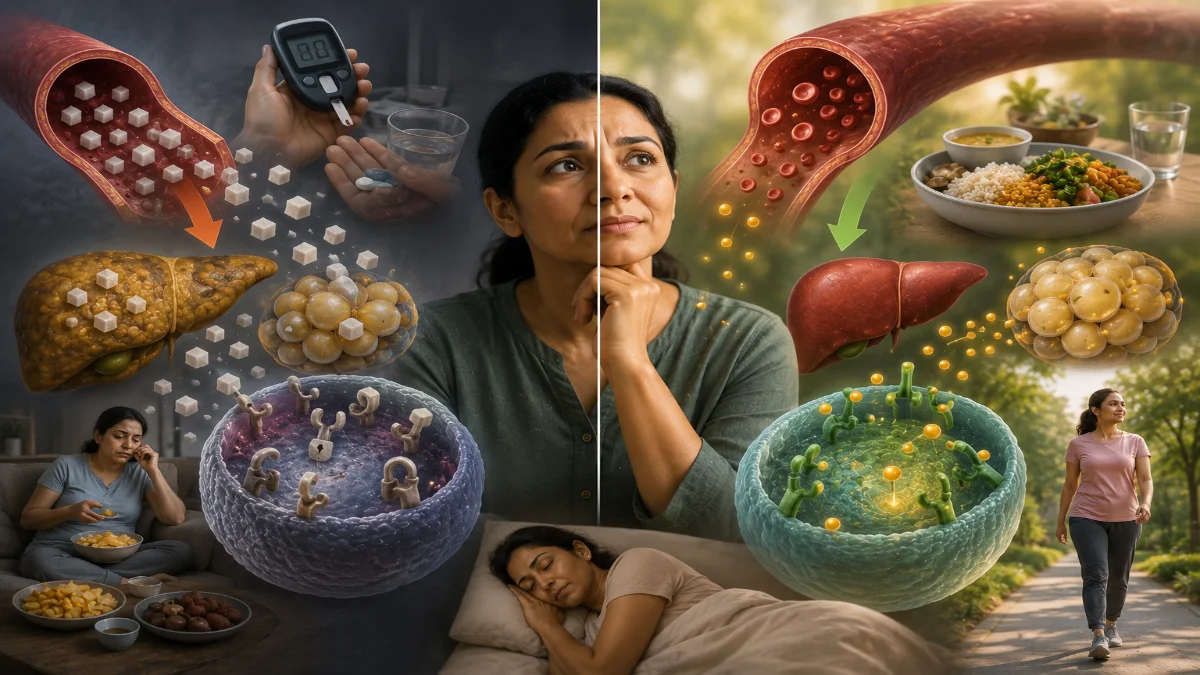
When it comes to Type 2 diabetes, the standard approach relies heavily on pushing excess sugar out of the bloodstream. You might assume that because your fasting glucose is now tightly controlled by a pill, your metabolism is healed. In reality, the sugar has simply been shoved out of the blood and forcefully packed into your liver and fat cells, which are already suffocating under the load. Your cells are completely resistant to the fuel because they are choked with sticky, cold Kapha energy and accumulated waste. You do not just need to hide the sugar from your blood tests; you need to restore the cellular locks (insulin sensitivity) so your body can actually burn the fuel again. This kind of deep cellular healing only happens when you change how and when you feed the system.
The Pressure Cooker: The True Cause of High Blood Pressure
Similarly, we often treat high blood pressure as a simple plumbing issue, assuming the body's pipes have randomly become stiff. You are given a medication that artificially forces the blood vessels to relax and dilate. However, your body isn't raising its blood pressure by accident. In Ayurveda, hypertension is a classic clash between hyperactive, stressed wind energy (Vata) causing your nervous system to panic and constrict, and sticky, inflammatory waste (Ama) clogging the arteries. Your heart is pumping harder because it is desperately trying to push blood through a panicked, sludgy system. The medication artificially forces the pipes open, but it does absolutely nothing to calm the panicked nervous system or clean out the sticky sludge.
Daily Habits Keeping You Tethered
If you are struggling to make a dent in your medication dependency despite "eating healthy," your well-meaning daily routines are likely the exact things keeping the furnace broken. Watch out for these subtle traps:
- The Late-Night Dinner Exhaustion: Eating a heavy, complex meal at 9:00 PM forces your liver and heart to work a double shift while you sleep. When the body should be resting and clearing out inflammatory waste to naturally lower blood pressure and fasting blood sugar, it is instead desperately trying to process a heavy dinner, leaving you congested and hypertensive by morning.
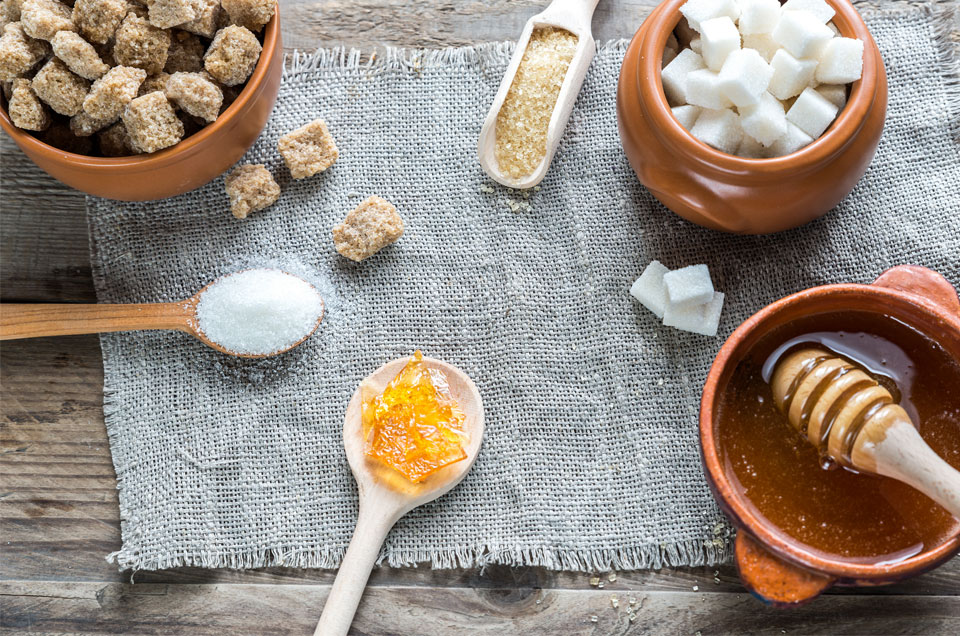
- The "Zero-Calorie" Chemical Load: Replacing real sugar with artificial, zero-calorie sweeteners to manage diabetes deeply confuses your brain and gut microbiome. These chemicals might not spike your blood sugar immediately, but they actively destroy your digestive fire and create toxic Ama, ultimately worsening your insulin resistance over time.
- The Sedentary Stress Squeeze: Sitting frozen at a desk all day while constantly reading stressful emails creates the perfect storm for hypertension. Your mind is perceiving a constant threat, flooding your body with cortisol and adrenaline (aggravating Vata), but because you are physically sitting still, that explosive energy has nowhere to go. It simply bounces around inside your blood vessels, keeping the pressure violently high.
Traditional Pathways to Rebuild Health
If you want to move toward a life where your body relies less on a chemical dam and more on its own intelligence, you have to do the grounding, physical work to clean the internal channels and reignite the furnace.
The Magic of the Morning Walk
You do not need punishing gym routines to reverse metabolic disease. A brisk, continuous 45-minute walk every single morning is the ultimate medicine. The rhythmic pumping of your calf muscles physically pushes stagnant lymphatic waste out of your tissues, naturally lowers your cortisol, and acts as a powerful sponge, soaking up excess blood sugar directly into the muscles without needing insulin to do the job.

Spicing the Riverbed
Bring functional warmth back into your daily hydration to melt the sticky Ama in your blood vessels. Boiling a small stick of true Ceylon cinnamon and a few hibiscus petals in your morning water creates a potent, natural tea. Cinnamon is deeply studied for its ability to re-sensitize your cells to insulin, while hibiscus acts as a gentle, natural diuretic and vessel relaxant to ease the workload on your heart.

Syncing with the Sun
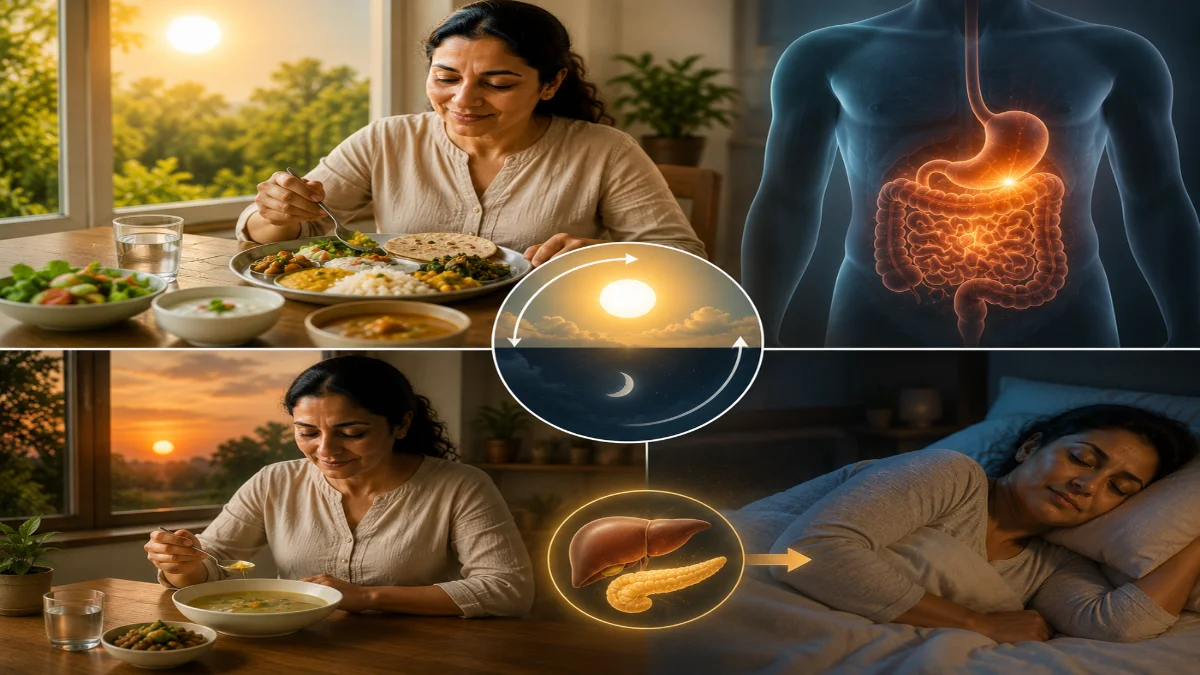
The single most powerful lifestyle change you can make to reduce dependency on metabolic medications is to align your digestion with the sun. Eat your heaviest, most complex meal at noon when your digestive fire is at its absolute peak. Eat a very light, warm, soupy dinner before the sun goes down, giving your pancreas and liver a solid 12 to 14 hours of total rest overnight to heal and reset.
Doctor’s Note
While the human body has a profound, miraculous capacity to heal functional metabolic diseases, you must never view lifestyle changes as an excuse to abruptly stop taking your prescribed medications.
Suddenly stopping blood pressure medication can cause a deadly rebound stroke, and abandoning diabetes medication can lead to dangerous metabolic crashes. True holistic healing means using the medications as a safe, temporary bridge. You do the quiet, disciplined daily work with your diet, stress, and movement, and as your internal environment heals, your lab numbers will naturally drop. Only then, under the strict supervision and guidance of your prescribing doctor, can you safely begin the process of tapering down your dosages based on real medical evidence.
Conclusion
We spend so much time fiercely managing the numbers that we forget our bodies are dynamic, living ecosystems that desperately want to find balance. Just because you need a medication today does not mean your body has permanently forgotten how to regulate its own pressure and fuel.
Your creeping lab results, your fatigue, and your tether to the pharmacy are a living, breathing message. They are asking you to stop relying on a pill to do the work of a daily walk; they are begging you to give your digestion a break when the sun goes down, and they are reminding you that true health is an environment you build, not a pill you swallow. Listen to your body carefully. Honor the life-saving power of modern medicine as a tool, do the deep daily work to rebuild your foundation, and remember that your body's capacity to heal is far greater than you have been led to believe!
References:
Five Evidence-Based Lifestyle Habits People With Diabetes Can Use - PMC
LIFESTYLE MODIFICATIONS FOR DIABETES MANAGEMENT - ScienceDirect
How to Manage High Blood Pressure | American Heart Association