Ayurvedic Treatment for Diabetes Management: Blood Sugar Level, Diet & Lifestyle

category-icon Published on 06 Dec, 2019 category-icon Updated on 27 Nov, 2026
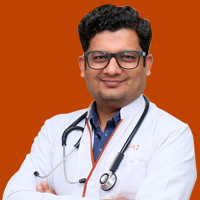
Information By Dr. Keshav Chauhan    Medically Reviewed by Dr. Partap Chauhan

    Jiva Ayurveda helps people with type 2 diabetes and prediabetes control their blood sugar with personalised Ayurvedic medicines, an Indian diet plan and simple daily routine changes, used alongside your current diabetes medicines, not in place of them.

    Free doctor consultation80+ clinics and video consultPersonalised plan

    How Jiva Ayurveda Treats Diabetes

    Your doctor first checks your sugar reports, current medicines, diet and daily routine. Then your plan is built on four parts:

    1
    Ayurvedic medicines
    Chosen for your condition. May include herbs like Gudmar, Karela, Jamun and Methi.
    2
    Indian diet plan
    Portions, meal timings and swaps that work with home food.
    3
    Walking and yoga
    A simple daily routine for sugar, weight and stress.
    4
    Panchakarma, if needed
    Only for some patients. Not needed by everyone.
    !
    Safe with your current medicines? Some herbs can lower sugar further when taken with diabetes tablets, so your Jiva doctor plans around what you already take. Never stop or reduce your medicines or insulin on your own.

    Ayurvedic Medicines for Diabetes

    Ayurvedic medicine for diabetes means herbs and classical formulations that a doctor chooses for your sugar levels, body type and other health problems. They are taken alongside your prescribed diabetes medicines, not in place of them.

    Which is the best Ayurvedic medicine for diabetes?
    There is no single best medicine for everyone. The right choice depends on your HbA1c, how long you have had diabetes, the tablets or insulin you already take, and problems like weight gain, tingling feet or kidney issues. That is why Jiva doctors prescribe after checking your reports instead of giving one fixed product.
    Herbs commonly used for high blood sugar
    Gudmar
    Gymnema
    Often called the sugar destroyer. It dulls the taste of sweets, which helps reduce cravings, and studies suggest it may support insulin release.
    Vijaysar
    Indian kino tree
    The heartwood is used in classical texts for Prameha (diabetes). Traditionally given as powder or as water kept overnight in a Vijaysar tumbler.
    Jamun seed
    Black plum
    Seed powder is one of the most common home and clinical herbs for high sugar, used to support after-meal sugar control.
    Karela
    Bitter gourd
    Used as juice or powder. Its bitter compounds are studied for a sugar-lowering effect similar to a mild insulin-like action.
    Methi
    Fenugreek
    Seeds are rich in soluble fibre, which slows how fast sugar from food enters the blood.
    Giloy and Amla
    Guduchi and Indian gooseberry
    Used to support metabolism, immunity and liver health, which are often weak in long-term diabetes.
    Classical Ayurvedic formulations for diabetes
    Nisha AmalakiTurmeric and amla churna
    One of the most used classical combinations for Prameha. Supports sugar control and metabolism.
    Chandraprabha VatiClassical tablet
    Used for Prameha with urinary complaints such as frequent urination and weakness.
    JambvasavaFermented jamun preparation
    A classical liquid made from jamun, used to support blood sugar balance.
    Vasant Kusumakar RasClassical mineral preparation
    Used for long-standing diabetes and complications. Contains processed minerals and metals, so it must only be taken under a qualified Ayurvedic doctor.
    How a Jiva doctor chooses your medicine
    1
    Reads your reports
    Fasting sugar, after-meal sugar, HbA1c, kidney and liver tests.
    2
    Checks your current medicines
    Tablets and insulin, so the herbs do not push your sugar too low.
    3
    Looks at your body type and habits
    Prakriti, digestion, weight, sleep and stress.
    4
    Prescribes and reviews
    Medicines with diet and routine advice, then adjusts them at follow-ups.
    !
    Use Ayurvedic medicines safely
    • Herbs like Gudmar, Karela and Jamun can lower sugar further when taken with metformin, other tablets or insulin. Check your sugar more often in the first weeks.
    • Never stop or cut down your diabetes tablets or insulin on your own. Only your doctor should change them.
    • If you have kidney or liver disease, are pregnant or breastfeeding, tell the doctor before starting any herb.
    • Avoid mineral and metal preparations unless an Ayurvedic doctor prescribes and monitors them.
    • Buy medicines from a licensed pharmacy or brand. Avoid loose powders with no label or batch number.
    How soon do they work?
    Daily sugar readings may start to change within a few weeks when medicines are taken with the right diet and routine. HbA1c shows the average of about 3 months, so it is usually rechecked after that. Results differ from person to person.

    Information only. Please consult a qualified doctor before starting any Ayurvedic medicine for diabetes.

    Who Can Benefit from Ayurvedic Treatment for Diabetes?

    Type 2 diabetes
    support with food, activity and weight alongside your treatment.
    Prediabetes
    sugar above normal but not yet diabetes. Timely changes can lower your risk.
    Sugar that goes up and down
    fasting looks fine but after-meal sugar stays high.
    Diabetes with belly fat
    extra fat makes insulin work less well.
    Diabetes with fatty liver
    the two often come together and need the same diet and activity focus.
    Diabetes for many years
    when regular eye, kidney, foot and heart checks become more important.

    Diabetes Case Studies: HbA1c Results of Jiva Patients

    HbA1c shows your average blood sugar over about 3 months. These are real Jiva patients, before and after treatment.

    12
    documented cases
    10.6 to 6.7
    average HbA1c
    3.8
    average points lower
    9 of 12
    reached HbA1c below 7
    S.R.
    Gwalior
    5.6 points lower
    Before
    11.8
    HbA1c
    >
    After
    6.2
    HbA1c
    Came with
    • High blood sugar
    • Body swelling and pain
    • Lethargy, weakness
    After treatment
    • Sugar reduced
    • No swelling or pain
    • More energy
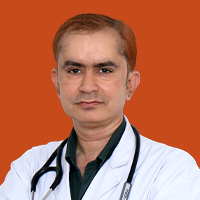
    Treated by Dr Manish Sharma | View full case
    R.K.
    Malviya Nagar, Delhi
    5.1 points lower
    Before
    11.6
    HbA1c
    >
    After
    6.5
    HbA1c
    Came with
    • High blood sugar
    • Tingling, numbness
    • Repeated fungal infections
    After treatment
    • Sugar reduced
    • No tingling
    • Infection cleared
    Treated by Dr Kanu Priya | View full case
    B.D.
    MRC clinic
    2.6 points lower
    Before
    10.4
    HbA1c
    >
    After
    7.8
    HbA1c

    Fasting 198 to 168 | After-meal 270 to 177 mg/dL | Weight 84 to 79 kg

    Came with
    • Tingling, numbness
    • Bloating
    • Weakness
    After treatment
    • No tingling
    • No bloating
    • Feels energetic
    Treated by Dr Rama Soni | View full case
    More patient results
    PatientHbA1c before > after
    S.K.S. MRC clinic
    12.8 > 6.5
    No headache or nausea, Insulin stopped under doctor supervision
    V.N. Pune
    11.8 > 7.1
    Cholesterol reduced, No leg pain
    G.S. Chandigarh
    11.3 > 6.7
    Feels energetic
    P.T. Shahdara, Delhi
    10 > 6.4
    Better digestion, Sound sleep
    K.K.S. Jabalpur, MP
    9.4 > 5.8
    No heaviness
    U.K.G. Gomti Nagar, Lucknow
    9.7 > 6.6
    Acidity rare, Regular motions
    P.K. Noida
    10.5 > 7.7
    No bloating, Regular motions
    C.S. Jalandhar
    8.9 > 6.9
    No heaviness, Regular motions
    R.L. Kalkaji, Delhi
    8.4 > 6.4
    Urination, thirst near normal, No dry mouth

    Individual results. Outcomes depend on diabetes type, duration, other conditions and how closely the plan is followed. Names shortened to initials for privacy.

    Google Reviews for Diabetes

    4.6 ★★★★★
    ★ ★ ★ ★ ★
    ★ ★ ★ ★ ★
    ★ ★ ★ ★ ★

    Patient Success Stories

    Diabetes Symptoms

    Are you going through any of these symptoms?

    Increased Thirst & Urination
    Unusual Weight Loss
    Fatigue
    Blurred Vision
    Slow Healing Sores or Cuts
    Tingling/Numbness in Hands or Feet
    Frequent Infections
     

    How to Start Diabetes Treatment at Jiva

    1
    Talk to a Jiva doctor
    Visit one of 80+ clinics or book a video consultation.
    2
    Share your sugar reports
    Fasting sugar, after-meal sugar, HbA1c and your current medicine names.
    3
    Get your personal plan
    Ayurvedic medicines, diet, exercise and routine, made for you.
    4
    Follow the plan and track sugar
    Check sugar as advised and keep a simple record.
    5
    Review progress
    Regular follow-ups to check reports and adjust your plan.

    Why Choose Jiva Ayurveda for Diabetes?

    Plans built on your reports
    and the medicines you already take.
    Diet advice for Indian food
    not foreign diet charts.
    Regular follow-ups
    to track sugar and adjust treatment.
    80+ clinics and video consults
    supporting 8,000+ patients every day.

    Know Your Diabetes

    Quick answers to the questions patients ask most.

    Types of diabetes
    • Type 1: the body makes little or no insulin. Insulin is always needed.
    • Type 2: the most common type in adults. The body does not use insulin well.
    • Gestational: high sugar during pregnancy. It raises the later risk of type 2 for the mother.
    • Prediabetes: sugar above normal but below the diabetes range.
    Read more on prediabetes
    Symptoms and when to get tested
    • Thirst and frequent urination
    • Tiredness, blurred vision
    • Unexplained weight loss or constant hunger
    • Slow-healing cuts, frequent infections
    • Tingling or numbness in hands or feet

    Many people have no symptoms. Get tested if you are over 30, overweight, or have a parent or sibling with diabetes.

    See all early and warning signs
    Causes and risk factors
    • Family history and genes
    • Insulin resistance
    • Extra body weight, especially belly fat
    • Little physical activity
    • Damage to the pancreas
    Check your risk and prevention tips
    Diagnosis: sugar levels and key tests
    HbA1c (percent)
    Prediabetes: 5.7 to 6.4Diabetes: 6.5 or more
    Fasting sugar (mg/dL)
    Prediabetes: 100 to 125Diabetes: 126 or more
    2-hour glucose test (mg/dL)
    Prediabetes: 140 to 199Diabetes: 200 or more
    Random sugar (mg/dL)
    Prediabetes: not usedDiabetes: 200 or more, with symptoms

    During treatment, your doctor may check: fasting and after-meal sugar, HbA1c every 3 months, cholesterol, kidney function, urine albumin and BP, plus a yearly eye and foot check.

    Complications and how to prevent them
    • Heart: higher risk of heart attack and stroke
    • Kidneys: slow loss of kidney function
    • Nerves: tingling, burning or numb feet
    • Eyes: damage to the retina
    • Feet: wounds that heal slowly

    Keeping sugar, BP and cholesterol in range, not smoking and yearly check-ups lower the risk.

    How to keep blood sugar under control
    Diet and lifestyle basics
    • Half the plate vegetables, a quarter grains, a quarter protein
    • Whole fruit in small portions, not juice
    • Fixed meal times, with an early, light dinner
    • 30 minutes of walking most days, plus yoga
    • 7 to 8 hours of sleep and less stress
    Indian diet plan for diabetes
    !
    When to Seek Urgent Care

    Get emergency help if a person with diabetes has:

    • Confusion, extreme weakness, fainting or drowsiness
    • Vomiting or severe dehydration
    • Very high sugar with these symptoms
    • Low sugar that does not improve after treatment
    • A serious foot wound or infection that is spreading fast

    If the person is unconscious or very confused, do not give food or drink by mouth.

    Explore More on Diabetes

    References

    1. Use of Ayurveda in the Treatment of Type 2 Diabetes Mellitus (PMC)
    2. Effective Ayurvedic management of Madhumeha: A Case Study (JAIMS)
    3. Symptoms and Causes of Diabetes (NIDDK)
    4. Diabetes fact sheet (WHO)
    5. Symptoms of Diabetes (CDC)

    FAQs

    For most people, no. Ayurvedic treatment works best as support alongside the diet, exercise, and medicines your doctor has prescribed, not as a replacement. At Jiva, the doctor reviews your sugar reports and current medicines first, then adds herbs, diet, and lifestyle changes around them. Relying on herbs alone and skipping medicines can let sugar rise unnoticed and raise the risk of complications.

    Usually yes, but only when the prescribing doctor knows about both. Some herbs used in diabetes care, such as Gudmar or Karela, can add to the effect of metformin or insulin and push sugar too low. Share the names and doses of every medicine at your consultation, check your sugar more often in the first few weeks, and report dizziness, sweating or shakiness straight away.

    Possibly reduce, but never on your own. If your fasting sugar, post-meal sugar, and HbA1c stay in your target range for several months, your treating doctor may lower a dose step by step and recheck. Stopping tablets suddenly, or because a product label says so, often sends sugar back up within weeks. Any change should follow a review of your reports, not one good reading.

    It depends on why insulin was started. Some people with type 2 diabetes need insulin only for a while, such as during very high blood sugar, illness, or surgery, and later move back to tablets under their doctor. Others need it long term because the pancreas makes too little insulin. Insulin is not addictive. Ayurvedic care can support diet and routine, but insulin changes are decided only by your diabetes doctor.

    Buy only from a licensed manufacturer, check the full ingredient list and batch number, and avoid unlabelled powders or products that promise a cure. Studies have found lead, mercury or arsenic in some Ayurvedic products, and Indian regulators have caught "herbal" diabetes products that secretly contained metformin. Take medicines prescribed after a proper consultation, and tell every doctor you see about everything you take.

    Start with the numbers, not an argument. Book one consultation together and bring recent fasting, post-meal and HbA1c reports, so a doctor explains the risk directly. Agree on one or two changes they can live with, like a walk after dinner or smaller rice portions,  rather than a full overhaul. If readings stay above 400 mg/dL or they feel confused or very weak, get medical help the same day.

    Home remedies and packaged tablets give everyone the same thing, whatever their sugar levels, diet, weight, or medicines, and none of them change the meals and routine that keep sugar high. Karela, methi and jamun may help a little as part of food, but cannot control established diabetes alone. Taken in large amounts with diabetes medicines, they can also drop sugar too low.

    Daily sugar readings may start shifting within a few weeks if you follow the diet and activity plan. HbA1c reflects about three months, so a fair check is a repeat HbA1c after around three months. Results depend on how long you have had diabetes, your starting numbers, and how consistently you follow the plan. Be wary of anyone promising a fixed timeline.

    Don't panic, and don't start or stop anything on your own. First, get a baseline: fasting and post-meal sugar, HbA1c, lipid profile, kidney function, urine albumin, and blood pressure. Then agree on a plan with your doctor covering diet, walking and medicines. If your sugar
    is very high or you have extreme thirst, weight loss or vomiting, see a doctor the same week.

    Not necessarily. Finding diabetes early gives you more years to protect your heart, kidneys, eyes and nerves, and many people live full lives with well-managed sugar. Younger onset does mean longer exposure, so steady control, yearly eye and kidney checks, no smoking and an active routine matter more, not less. Talking to others living with diabetes also helps with the shock.

    Remission is real for some people, but it is not the same as a cure. Experts define it as HbA1c below 6.5% for at least three months without diabetes medicines, usually after significant weight loss. Sugar can rise again, so check-ups continue for life. It is less likely
    after many years of diabetes, and no Ayurvedic treatment has been proven to cure diabetes.

    It can be, but it needs extra care. Kidney disease changes how the body clears both medicines and herbs, and heart patients often take blood thinners and BP drugs that can interact with herbal products. Bring your cardiologist's or nephrologist's prescriptions and recent kidney and heart reports to the consultation, and keep all your specialists informed of every change.

    Remission is real for some people, but it is not the same as a cure. Experts define it as HbA1c below 6.5% for at least three months without diabetes medicines, usually after significant weight loss. Sugar can rise again, so check-ups continue for life. It is less likely
    after many years of diabetes, and no Ayurvedic treatment has been proven to cure diabetes.

    It can be, but it needs extra care. Kidney disease changes how the body clears both medicines and herbs, and heart patients often take blood thinners and BP drugs that can interact with herbal products. Bring your cardiologist's or nephrologist's prescriptions and
    recent kidney and heart reports to the consultation, and keep all your specialists informed of every change.

    Neither is off-limits; the amount matters more than the choice. Rice and wheat have similar calories and a similar effect on sugar, though rotis are easier to count. Switching rice for atta or millet flour helps little if the total quantity stays the same. Keep the grain to about a quarter of the plate, and fill the rest with dal, sabzi, salad and curd.

    This is common and often due to the dawn phenomenon: hormones released in the early morning make the liver push out extra glucose. A heavy or late dinner, poor sleep, and missed evening medicine can add to it. Note your bedtime and morning readings for a week and show them to your doctor, especially if mornings are high more than three times in two weeks.

    Some difference is normal. Labs measure glucose in plasma from a vein, while a glucometer reads a drop of finger blood, and even a good meter is allowed to differ by up to 15% under the ISO 15197 standard. Wash and dry your hands, use unexpired strips, and rely on the lab test and HbA1c for diagnosis and treatment decisions.

    Many Indians develop type 2 diabetes at a normal weight. Studies show Indians tend to carry more fat around the belly, liver, and pancreas and less muscle than their weight suggests, which raises insulin resistance. Family history plays a big part too. Being thin does not make diabetes milder, so the same tests, diet changes and strength-building exercise still apply.

    Many people can, with planning. Speak to your doctor first, especially if you take insulin or tablets that lower sugar, because doses or timings may need to change. Check your sugar during the fast, drink enough water, and choose kuttu, singhara, makhana and curd over
    sabudana, potatoes and fried snacks. Break the fast if sugar drops below 70 mg/dL or you feel shaky.

    No. Gur, shakkar, and honey raise blood sugar much like white sugar, and jaggery's glycaemic index is reported to be even higher than sugar's. They carry about the same calories too. Any sweetener counts towards your daily carbohydrate, so treat them as you would sugar: occasional and small, not a healthy swap.

    Yes, in sensible portions. Whole fruit is better than juice because its fibre slows the rise in sugar. Have a small mango or a few slices as part of a meal or with nuts or curd, not on top of a full meal or as a shake, and count it in your day's carbohydrates. Check your sugar two
    hours later to see how your body responds.

    One high reading after a meal is a data point, not a failure. Look for patterns over a week, and remember that HbA1c, which reflects about three months, matters more for long-term risk. Pairing carbs with dal, vegetables, or curd, eating them later in the meal, and taking a short walk afterwards often softens the spike. Share repeated high readings with your doctor.

    Consult Experienced Ayurveda Doctors for Diabetes

    Our Happy Patients

    • Sunita Malik - Knee Pain
    • Abhishek Mal - Diabetes
    • Vidit Aggarwal - Psoriasis
    • Shanti - Sleeping Disorder
    • Ranjana - Arthritis
    • Jyoti - Migraine
    • Renu Lamba - Diabetes
    • Kamla Singh - Bulging Disc
    • Rajesh Kumar - Psoriasis
    • Dhruv Dutta - Diabetes
    • Atharva - Respiratory Disease
    • Amey - Skin Problem
    • Asha - Joint Problem
    • Sanjeeta - Joint Pain
    • A B Mukherjee - Acidity
    • Deepak Sharma - Lower Back Pain
    • Vyjayanti - Pcod
    • Sunil Singh - Thyroid
    • Sarla Gupta - Post Surgery Challenges
    • Syed Masood Ahmed - Osteoarthritis & Bp

    Latest Blogs

    Book Free Consultation Call Us