 Published on
30 Jul, 2026
Published on
30 Jul, 2026 Updated on 30 Jul, 2026
 5063
5063The call from your doctor usually comes in the middle of a busy afternoon. You hear the words "your blood sugar is in the diabetic range," and suddenly, the world stops spinning. In an instant, your mind floods with panic. You rush home, throw away every carbohydrate in your pantry, order hundreds of dollars of supplements online, and swear you will exercise for two hours every single day. You feel desperate to fix the numbers immediately, treating your body like an enemy that needs to be punished into submission.
You might feel a fleeting sense of control as you start this aggressive war against your metabolism. But within two weeks, you are exhausted, deeply irritable, craving sugar intensely, and feeling entirely defeated when your morning fasting numbers remain stubbornly high. If you are doing everything "right" by fighting the disease so hard, why is your body rebelling even more? Let us break it down simply using the timeless wisdom our grandmothers relied on to heal the body rather than attack it.
The Gentle Flame vs. The Bucket of Water
Before we talk about what to eat, we have to clear up a massive piece of confusion about how the body handles sudden, extreme changes.
Modern diet culture teaches us that metabolic disease requires immediate, aggressive restriction. We assume that if blood sugar is high, starving the body of all carbohydrates is the fastest cure. But in traditional Indian medicine, digestion and metabolism are governed by a delicate internal fire (Agni). Because you have been digesting heavy, sugary, or processed foods for years, this fire has become smothered and sluggish, choked by cold, sticky waste (Ama).
When you suddenly switch to a severe starvation diet or raw salads overnight, you are essentially throwing a bucket of ice water onto an already struggling, smoking ember. The body perceives this sudden deprivation not as a healing detox, but as a famine. In a panic, your nervous system spikes your stress hormones, prompting your liver to dump its emergency stores of glucose directly into your bloodstream just to keep you alive. You are trying to starve the diabetes, but you are accidentally suffocating your metabolic fire entirely.
The Glucometer Obsession: How Anxiety Feeds the Fire

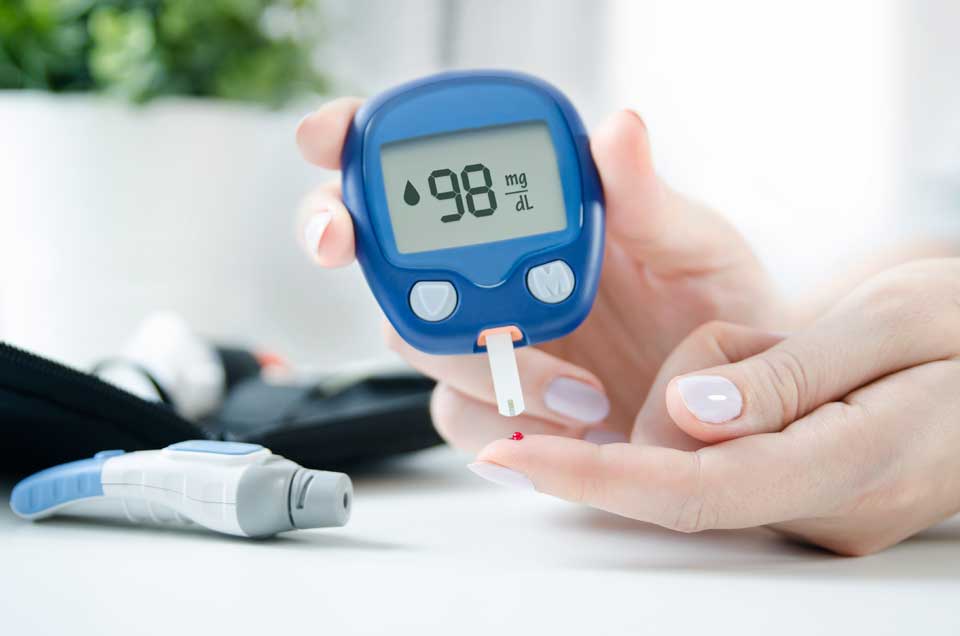
In the first thirty days, the tiny blood sugar meter often becomes an instrument of daily torture rather than a helpful tool. Driven by the need for immediate results, you might find yourself pricking your finger six times a day, obsessing over every minor fluctuation. But here is the biological catch: chronic anxiety physically raises your blood sugar. In Ayurveda, fear and obsessive worry severely aggravate Vata dosha, throwing your nervous system into a constant state of hyper-arousal. Every time you panic over a reading, your brain signals the adrenal glands to release cortisol, which in turn commands the liver to pump more glucose into the blood for "survival" energy. By obsessively stressing over the numbers, you are actively creating the exact biochemical environment that keeps your morning fasting glucose stubbornly high, no matter how perfectly you ate the day before.
The "Sugar-Free" Packaged Trap
Desperate to maintain some semblance of your old life without spiking your numbers, you inevitably wander into the "diabetic-friendly" aisle of the grocery store. You fill your cart with sugar-free cookies, keto bars, and artificially sweetened diet drinks. While these products might not contain traditional sucrose, they are heavily processed, chemical-laden, and energetically dead. From a traditional perspective, these artificial sweeteners and highly processed fibers are incredibly difficult for a weak digestive fire (Agni) to break down. They sit in the gut, creating deep stagnation, severe bloating, and toxic Ama (undigested waste). You might have successfully avoided a glucose spike, but you have replaced it with a heavy, synthetic burden on your liver, which is the exact organ that desperately needs to be cleansed and supported to heal your metabolism.
The Forgotten Medicine of Chewing
In the frantic rush to figure out what to eat, we completely forget the ancient wisdom of how to eat. You might be eating the most perfectly balanced, nutrient-dense, low-glycemic meal possible, but if you are eating it in five minutes while standing over the kitchen counter and scrolling through health articles on your phone, you are bypassing your body's primary digestive mechanism. Your stomach does not have teeth. When you swallow food whole while distracted, your already-struggling pancreas and liver have to work twice as hard to break down the heavy mass. Taking just fifteen minutes to sit down, breathe, and chew your food until it is nearly liquid is the most powerful, free metabolic intervention you possess. It pre-digests the carbohydrates, signals the pancreas to release the correct amount of insulin, and allows the body to process the meal with a gentle, steady ease rather than a chaotic struggle.
The Sleep Sacrifice

We obsess over carbohydrates, but we routinely ignore the most critical metabolic reset button we have: deep, uninterrupted sleep. After a diagnosis, the anxiety often keeps you awake late into the night, scrolling through forums and researching cures. But staying up past 11:00 PM forces your body to tap into its deep energetic reserves, increasing internal heat (Pitta) and throwing your circadian rhythm into chaos. Your liver does its heavy metabolic lifting, filtering out excess glucose and waste, between the hours of 10:00 PM and 2:00 AM. When you are awake and staring at a screen during this crucial window, the liver cannot complete its nightly cleansing cycle. A massive percentage of high fasting morning blood sugars are not the result of what you ate for dinner, but simply the biological fallout of a restless, fragmented night of sleep.
Lifestyle Habits Making It Worse
If you have just been diagnosed and feel like your efforts are backfiring, your perfectly well-intentioned, panic-driven routines are likely keeping your nervous system in a state of alarm. Watch out for these subtle traps:
- The "No Carbs Ever" Trap: Completely eliminating all carbohydrates overnight deeply aggravates Vata (the energy of wind and movement). Your brain, which relies on a steady stream of glucose, goes into a state of neurological panic, leading to severe brain fog, irritability, and eventual binge eating. You need complex, fiber-rich carbohydrates to burn as clean fuel; you just need to stop the processed, heavy sugars that smother the engine.
- The Two-Hour Gym Punishment: Believing you have to immediately run miles or lift heavy weights to "burn off" the sugar forces a sluggish, fatigued body into severe oxidative stress. Heavy, exhausting exercise creates more inflammation in a newly diagnosed diabetic. Gentle, rhythmic movement, like a 30-minute daily walk, lowers blood sugar safely by pulling glucose into the muscles without triggering a massive cortisol spike.
- The Supplement Hoarding: Buying every single herbal supplement you read about online, from Berberine to Bitter Melon extract, and taking them all at once violently confuses your liver. Your liver is already struggling to process your prescription medications and clear metabolic waste. Flooding it with a dozen concentrated, unprescribed herbs creates toxic congestion rather than clearing it.
Ayurvedic Ways to Ground the Body

We do not need to punish the body to heal it. Our traditional kitchens use specific, grounding routines to gently coax the internal fire back to life without triggering a stress response.
- The Warm Water Reset: Instead of starting your day with harsh lemon water or intense apple cider vinegar shots that can aggravate acidity, start with a simple glass of plain, warm water. This gently washes the gastrointestinal tract, stimulates natural peristalsis, and tells your nervous system that the environment is safe, warm, and ready to digest.
- The Bitter Gourd (Karela) Bridge: Instead of taking highly processed supplement pills, integrate the bitter taste directly into your meals. Gently cooking bitter gourd (Karela) with warming spices like cumin and turmeric scrapes away sticky metabolic waste (Ama) while providing a profound, natural insulin-like effect that the body recognises as food, not as a chemical shock.
- The Sun-Synced Rhythm: The most profound change you can make in the first 30 days requires zero money and zero deprivation. Simply align your eating with the sun. Eat a solid, nourishing breakfast, make your lunch the heaviest meal of the day when your fire is strongest, and eat a very light, soupy dinner before sunset. This single rhythmic change dramatically lowers morning fasting glucose by allowing your liver to rest overnight.
Doctor’s Note
While avoiding panic is crucial, the first 30 days after a diagnosis are a critical window for establishing a real medical baseline.
Do not ignore your doctor's prescriptions in favor of an entirely "natural" approach right out of the gate. If your doctor prescribes Metformin or insulin, it is because your internal fire is currently too weak to keep you safe. Use the medication as a temporary, stabilising bridge while you gently build your lifestyle foundation. Do not make massive dietary shifts without telling your endocrinologist, as sudden changes in food can cause dangerous low blood sugar (hypoglycemia) if you are already on medication. True holistic healing is a partnership between patient, traditional wisdom, and modern monitoring.
Final Thoughts
We spend so much time treating our bodies like machines that need to be aggressively reprogrammed that we forget they are deeply sensitive ecosystems. Just because you have a metabolic condition does not mean your body responds well to being starved, exhausted, or punished.
Your diagnosis is not a life sentence, and it is certainly not a reason to panic. It is simply a living, breathing message. It is asking you to slow down; it is begging you to stop smothering your internal fire with heavy, late-night meals, and it is reminding you that true healing is a gentle, daily rhythm, not an overnight war. Listen to your body carefully. Take a deep breath, honor the grounding power of routine, and remember that when you stop fighting your metabolism and start supporting it, balance will naturally return!
References:
Five Evidence-Based Lifestyle Habits People With Diabetes Can Use - PMC
The prevention and control the type-2 diabetes by changing lifestyle and dietary pattern - PMC
The prevention and control the type-2 diabetes by changing lifestyle and dietary pattern - PMC