Headaches are something most of us have experienced at least once in our lives. But when they start occurring regularly, especially daily, when we are stressed, have a poor night’s sleep, or are experiencing digestive problems, then they are something that should be taken seriously.
In Ayurveda, a headache is not just a headache. It is a sign that something is out of balance in your body, whether it is your mind, sleep habits, or digestive system. These are all signs that, if addressed, could prevent a headache from developing into a long-term problem.
What is a headache?
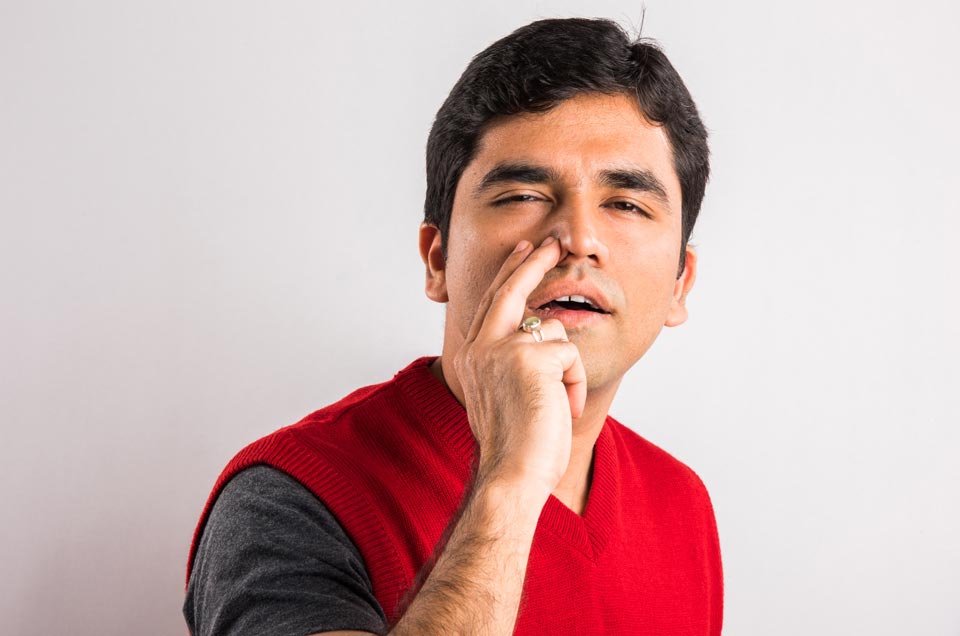
A headache is a feeling of pain or discomfort in a part of your head, such as your forehead, temples, or back of your head.
In simple words, a headache is something that your body is telling you. It is a sign that something is not right in your body. It could be because you are stressed, are not sleeping well, or are experiencing digestive problems. A headache, according to Ayurveda, is caused by an imbalance in the three doshas, namely Vata, Pitta, and Kapha, which control different functions of your body.
Are there different kinds of headaches in Ayurveda? Let’s break it down!
Yes, Ayurveda describes headaches in different ways depending on which dosha is out of balance:
When Vata is out of balance:
The pain is intermittent and can feel like it is throbbing or changing location. There is often a connection to anxiety, overthinking, and lack of sleep.
When Pitta is out of balance:
This type of headache is sharp or burning in quality. These headaches often present in the forehead or temples and can be caused by stress, heat, or irritability.
When Kapha is out of balance:
This type of headache is heavy or dull in quality. These headaches often present in the morning and can be caused by sinus problems or sluggish digestion.
What signs should you watch out for?
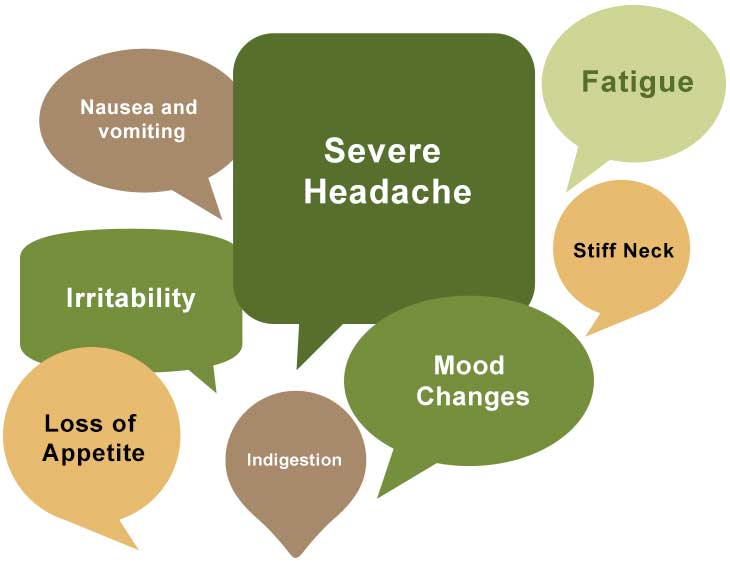
There are different kinds of headaches experienced by people, and some common signs or symptoms are:
- Pain in different parts of the head
- Tightness or pressure in the forehead
- Pain behind the eyes
- Sensitivity to light or sound
- Nausea in some cases
- A feeling of heaviness in the head
You may also experience difficulty concentrating, irritability, or unusual tiredness with your headache.
What could be causing these headaches?
Generally, headaches are linked with our daily routines and our lifestyles.
- Stress and Mental Overload: We often experience a lot of stress, worries, and overthinking, which can cause headaches. According to Ayurveda, this is due to an imbalance of Vata and Pitta doshas.
- Irregular or Poor Sleep: Going to bed late at night, not sleeping enough, or having an irregular pattern of sleep can cause headaches.
- Digestive Problems We Often Ignore: Digestive problems such as indigestion, gas, bloating, or acidity play a very important role in headaches. According to Ayurveda, this is because of the accumulation of “Ama” or toxins.
Other Common Reasons
- Missing Meals
- Not Drinking Enough Water
- Excessive Use of Screens
- Sudden Withdrawal of Caffeine Intake
How do doctors and Ayurveda view the cause?
How modern medicine views the cause. The doctors will try the following:
- A physical check-up
- Understanding the medical history
- Eye check-ups
- CT scan or MRI in serious cases
These methods are used to check if there is any serious cause behind the problem.
How does Ayurveda view the cause?
The Ayurvedic view is based on the cause rather than the mere symptoms:
- Understanding the body type (Prakriti)
- Identifying the cause of the imbalance
- Checking the power of digestion (Agni)
- Checking the lifestyle and stress levels
The above methods are used to treat the problem in a more complete and lasting manner.
What is the Ayurveda view of headaches at a deeper level?
In Ayurveda, headaches are not taken as a separate issue. Rather, they are a manifestation of an imbalance occurring from within, especially in the three doshas, Vata, Pitta, and Kapha.
- If Vata is out of balance, there is dryness, pain, and sensitivity, which are associated with stress, insomnia, or lack of sleep.
- If Pitta is out of balance, there is heat in the body, leading to burning, acidity, or sharp headaches.
- If Kapha is out of balance, there is heaviness, congestion, or dull headaches, especially associated with digestion or sinus problems.
Another key concept in Ayurveda is Ama, or toxins. If digestion is poor, there are toxins in the body, which clog up the channels, leading to headaches. Thus, instead of treating headaches, Ayurveda treats digestion, calms the mind, and balances all.
What is the approach of Jiva Ayurveda for the treatment?
The approach of Jiva Ayurveda is holistic and personalised. Instead of providing the same treatment to everybody, they try to understand the root cause of the problem in the individual. The approach for the treatment is as follows:
- The consultation will be done to understand the individual’s body type and lifestyle
- The imbalanced dosha will be understood
- Herbal medicine will be provided according to the individual
What are the Ayurvedic herbs that are commonly used for headaches?
Ayurvedic medicine consists of herbs that are helpful in calming the mind, aiding digestion, and reducing inflammation. The commonly used herbs are:
- Brahmi – It helps reduce stress, calm the mind, and improve the quality of sleep.
- Ashwagandha – It helps manage stress.
- Shankhpushpi – It helps calm the brain.
- Triphala – It helps aid digestion and remove toxins from the body.
- Guduchi (Giloy) – It is helpful in balancing Pitta.
- Jatamansi – It helps calm the nervous system, which is usually the cause of anxiety-related headaches.
What kind of Ayurvedic therapies can be of assistance?
Besides medicines, external therapies are also used in Ayurveda to get rid of problems and restore normalcy. Some of the therapies which are usually recommended are:
- Shirodhara – A gentle stream of warm oil poured on the forehead to calm down the mind and reduce stress
- Abhyanga (oil massage) – This helps in relaxing muscles, improving circulation, and reducing Vata imbalance
- Nasya therapy – Herbal oils are used to clear sinus problems and improve conditions of the head
- Swedana (steam therapy) – This helps in relieving stiffness and improving circulation
Even Panchakarma therapy may be recommended in some cases.
How do we understand your condition at Jiva Ayurveda?
The focus at Jiva Ayurveda is on understanding you as a whole rather than focusing on the headache. As each person is unique and different from the other, the consultation is conducted in a manner that the underlying cause of the occurrence of the headache is understood. The assessment is conducted through:
- A detailed discussion on the symptoms, lifestyle, sleep, and stress levels
- Prakriti analysis, which is used to understand the natural body constitution
- Nadi Pariksha, or pulse diagnosis
- Assessment of the digestion and toxin levels in the body, or Agni and Ama levels
Our Step-by-Step Patient Care Process:
Expect a Call: Submit your contact details, or you can also call us on 0129 4264323.
Appointment Confirmation: You can schedule an appointment and visit us at our clinic for a consultation with our Ayurvedic experts.
- If you are unable to find our clinics near you, you can also schedule an online consultation on 0129 4264323 at a discounted price of Rs. 49 (regular price Rs299) and avail guidance from our doctors at home.
Detailed Diagnosis: Jiva doctor will perform a thorough and detailed diagnosis to identify the root cause of your health problem.
Root-cause Based Treatment: Jiva doctor will recommend a personalised treatment using highly-effective, natural, and Ayurvedic medicines to address symptoms and the root cause.
How long does it usually take to start feeling better?
The length of time varies from person to person, depending on how long you have been experiencing your headaches and your general way of life.
- Some people start feeling better in a few weeks
- Significant improvements are usually noticed in 2 to 3 months
- For long-term or chronic headaches, a little more time may be needed
Consistency in your medications, diet, and lifestyle changes also plays an important role in faster recovery.
What kind of results can you realistically expect?
With the right approach and a little bit of consistency, patients often experience:
- Lessening of the frequency and severity of headaches
- Better sleeping patterns
- Improved digestion
- Less stress in life
- General improvements in your energy levels
The objective here is not to get rid of your headaches only to see them come back again.
Patient Testimonial
When I was in 8th grade, I often suffered from severe headaches along with a sharp burning sensation in my eyes. I was confused whether it was an eye problem or related to headaches. After consulting a doctor, I was diagnosed with migraine.
I took medicines, and I would feel relief only as long as I was on medication. However, the pain would return once I stopped taking the medicines. This kept happening repeatedly, and it started affecting my daily routine and peace of mind.
Later, a friend told me about Jiva Ayurveda. I started treatment there, and gradually I began to notice improvement in my condition. Now, I no longer suffer from frequent headaches or the burning sensation in my eyes as I used to before.
Estimated Cost of Treatment at Jiva Ayurveda
Understanding the financial investment required for your health is important. At Jiva Ayurveda, we make sure of transparency in our service costs, which allows you to choose the most suitable option for your medical needs.
Treatment Cost
For patients who seek standard, ongoing care, the Monthly Cost of Medicine and consultation typically ranges from Rs. 3,000 to Rs. 3,500. Please note that this is an estimated baseline. The final cost depends on the exact nature and severity of the patient's condition.
Protocol
For a more comprehensive, structured approach, we offer specialized Package protocols. These plans are designed to address both physical symptoms and the overall lifestyle correction. The package includes:
- Medicine
- Consultation
- Mental Well-Being Sessions
- Yoga and Meditation
- Diet
The cost for this protocol involves a one-time payment ranging from Rs. 15,000 to Rs. 40,000, which covers the full 3 to 4-month duration of the treatment.
Jivagram
For patients requiring intensive and immersive care, our Jivagram centres offer the ultimate healing experience. Jivagram is a holistic sanctuary set in a peaceful, eco-friendly environment, and it provides:
- Authentic Panchakarma therapies
- Sattvic meals
- Modern healing services
- Comfortable accommodation
- Many more quality-of-life facilities
An immersive wellness stay at Jivagram costs around 1 Lakh for a 7-day duration, ensuring continuous personalised care to help reset your body and mind.
Why Patients Trust Jiva Ayurveda
Over the years, Jiva Ayurveda has gained the trust of thousands of patients who are seeking natural and personalised healthcare solutions. Some of the key reasons for patients’ trust in Jiva Ayurveda:
- Root-Cause Based Treatment: Unlike conventional treatments that address only the symptoms of disease, Ayurvedic treatment focuses on treating the root causes and correcting the underlying imbalances in the body that lead to disease.
- Experienced Ayurvedic Doctors: Jiva Ayurveda boasts of having a huge team of experienced Ayurvedic doctors who thoroughly examine each patient’s condition before recommending treatment for diseases.
- Personalised “Ayunique” Treatment Approach: Ayurvedic treatment is highly personalised and customised according to each individual’s prakriti and lifestyle.
- Holistic Healing: Ayurvedic treatment is not limited to medicines; it also includes dietary and lifestyle modifications, breathing techniques, and stress management to support overall healing of the body and mind.
- Trusted by Patients Across India: A huge percentage of patients have shown improvement in their conditions after adopting Jiva’s treatment plans and recommendations for diseases. This shows how much people trust Jiva Ayurveda for Ayurvedic treatment.
When to see a doctor?
Although it is normal to get occasional headaches, there are instances when it is necessary not to take them for granted. The instances when it is necessary to seek a doctor's attention are:
- Headaches are becoming more frequent or severe.
- The pain does not improve with rest.
- Blurred vision, dizziness, or vomiting occur.
- Headaches are disrupting your sleep.
- A sudden, severe headache that is unlike previous ones occurs.
Conclusion
Headaches are often a cry from your body for attention. Giving it only temporary relief may not provide a solution to your problem in the long term. Understanding your relationship with stress, sleep, and digestion, and using Ayurveda to address these issues, can lead you to a solution for your problem in the long term. A balanced lifestyle, a balanced approach to your day-to-day activities, and proper guidance can make a huge difference to your life.