 Published on
15 Jul, 2026
Published on
15 Jul, 2026 Updated on 16 Jul, 2026
 5090
5090A single tap on a small heart icon seems completely harmless. It lasts only a fraction of a second, but that tiny click actually carries a surprisingly powerful psychological punch. For today’s youth, getting likes on a photo or a post feels like a digital hug. It creates a deep sense of belonging, appreciation, and being seen.
But new research has uncovered something deeply concerning. It turns out that this digital approval affects people very differently depending on their mental health. Instead of just being a fun part of the internet, social media likes are quietly shaping the behavior of young people, especially those actively struggling with depression.
A Surprising Discovery About Depression and Social Media
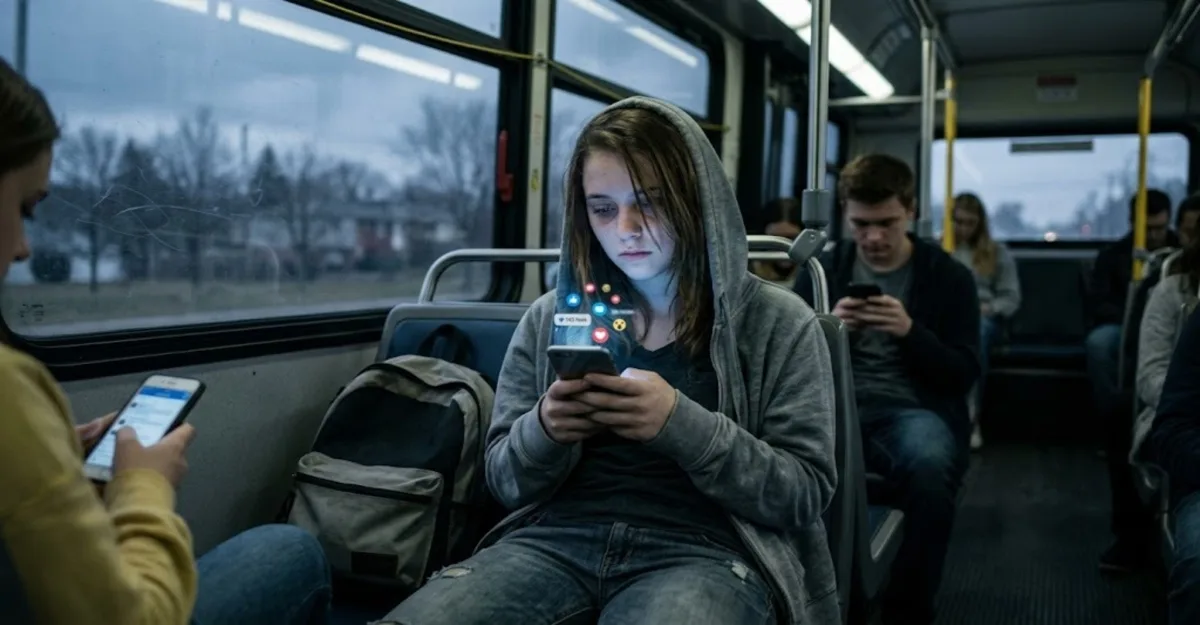
The current research investigated reactions of people to receiving likes on posts. It was discovered that there is a highly predictable reaction that emerges when people receive many likes on posts. If an individual gets many likes on one post, they will certainly make another post the following day.
While this sounds like normal behavior for most people, the researchers noticed something shocking. This cycle of posting and seeking likes was significantly stronger in young people who were dealing with depression.
This discovery completely shocked the scientists. For decades, psychology books have taught that depressed people feel less pleasure and less motivation when they get a reward. But on social media, the exact opposite is happening.
How Social Media Likes Shape Online Behavior
To understand why this happens, we have to look at how humans learn. When you do something and get a good result, you naturally want to do it again. This is called reinforcement.
Social media apps are built entirely on this basic human instinct. When a teenager posts a picture and immediately gets 50 likes and 10 comments, their brain receives a massive rush of a feel-good chemical called dopamine.
From an Ayurvedic point of view, this constant, rapid stimulation severely aggravates the Vata dosha in the body. Vata is the energy of fast movement, space, and air. Vata gets totally out of sync when you find yourself caught up in the madness of endless scrolling, notifications, and the nervousness of waiting for people to like what you post.
It forms an incredibly vicious cycle:
- Post a picture or thought.
- Receive likes.
- Feel a sudden rush of happiness and validation.
- Post again to get that feeling back.
While this loop is normal, it becomes a dangerous, highly addictive trap for young people who feel lonely, sad, or depressed in the real world.
Why Likes Have a Bigger Impact Than Retweets or Shares
Not all social media buttons do the same thing to your brain.
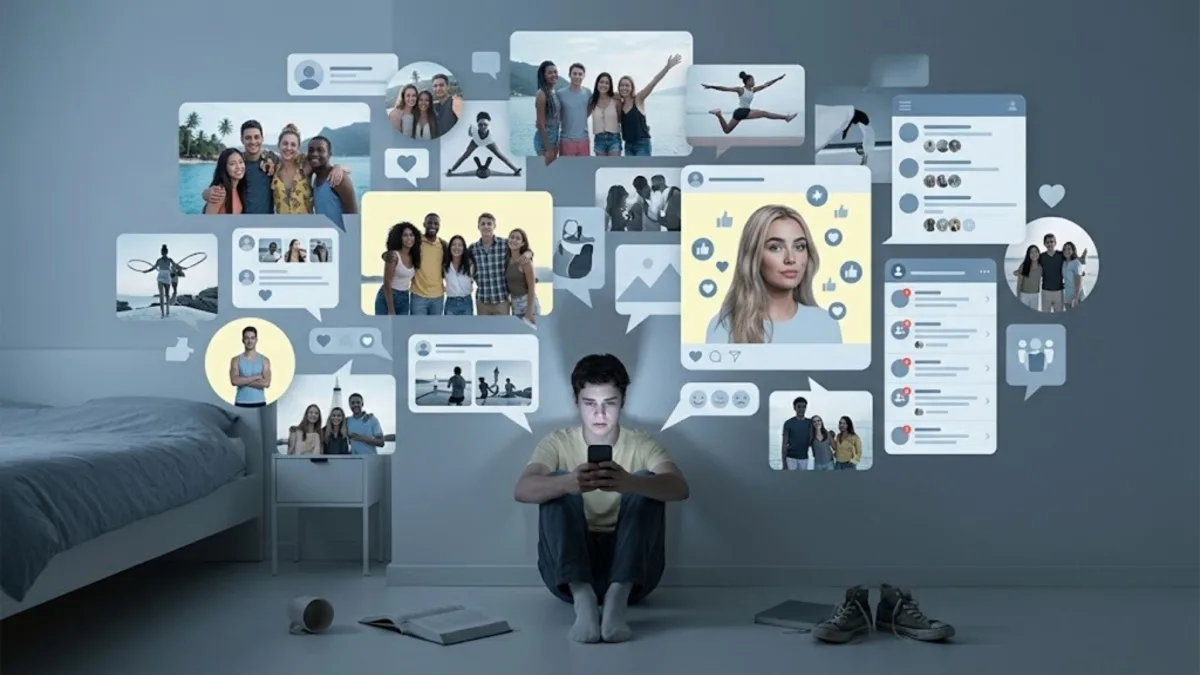
If someone shares or retweets your post, it just means they found the information interesting. But a "like" is deeply personal. A like feels like a direct compliment. It communicates social acceptance, approval, and popularity.
For a teenager who feels invisible at school or isolated at home, seeing that little heart turn red is a powerful emotional lifesaver. The study proved that these personal expressions of approval hooked depressed users much faster than simple content sharing.
Doctor’s Note
While setting digital boundaries and practicing offline, grounding activities are excellent ways to manage daily stress and reduce mental fatigue; they are not a substitute for professional mental healthcare. If you or a teenager is experiencing persistent feelings of sadness, hopelessness, severe withdrawal from real-life activities, or thoughts of self-harm, do not rely solely on digital detoxes or lifestyle adjustments. These are clinical signs of depression that require prompt evaluation and treatment by a qualified psychiatrist or licensed therapist.
The Youth Mental Health Crisis by the Numbers
We cannot ignore the reality of what is happening to young people today. Recent global statistics paint a very worrying picture:
- Teenagers who spend more than 3 hours a day on social media face double the risk of experiencing poor mental health.
- The incidence of depression and anxiety in teens has shot up by more than 70% within the past 25 years.
- Close to fifty percent of the teenagers admit to feeling "addicted" to their smartphones and being worried about getting more likes on their posts than their friends do.
From an Ayurvedic perspective, this modern dilemma equates to a major deficiency of Ojas, which is our inherent mental immunity and emotional resilience. The reason why we lose emotional balance when our brain is constantly stressed out because of bright screens, false comparisons, and the absence of genuine human connections is low Ojas.
How Social Media Design Traps the Vulnerable
Social media platforms have not been designed by luck. They are carefully designed to ensure that you spend more time on them, both posting and scrolling through their pages.
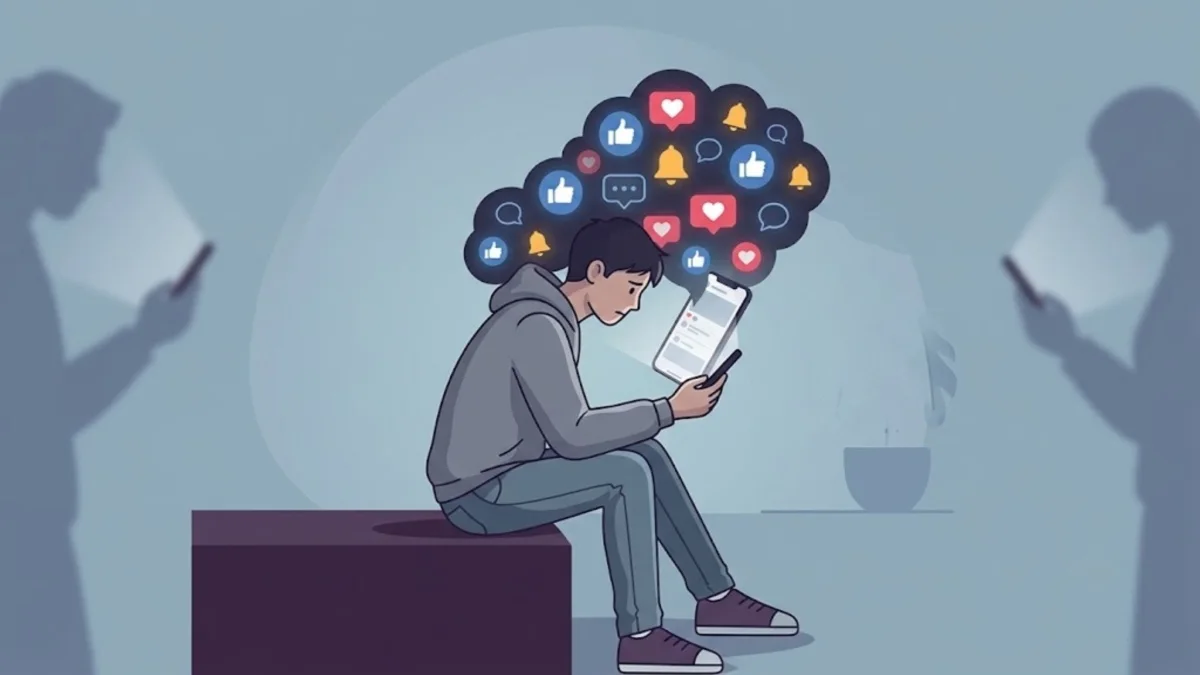
Notices appear immediately, causing your phone to vibrate. Likes are publicly displayed for all to see. The algorithm does not display posts with low engagement levels but rather favors the most popular posts.
For an already depressed teen, it becomes a vicious circle. They are using the app to post while being depressed to fulfill their need for acceptance. But when fewer people like their posts, they become even more depressed and feel the urge to post again.
How to Stay Away from Depression: Practical & Ayurvedic Tips
We cannot completely remove social media from a young person's life, but we must build a barrier between our screens and our mental health. If you want to keep depression and anxiety at bay, here are some powerful, grounding habits to adopt:
- Find More Authentic Creative Channels: The internet offers you quick and easy bursts of dopamine. Find more authentic ways to create things. Write a Hindi blog, paint, or learn how to play a new instrument and express your true feelings through these creative channels.
- Balance the Agitation of the Vata Dosha: According to Ayurveda, you need to ground your energy. Go walking barefoot on real grass every morning. Massage your body with warm sesame or coconut oil prior to bathing. It helps calm the nervous system and flushes away all the accumulated mental stress.
- Draw Boundaries With Your Cellphone: Prevent yourself from receiving notifications each time a like is added on any of your social media posts. Have your bedroom designated as a "no cell-phone zone" for at least one hour prior to going to sleep.
- Engage in the Physical World: Spend some quality physical time with your friends and family. Real-life interactions will make you happy beyond comparison because the kind of happiness received from the likes on Facebook is completely temporary and superficial.
Final Thoughts
This gives us a fascinating and scary look into how technology is rewiring the human brain. Through analysis of millions of posts, scientists have proven that the innocent 'like' button acts like a magnet for vulnerable people, luring them into an endless loop of trying to get validation.
With more and more social media taking over our communication, we have to start focusing on its psychological effects. We should learn to understand how these apps manipulate us and by putting reasonable limitations on our usage of them and trying to find a balance between being online and staying grounded, we will be able to stay safe while browsing the web without losing our sanity.
Reference’s
Depressive disorder (depression)
Depression - National Institute of Mental Health (NIMH)
Major Depression - National Institute of Mental Health (NIMH)