 Published on
25 Jul, 2026
Published on
25 Jul, 2026 Updated on 25 Jul, 2026
 5073
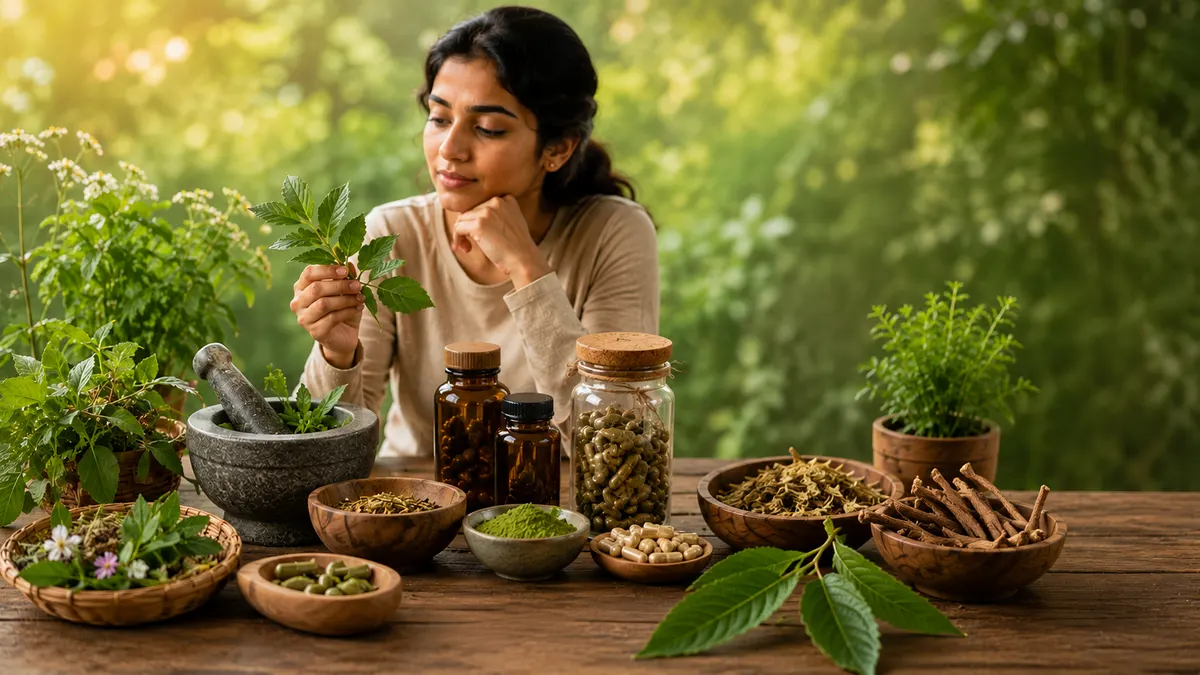
5073Today, if you walk into any medical store or scroll through your phone, you will see hundreds of ads for herbal products. They promise to give you glowing skin, stop your hair fall, fix your digestion, and boost your energy in just a few days. Because these products are made from plants, almost everyone believes the same comforting lie: "It is natural, so it must be 100% safe."
But here is the truth: natural does not always mean harmless. Nature gives us wonderful, healing plants, but it also gives us strong elements that can really affect the human body.
Herbal medicines deserve respect. If you use them the right way, they can be wonderful for your health. But if you swallow them blindly without thinking, they can cause problems you never expected. Knowing how to use herbs safely is the first step to truly taking care of your body.
Why People Believe Herbal Products Are Completely Safe?
The word "herbal" sounds soft, pure, and gentle. Therefore, companies use images of green leaves on their packaging and boldly print “100% Chemical Free.”
Factually, everything in nature is made up of chemicals, including air and water. The chemical compounds found in plants are natural chemicals and, in fact, they are very potent.
In addition, social media contributes to spreading the myths about herbal products. You may come across a viral video in which someone tells how a particular root helped him recover from the disease within one day. However, what the video does not tell is that the very same root may give allergies to someone else or make another person feel dizzy. Do not take care of your health following viral internet trends.

The Benefits of Herbal Medicines
When used smartly and with a doctor's advice, herbs are truly amazing.
Many common herbs can help you sleep peacefully, digest heavy meals easily, calm down when you are stressed, and keep your body feeling active. The best part about herbal medicine is that it does not just put a bandage on your pain. It tries to balance your whole system.
Usually, when a doctor gives you an herb, they also tell you to eat better, sleep on time, and take a daily walk. This creates a deeply healthy lifestyle. Just remember: herbs are not magic pills. You will not get fit overnight. You have to be patient and consistent.
Potential Risks of Herbal Products
Even though plants are natural, they carry real risks if used the wrong way.
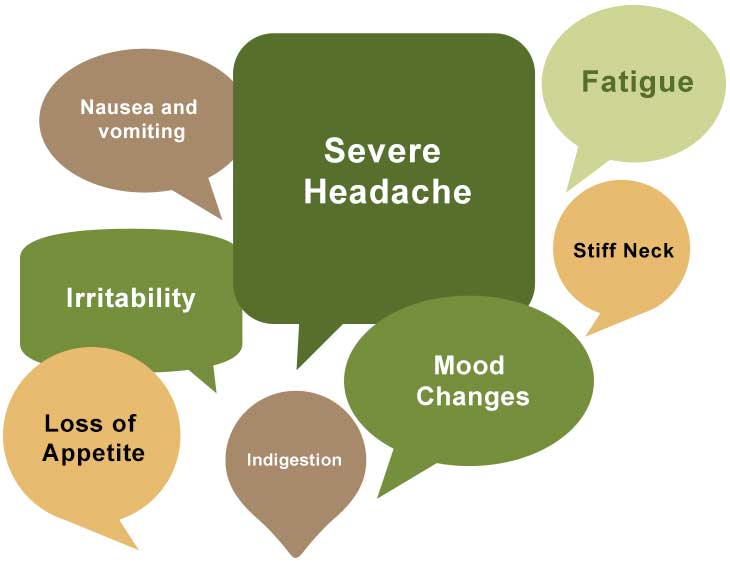
- Side Effects: Similar to conventional medicine, herbs have some mild side effects. You may experience gas, headaches, and dizziness.
- Allergic Reaction: Individuals might have an inherent allergic reaction to particular plants. You may develop skin rashes, itching, or even problems breathing after using a particular herb.
- Overdose: Consuming three pills instead of one will not treat your condition three times faster. You will only stress your liver and your digestive system.
- Poor Quality: Consuming herbs from dubious sources that sell low-quality powders may contain impurities such as dirt, dust, and even heavy metals.
Doctor’s Note
Being natural does not equate to being safe. Herbs are powerful enough that when taken in large amounts, they could lead to some serious consequences, including dangerous interactions with prescription medications. It is imperative that one seek medical advice before consuming any herb and strictly adhere to the dosage.
Can Herbal Medicines Interact with Other Medications?
This is the biggest hidden danger that most people ignore.
If you are already taking daily pills from your regular doctor, adding a strong herb on top can be dangerous. When herbs and modern pills mix inside your stomach, they can fight each other. The herb might stop your regular medicine from working, or it might make the medicine work way too strongly.
For example, if you take pills for blood pressure, diabetes, heart problems, or blood thinners, you must be extremely careful. Always tell your doctor if you are drinking herbal teas or eating herbal powders so they can keep you safe.

Who Should Be Extra Careful?
Not everyone can process herbs easily. Some people need to be doubly careful before taking anything natural:
- Pregnant and Breastfeeding Mothers: Anything the mother eats goes straight to the baby. Some herbs can be very harmful during pregnancy.
- Children: A child's small body handles medicine very differently from an adult's. Never give strong adult herbs to kids.
- Older Adults: Grandparents usually take multiple pills a day for different problems. Adding unverified herbs into that mix is highly risky.
- People with Long-Term Illnesses: If you have weak kidneys, a bad liver, or severe diabetes, you should never self-medicate with herbs.
How to Use Herbal Medicines Responsibly
Using natural medicine safely is actually very simple if you follow a few smart rules:
- Ask an Expert: Before purchasing an herb, consult an experienced doctor to know whether it is suitable for your own body.
- Purchase Good Brands: Buy medicines only from trusted and reputable firms with strict hygiene standards.
- Stick to the Rules: In case the instruction says “one spoon daily,” then only take one spoon.
- Listen to Your Body: While starting a new herb, if you become sick, tired, or itchy, stop taking that herb immediately.
Common Myths About Herbal Medicines
Let us quickly clear up some dangerous misunderstandings:
Myth: "These herbs are natural and do not cause any side effects."
Truth: It is wrong. Strong herbs may cause headaches, vomiting, or even allergic reactions.
Myth: "One spoonful is wonderful, but two spoons will help me recover even faster."
Truth: The more servings, the more unnecessary pressure your body gets, and you may fall ill.
Myth: "It is not necessary to tell my doctor about drinking herbal tea."
Truth: Your doctor should be aware of everything that you consume.

When Should You Stop Taking a Herbal Product?
In case you develop any of the following symptoms after the use of this herb, you should discontinue its use immediately and see your doctor.
- Developing a serious rash or itchiness of your skin on your entire body.
- Swelling on your face and lips.
- Finding it difficult to breathe properly.
- Severe vomiting and nausea.
- Dizziness that persists.
Even if you are only feeling mildly "off" and tired for a couple of days, don't take it lightly.
Simple Safety Tips Before Starting Any Herbal Remedy
Before you open that new bottle of herbal medicine, run through this quick mental checklist:
- Did I ask my doctor if this is safe for me?
- Did I tell my doctor about the other pills I take?
- Did I read the label to see how much I should take?
- Did I buy this from a clean, trusted shop?
- Am I keeping this bottle far away from young children?
- Am I ready to be patient and wait for results instead of expecting overnight magic?
If you can say "yes" to these questions, you are making very smart health choices.
Conclusion
Herbal remedies have played a very big part in maintaining people’s health throughout history, and even today, they remain an incredible way of taking good care of yourself. But when used properly, they will add wonderful harmony to your life.
However, please keep in mind that the mere fact of a certain plant growing from the ground does not mean that it suits everybody. Plants are very strong, and they should be treated properly.
The best way to cure yourself would be a combination of natural forces and professional medical knowledge. Purchase only the high-quality products, follow instructions scrupulously, and always pay close attention to the signals your body sends you. When used wisely and responsibly, nature becomes your greatest ally.
References
Traditional, Complementary and Integrative Medicine
International Regulatory Cooperation for Herbal Medicines (IRCH)