 Published on
30 Dec, 2025
Published on
30 Dec, 2025 Updated on 25 May, 2026
 5300
5300Introduction
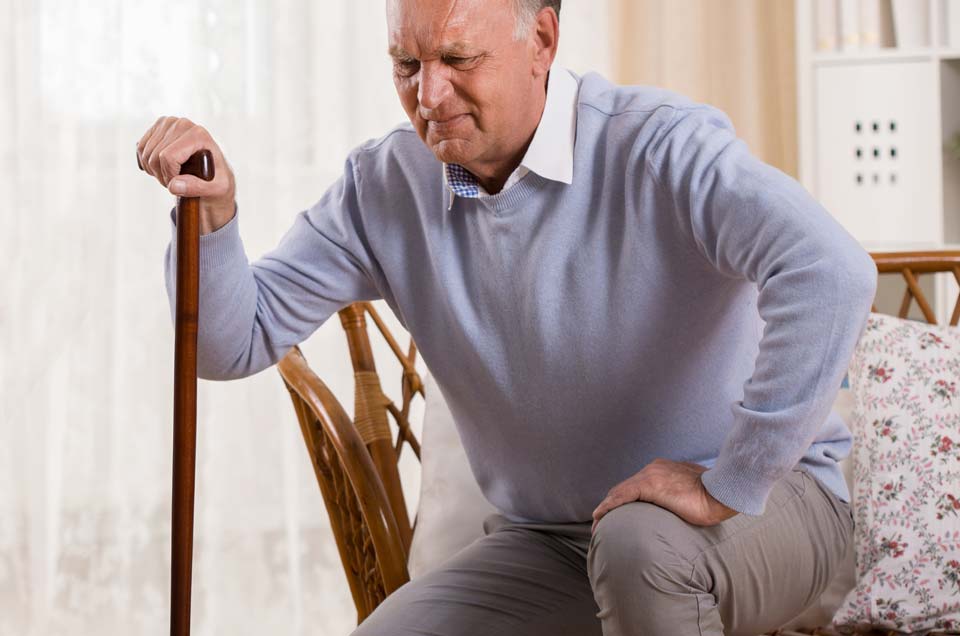
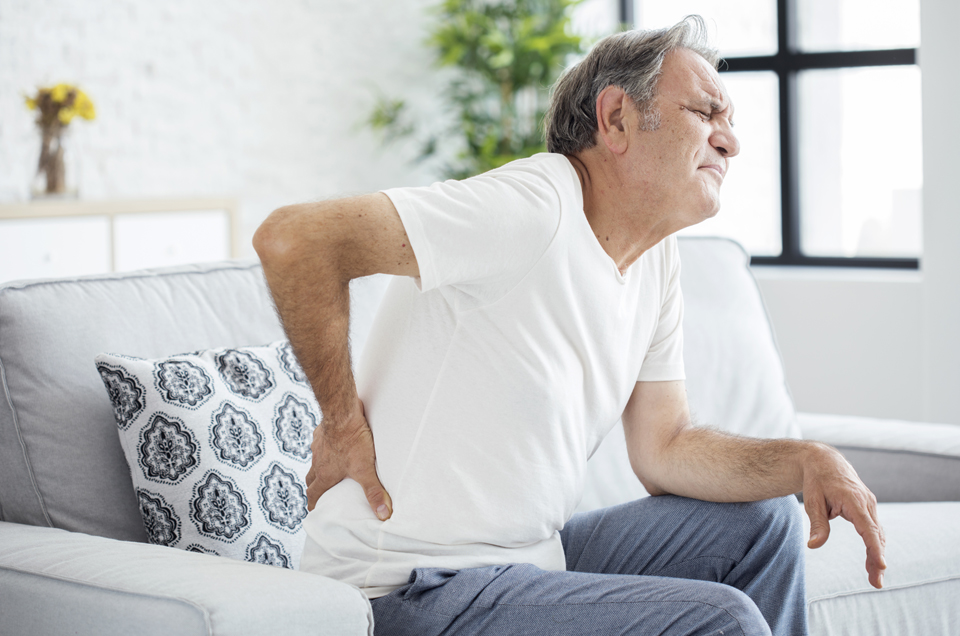
In India, a national study found that approximately 36% of elderly people in India are afflicted by some kind of pain and about 25% struggle with pain which restricts their ability to walk and stand normally.
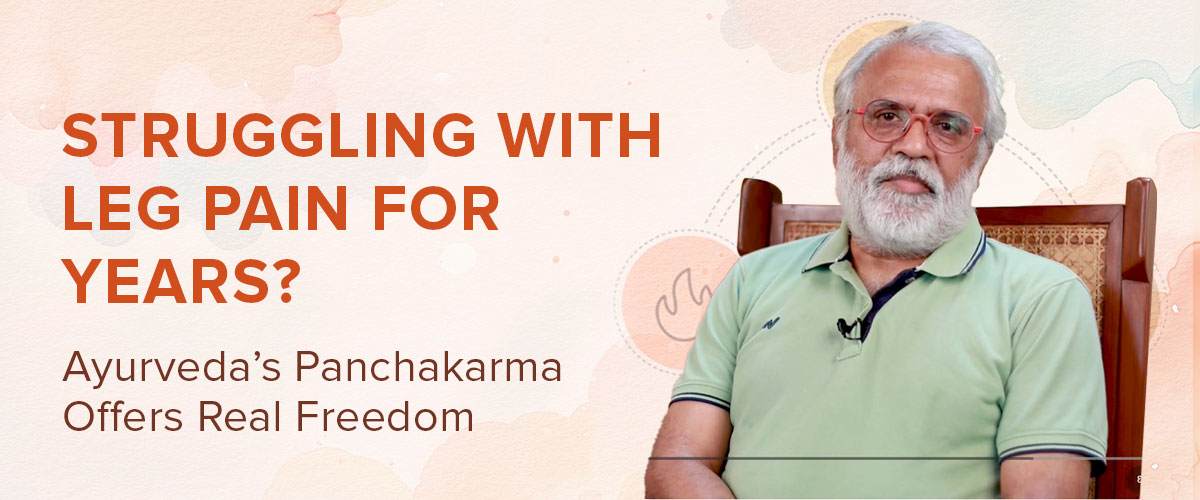
Leg pain is among the forms of chronic pain which can make your daily tasks challenging. For most people, this pain gradually decreases independence, mobility, and comfort. This had been the reality for 60-year-old Pankaj Gulati, of Delhi who endured calf and foot pain for a long time. His pain persisted despite trying various treatments until he discovered an Ayurvedic Panchakarma approach.
In this blog, we will understand why conventional solutions fail for most types of pain and how a customised Panchakarma therapy helped Pankaj feel relief. This shows how Ayurveda can bring hope and independence from chronic pain when other techniques fail to offer relief.
What does living with years of leg and foot pain really feel like?
When pain lasts for years, you accept it as a part of life. Daily discomfort becomes "normal." You stop asking why your legs hurt and instead plan all around the pain.
Pain may occur at various times:
- The calves could feel tight or sore while walking.
- Standing up, the legs might feel weak or heavy.
- Even during sleep or rest, there might be discomfort, cramps or perhaps a dull ache.
Because the pain does not disappear completely, you might feel tired despite not doing much physical work. Your sleep might get disturbed, mornings can feel stiff and your energy could reduce over time. Over time, you might not avoid movement because you wish to, but because your body feels weak.
This had also been true in Pankaj Gulati's journey. His leg and foot pain had long been lingering for a long time. It interfered with his daily comfort and gradually started affecting his daily activities. Much like many people with chronic pain, he attempted to control it silently, hoping it would settle down by itself or with some therapy. But nothing helped in the case of Pankaj.
Why do most leg pain treatments provide temporary relief?
A major part of the discomfort of chronic leg pain is that treatments work temporarily and subsequently the pain returns. This generally occurs when treatment targets symptoms but not the real cause.
Typical issues with short-term pain relief include:
- Painkillers temporarily lower the pain but do not increase leg strength or circulation.
- Local treatments soothe the area but don't correct internal imbalance.
- Therapies might work for some weeks but become ineffective once stopped.
If the real cause of your pain isn't dealt with, the pain usually comes back, generally even worse. This repeated cycle could make you feel exhausted, dissatisfied, and uncertain what to do next.
Pankaj Gulati went through this phase too. He tried several therapies before coming to Jiva but none were lasting. Each attempt provided hope and each failure brought frustration. His experience mirrors that of many of us, proving that temporary comfort can be even more distressing.
This is often when people begin searching for another strategy, one which doesn't suppress the pain but can help the body heal more permanently and deeply.
How does Ayurveda look at chronic leg pain in a different way?
Ayurveda considers leg pain as a part of the entire system rather than individual parts. Rather than concentrating on where the pain is experienced, Ayurveda asks why the pain is happening in the first place.
Through the Ayurvedic perspective, leg pain is caused due to insufficient cellular nutrient replenishment, stiffness, and imbalance inside the body. Movement becomes difficult and recovery slows when balance is disturbed. Ayurveda attempts to correct this imbalance gradually, so relief lasts longer.
Rather than quick fixes, Ayurveda works on:
- Internal circulation improvement.
- Lowering heaviness and stiffness.
- Supporting natural healing systems within the body.
This is particularly helpful if pain has existed for years. Rather than covering discomfort, attempts are made to bring back balance, so the body can heal itself better.
For somebody like Pankaj Gulati, this made sense. He needed a holistic method after years of temporary relief. Ayurveda offered him this route.
Why was Panchakarma advised for long-standing leg pain in this case?
If persistent pain doesn't respond to daily treatments, panchakarma is usually advised. This is not really a one-day/one-session therapy. It's a structured process for healing and comfort.
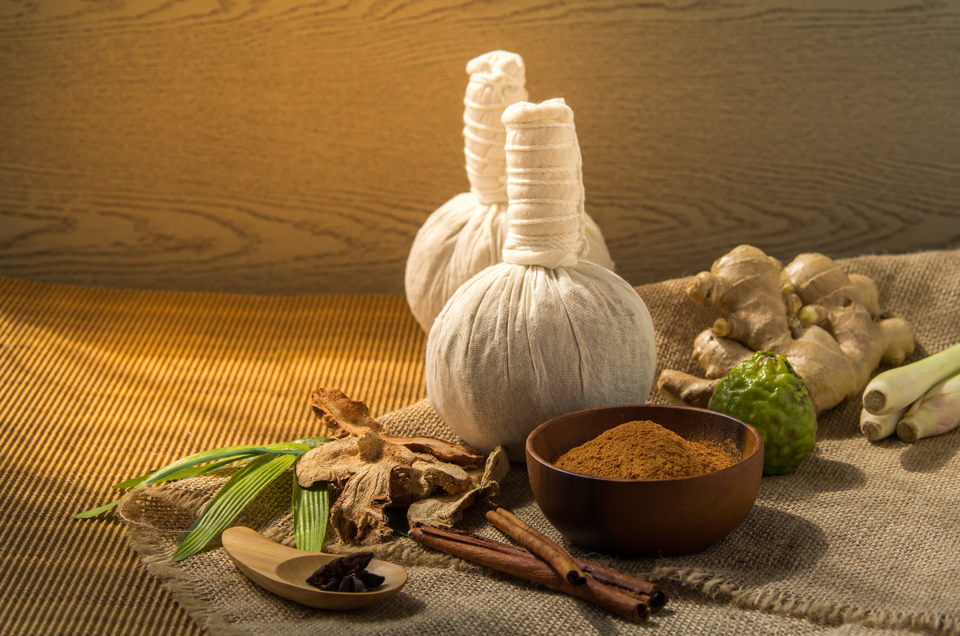
If the pain has stayed on for years, the body generally requires more than surface care. Panchakarma resets the body by working on a deeper level. It promotes circulation, eases stiffness, and enables the body to relax and heal progressively.
Supervised and structured care is needed during this process. Panchakarma includes specific therapies, rest, diet and health guidance. This explains why it's generally advised under expert supervision if the condition is long-standing.
In Pankaj Gulati's case, doctors suggested seven days of admission for proper treatment. Staying under expert care enabled therapies like Janu Basti and Matra Basti to work effectively and yoga exercises and diet assisted recovery. This structured approach brought him relief and comfort during daily movement.
Panchakarma was not considered a last resort but the right choice in a condition requiring focused care.
What happens during Panchakarma treatment for leg pain?
Panchakarma treatment for leg pain follows a planned process where each step depends on the individual's condition. From the first day, the emphasis is on understanding how the body is reacting and what kind of support it needs.
Therapies are coupled with sattvik food and gentle guidance during Panchakarma. The concept isn't to alleviate the pain but to calm and heal the body naturally. Healing occurs when the body feels supported.
Nourishment is essential during this time. Panchakarma therapies nourish the tissues, strengthen the legs and also improve comfort. Simultaneously, the environment matters. A calm, clean, positive setting reduces mental stress, which can exacerbate physical pain.
Jivagram’s supportive atmosphere enabled Pankaj Gulati to develop trust. The structured care and positive approach reassured him from the very moment he arrived. To know his treatment was being monitored by experts gave him confidence and helped his body react to therapies better.
How did a 7-day Panchakarma program bring visible improvement in leg pain?
The improvement from Panchakarma didn't occur overnight. It was gradual and steady. Small changes were seen each day, sometimes reduced heaviness, better walking and standing comfortably.
The pain intensity decreased considerably during the following days. After a week, Pankaj Gulati felt almost 80% relief from his leg pain. This relief wasn't only physical. Feeling lighter in the legs brought emotional comfort and confidence.
Yoga and diet also supported the healing process alongside therapies. Gentle movements enhanced flexibility and proper food choices eased stress. Together, these elements offered a balanced approach to Pankaj ji’s recovery.
This physical relief plus emotional ease made a huge difference. Pankaj felt stronger in his feet and gained trust in his body again. His experience demonstrates how a proper Ayurvedic program can bring relief even after years of pain.
Final Thoughts
Living with long-term leg pain can change how your daily life feels. What begins as a small discomfort quickly turns into hesitation, limited movement and loss of confidence. Pankaj Gulati's experience has shown us that this need not become a permanent reality. Years of pain and failed therapies ended once the focus changed from temporary relief to permanent healing.
His journey reveals how structured Ayurvedic care, guided Panchakarma therapies, helpful yoga and mindful diet can provide comfort. His main achievement wasn’t just reduced pain but feeling lighter, more self-confident and free to move freely once again. It most importantly restored his faith in his body and his everyday routine.
For anybody suffering from chronic leg pain, or some other pain, this experience can provide hope that long lasting help is possible if approached properly.
If you know someone struggling with chronic leg pain like Pankaj ji or some other related condition, contact our licensed Jiva doctors today for a customised consultation. Call on 0129-4264323.
FAQs
Is chronic leg pain normal with ageing?
No, leg pain is common with age but continual or worsening discomfort isn't normal. It generally indicates circulation issues, stiffness or imbalance that require attention.
When should you seek treatment for leg pain?
In case leg pain lasts weeks or worsens with treatment, consider guided care instead of patiently waiting or taking painkillers.
Can Ayurvedic therapy help if other treatments fail?
Yes, Ayurveda emphasises on long-term balance and root-cause healing, which could be useful when symptom based remedies offer temporary relief.
Is Panchakarma safe for older adults with leg pain?
When done under expert supervision, Panchakarma is safe and planned according to age, strength and condition and it is thus appropriate for older adults.
How quickly could relief from Panchakarma treatment be expected?
Relief generally comes gradually. Some individuals experience decreased stiffness and pain within days, with deeper improvement after proper care and follow-up.