 Published on
30 Jun, 2026
Published on
30 Jun, 2026 Updated on 30 Jun, 2026
 5077
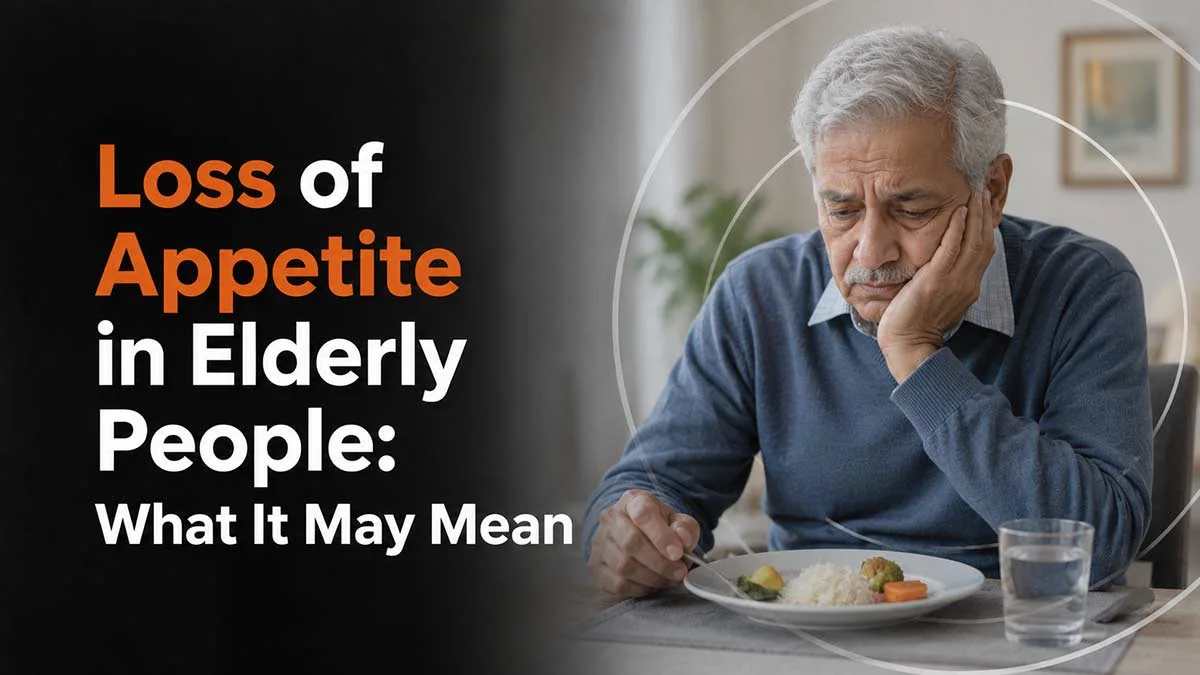
5077If you have an elderly parent or grandparent at home you have had this exact conversation more times than you can count. You make their favourite dal, their favourite sabzi, even that halwa they have loved for forty years and they push the plate away after two bites mumbling that they are just not hungry today.
The first few times you let it go. Maybe they had a heavy breakfast. Maybe the weather has made everyone a little sluggish. But when today turns into this week and this week quietly turns into this month, it stops being a small thing. It becomes something genuinely worth your attention.
Loss of appetite in elderly people is incredibly common and somehow still wildly under-discussed. Everyone wants to call it just old age and move on. It usually is not just that. And figuring out what is actually going on can change everything for their health and their happiness.
Why Appetite Naturally Shifts With Age
Before jumping to worry mode, some appetite decline with age is genuinely normal. No drama needed here.
Metabolism slows down which means the body needs fewer calories than it did at thirty. Taste and smell weaken gradually, making food a little less exciting than it used to be. Digestion slows too, so meals sit heavier and longer, naturally pulling down how often someone wants to eat.
So a mild, gradual dip over years is just life happening. What is not normal is a sudden drop, real weight loss or appetite loss showing up alongside other symptoms. That combination is your cue to dig deeper.
What Is Actually Behind the Appetite Loss
Some of the reasons are:
- Medication side effects: Plenty of medications commonly given to older adults, including certain blood pressure drugs, antidepressants and pain medications, quietly list reduced appetite as a side effect. If appetite dropped right around a new prescription, that is not a coincidence worth ignoring.
- Dental troubles nobody mentions: Loose teeth, ill fitting dentures, gum pain. Chewing becomes a chore and many elderly people simply eat less rather than admit their mouth hurts. They will not always tell you. You may need to ask directly.
- Depression and loneliness wearing a different mask: This one trips up most families. Depression in older people rarely looks sad. It looks quiet. Withdrawn. Low energy. Disinterested in food and everything else. Loneliness after losing a spouse or losing regular company is strongly tied to reduced appetite and unplanned weight loss.
- Digestive discomfort doing its thing: Constipation, acid reflux, bloating. All more common with age and all genuinely appetite killing. Nobody wants to eat when eating makes them uncomfortable afterwards.
- An underlying condition hiding behind the symptom: Thyroid issues, undiagnosed diabetes, kidney or liver concerns, infections, sometimes even cancers can show up first as appetite loss. This is exactly why persistent unexplained appetite loss deserves a doctor's visit rather than a shrug.
- Taste and smell quietly fading: Beyond the usual age related dulling, some medications and conditions mute taste and smell significantly. Food that once tasted rich can start tasting like cardboard.
- The sheer effort of cooking alone: For elderly people living solo or managing mobility issues, preparing a proper meal can feel like climbing a mountain. So meals get skipped or replaced with whatever requires the least effort.
Signs This Has Gone Beyond Normal
Few signs are given below:
- Unintentional weight loss: Losing more than five percent of body weight over six to twelve months without trying is a clear signal that needs medical attention, no excuses.
- More than two weeks of reduced appetite: A short dip from a minor bug is fine. Beyond two weeks, get it checked properly.
- Other symptoms tagging along: Fatigue, confusion, fever, ongoing pain or mood shifts alongside appetite loss point toward something specific that needs identifying.
- Visible physical changes: Looser clothes, sunken cheeks, noticeably less muscle. The body is telling you it is not getting what it needs.
- Pulling away socially: When appetite loss comes paired with skipping family time or hobbies, depression deserves a gentle, caring look rather than being brushed aside.
What Ayurveda Has to Say About This
Ayurveda views ageing as a naturally Vata dominant phase of life. Vata governs movement, dryness and the nervous system, and as it rises with age it also weakens Agni, the digestive fire, making it slower and far more unpredictable.
Weak Agni directly means poor appetite, sluggish digestion and reduced nutrient absorption even from the little that does get eaten. This is exactly why Ayurvedic guidance for elderly nutrition focuses on rekindling Agni rather than just pushing more food at someone who genuinely cannot process it well.
- Ginger before meals: A small piece of fresh ginger with a pinch of rock salt right before eating is a classical trick to wake up sluggish Agni and gently spark appetite.
- Warm, fresh, easy to digest food: Cold leftovers are genuinely harder on a weakened digestive system. Warm freshly cooked meals are both gentler and more appealing.
- Chyawanprash: A time tested rejuvenating formulation built around Amla that supports vitality, digestion and immunity together. Genuinely useful for elderly people experiencing general decline.
- Ashwagandha: Builds strength and helps when appetite loss is tangled up with fatigue, weakness or stress, which happens more often in older age than people realise.
- Triphala: Supports digestion and elimination, easing constipation that is quietly suppressing appetite in the background.
- Smaller plates, more often: A big thali can feel like a wall. Smaller, more frequent meals tend to work much better for an older, weakened Agni.
What Families Can Actually Do
Few things they can do:
- Make meals social, not solo: Eating together meaningfully boosts appetite. Loneliness genuinely changes how much someone eats, more than most people expect.
- Get dental issues sorted: One checkup can fix months of silently reduced eating.
- Go smaller and more frequent: Less on the plate, offered more often, beats one intimidating full thali every time.
- Lean into flavour: Taste dulls with age, so a little extra ginger, herbs or a squeeze of lemon can make familiar food exciting again.
- Track weight casually: A monthly check at home catches unintentional loss before it becomes a bigger problem.
- Loop in their doctor about medications: If the timeline lines up with a new prescription, mention it. Worth the conversation.
Final Thoughts
Loss of appetite in someone you love is almost never really about the food. It is usually the body or mind quietly raising a hand asking for attention.
Catching it early, asking the gentle questions and getting a proper check when something feels off makes a real difference. Sometimes the fix is as simple as a dental visit or sharing a warm meal together. Sometimes it points to something deeper that needs proper care.
Either way, do not write it off as just old age. Listen to what that half eaten plate is actually saying.
Reference Links
- National Health Portal of India on Elderly Healthcare https://www.nhp.gov.in/healthlyliving/elderly-health
- Ministry of Health and Family Welfare, Government of India https://mohfw.gov.in/
- World Health Organization on Ageing and Health https://www.who.int/news-room/fact-sheets/detail/ageing-and-health