 Published on
21 Mar, 2026
Published on
21 Mar, 2026 Updated on 25 May, 2026
 5206
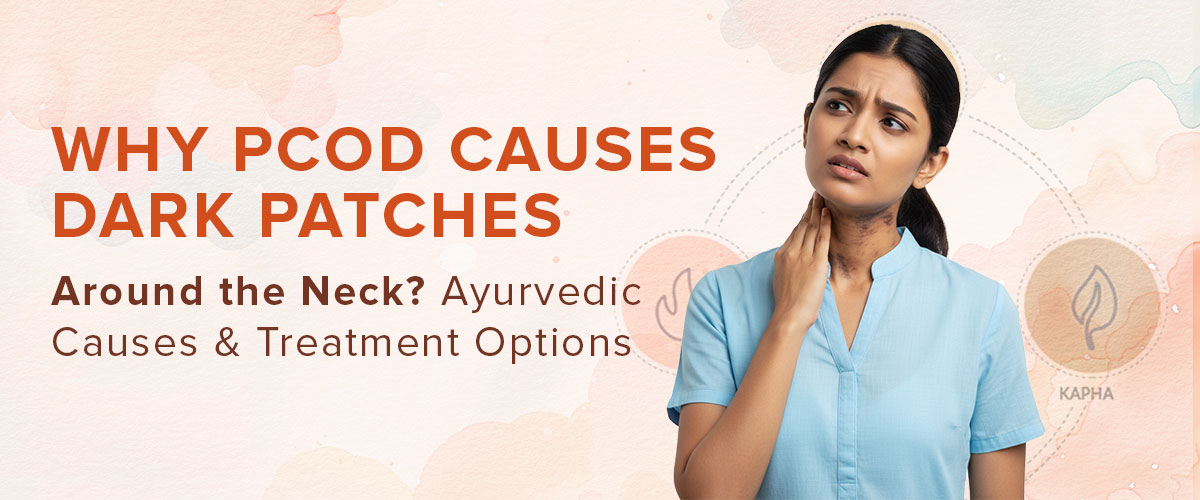
5206The endocrine system contributes significantly to regulating metabolism, reproductive well-being, and the overall physical appearance of the female body. Once understanding that the thick, velvety, dark patches on your neck are not caused by poor hygiene or dirt, but are direct results of the endocrine system struggling with severe insulin resistance, one is able to fight the root causes of this pigmentation and restore the body to normalcy. It is crucial to realize that experiencing these dark patches with PCOD is not a dermatological issue that can be scrubbed away, but rather a biological cry for help from a body that is experiencing cellular starvation and high blood toxicity.
What Are PCOD-Related Dark Patches?
Polycystic Ovarian Disease (PCOD) is a common lifestyle and endocrine disorder affecting women during their reproductive age. During a normal menstrual cycle, the ovaries secrete a fully mature egg once a month. In PCOD, though, the ovaries produce immature or partly mature eggs, which end up becoming little fluid-filled sacs called cysts. The condition causes the ovaries to secrete an unnatural level of androgens, which interferes with the normal hormonal cycle.
As the concentration of these hormones increases more than it should, it distorts the natural metabolic rate of the body, leading to a condition called insulin resistance. When your cells stop responding to insulin, the pancreas pumps out massive amounts of it to force blood sugar into the cells. This excess insulin circulating in your bloodstream behaves like a growth hormone. It binds to the insulin-like growth factor (IGF) receptors on your skin cells, specifically the keratinocytes and melanocytes.
Types of PCOD Disorders
The significant forms of PCOD play a direct role in how the body generates metabolic waste and experiences insulin spikes. The major types include:
- Insulin-Resistant PCOD
- Inflammatory PCOD
- Post-Pill PCOD
- Adrenal PCOD
The Effects of PCOD on Skin Pigmentation and Thickness
PCOD is heavily linked to metabolic syndrome, which is not merely applicable to the ovaries, but it regulates how insulin and toxins are handled in the entire body. It causes the metabolic system to be in a congested state, where the skin becomes the dumping ground for excess hormones.
Since insulin resistance causes the glucose present in food to not enter the cells easily, massive amounts of insulin remain in the blood. This hyperinsulinemia directly attacks the skin. The melanocytes (pigment-producing cells) are forced into overdrive, pushing excessive amounts of dark pigment into the rapidly multiplying skin cells. No matter how much you wash or scrub your neck, the pigmentation will continue to generate from the inside out.
Women with PCOD often notice that the dark patches are not just discolored, but also physically raised and rough. The excess insulin forces the keratinocytes (structural skin cells) to reproduce at a highly unnatural rate. This causes the skin to fold over itself, creating a thick, velvety, and sometimes leathery texture in the creases of the neck and armpits.
Risk Factors & Complications
Although PCOD may happen to every female of reproductive age, there are lifestyle and biologically-related issues that increase the risk of becoming insulin-resistant and developing severe Acanthosis Nigricans significantly.
Major Risk Factors Include:
- Sedentary Lifestyle
- High-Glycemic Diet
- Chronic Stress
- Genetic Predisposition
Potential Effects When Left Untreated:
- Type 2 Diabetes
- Cardiovascular Disease
- Severe Endocrine Disruption
How Is It Diagnosed?
Early detection of this relationship can prevent the metabolic system from completely failing.
Modern Diagnosis Methods include:
- Complete Blood Fasting Insulin Measurement, Fasting Blood Sugar, and HbA1 3 measures to ascertain the precise degree of insulin resistance, resulting in the over-proliferation of the skin cells.
- Hormone Testing: By examining the levels of various hormones, the presence of excess hormones and hormonal anarchy can be verified.
- Physical Examination: A physical examination of the skin texture, skin thickness, and color of the folds of the neck, armpits, and the groin to clinically verify the presence of Acanthosis Nigricans.
- Pelvic Ultrasound: An ultrasound is a procedure carried out by a medical doctor to determine the existence of several small cysts in the ovaries and the ovarian volume.
- Dietary and Symptom Assessment: Doctors check the regularity of weight changes, menstrual inconsistency and body mass index to determine the existence of full-blown metabolic syndrome.
Ayurvedic Perspective on PCOD-Related Dark Patches
Ayurveda does not explain PCOD and pigmentation of the skin separately, but in relation to other complex energy and metabolic processes involved in the human body. The dark and thick spots around the neck are believed to be mainly due to great irregularities in Kapha Dosha that lead to the overgrowth and thickening of the tissues and Pitta Dosha that controls the coloring and heating of the skin, namely, Bhrajaka Pitta.
Ayurveda believes that the cause is the impaired Agni (digestive and metabolic fire). The food that we take in is not properly processed into pure energy when the digestive fire is weak. Rather, it causes the accumulation of toxic sticky metabolic waste, Ama. This Ama moves in the body and enters the Rakta Dhatu (blood tissue) and Mamsa Dhatu (muscle and flesh). Since the channels are obstructed by Ama, the body attempts to eliminate these profound metabolic toxins via the skin.
Jiva Ayurveda’s Holistic Management Strategy
The treatment philosophy at Jiva Ayurveda moves beyond temporary symptom suppression, focusing instead on rectifying the foundational hormonal and metabolic imbalances that trigger dark skin patches, weight gain, and ovarian distress.
Our protocol is built upon the following clinical pillars:
- Restoration of Dosha Equilibrium: The Pitta and Kapha conditions in the aggravated state are specifically pacified in this protocol. This prevents the excessive thickening of the skin and cools the poisonous heat in the blood, resulting in hyperpigmentation.
- Igniting Agni (Digestive Fire): The digestive fire in the body is developed in this protocol, and it is guaranteed that the food intake in the body is well utilized and changed into pure energy, other than toxic Ama. When the sensitivity of the insulin increases, the abnormal multiplication of the skin cells ceases.
- Systemic Detoxification: Ama, which has accumulated in the body, is eliminated through specific treatment procedures by detoxifying the reproductive, metabolic, and blood routes of the body in such a way that toxins are eliminated through the correct excretory methods and not via the skin on our neck.
- Metabolic Optimization: This protocol takes place with potent and highly-effective herb supplements to nourish the ovaries, cleanse the liver, sensitize the cells to insulin, and balance hormones in the body to wipe out excess androgen.
- Lifestyle Optimization: This protocol provides directions to implement lifestyle and diet changes based on the metabolic requirements of the body, which in this case are the insulin resistance, blood sugar stability, and visceral belly fat.
Ayurvedic Herbs for Pigmentation Management and PCOD Support
At Jiva Ayurveda, we have used the following herbs to cater to the specific needs of the reproductive and metabolic systems, curing dark patches naturally from the inside out:
- Manjisthan: This is the strongest blood-cleansing Ayurvedic herb. It vigorously attacks Rakta Dushti (toxic blood), pacifies the Pitta dosha, and drastically decreases deep hyperpigmentation, returning the natural, even look of skin.
- Neem: It is a powerful natural cleansing agent of liver and blood. Its emulsifying abilities annihilate Ama, clear systemic swelling, and prevent the excessive development of skin cells and skin labels related to excessive insulin.
- Guduchi (Giloy): This assists the immune system to combat chronic inflammation and is an amazing metabolic controller. It has a direct effect on lessening the insulin resistance, wiping out the cause of the dark and velvety spots, and revitalizing the whole body.
Ayurvedic Therapies for Pigmentation Management and PCOD Support
These therapies help in improving circulation and draining out lymphatic waste accumulated in the body due to imbalances in the ovaries and liver.
- Virechana (Therapeutic Purgation): This is a highly effective Panchakarma treatment that deeply cleanses the liver, gallbladder, and intestines. It flushes out excess Pitta and toxins from the body through the bowel, providing an immense, systemic blood purification that clears dark patches from the skin.
- Udvartana (Dry Powder Massage): This is a massage technique in which warm, coarse, and medicated herbal powders are vigorously rubbed over the entire body, especially the neck and abdomen. It creates friction that breaks down subcutaneous fat, stimulates sluggish metabolism, exfoliates the thick hyperkeratotic skin, and removes excess Kapha.
- Mukhalepam and Lepa (Herbal Pastes): The localized application of medicated herbal pastes on the dark patches of the neck and body. These pastes draw out localized heat, gently break down the thickened velvety layers of the skin, and restore the natural complexion without using harsh chemical bleaching agents.
- Basti: This is the introduction of medicated oils and herbal decoctions into the colon. Although this targets the lower gut, it is found to have a profound effect in balancing the Vata dosha, which regulates the downward flow of energy necessary for regular menstruation and clearing blockages in the pelvic region.
- Panchakarma Detox Therapies: This is a package of detoxification techniques designed to cleanse and purify the body by ridding it of accumulated toxins in deep tissues, thus improving the efficiency of metabolism in the body and reversing the insulin resistance, causing skin issues.
Diet Plan for PCOD Patients with Dark Neck Patches
Power Foods to Prioritize
- High-Quality Plant Proteins: Lentils, mung beans, and chickpeas provide your body with the essential amino acids for metabolic repair without spiking insulin. The stability of insulin directly prevents the skin from darkening further.
- Nutrient-Dense Seeds and Nuts: Flaxseeds, chia seeds, and almonds offer healthy fats to support hormone production; they also slow down glucose absorption and provide Vitamin E, which is crucial for skin repair and healing.
- Vitalizing Greens and Bitter Vegetables: Spinach, kale, bitter gourd (karela), and bottle gourd are rich in liver-cleansing nutrients. They combat blood toxicity, lower blood sugar naturally, and help the body flush out the Ama, causing the pigmentation.
- Complex Whole Grains: Quinoa, oats, and barley for sustained, slow-release energy that keeps blood sugar entirely stable throughout the day, stopping the hyperinsulinemia cycle.
- Anti-Inflammatory Aromatics: Cinnamon, turmeric, and fenugreek to naturally reduce insulin resistance, boost the digestive fire (Agni), and clear the thick Kapha blockages from the body.
Inflammatory Foods to Minimize
- Refined Sugars: Sweets, pastries, and sugary beverages that cause massive insulin spikes. Sugar is the absolute primary fuel for Acanthosis Nigricans; every insulin spike directly thickens and darkens the neck.
- Refined Carbohydrates: White bread, pasta, and white rice, which break down immediately into pure sugar in the bloodstream, leading to metabolic sluggishness and rapid weight gain.
- Commercial Dairy: High-fat milk and cheese can overstimulate hormones, increase Kapha dosha, and worsen insulin resistance in sensitive PCOD patients, leading to thicker skin and severe acne.
- Fried and Oily Foods: Heavy, trans-fat-laden meals that severely hinder digestion, put a massive burden on the liver, and slow down the metabolism, filling the blood with toxins.
- Ultra-Processed Goods: Packaged snacks and fast foods that trigger systemic inflammation, overwhelm the liver, and push metabolic waste out through the skin.
How We Assess PCOD Patients at Jiva Ayurveda
At Jiva Ayurveda, the process of treating the patient begins with an in-depth analysis to determine the underlying reasons for PCOD-related dark patches, weight gain, and metabolic disorders.
- Evaluation of the severity and texture of the dark patches on the neck, armpits, or groin, alongside sudden weight gain and irregular periods.
- Review of reproductive health records, current hormone medications, ultrasound reports, and previous fasting insulin and blood sugar tests.
- Evaluation of dietary habits, physical activity levels, hidden sugar intake, and daily regimens that might contribute to Kapha accumulation and poor digestion.
- Evaluation of sleep patterns and stress triggers that affect cortisol and insulin levels in the body, continuously fueling skin darkening.
- Pulse diagnosis and analysis of the body constitution to detect the exact level of dosha imbalance and Ama (toxin) accumulation in the blood and liver.
- Identification of underlying medical conditions, like pre-diabetes or thyroid sluggishness, that may be contributing to metabolic or ovarian discomfort.
With this information, our medical team develops an individualized plan of action to restore reproductive hormone levels, reverse insulin resistance, purify the blood, and clear the thick skin pigmentation.
Our Step-by-Step Care Process
At Jiva Ayurveda, every process of the treatment is carried out in an organized and structured manner to give you the best personalized experience of Ayurvedic treatment for hormonal and digestive issues.
- Share Contact Details: After submitting your details, you can also reach out to us directly at 0129 4264323 to start the consultation process and get your metabolic issues treated.
- Appointment Confirmation: An appointment with our experienced and well-trained Ayurvedic doctors specializing in hormonal and metabolic issues is arranged for you.
You can choose to consult with our doctors in the mode that best suits you:
- Clinic: We have over 80 Jiva clinics in different cities, and you can come to the nearest clinic to consult with our doctor face-to-face.
- Video Consultation (Rs. 49): In case you are not able to locate our clinics in your city, you can also consult with our doctor online, which will be available to you at a discounted price of Rs. 49 (regular price: Rs. 299). Simply give us a call at 0129 4264323 to connect with our experts from home itself.
- Detailed Diagnosis: Our experienced doctor will consult with you to understand your PCOD issues, skin pigmentation patterns, weight gain problems, and Agni (metabolic fire) to diagnose the root cause of the problem in your body.
- Root Cause-Based Treatment Plan: A personalized plan of treatment will be prepared for you with the use of herbal medicines that will stimulate the metabolism, reverse insulin resistance naturally, and enhance the natural functioning of the ovaries.
Healing Timeline for PCOD-Related Dark Patches
- First Few Weeks: Patients may start noticing slight improvements in energy levels and digestion. The dark patches will stop spreading or thickening. Sugar cravings and water retention will decrease significantly.
- 1 to 3 Months: Metabolism may gradually improve as insulin resistance is reversed. The thick, velvety texture of the skin on the neck will start to soften and flatten. Weight loss becomes visible, and the menstrual cycle may show signs of natural initiation.
- 3 to 6 Months: With consistent Ayurvedic blood purification and lifestyle changes, patients experience a highly noticeable fading of the dark patches. The skin returns to its natural tone, periods regularize, and overall metabolic and hormonal balance is greatly enhanced.
What Results Can You Expect?
Choosing the Ayurvedic approach for PCOD-related skin issues focuses on long-term healing rather than temporary relief through harsh skin bleaching creams or synthetic hormones.
With a personalized treatment plan, patients may experience:
- Fading and elimination of the thick, dark patches on the neck and body
- Steady reduction of stubborn belly fat
- Natural regularization of the menstrual cycle
- Improved insulin sensitivity and complete reduction in sugar cravings
- Elimination of new skin tags and severe body inflammation
- Clearer, naturally radiant skin and enhanced overall well-being
Patient's Testimonial
“There were days when I suffered from irregular and heavy periods. I used to be in immense pain. Upon taking allopathic consultation, I suffered from weight gain and depression. My friend, an ex-patient of Jiva, then recommended me to visit Jiva. I visited my nearest Jiva clinic and took an Ayurvedic treatment. A team of gynecologists enquired about my medical history. I started taking Ayurvedic treatment for PCOD, and my periods started to fall regularly, and my Depression also reduced.”
Vyajayanti
Faridabad
Estimated Cost of Treatment at Jiva Ayurveda
Understanding the financial investment required for your health is important. At Jiva Ayurveda, transparency in service costs helps patients choose the most suitable treatment option for their medical needs.
Treatment Cost
For patients seeking standard, ongoing care, the monthly cost of medicines and consultation typically ranges between Rs. 3,000 and Rs. 3,500. Please note that this is an estimated baseline, and the final cost may vary depending on the nature and severity of the patient’s condition.
Protocol
For a more comprehensive and structured treatment approach, specialized package protocols are available. These plans focus on managing symptoms while improving lifestyle habits.
The package includes:
- Medicine
- Consultation
- Mental well-being sessions
- Yoga and meditation guidance
- Diet plan
- Therapy
The cost for this protocol usually involves a one-time payment ranging from Rs. 15,000 to Rs. 40,000, covering the 3 to 4 month treatment duration.
Jivagram
For patients who require intensive and immersive care, Jivagram offers a holistic healing environment.
The program typically includes:
- Authentic Panchakarma therapies
- Sattvic meals
- Modern healing services
- Comfortable accommodation
- Various wellness and quality-of-life facilities
An immersive wellness stay at Jivagram usually costs around Rs. 1 lakh for a 7-day program, providing continuous personalized care to help reset the body and mind.
Why Patients Trust Jiva Ayurveda
Our method is centered around personalized, root cause-based treatment that works to heal the body from the inside out.
- Root Cause-Based Treatment: Our treatment strategy is to treat the root cause of the imbalance, not just the symptoms, whether they are dark skin patches, weight gain, missed periods, or other issues.
- Customized Care Plans: Our patients receive personalized care plans that are tailored to their individual Prakriti (constitution), diet, and lifestyle.
- Protocol-Based Analysis and Treatment: Our treatment protocols are evidence-based, Ayurvedic approaches to treating hormonal and metabolic imbalances.
- Authentic Medicines: Our Ayurvedic medicines are genuine and made in licensed facilities to ensure safety and efficacy.
- Proven Scale and Expertise: Our physicians have seen over 8,000 patients daily and have extensive experience in treating complex chronic diseases.
- High Success Rate: Our patients have seen significant improvements in their health, with over 90 percent reporting positive changes in their health.
- Reduced Dependency: 88 percent of our patients can stop or greatly reduce their dependency on conventional medications and harsh cosmetic treatments.
Modern vs Ayurvedic Approach for PCOD-Related Dark Patches
- Focus of Treatment: The modern medical approach manages hormone levels artificially and addresses the dark skin using harsh topical bleaching creams or laser therapy. The Ayurvedic approach addresses the root cause, clears Ama from the blood, reverses insulin resistance, and restores overall metabolic fire.
- Diagnosis: Modern medicine utilizes blood tests such as Insulin, Fasting Glucose, and Ultrasounds. Ayurveda utilizes Prakriti assessment, Nadi Pariksha, and symptom evaluation, specifically analyzing liver function and blood toxicity.
- Treatment Methods: The modern medical approach uses oral contraceptives, Metformin, and topical retinoids. The Ayurvedic approach relies on blood-purifying herbal medicines like Manjistha, dosha balancing, and natural detoxification therapies.
- Skin Management: The modern medical approach employs chemical exfoliants that can irritate and damage the skin barrier. The Ayurvedic approach focuses on improving Agni, internal blood cleansing, and using soothing herbal pastes (Lepa) that heal the skin naturally.
- Lifestyle Role: In modern medicine, lifestyle advice may support treatment. In Ayurveda, diet, daily routine, and stress management are key parts of the cure to lower insulin.
- Long-Term Goal: The long-term goal of the modern approach is to control symptoms and maintain artificial cycles, whereas Ayurveda aims to improve metabolism, balance doshas, burn visceral fat, and promote naturally clear skin and healthy fertility.
When to Consult a Doctor
You should consult a doctor if you experience:
Thick, dark, velvety patches of skin appearing suddenly on your neck, armpits, or groin
Rapid and unexplained weight gain alongside intense cravings for sweets
Periods that are absent for more than three consecutive months
Multiple new skin tags are appearing on your neck and chest
A family history of diabetes combined with severe fatigue and skin darkening
Early diagnosis can help prevent worsening metabolic symptoms and the onset of Type 2 Diabetes.
Conclusion
PCOD can significantly affect metabolic health, leading to severe insulin resistance, stubborn belly fat, irregular periods, and deeply distressing changes to your skin. Symptoms like thick, dark patches around the neck (Acanthosis Nigricans) occur because high levels of insulin overstimulate your skin cells, forcing them to multiply and produce excess pigment. A holistic treatment approach that includes proper diagnosis, balanced nutrition, lifestyle changes, and personalized Ayurvedic blood purification can help manage these symptoms effectively from the root.