 Published on
29 Jul, 2026
Published on
29 Jul, 2026 Updated on 29 Jul, 2026
 5111
5111When you are pregnant, your body goes through massive changes. Your hormones go up and down, your blood volume increases, and your growing baby puts a lot of new weight on your muscles and joints. While everyone talks about eating healthy food and taking your vitamins, there is another everyday habit that needs your attention: how much time you spend sitting down.
Today, it is very easy to sit for hours without even noticing. But sitting for too long can actually cause problems for both you and your baby. Moving your body is just as important as eating right.

The Link Between Long Sitting Hours and Pregnancy Complications
Women who sit for more than 10 hours a day have a much higher chance of facing health issues during their pregnancy compared to women who get up and move around often.
When you sit for that long, your body slows down. Your blood does not flow as quickly, your body struggles to handle sugar from your food, and your heart is not pumping as well as it should. Now, sitting is not the only reason a pregnancy might get complicated. Things like your age, your family health history, and your weight also play a big part. But sitting for 10 hours a day is a bad habit that makes all those other risks even worse.
Why Prolonged Sitting Can Affect Both Mother and Baby?
Movement is like oil for a car engine. It keeps everything in your body running smoothly. When you walk, stretch, or even just change how you are sitting, you help your blood flow properly. This helps your muscles stay strong and helps your body burn the sugar from your meals.
When you sit frozen in one spot for hours, your blood flow slows way down. Your muscles turn off and get lazy. Because you are pregnant, your body is already working twice as hard to support the baby. The weight of your growing belly presses down on your blood vessels. If you just sit there, the blood has a very hard time traveling from your legs back up to your heart.
This lack of movement is exactly why you might feel extra heavy, super tired, and very stiff. It makes the normal heavy feeling of pregnancy much, much worse.
Possible Pregnancy Complications Associated with Excessive Sitting
Sitting too much is not just uncomfortable; it can actually lead to real medical problems. Here is what can happen if you do not get up and move.
Gestational Diabetes: When you eat, your body turns food into sugar for energy. When you walk and move around, your muscles use up that sugar. But if you just sit all day, your muscles do not need the energy, so the sugar just stays in your blood. Over time, having too much sugar sitting in your blood can lead to gestational diabetes. This is a type of diabetes that only happens during pregnancy, and it can make your baby grow too large and cause problems during delivery.
High Blood Pressure and Preeclampsia: Having good blood flow keeps your heart and blood vessels happy. Sitting all day can make your blood vessels tight, which raises your blood pressure. High blood pressure during pregnancy is dangerous. It can lead to a serious condition called preeclampsia, which can harm your liver and kidneys and might force the doctor to deliver your baby early.
Poor Circulation: As we mentioned before, the weight of the baby presses on your veins. If you sit in a chair for five hours straight, the blood pools in your legs and feet. This leads to heavy, painful swelling in your ankles. In the worst cases, sitting completely still for too long can even cause a dangerous blood clot in your leg.
Increased Discomfort and Swelling: Your lower back and hips are already carrying a heavy load. When you sit in a chair, all the pressure pushes directly down on your lower back and tailbone. This makes your back ache, makes your hips feel tight and locked, and makes standing back up feel very painful.

Warning Signs That Your Body Needs More Movement
Your body is very smart, and it will talk to you when it is unhappy. Pay attention to these clear warning signs that you need to get off the chair:
- Your legs feel heavy, stiff, or asleep when you try to stand up.
- You have a dull, constant ache in your lower back.
- Your shoes feel tight because your feet and ankles are swelling up like balloons.
- You feel completely drained of energy, even though you have not done any physical work.
- Your hips feel tight and sore.
- You just feel generally restless and uncomfortable in your chair.
When you feel these things, do not just shift your weight. Stand up and walk.
Doctor’s Note
A heavily sedentary routine during pregnancy increases the risk of gestational diabetes, preeclampsia, poor circulation (leading to leg swelling and varicose veins), and excessive weight gain. Regular, gentle movement, such as a 5-minute walking break every hour and light prenatal stretches, improves blood flow, stabilizes blood sugar, and helps prepare your pelvis for a smoother labor. Prioritize consistent daily activity over prolonged sitting, unless specific bed rest is advised by your obstetrician.
Safe Ways to Stay Active During Pregnancy
Staying active does not mean you have to run on a treadmill or lift heavy weights. As long as your doctor says it is safe, simple movement is all you need.
Here are some very safe, easy ways to keep your blood flowing:
- Walking: This is the absolute best and safest exercise. A simple walk around the block does wonders.
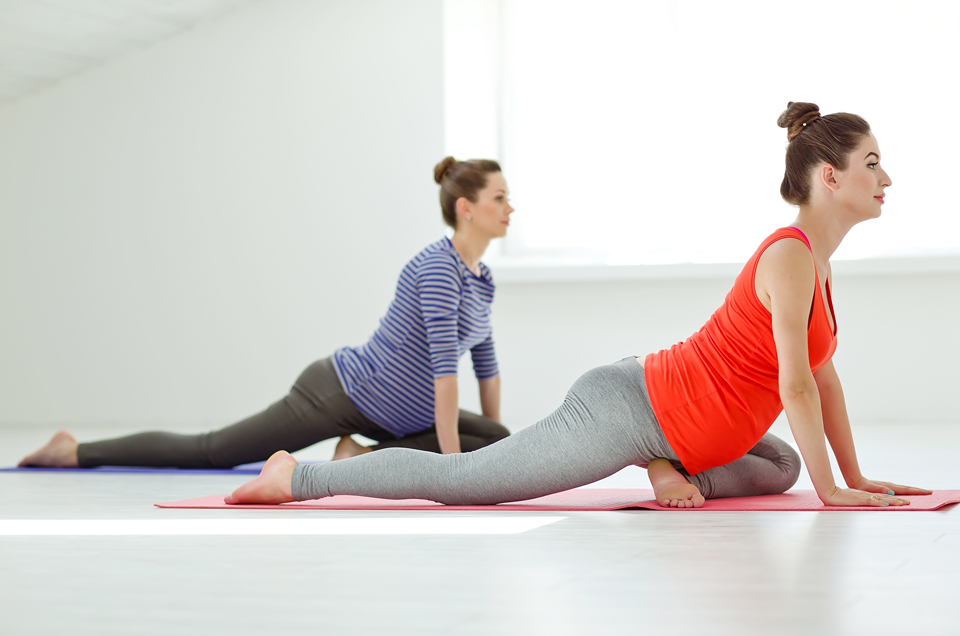
- Prenatal Yoga: Gentle stretching helps open up your tight hips and relieves back pain.
- Swimming: The water holds up the weight of your belly, taking all the pressure off your back while you move.
- Light Stretching: Just reaching for the sky and bending side to side in your living room helps.
The secret is not to exhaust yourself. You do not need an intense workout. Just move a little bit every single day.

Easy Tips to Reduce Sitting Time at Home and at Work
You do not need to quit your desk job to fix this. Just build these easy habits into your normal day:
- Set an alarm: Set a timer on your phone to ring every 45 minutes. When it rings, stand up for two minutes.
- Walk and talk: Whenever your phone rings, stand up and pace around the room while you talk.
- Drink lots of water: If you drink a lot of water, you will have to get up to use the bathroom more often. This forces you to walk!
- Ditch the email: If you need to ask a coworker a question, do not message them. Walk over to their desk.
- Stretch during TV commercials: If you are watching a show, stand up and stretch every time a commercial comes on.
- Do light chores: Washing the dishes, folding laundry while standing, or watering plants keeps you on your feet.
When Should You Speak With Your Doctor?
Every woman and every pregnancy is totally different. Some women have special medical conditions where the doctor actually wants them to stay in bed. If you have bleeding, if your placenta is in the wrong spot, or if you are at risk of having the baby too early, your doctor will give you special rules.
Always ask your doctor before you start any new walking or exercise routine. And if you are walking and suddenly feel dizzy, have chest pain, feel fluid leaking, or start bleeding, stop immediately and call your doctor right away.
Final Thoughts
Pregnancy is exhausting, and you definitely deserve to sit down, kick your feet up, and rest. However, being in your chair for 10 hours a day is unhealthy for both you and your baby because it will slow down your blood circulation, increase your glucose levels, and give you a backache.
There is no need to turn into a fitness expert to stay healthy during your pregnancy. The key here is balance. You need to use a timer and take a little walk in the room once or twice a day. Small things like this one will help you to maintain good blood circulation and overall health of your body, which, in its turn, will make your baby's life more comfortable.
References
Effect of pregnancy on trunk range of motion when sitting and standing - PubMed