 Published on
01 Aug, 2026
Published on
01 Aug, 2026 Updated on 01 Aug, 2026
 5096
5096For millions of people, the morning starts with a steaming cup of tea and a couple of biscuits. It is quick and very comforting. You just open a packet, dip the biscuit, and you are done. But while this sounds like a great, fast way to start your busy day, it is not what your body actually needs. This simple, harmless-looking habit can quietly drain your energy, mess with your blood sugar, and leave you feeling hungry and tired way before lunch. Let us see why.
Why Tea and Biscuits Feel Like a Quick Solution?
We all live very fast lives today. The alarm rings, and immediately there is a rush. You have to get dressed, prepare the kids for school, pack lunches, and fight traffic to get to work. Who has the time to chop vegetables, cook a fresh meal, and wash a pile of dirty dishes every single morning?
In the middle of all this daily madness, tea and biscuits feel like a lifesaver. A packet of biscuits is always sitting right there on the kitchen shelf. Drinking hot tea gives you that warm, cozy feeling that wakes you up.
But convenience comes with a hidden cost. Most of the packaged biscuits you buy from the store are simply made of white flour (maida), a lot of white sugar, and cheap, unhealthy oils. They taste wonderful, especially when they melt in your hot tea, but they offer zero real food value.
What Happens Inside the Body After This Breakfast?
Think about what your body does at night. You sleep for seven or eight hours, which means your body has gone a very long time without any food or water. When you wake up, your body is exactly like a car with an empty fuel tank. It is asking for good, high-quality fuel to start the engine and keep it running all day smoothly.
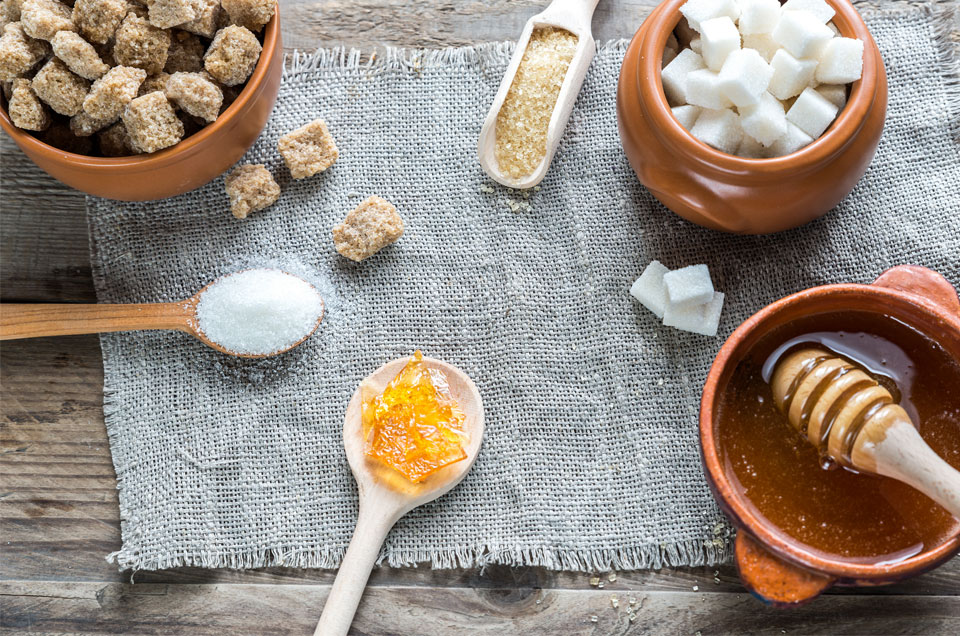
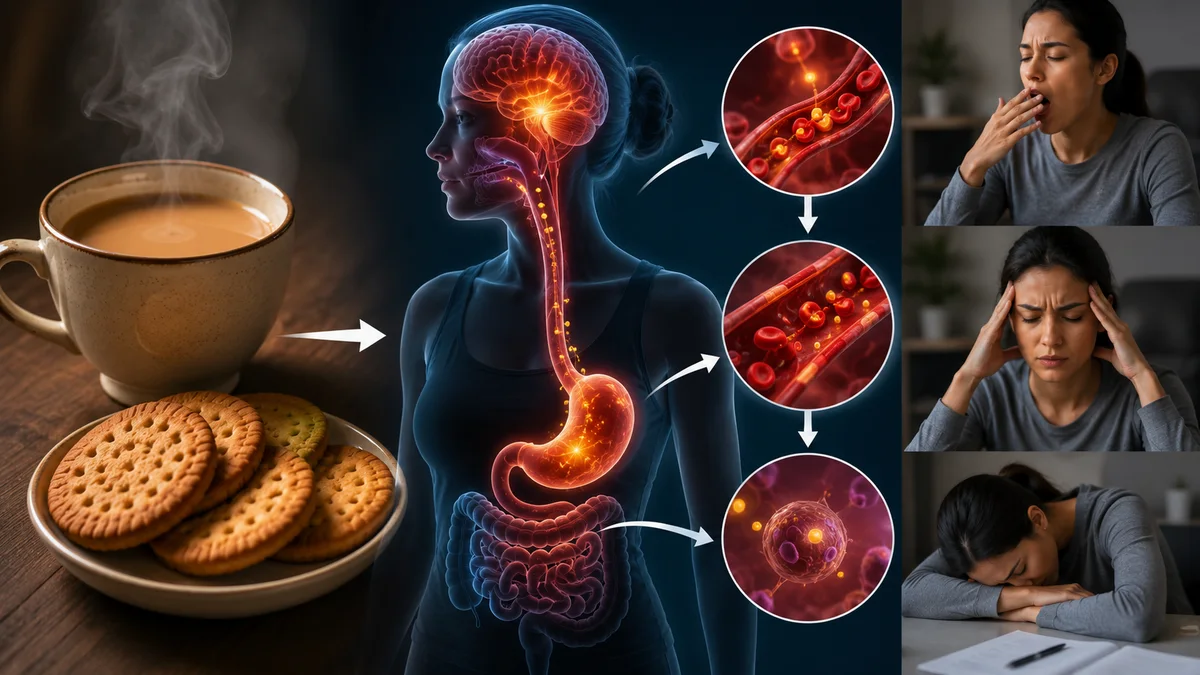
When you give your body tea and biscuits, you are basically pouring sugary fuel into that tank. Because biscuits are made of highly processed white flour and sugar, your stomach does not even have to work hard to break them down. They dissolve instantly.
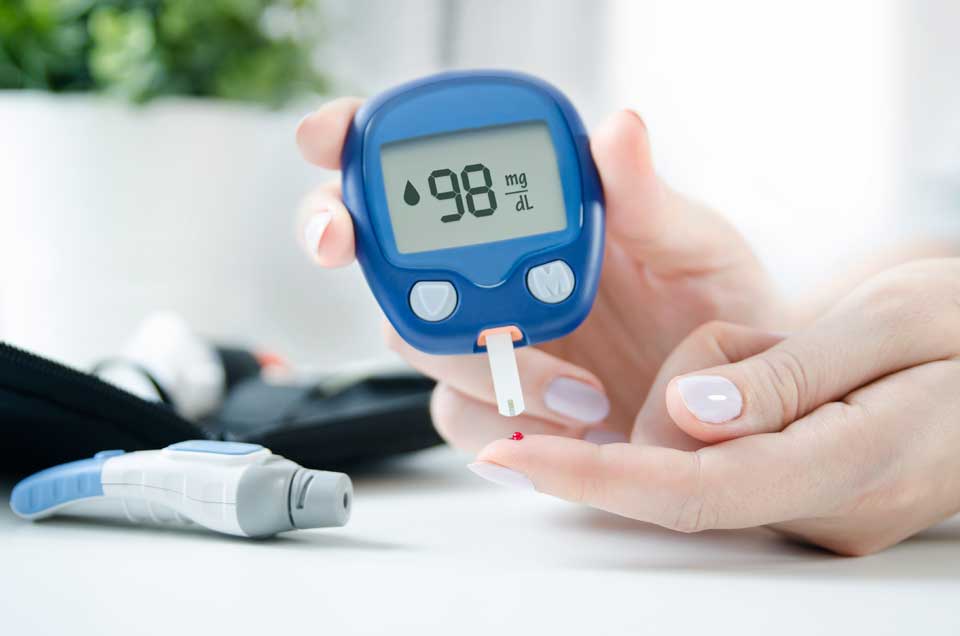
This means a large amount of sugar rushes straight into your blood all at once. Your body panics. It sees all this sudden sugar and immediately sends out a special worker, called insulin, to grab the sugar and push it into your cells. For a very short time, you feel great. You feel awake, bright, and ready to work. But that feeling is a trap, and it never lasts.
The Sugar Spike and Sudden Energy Crash
Your body absolutely hates sudden changes. It likes steady, slow, and calm energy.
When you eat a breakfast made mostly of sugar and white flour, your blood sugar goes up like a rocket. But what goes up fast must come down just as fast. Because your body cleared the sugar out of your blood so quickly, your energy levels suddenly drop off a cliff.
By the time it is 10:30 AM or 11:00 AM, you suddenly feel completely drained. People often describe this mid-morning crash in a few common ways:
- Feeling suddenly very sleepy while staring at the computer screen.
- Getting irritated or annoyed by small things for no reason.
- Losing focus and reading the same email three times.
- Feeling a desperate need to drink another strong cup of tea or coffee just to stay awake.
- Craving something sweet or salty to eat right away.
This happens because the biscuits gave you a fake, short-lived burst of energy. Once it burns out, you are left feeling more tired than when you woke up.
Why Hunger Returns So Quickly?
Have you ever noticed that after eating a few biscuits, your stomach starts growling loudly just an hour later?
The main reason tea and biscuits fail to keep you full is that they are completely missing two very important things: protein and fiber.
Protein is the heavy, solid fuel that takes a long time for your stomach to digest. Fiber acts like a sponge, filling up your stomach and moving food through your body slowly. Because biscuits have no protein and no fiber, your stomach empties them almost immediately. The food is gone, and your brain sends an urgent message: "I am hungry again! Feed me!"
Because you feel so hungry, you start hunting for a snack. Maybe you grab a piece of cake at the office, or some chips, or another round of tea and biscuits. Without even realizing it, you end up eating hundreds of extra, useless calories before it is even time for lunch.

How This Habit May Affect Weight and Metabolic Health?
If you eat a biscuit with your tea once a week at a friend's house, nothing bad will happen. The problem starts when this becomes your daily morning routine for months or years.
When you eat refined carbohydrates every single morning, a few things start to go wrong. First, because you are always hungry an hour later, you eat more snacks. These extra snacks turn into extra body weight. Slowly, over the years, you might notice your clothes getting tighter around your waist.
Second, putting your body on that sugar rollercoaster every day exhausts your system. Constantly spiking your sugar and crashing down can make it very hard to maintain a healthy, active metabolism.
If you already have higher blood sugar, if you are struggling with your weight, or if diabetes runs in your family, this daily habit is something you need to look at very closely. Eating a balanced meal instead can completely change how you feel throughout the day.
Doctor’s Note
Starting your day with tea and biscuits on an empty stomach is a daily habit that should not be ignored. Biscuits are highly processed with refined flour and sugar, which causes a rapid spike and subsequent crash in your blood sugar levels, leading to early morning fatigue and a lack of energy. Additionally, consuming this combination on an empty stomach frequently triggers acidity and gastric irritation. For stable energy and better digestion, swap your tea and biscuits for a balanced, protein- and fiber-rich breakfast, and consult a doctor if persistent fatigue or acidity continues.
What Ayurveda Says About Tea & Biscuits for Breakfast?
Starting your day with hot tea and biscuits might feel cozy, but Ayurveda considers it a major trap for your gut. In the morning, your digestive fire (Agni) is just waking up and needs light, gentle nourishment. Heavy, refined biscuits act like wet wood on a small flame, smothering your digestion and creating sticky toxins in your stomach.
At the same time, hot tea on an empty stomach dumps harsh heat and acid straight into your system, triggering severe Pitta acidity and sour burps. This gives you a fast, artificial sugar spike followed by a mid-morning energy crash, leaving you tired and hungry before lunch. For a much happier gut, start your day with a glass of warm water, and save your morning chai to enjoy alongside a warm meal or a few soaked almonds.
Better Breakfast Options That Keep You Full
A good, filling breakfast does not have to take an hour to cook. You can make simple, real food in just a few minutes.
- Poha with peanuts and veggies: It is light but gives you steady energy and good fats from the peanuts.
- A bowl of oats: Cook it with regular milk and throw in some almonds or walnuts.
- Besan chilla or Moong dal chilla: These savory pancakes are packed with protein and take only a few minutes to make.
- Fresh fruit and nuts: If you are in a massive rush, grab an apple, a banana, and a handful of almonds as you walk out the door.
- Upma with lots of carrots and peas: The vegetables add that magic fiber you need.

Simple Ways to Change Your Morning Routine
If you have been eating tea and biscuits for ten years, do not try to change everything tomorrow morning. Changing habits too fast usually fails. Keep it very simple.
- Think small: The next day, start by reducing the number of biscuits to one from three, and also include a small apple in your breakfast.
- Have a glass of water first: Have a large glass of water even before preparing your tea. It helps to wake up your stomach.
- Include something good: No need for making elaborate meals; you just need to include one handful of nuts in your tea.
Small, easy changes are the ones that actually last a lifetime.
Who Should Be Extra Careful?
You need to pay extra attention if:
- You have been diagnosed with diabetes or told that you have slightly elevated sugar levels.
- You are working very hard on weight loss, but the needle doesn’t seem to budge.
- You are an office worker who spends eight hours sitting in a chair every day.
- You are a student who requires concentration and determination.
- You tend to get headaches or dizzy around 11:00 AM.
- As you get older, your body needs better nourishment to build strong bones and muscles.
Final Thoughts
A hot cup of tea and a sugary biscuit will always be a warm hug on your busy mornings. It is convenient, it is quick, and it gives a sense of home. But this is not all that your body needs.
Depending only on refined flour and sugar for breakfast leads you to quick energy drops, a loud growling stomach, and a lack of concentration. Fortunately, correcting this situation is very easy and does not require much time or money spent on cooking. Just keep your tea, decrease the amount of sugar a little, and add real food to it, such as nuts or even a homemade chilla. With the right fuel inside, you will feel fresh and full of energy to deal with anything that comes your way during the day.