 Published on
24 Jul, 2026
Published on
24 Jul, 2026 Updated on 24 Jul, 2026
 5071
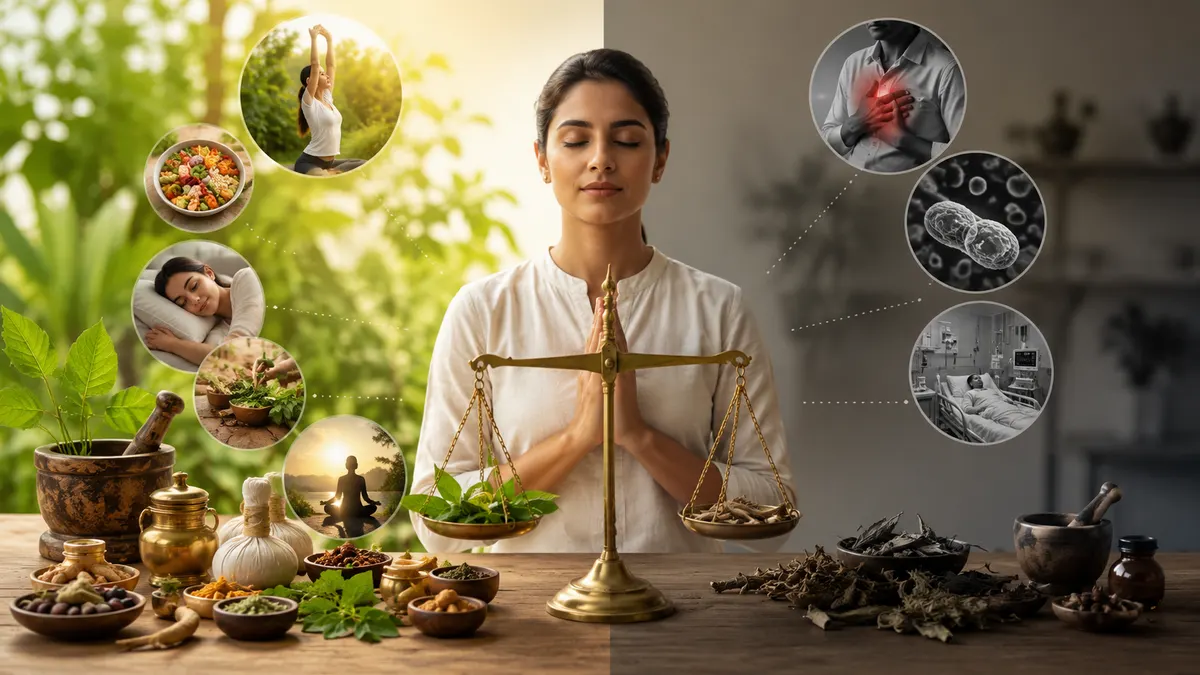
5071People talk about Ayurveda all the time. Some think it is pure magic and can cure absolutely everything. Others think it is just old stories and does not work at all. The real truth sits right in the middle. Ayurveda is not a quick miracle, but it is also not outdated. It is a wonderful, natural way to keep your body and mind healthy. Let us have an honest, simple chat about what Ayurveda is truly great at, and where it actually falls short.
What Is Ayurveda? Understanding Its Core Philosophy
"Ayurveda" is a term that literally means "science of life". Instead of waiting until you get sick and giving you medicine, Ayurveda aims to ensure that you stay healthy all through. It takes into account every aspect of your life, from what you eat, sleep, think, how stressed you are, and your daily activities. Health in Ayurveda is not just the absence of fever but total lightness of the body, mind, and spirit.
The Concept of Balance
As per this traditional science, there are three energies in the body: Vata, Pitta and Kapha. Every individual has a different combination of these energies. If a person consumes foods that are heavy and junk, or experiences stress or poor sleep, then these energies become confused and lose their balance. Such an imbalance gradually leads to the development of a disease. All Ayurveda does is restore the energy balance through food, herbs, and proper lifestyle.
What Ayurveda Can Do?
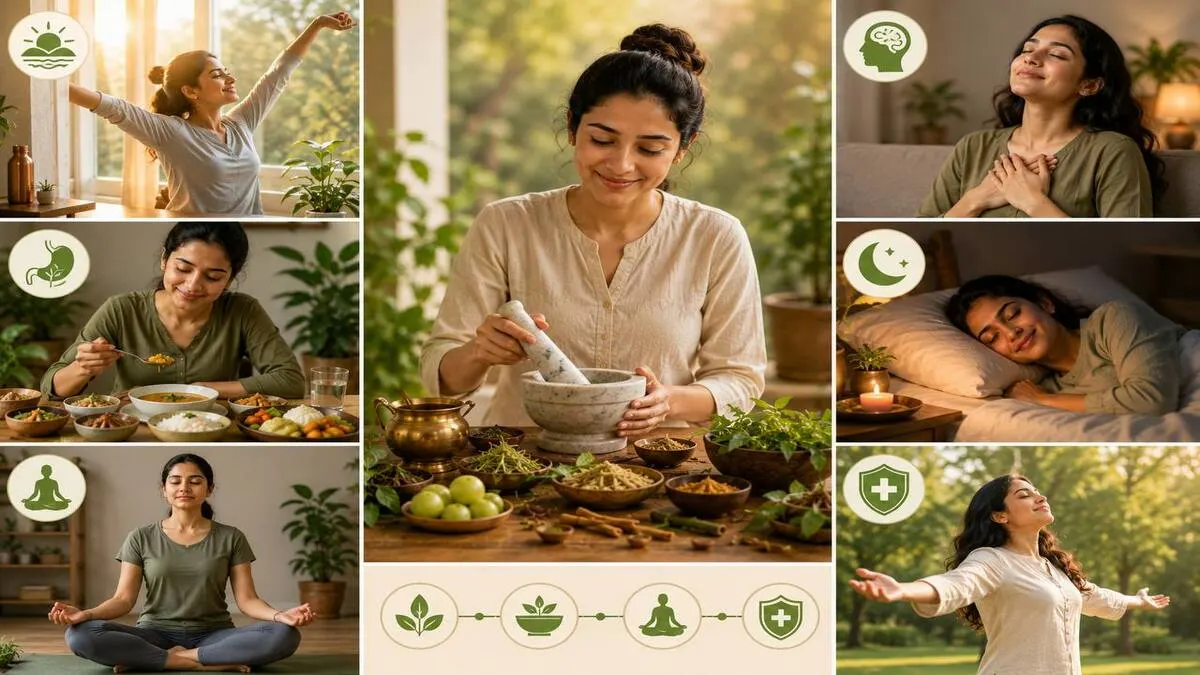
Rather than just offering temporary quick fixes, Ayurveda provides a practical, daily toolkit to build a strong foundation for lifelong health.
Promote General Wellbeing: One of the greatest strengths of Ayurveda is that it promotes overall wellness in the body. It provides guidelines for you to eat properly, sleep enough, and exercise so that your immune system remains strong and healthy. Many people adopt the teachings of Ayurveda just because they wish to remain active and healthy rather than being sick.
Control Diseases Caused by an Unhealthy Lifestyle: We spend a lot of time sitting in our offices, eating fast food, and worrying about a number of different things, which makes our modern life hectic and stressful. Ayurveda helps in overcoming all these health issues in a gentle way through lifestyle changes and proper diet.
Enhance Digestion and Metabolism: In Ayurveda, the stomach rules the entire body, and if it is working properly, then all other parts of the body will also work properly. Ayurveda has wonderful and easy guidelines about the foods: what you should eat and when you should eat in order to avoid gas formation and bloating.
Promote Stress Management and Better Sleep: Stress adversely affects nearly all organs in the body. In Ayurveda, there are various relaxing techniques. Simple breathing techniques, hot oil head massage, and medicinal herbs soothe your overactive brain, reduce your stress levels, and ensure peaceful sleep.

The Role of Diet and Lifestyle in Ayurvedic Healing
Dinacharya (Daily Routine): Tiny changes in your day-to-day life transform your health gradually. Getting up at the same time every morning, having fresh and warm meals on time, exercising, and sleeping without any gadgets form a powerful and consistent routine that your body likes.
Ritucharya (Seasonal Routine): The needs of your body in the summer season differ from the needs in the winter season. Ayurveda will teach you to easily adjust your diet and lifestyle to the climate outside. It helps you maintain good immunity throughout the year.
Conditions Where Ayurveda May Offer Supportive Benefits
While it is not a magic cure-all, integrating traditional Ayurvedic principles into your routine offers powerful, holistic support for these everyday struggles.
- Joint Care: Herbal oils, warm massage, and gentle stretching exercises can do wonders for stiff and sore joints and their mobility.
- Gastrointestinal Diseases: In case you have problems with poor stomach, following an Ayurvedic diet will be a solution for improving your digestion.
- Skin Conditions: The treatment by means of internal cleansing of your stomach and blood makes this science effective for curing dull skin, rashes, and acne.
- Women’s Diseases: It provides useful recommendations for women on how to overcome period pains or menopause in a calm way.
Doctor’s Note
Ayurveda excels at preventive health, managing lifestyle disorders, improving digestion (Agni), and reducing stress, but it has clear limits. It cannot replace necessary surgery, provide instant emergency relief, or cure every disease. While Ayurvedic habits work wonderfully alongside modern medicine, natural remedies are still potent. Always consult a qualified practitioner, avoid self-medication, and seek immediate emergency medical care for severe acute symptoms like chest pain or sudden weakness.
What Ayurveda Cannot Do?
As wonderful as natural healing can be, keeping your expectations realistic and knowing when to rely on modern medicine is crucial for your safety.
- It does not Offer Immediate Solutions: Ayurvedic healing is not a magic wand. It will take some time for the body to heal internally. If you expect a headache to be cured in a few minutes, you should look for something else, since Ayurveda will not work. Patience and consistency are required.
- It cannot take the Place of Required Surgery: If you need any surgical procedure like the removal of an appendix, a broken bone, or a tumor, you require a doctor and not Ayurveda. Nothing can take the place of a necessary surgery.
- It cannot Cure Every Possible Disease: Some people will tell you that Ayurveda is capable of curing any disease. However, no medical treatment on earth is capable of treating each and every illness. Some diseases can only be managed but not treated completely.
Can Ayurveda Be Used Alongside Modern Medicine?
Integrative Healthcare: Yes, absolutely! You can easily mix modern medicine with Ayurvedic habits. For example, a person with high blood pressure can take their regular doctor's pills, but also use Ayurveda to eat better, walk daily, and reduce their stress. They work beautifully as a team.
Important Precautions: Just remember one major rule: natural does not always mean safe. Some strong herbs can fight with your modern medicines in your stomach. Always tell your modern doctor if you are taking any herbal powders or syrups so they can keep you safe.
.webp)
Common Myths About Ayurveda
Before starting any new wellness journey, it is important to clear up these common misconceptions that often lead people astray.
Misconception: It will show immediate results.
- Truth: It needs time, healthy behavior, and patience.
Misconception: Herbal means 100 percent safe.
- Truth: Even herbal medicines may cause side effects or allergic reactions.
Misconception: One medicine fits all people.
- Truth: The medicine that works for your brother does not have to work for you. Each person gets different treatments in Ayurveda.
Misconception: You do not need any modern doctors anymore.
- Truth: Both modern medicine and Ayurveda have their own importance in completely different ways.
How to Use Ayurveda Safely
Always go to a proper, qualified Ayurvedic doctor. Do not just buy random powders online because you saw a flashy ad. Never try to be your own doctor by guessing what you need. Keep going for your regular blood tests and check-ups, especially if you have serious issues like diabetes or heart problems.
Who Can Benefit Most from Ayurveda?
Ayurveda is absolutely perfect for you if you are looking to:
- Build a healthy, peaceful morning routine.
- Fix a sluggish, upset stomach.
- Calm an anxious, stressed-out mind.
- Sleep much better at night.
- Stop sickness before it even starts.
When You Should Seek Immediate Medical Attention
Forget herbs and home remedies if you ever experience severe chest pain, sudden weakness in your arm or face, extreme breathing trouble, heavy bleeding, or if someone faints. Rush straight to the nearest hospital emergency room. Every single second counts in these situations.
Final Thoughts
Ayurveda is a beautiful, ancient way of maintaining wellness in life. It works well in terms of prevention, proper nutrition, and tranquility of the mind. It makes us understand the importance of the decisions we make on a day-to-day basis.
However, we have to be realistic and accept some limitations of this system. It is not to be used in cases of emergency, it does not provide instant results, and it does not perform surgical interventions. The most rational thing one can do is use Ayurveda for its wonderful advice on everyday health issues and continue relying on medicine for more serious cases.
References
WHO international standard terminologies on Ayurveda
Contribution of world health organization in the global acceptance of Ayurveda - PMC