 Published on
20 Aug, 2026
Published on
20 Aug, 2026 Updated on 20 Aug, 2026
 5062
5062The modern world has shaped our eating habits very differently from what the natural rhythm of the body and the food patterns and choices are often highly dependent on our work schedule and the day of the week. While this time management and balance is necessary, our body is a biological entity; it doesn’t understand the language of a busy day and an off day. It only understands appetite, nutrition, and hunger, and when these biological factors are disturbed by external factors, various body functions are disrupted.
Weekday Eating Patterns
Weekdays usually follow a more structured routine, a rigid sequence of events, which allows for a timely food intake and often a predetermined set of edibles in the meals. The snack availability is more predictable, the work lunches are planned, and as there are more weekdays in a week than weekends, the natural inclination of most people is to consume more home-cooked or healthy meals on the weekdays, whereas fast food and processed food items are more prevalent on the weekends.
Weekend Eating Patterns
Weekends are considered more for resting, social involvement, and enjoyment, which says a lot about the usual eating habits, because it’s completely different from the structured nature of a weekday.
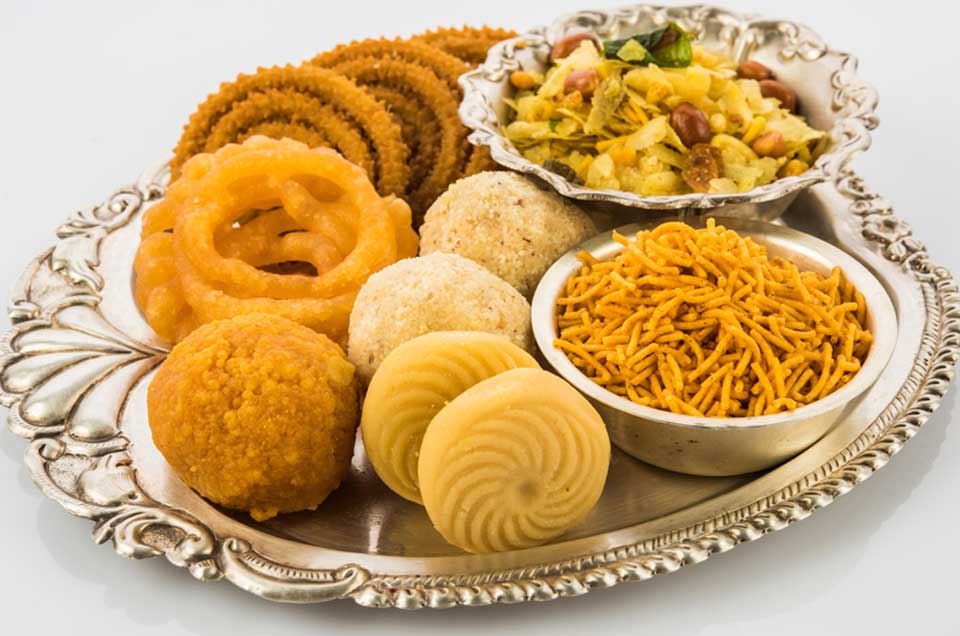
Weekends involve delayed meals, fluctuating activity levels, unpredictable snacking behaviours, late-night dinners, higher screen time while eating, restaurant dishes with high sodium content, sugary beverages, and even alcohol. These inclusions completely change the equation of how our bodies react to food these days.
The Importance Of Timely Meals In Ayurveda
Ayurveda views diet (Ahara) as an important part of the daily routine (dincharya). The perspective of Ayurveda is not only about the surface nature of the food items themselves, but also about their effects on the body’s equilibrium in accordance with the prakriti of the person and in respect to the time of day it’s consumed.
How different kinds of edible items and substances affect the doshas of a person is the main factor in deciding the long-term suitable meals for the person, so in essence, Ayurveda doesn’t see a weekday and a weekend as two differentiators that should decide what a person would eat and when they should eat, because this division of days is based on the nuances of the modern life, and not the prakriti of human being. The maintenance of digestive fire is not something we can take less seriously during the weekends; the whole lifestyle must support the natural alignment of the body.
How To Close This Gap?
Instead of focusing on when to eat and what to eat on weekdays and on weekends separately, it’s more beneficial to see the body as a whole and follow these Ayurvedic suggestions:
Adopt Satmya Principles
Ayurveda stresses that we should look towards fulfilling the Satmya (food compatibility) needs first and establish what kind of food items are most suitable for our body. Once all the nourishing foods are locked in, the division of meals can be done to support dosha balancing and to strengthen the digestive fire (agni).
Avoid Viruddha Ahara
There are certain incompatible food combinations that disturb the balance of the body, and along with adopting the right food combination, we must actively avoid potentially unsafe and unhealthy food items. Viruddha Ahara rules should be followed by keeping the time and meal constituents in mind, so that we do not mistakenly consume a problematic meal.
Follow Dincharya Even On Weekends
A healthy routine is one that allows our body to flourish and nourish every single day. While enjoying life on weekends is not a wrong act, punishing our own body every week is not ideal either. The Ayurveda-aligned routine we follow must be rigid enough to sustain the benefits and flexible enough to protect the body on all days.
Ayurvedic Diet Tips
Some dietary tips Ayurveda promotes can benefit the body deeply while not being dependent on any day of the week. Here are some universal Ayurvedic food habits for total wellness:
Focus on food when eating: When having a meal, our focus should not be divided; it affects the quality of consumption and often leads to insufficient chewing of ingested food, causing digestion issues.
Choose cooked vegetables: Cooked vegetables are easier to process regardless of the day of the week; choosing them over raw salads saves the digestive system from getting overwhelmed.
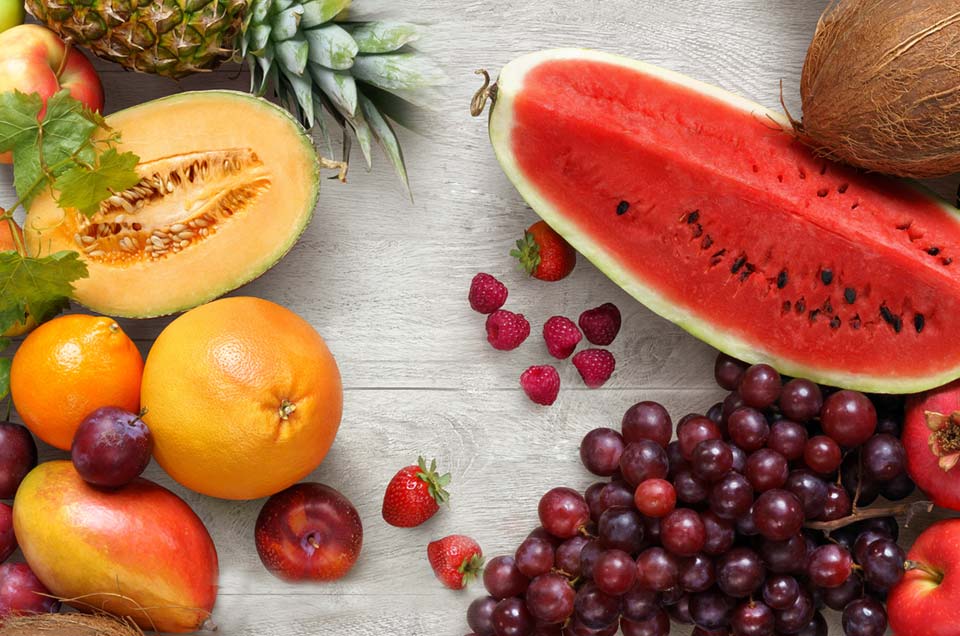
Seasonal fruits over imported ones: Seasonal fruits are mostly local and fresh, and they are also naturally meant to be consumed at that time of year.
Include some spices: Some spices are known in Ayurveda to support digestion; spices like cumin, ginger, and turmeric will help digestion on weekdays and weekends.
Warm water over cold water: The least we can do for the digestive system is to keep the digestive fire strong, so that what we eat is not lying inside for too long, turning into waste (Ama).
Moving Forward With Ayurvedic Habits
The importance of not torturing our bodies on weekends is immense, and Ayurveda tells us exactly how to ensure preservation even in a modern world. By following an Ayurveda-approved dincharya and Ahara, we can limit the impact of external triggers and factors coming from the modern lifestyle and environment, encouraging a healthier gut and long-term wellness.
Closing the huge discrepancy between what and how we eat on weekends and weekdays is the best way to eliminate the unpredictability of our future health conditions. Even small steps like quitting alcohol and limiting ourselves to healthy and timely snacking can impact the overall trajectory significantly.
References:
Ahara (Diet) in Ayurveda: Principles of a Balanced Meal
Weekday–Weekend Differences in Chrononutritional Variables Depend on Urban or Rural Living - PMC
What Is the Ayurvedic Diet? Benefits, Downsides, and More
https://pmc.ncbi.nlm.nih.gov/articles/PMC4815005/
Vegetarian Diets, Ayurveda, and the Case for an Integrative Nutrition Science - PMC