
 Published on
10 Aug, 2026
Published on
10 Aug, 2026 Updated on 29 Aug, 2026
 5088
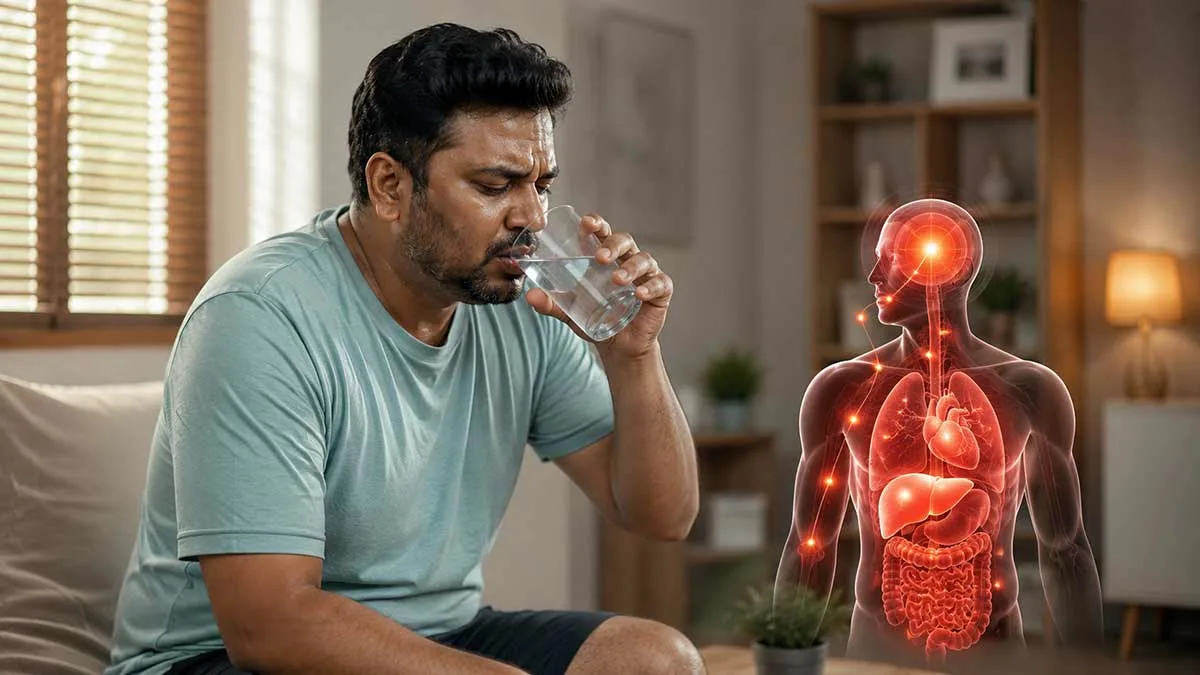
5088You drink a glass of water. Then again, you drink a glass of water. And you even finish your whole water bottle, but still your thirst doesn’t go away. Your brain is telling you constantly that you are thirsty. But even after drinking enough water, you still feel thirsty. So why does this happen to you?
We usually assume that if we are feeling thirsty, it might be due to hot weather, excessive physical activity, or that your body needs more fluid. But when thirst appears repeatedly, you feel fatigued or excessively sleepy, you get a dry throat, or you ask for water more at night, then it can be a serious issue, and neglecting it can result in a severe health-related disease.
What Is The Difference Between Drinking Water & Actually Staying Hydrated?
There is a huge difference between actually staying hydrated and just drinking water. When you come from a walk or from the gym, you sweat a lot and drink 3-4 glasses of tap water. You may feel good for some time, but it will not make you hydrated again. Because when we sweat, not only water comes out, but the most important minerals also come out.
Your body needs those lost minerals again, and plain water doesn’t have these important minerals, such as sodium, magnesium, potassium, and calcium. It is not at all advised that you go for expensive supplements to fulfill the need for these minerals.
Signs You’re Drinking Water but Not Hydrated
You drink lots of water throughout the day, but that doesn’t mean that you are hydrated. Below are the symptoms that tell you that you are drinking water but are not hydrated:
- You have a headache, and your brain feels foggy throughout the day.
- You always feel tired and have low energy.
- You have very dry skin and lips.
- You feel dizzy and have low blood pressure.
- You get muscle cramps and feel weakness in them.
- You go to the bathroom frequently.
- You have clear urine.
These symptoms point to inefficient hydration or a lack of fluid in the body.
High-Salt Food That Can Make You Feel Thirstier
Salt directly changes the need for water inside you. When you eat highly salty and processed food, your body panics a little bit and asks for more water to flush the extra salt from your body to make it normal. You may feel dry mouth, crave ice-cold water, and feel that one glass of water is not enough after a salty dinner or lunch; then you don’t have to worry much. Do not eat too much salty and processed food, and if you feel thirstier, then eat normal, less salty food to get your body back to normal.
Drinking Too Much Caffeine & Other Beverages
If you drink more than a cup of coffee or tea in a day, then it can be the reason behind your increased thirst. Because drinking massive amounts of caffeine or energy drinks can easily make you go to the bathroom again and again. And when this happens, you lose crucial minerals from your body.
Alcohol also does the same thing to your body; it makes your body lose fluid rapidly, which is why you feel thirsty and groggy in the morning. So the lesson is that not every liquid does the same thing to your body, so you have to be careful with what you drink and how much you drink.
Heavy Exercise & Sweating
When you work out, your body sweats to cool down, which drains a lot of water and salt. If you just take a few small sips of plain water after a heavy, sweaty workout, you will still feel thirsty because your body needs those lost salts back. For an easy walk, plain water is perfectly fine, but for intense exercise, you have to replace what you actually sweat out.
Dry Mouth Is Not Always the Same As Thirst
Sometimes you aren't actually dehydrated; your mouth just stopped making enough saliva. Things like sleeping with your mouth open, heavy breathing, smoking, or sitting in an air-conditioned office can make your mouth feel sticky and scratchy. If you keep chugging water but your mouth still feels like a desert, you likely just have a dry mouth issue, not a real water shortage.
Fluid Loss Due To Hot Weather
Summer heat steals your body's water much faster than you realize. Whether you are doing yard work or just riding in a hot car, you sweat constantly. Don't wait until your mouth is completely dry to grab a drink. Sip water steadily all day. If your bathroom trips are dark in color, you are already dehydrated.
What Can Be The Medical Reasons Behind Frequent Thirst In A Person?
There can also be a medical condition if one is experiencing frequent thirst even after drinking enough water:
- Diabetes: Frequent thirst is one of the main signs of diabetes. In this, your body does not make enough insulin or does not use it properly. It causes too much glucose in your body, which draws more water into your urine, and hence you pee a lot and feel thirstier.
- Dry Mouth: A dry mouth can make you feel very thirsty; it usually happens due to medications you take for the disease, such as cancer, nerve damage, and also due to tobacco use.
- Anemia: It means that your body lacks red blood cells. It usually happens due to serious health conditions. Mild anemia doesn't make you feel thirstier, but if it's serious, then you may feel like drinking lots of water again and again.
- Hypercalcemia: It means that calcium levels in your body are above normal. It can be due to illness such as hyperparathyroidism, tuberculosis, sarcoidosis, kidney disease, or multiple myeloma. It can also cause frequent thirst in you.
Doctor’s Note
It's normal to feel a bit parched after a salty meal or a heavy workout. However, if you are constantly drinking water but your thirst just won't go away, and you find yourself using the bathroom much more than usual, don't ignore it. This unquenchable thirst is a classic early warning sign of diabetes or high blood sugar, and you should see your doctor for a simple blood test.
How Can You Quench Your Thirst?
Below are the easy steps to hydrate your body and quench your thirst effectively:
- Eat Hydrating Food: Eat fruits such as watermelon, musk melon, oranges, and vegetables such as cucumber, spinach; these are excellent sources of essential minerals and can help in fulfilling the fluid requirement of the body.
- Monitor Your Urine Color: Try to monitor your urine color. If you have pale yellow coloured urine, then it is all good, but if you have clear urine, then it means you are overhydrated, while dark yellow indicates dehydration in the body.
- Add Salt to Your Water After Heavy Workouts or Sweating: After a heavy workout, you tend to sweat a lot, and you lose salt from your body, which is required for your body. Add a pinch of Himalayan salt, as it will help you maintain the sodium level in your body.
- Avoid Excessive Consumption of Caffeine and Other Beverages: Avoid drinking too much coffee, tea, sugary drinks, and alcohol, as they make you feel thirstier even more. Go for a better option instead of them, which can help with fluid retention in the body.
- Note the Timings of Your Water Intake: Try to drink water in intervals instead of just chugging a lot in one go, as it can overwhelm your kidneys and damage them severely.
- Focus on Your Gut Health: Your intestines are the main gateway for hydration. Take care of them by eating and drinking properly so that they can function well and help in maintaining water retention in the body.
Final Thoughts
For some people, feeling thirsty can be a sign of dehydration, but for others, it can be a serious health-related problem, such as diabetes, dry mouth, or anemia. Sometimes drinking water is not enough, and when you feel thirsty frequently, it may be a sign that it needs serious attention.
Eating hydrating foods, monitoring your urine color, adding salt to your water after sweating, not drinking excessive caffeine and alcohol, and focusing on your gut health can help in managing the fluid level in your body.