 Published on
30 Jun, 2026
Published on
30 Jun, 2026 Updated on 30 Jun, 2026
 5077
5077Magnesium is an unsung hero in your body. It is involved in hundreds of essential jobs, from keeping your heart beating steadily to helping your muscles relax after a long day. It’s also the secret behind good sleep, steady energy and a calm nervous system. Yet, despite how important it is, many people go through their day without getting enough of it.
Because magnesium touches so many different systems, being low on it can make you feel "off" in a dozen different ways. Often, these signs develop so slowly that we just blame them on aging or a busy schedule.
From an Ayurvedic perspective, this isn't just about the mineral itself; it's about how well your body can actually break down and absorb the food you eat. If your "digestive fire" is weak, even a healthy diet might not be enough to get those nutrients to your cells. Here is a simple look at what your body might be trying to tell you and how to get back into balance.
10 Common Signs Your Magnesium Might Be Low
If you find yourself experiencing these symptoms frequently, your body might be signaling a need for more magnesium to keep your internal system running smoothly. While these signs are common, they are gentle reminders to check in with your nutritional habits and support your body’s natural rhythm.
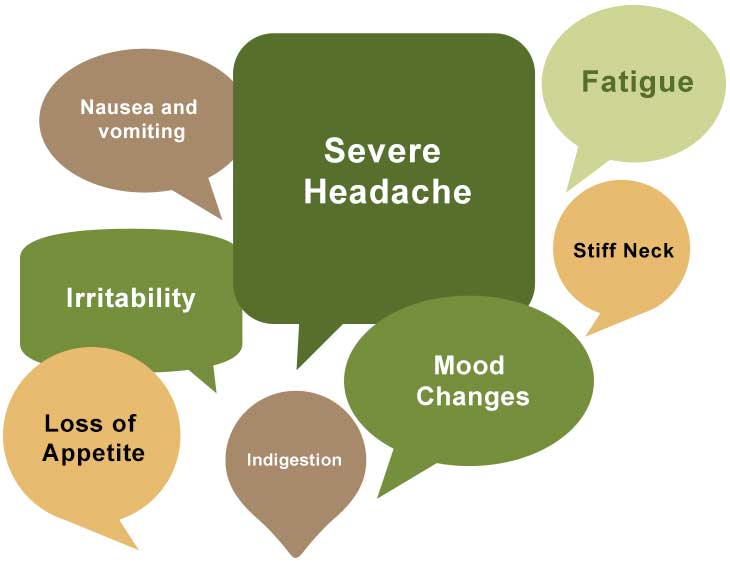
Frequent muscle cramps and twitches: Magnesium is like a “relax” button for your muscles. If you’re low, your muscles might stay stuck in that mild contraction thing, which can bring on those leg cramps, spasms or even that eye twitch that just won’t quit.
Persistent fatigue and low energy: Magnesium helps turn what you eat into actual fuel. When you don’t have enough, your inner system feels slow, like the engine is running sluggishly, so you end up exhausted and unmotivated even after a full night’s sleep, which is annoying.
Trouble falling or staying asleep: Are you tossing and turning or waking up like you never really rested? Magnesium helps calm the nervous system and it helps your body shift toward deeper sleep. Without it, your brain stays in “alert” mode, like it forgot to power down.
Feeling stressed and irritable: Magnesium helps manage how your nervous system reacts to stress. If your levels are low, you might feel like you’ve got a “short fuse”, with restless energy, anxiety, feelings or a mind that won’t slow down.
Frequent headaches: A bunch of people notice their recurring tension headaches or migraines are tied to low magnesium. It matters for nerve signaling and it also plays a part in how your blood vessels behave.
Numbness or tingling: Since magnesium is important for nerve signaling, low amounts can sometimes cause weird “pins and needles” sensations in your hands or feet, like your body is sending strange little signals.
Heart palpitations: Your heart is basically a muscle too. If you feel like it’s racing, fluttering or skipping beats for no clear reason, it could be linked to an imbalance of minerals.
Weak bones: We always talk about calcium but magnesium really is just as important for bone strength. It helps your body absorb calcium and it supports that overall bone structure you rely on.
Frequent constipation: Magnesium helps keep the muscles in your digestive tract moving in a smooth, steady way. If you’re dealing with sluggish digestion or constipation, it might be a sign your system wants a little extra support from this mineral.
You get tired quickly during exercise: If you work out and hit a wall way sooner than usual or if recovery takes days, your body might be struggling to meet the energy demands of exercise, because magnesium is lacking or not keeping up.
Why Do We Run Low On Magnesium?
It’s not always just about what you eat. Skipping magnesium-rich foods is a big factor but it’s not the only thing that makes the mineral slide right out of your system. There are some other quiet culprits too, things that can kind of pull it away faster than you’d expect.
- Chronic stress: Stress can behave like a magnesium thief, basically draining your stores a lot quicker than they can be replenished.
- Digestive issues: If your stomach is irritated or functioning weakly, you may not be absorbing the magnesium from your food at all, even if you’re eating the “right” items.
- Processed diets: Modern food processing often strips away those natural minerals in whole grains and plants, and then you end up with less magnesium than you thought you were getting.
- Getting older: As we age, our bodies become a little less efficient at soaking up minerals from our meals.
The Ayurvedic Secret: Focus on Absorption
Ayurveda teaches that nutrition isn't just "you are what you eat" it's "you are what you digest." You could eat all the almonds in the world but if your digestive fire (Agni) is weak, your body can't pull the goodness out of them.
To boost your magnesium levels naturally, Ayurveda suggests:
- Eat warm, fresh meals: These are much easier for your body to break down and absorb.
- Eat at regular times: This keeps your digestive fire burning predictably.
- Manage your stress: Since stress steals magnesium, daily habits like deep breathing, yoga, or just five minutes of quiet time are actually part of your "nutrient plan."
- Prioritize sleep: Your body does its best repair work while you are deep in sleep.
Why Your "Digestive Fire" (Agni) is the Real Gatekeeper
In Ayurveda, we often say, "You are what you digest." This is especially true for minerals like magnesium. If you have "low Agni" (weak digestion), you might start noticing things such as bloating, extra gas or that heavy weighted feeling right after you eat. In those moments, your body just can’t properly dismantle your meal so it can get to the tucked-away nutrients.
To help your body “unlock” the magnesium that’s already in your food, try this:
- Slow down a bit: Chew thoroughly, like actually take your time. That part is the very first step for digestion.
- Spice it up: Use gentle digestive spices, such as cumin, ginger and fennel, while you cook. They can help kind of rekindle your digestive fire.
- Don’t overeat: If you eat until you are stuffed, it puts out that digestive fire. Instead, try leaving a little room in your stomach after each meal, even if it feels tempting.
How to Build Your "Magnesium-Friendly" Plate
You don't need to overthink it. Making one or two small swaps each day is the easiest way to boost your levels without feeling like you're on a "diet."
- The Morning Boost: Sprinkle a tablespoon of pumpkin seeds or almonds onto your morning oatmeal or yogurt.
- The Lunch Upgrade: Swap out a plain white-rice side for brown rice, or add a handful of spinach to your midday meal.
- The Afternoon Snack: Keep an avocado or a banana handy for when the afternoon slump hits.
- The Simple Dinner: Include a cup of cooked lentils or black beans in your dinner they are powerhouses for both magnesium and fiber.
The Magnesium-Sleep Connection
If you find yourself staring at the ceiling at 2:00 AM, it might be your nervous system begging for a little more magnesium. This mineral helps keep your brain's "calm" receptors active, making it easier to drift off and stay asleep.
- Try an evening ritual: A warm bath with Epsom salts (which are rich in magnesium) can be absorbed through the skin and help your muscles release the tension of the day.
- Stay away from blue light at night: The blue light emitted by your phone and laptop will make you tired and prevent magnesium from doing its job.
- Enjoy some tea: A warm cup of either chamomile or valerian root tea will be a good old Ayurveda solution to relax and prepare your body for the magnesium absorption process
Conclusion
Magnesium is the unheralded element that keeps your body functioning well by ensuring your muscles stay relaxed, your energy levels are stable and your sleep is restful. But your body will definitely show you that it needs more magnesium when you experience cramps, tiredness or an agitated mind.
However, in Ayurvedic medicine, good health does not only mean taking supplements. It ensures the proper function of your digestive system (Agni) and, thus, nutrient absorption by your body. This is possible due to the consumption of whole and fresh products, the reduction of your daily stress, and the establishment of regularity in your activities.
References
Magnesium - Health Professional Fact Sheet
Magnesium deficiency: MedlinePlus Medical Encyclopedia
Magnesium deficiency - symptoms, causes, treatment & prevention | healthdirect