 Published on
04 Jul, 2026
Published on
04 Jul, 2026 Updated on 04 Jul, 2026
 5140
5140Have you ever woken up in the morning feeling like you just ran a marathon in your sleep, only to touch your forehead and realize you are burning up? It is one of the most uncomfortable feelings in the world. Every single muscle feels bruised, your deep joints ache, your head throbs with every heartbeat, and all you want to do is hide under a heavy blanket for the rest of the day.
Getting sick is hard enough, but why do these two things, high heat and deep muscle pain, almost always show up together?
Let us break down exactly what your body is trying to tell you. We will look at the simple science of what is happening inside you and then explore the ancient, comforting wisdom of Ayurveda to help you heal faster.

Why Do Body Pain and Fever Occur Together?
To understand the pain, you have to understand how your body fights. When a bug, like a cold virus or a stomach bacterium, sneaks into your system, your immune system immediately sounds the alarm. Think of your immune system like a highly trained security team.
To fight off the invaders, your brain turns up your internal thermostat. Bugs absolutely hate heat. They cannot survive or multiply when your body is hot, so a fever is actually your body’s brilliant way of burning the sickness out.
But while this heating process is happening, your immune system is also releasing special alarm chemicals into your blood. These chemicals are great at killing viruses and calling for backup, but they have a frustrating side effect: they strongly irritate your nerve endings and your muscles.
That irritation is exactly why your legs feel heavy, your lower back aches, and your joints feel stiff. The pain is not the illness itself; the pain is simply a side effect of the intense battle happening inside you.
How Ayurveda Looks at a Fever
Modern medicine mostly sees a fever as a symptom that needs to be brought down. Ayurveda, the traditional Indian system of natural health, looks at it a little differently.
In Ayurveda, a fever is called Jwara. It is considered the king of all bodily illnesses because it is one of the few conditions that affects your entire system at once, your mind, your physical body, and your senses.
However, Ayurveda does not view the fever as your enemy. Instead, it sees the fever as a completely natural, necessary cleaning process. Your body is purposely creating extra fire to burn away something that does not belong there. Fighting the fever too quickly with strong medicines can sometimes trap the sickness inside.
The Role of Your Body's Energies
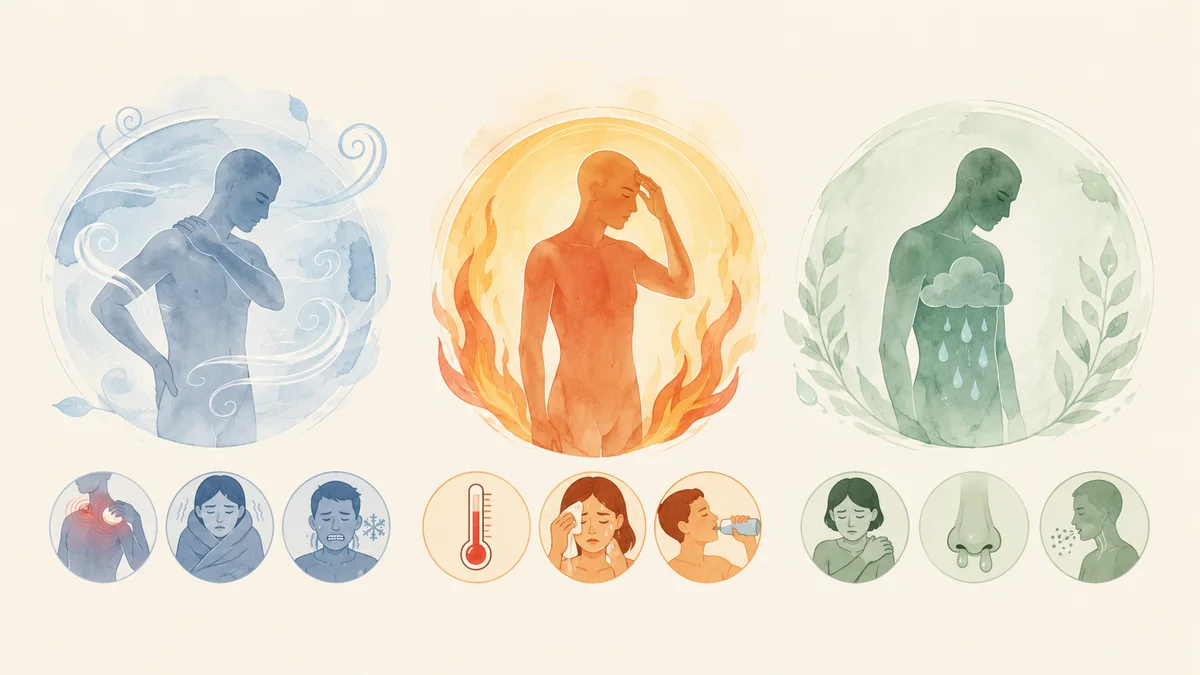
Ayurveda believes our bodies are run by three main energies. When you get sick, these energies get thrown out of balance, and each one creates different types of discomfort:
- Wind Energy (Vata): Think of this as a cold, dry wind. When this energy is disturbed, it brings dry and moving qualities to your body. This is exactly what causes those sharp, shooting body pains, the sudden shivering, and the deep chills that make your teeth chatter.
- Fire Energy (Pitta): This is the heat. When your fire energy is out of balance, it creates a high temperature on the thermometer. It causes heavy sweating, a burning feeling in your eyes, and a feeling of intense thirst.
- Earth Energy (Kapha): This energy is heavy, thick, and wet. When it acts up, it causes that heavy, sinking feeling in your muscles where you can barely lift your arms. It is also responsible for a runny nose and a chest full of sticky mucus.
The Root Cause: Sticky Waste in the Stomach
This is where Ayurveda offers a truly unique and helpful view. Ayurveda believes that most fevers do not just happen out of nowhere; they actually start in your stomach.
Your digestion is like a campfire. When you eat heavy food, eat late at night, or eat when you are not actually hungry, you are throwing wet logs onto that fire. The fire struggles to burn. Because your body cannot process the meals properly, the undigested food turns into a sticky, toxic waste called Ama.
This sticky waste clogs up the tiny, invisible channels that carry energy and blood throughout your body. To clear this dangerous blockage, your internal digestive fire leaves the stomach and spreads throughout your entire body to melt and burn the waste away. That spreading heat is the fever.
And the body pain you feel? That is the physical feeling of your internal channels being blocked, stretched, and irritated by this sticky waste.
Other Signs Your Body is Fighting
When you have a fever with body pain, you will likely notice a few other signs. These are all clues that your body is busy doing its job:
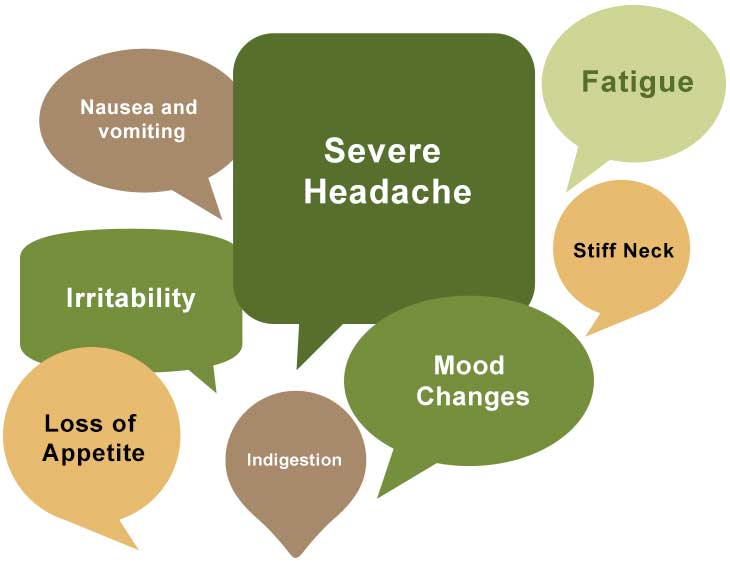
- A severe headache: This happens because the blood vessels in your head expand from the heat.
- Zero hunger: Your digestive fire has left the stomach to fight the sickness, so your body shuts down your appetite on purpose.
- A strange taste: A bitter or metallic taste in your mouth is a classic sign that your body is trying to clear out toxins.
- Extreme tiredness: Fighting a virus takes a massive amount of energy. Your body makes you tired so you are forced to lie down and let it work.
What to Do at Home (And What to Avoid)
When a fever hits, how you treat your body in the first 24 hours makes a huge difference in how fast you recover.
What to Do:
- Rest Completely: Sleep is your absolute best medicine. Do not try to push through it. Do not try to answer work emails from your bed. Close your eyes and rest.
- Sip Warm Water: Drinking plain, comfortably warm water all day is the best way to melt that sticky waste inside you and flush it out through your urine and sweat.
What to Avoid:
- Do Not Overeat: Your body is busy fighting the sickness; it does not have the energy to digest a heavy meal. Forcing yourself to eat a heavy plate of food will only make the fever worse.
- Do Not Use Ice: If the fever gets high, do not jump into a cold shower. This shocks your nervous system and traps the heat inside. Instead, place a room-temperature, damp cloth on your forehead to gently cool down.

What to Eat During a Fever
Keep your food incredibly simple, warm, and light. Think of your stomach as a very tired worker, give it easy, gentle tasks.
- Drink thin, warm soups, like a clear vegetable broth or the water from boiled yellow lentils (moong dal).
- If you are truly hungry, eat a watery, well-cooked rice porridge.
- Avoid milk, cheese, heavy sweets, cold drinks, and fried foods completely. They are thick, hard to digest and will create more blockages in your body.
Using Nature to Heal
Simple kitchen ingredients are magical for helping your body clean itself out safely.
Boiling a few crushed Holy Basil (Tulsi) leaves in your drinking water helps clear your chest and gently brings down the heat. Sipping on a light tea made from fresh ginger helps burn away those sticky toxins and soothes your aching muscles from the inside out.
When Should You See a Doctor?
While home care is wonderful, a fever is still a warning sign. You should never ignore real danger signals. Please go to a doctor if:
- The fever stays very high (over 103°F) and does not come down after a day or two.
- You have trouble breathing or feel a sharp pain in your chest.
- The pain in your joints or stomach is sudden, sharp, and unbearable.
- The fever lasts for more than three to four days without any sign of getting better.
Final Thoughts
Getting a fever with body pain is a miserable experience, but it is not a mistake. It is living proof that your body’s defense system is incredibly smart and is working exactly as it should.
By understanding that the heat is burning away the illness, and the muscle pain is just a temporary side effect of that fight, you can support your body much better. Rest deeply, keep your meals very light, sip warm water throughout the day, and let your body do the amazing job of healing you from the inside out.