 Published on
31 Jul, 2026
Published on
31 Jul, 2026 Updated on 31 Jul, 2026
 5078
5078Menopause is a huge shift in a woman's life. Hormones change, your metabolism slows down, and belly fat seems to appear out of nowhere. Your joints might ache, and your energy often takes a dip.
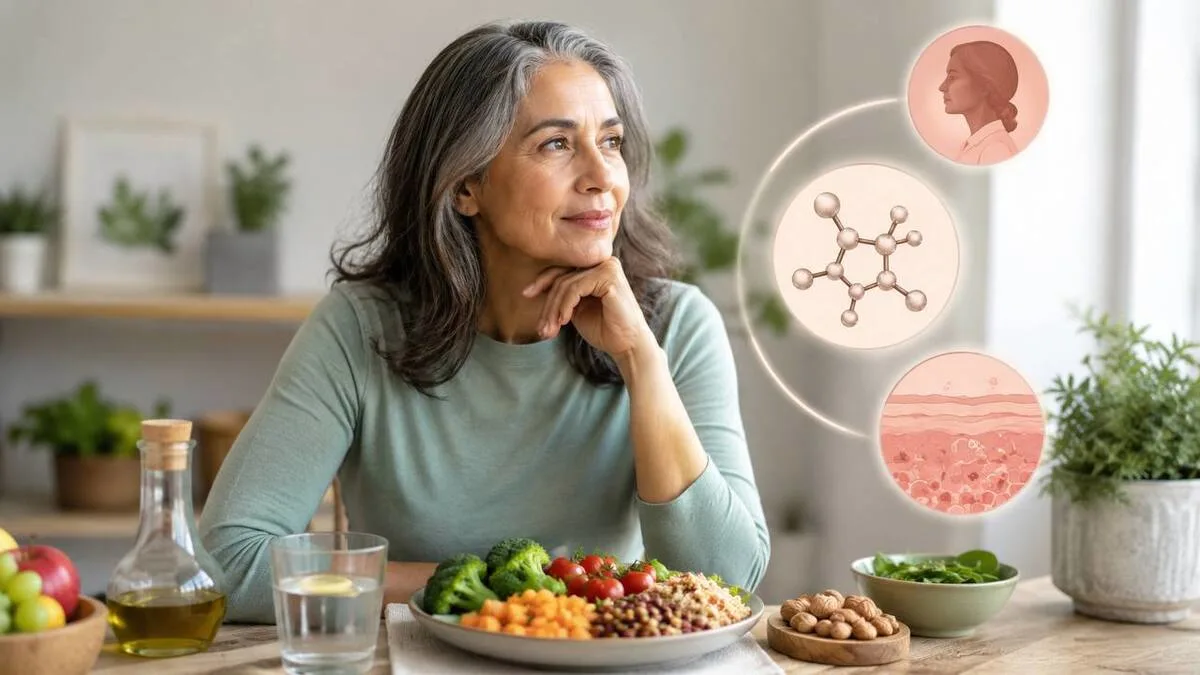
One hidden reason for this aging process is something called AGEs (Advanced Glycation End Products). These compounds build up in your body over time, but your daily diet heavily controls them. It is said that sticking to a low-fat diet for a few years naturally helps reduce these harmful compounds.
What Are Glycation Compounds (AGEs)?
Think about baking a loaf of bread. As it bakes, the crust gets brown and crispy because sugars and proteins mix together under high heat. A very similar thing happens inside your body and your food.
When sugars bind with fats or proteins, they form AGEs. Your body makes some naturally, but a massive amount comes from your kitchen, specifically from foods that are deep-fried, grilled over an open flame, charred, or roasted at extreme heat.
Over time, having too many of these compounds in your blood creates inflammation. This makes your joints feel stiff, ages your skin faster, and makes your heart work harder.
How Menopause Changes Your Metabolism?
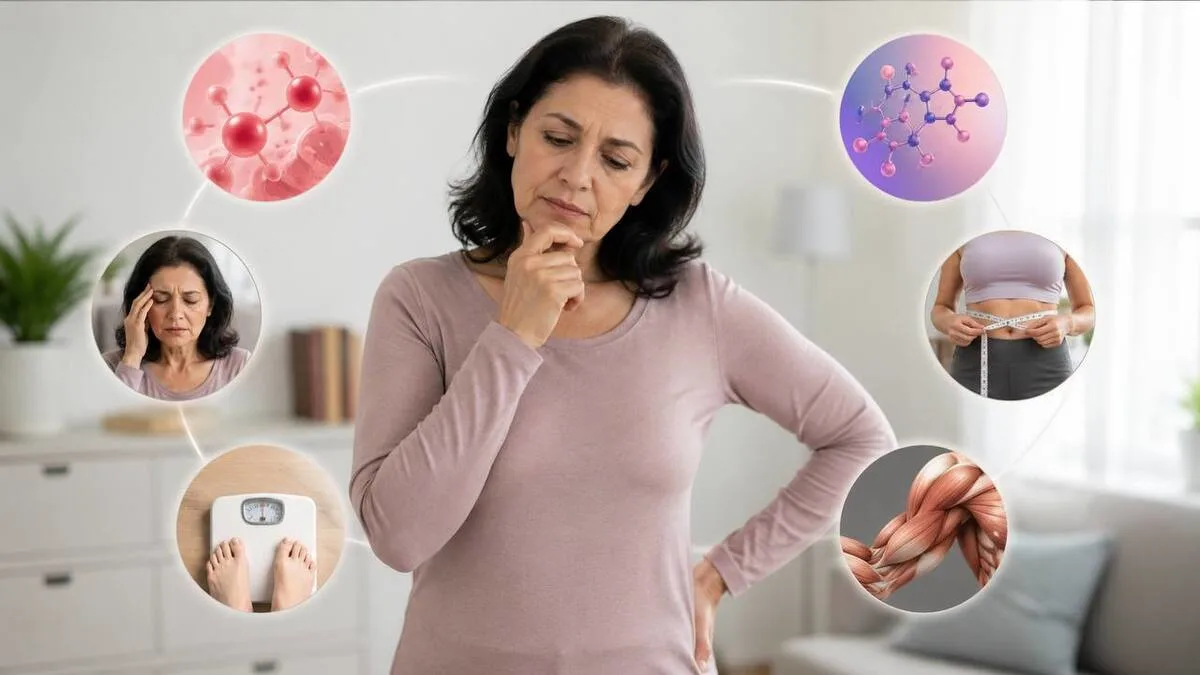
When you go through menopause, your estrogen levels drop. Estrogen does a lot more than just manage your periods. It actually helps your body burn fat and process the sugar from your meals.
When this hormone drops:
- Your engine will slow down internally, so you will burn fewer calories.
- Your body will lose muscle mass and start storing fat in your belly area.
- Your blood sugar levels will rise very quickly.
- It will take you longer to feel recovered after having a long day.
Because your body is changing the rules, how you cook and eat matters more than ever.
The Connection Between High-Fat Diets and AGEs
Let’s be clear: not all fats are bad. Natural fats from nuts, seeds, and avocados are wonderful for your brain and skin.
The real trouble comes from high-fat foods cooked at extreme heat. Fast food, deep-fried snacks, processed meats, and cooking oils that get reused over and over are loaded with AGEs. To fix this, you just need to change how you cook. Boiling, steaming, simmering, and making soups are much safer and create far fewer AGEs than deep frying or grilling.
An Ayurvedic Perspective on Healthy Aging
Ayurveda does not use complex modern words like "glycation," but it has understood this exact concept for thousands of years.
In Ayurveda, the secret to a healthy life is protecting your digestive fire, known as Agni. When your digestion is strong, it turns your food into pure energy. But if you eat heavy, cold, greasy, or deeply fried food, your digestive fire struggles.
This weak digestion creates a sticky, toxic waste inside your body called Ama. Just like modern science says AGEs contribute to oxidative stress and vascular damage, Ayurveda says Ama clogs your body's channels, leading to joint pain and fast aging.
Ayurveda suggests a very gentle approach to eating:
- Eat hot, freshly made, rather than cold, old, or packaged food.
- Use mild spices such as ginger, cumin, and turmeric to maintain healthy digestion.
- Eat easy-to-digest food that does not make your stomach heavy.
- Eat slowly and stop once you get a feeling of fullness.
Foods That Support Better Metabolic Health
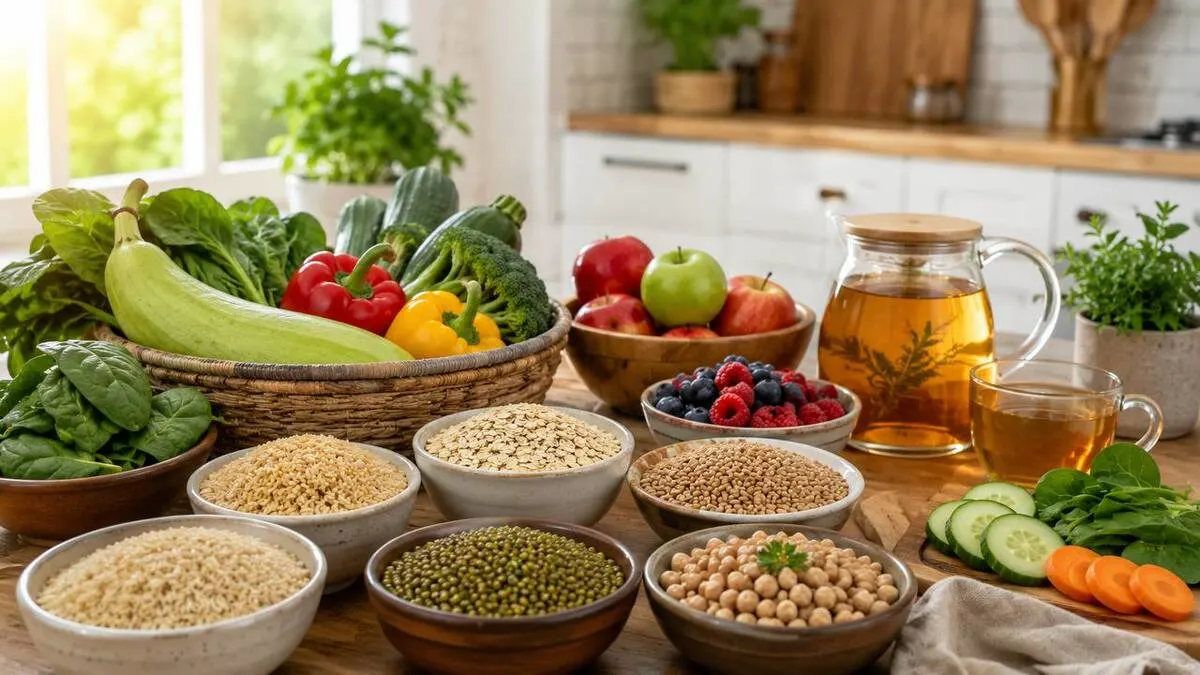
Having all the right ingredients in your kitchen helps make a healthy life easy for you. Have a look at some easy-to-incorporate items:
- Fresh Vegetables: Include green and healthy vegetables like bottle gourd, spinach, capsicum, all softly cooked.
- Whole Grains: Include grains such as brown rice, oats, whole wheat, and millets.
- Plant Proteins: Have yellow moong dal, lentils, chickpeas, soaked overnight and cooked properly.
- Fresh Fruits: Includes apples, berries, and other fruits that can be eaten as snacks.
- Hydration: Drinking sufficient warm water or herbal tea.
Cooking your meals at home is the simplest way of ensuring no harmful chemicals enter your body through food.
Doctor's Note
While reducing dietary AGEs may support metabolic health, menopause-related symptoms are influenced by hormones, genetics, physical activity, sleep, and overall dietary quality. A low-fat diet alone is unlikely to address all symptoms.
Lifestyle Habits That Work Alongside a Healthy Diet
Eating clean food is a huge step, but your daily routine completes the picture.
- Move your body daily: Exercise by walking for 30 minutes at a good pace daily. Exercise allows your muscles to absorb the additional glucose in the blood.
- Build a little muscle: Strength training will help you have strong bones even when you grow older.
- Protect your sleep: Getting 7 to 8 hours of sleep every day allows your body to flush out toxins.
- Lower your stress: Excess stress affects digestion. Spend at least ten minutes every day being silent, breathing deeply, or stretching.
Who Should Be More Careful?
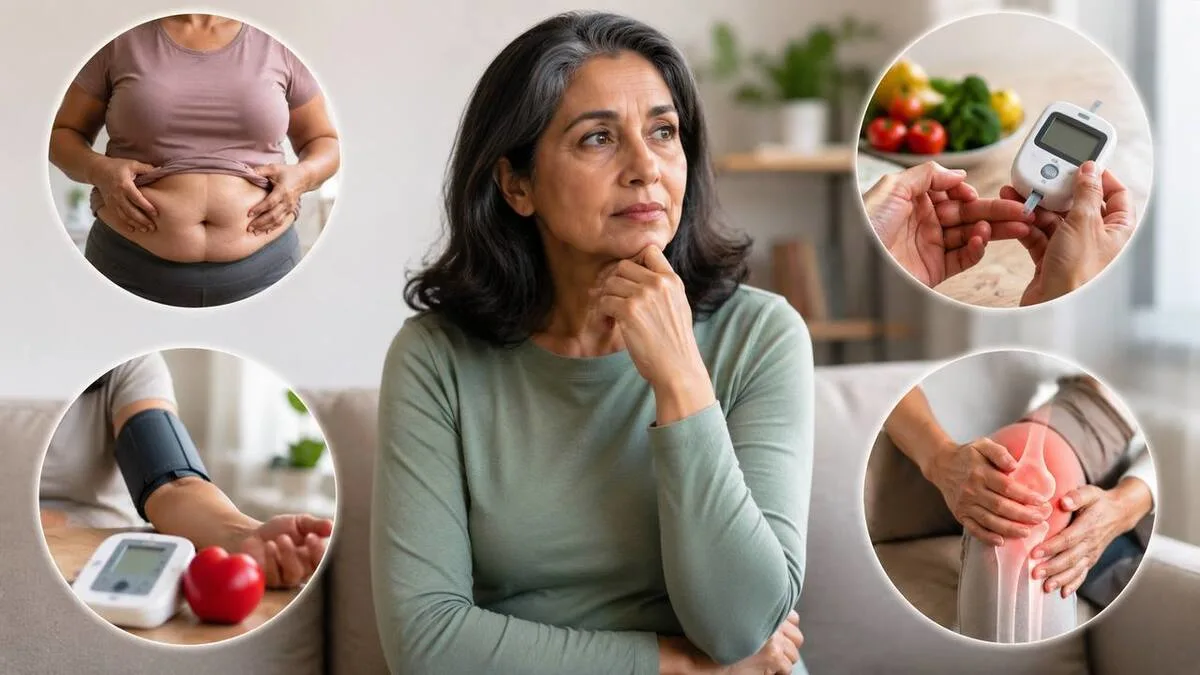
While every woman benefits from eating cleaner, keeping an eye on your diet is extra important if you:
- Have sudden abdominal fat.
- You have prediabetes, diabetes, or elevated blood sugar levels.
- Have high cholesterol or high blood pressure.
- Experience severe joint stiffness in the morning.
If you fall into any of these groups, making small cooking changes can give you fast, noticeable relief.
When to Consult a Doctor
Always see your doctor if you experience:
- Extreme fatigue that does not disappear even after resting.
- Loss of weight or weight gain for no apparent reason.
- Increased thirst.
- Pain in your joints that prevents you from moving freely.
Final Thoughts
Menopause is merely the beginning of an entirely new journey. You do not have to subscribe to any kind of mad diet from the internet or take pricey vitamins to remain healthy.
It's that simple to ensure your metabolism remains active. Eat healthy meals instead of fast, fatty food that is fried and unhealthy. Steaming and boiling will ensure your food is fresh and easily digested. Coupled with daily walks, proper sleep, and a calm mind, you can have a fit and active body for years to come.
References
Menopause - StatPearls - NCBI Bookshelf
Beyond symptoms: Understanding the diverse realities of menopause worldwide