 Published on
19 Aug, 2026
Published on
19 Aug, 2026 Updated on 19 Aug, 2026
 5093
5093It’s often a daily habit of some people to eat food consciously to support better digestion, but when it comes to drinking water, they rush it completely. The habit of rapid water drinking may seem harmless on the surface, but in terms of health, it’s a problematic tendency, to say the least.
Drinking too much water quickly can lead to issues such as water intoxication and can also cause physical discomfort if the water accidentally enters the nose, and if the amount of water taken is just too much to contain in the mouth.
The Reality Of Water Intoxication
Drinking a large amount of water too quickly not only overwhelms the kidney’s filtration system but also reduces the rate of absorption, hence hindering hydration.
Healthy consumption habits shouldn’t be limited to choosing the right diet or nutrition, or following slow eating habits, but the way we drink water also affects our health to a great degree, along with the quality and quantity of our intake.
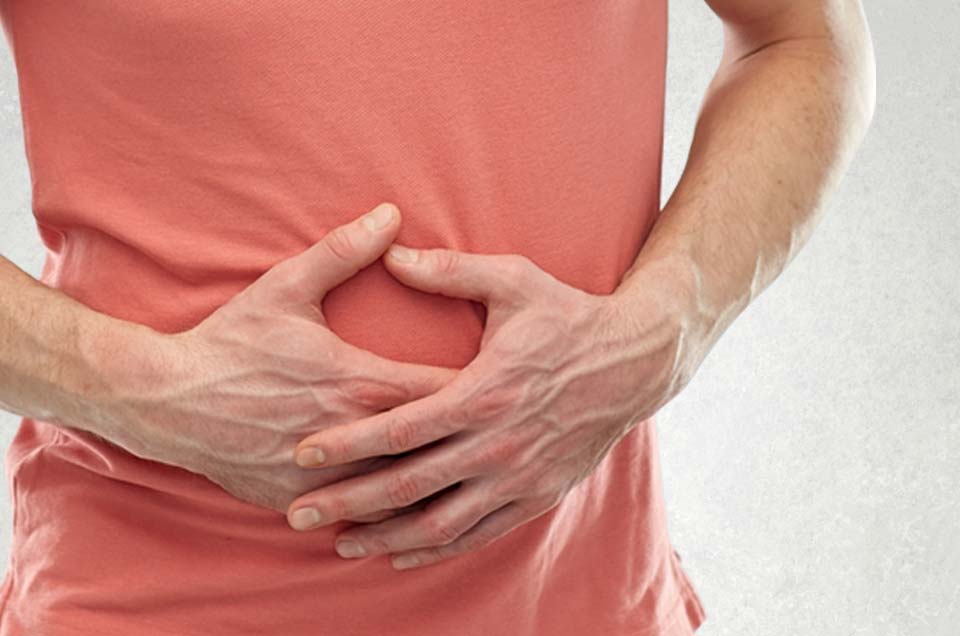
The excess and quick water intake can cause a variety of symptoms, such as:
- Vomiting
- Stomach Cramps
- Headache
- Breathing Difficulty
- Gas And Bloating
Water Intake And Gas
Drinking water too quickly can make us swallow air along with the water, which causes gas, burping, and stomach discomfort, and can also make us feel full and bloated, leading to serious discomfort and confusion.
Quick intake of water also causes the swallowed water to push the already existing gas inside the stomach, causing an expansion and a potential feeling of pain in the gut, until and if the gas is expelled.
Doctor’s Note
Drinking water too fast may not always show severe symptoms, but if any of the symptoms persist, it shouldn’t be taken lightly. The side effects of quick water intake can only be properly diagnosed and treated by a qualified healthcare professional, so it is ideal to consult them as soon as you notice such lingering effects on your body.
The Role Of Water Temperature
The perceived effect of the quick water intake may vary depending on the temperature of the water, as very hot or very cold water intake can affect the stomach and cause a spasm and lead to partial bloating.
Cold water, specifically, is not recommended for daily consumption in Ayurveda, as it has the potential to weaken the digestive fire, and a weak digestive fire not only encourages gut issues but also system-wide ama production and accumulation.
The adverse effects on digestive fire later reduce the body’s capacity to handle more food and complicate absorption.
The Upper Body Implications Of Swallowing Water
Drinking large quantities of water at once often exerts pressure on the chest and upper body and creates a sensation of moving gas bubbles in the upper digestive tract.
This pressure can mimic the feeling of a cardiac event, creating anxiety and panic for the person.
How To Reduce These Effects?
Both Ayurveda and modern science support some healthy methods and considerations when it comes to drinking water. Some of the major tips to ensure a safe water intake are:
- Slow Sipping: Choosing to take time and sip the water slowly and calmly is a basic but very safe habit and is considered the ideal way of water intake.
- Temperature Check: Ayurveda recommends drinking water that is slightly warm to support the digestive fire, whereas modern science is okay with drinking water of normal room temperature and even slightly cool water if the person is not facing any illness.
- Right Position: Drinking water should only be done when we’re upright in position. Sipping water while leaning or lying down is not safe for health. Ayurveda also suggests that we should not drink while standing; sitting upright is the ideal position.
When Can It Become An Issue?
Drinking water too fast may not immediately prove to be serious. It is possible that a person ignores the slight discomfort and coughing and repeats the process daily, but after a point, if they develop any of the following symptoms, it’s important to seek medical assistance as soon as they can:
- Multiple instances of vomiting and severe nausea
- Blood in vomit or stool
- Persistent heaviness in the chest
- Difficulty swallowing food
- Too much discomfort in the stomach and severe abdominal pain
Hydration Through Diet
While water is essential for the functioning of the body and its organs, the food we eat, if chosen correctly, can provide great hydration to supplement the actual water intake.
Some of the widely available food items for rich hydration are:
- Watermelon: Watermelon is one of the best seasonal sources for hydration, as it is dense in water content. It does provide all the perks of eating a fruit along with the benefits of hydration.
- Cucumber: This vegetable is used as a component of salad, and it is also rich in water content, which makes it an ideal companion for a balanced diet.
- Bottle Gourd: It is one of the plainest and simplest vegetables available in the market, offering water content and other nutrients to a sattvic diet.
- Buttermilk: It is not only a great source of hydration but a glass of spiced buttermilk is a comprehensive support drink for gut health because of its probiotic nature.
- Grapes: Eating grapes helps the body take in extra fluid, and they also provide vitamins, just like most of the fruits, as they contain about 80 percent water content.
Moving Forward With The Right Hydration
Drinking water is a necessary activity one must perform multiple times a day for survival and health, but the factors that surround our water intake are just as important. We must take care of the quality, the volume, the posture, and the speed of the intake, along with the timely fulfillment of the hydration needs of the body via water and other hydration sources.
When taken the right way, plain water can replace a number of unnecessary drinks we choose to take regularly; it all comes down to ensuring that the water being drunk is actually benefiting the body by taking it in slowly and consciously.
References:
About Water and Healthier Drinks | Healthy Weight and Growth | CDC
Chugging Water All the Time? How to Avoid Overhydration
19 Water-Rich Foods That Help You Stay Hydrated