
 Published on
24 Jun, 2026
Published on
24 Jun, 2026 Updated on 24 Jun, 2026
 5117
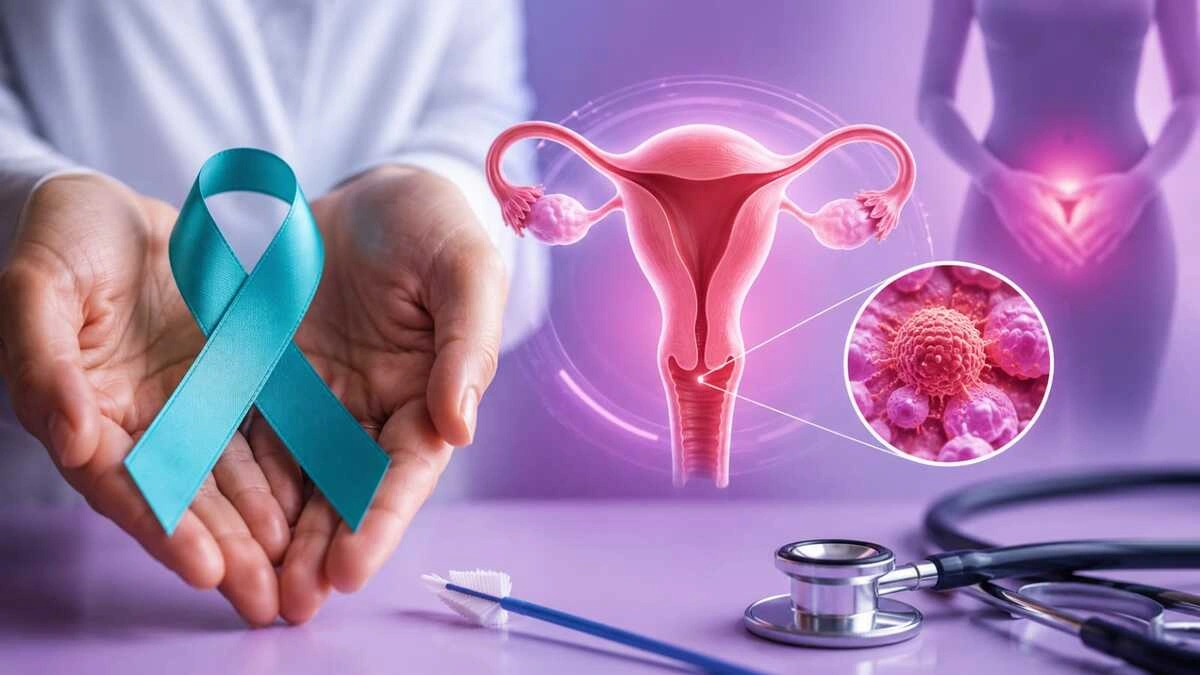
5117Cervical cancer is the second most common cancer among women in India. The country accounts for roughly one-third of the global cervical cancer burden, with over 127,500 new cases and nearly 80,000 deaths annually. Approximately 83% of cases are linked to HPV serotypes 16 and 18.
At-a-Glance Statistics
New Cases (Annual):123,000 to 127,000+
Deaths (Annual):74,000 to 79,900+
- Prevalence: Ranks as the 2nd most frequent cancer among Indian women and the 2nd most frequent among women aged 15 to 44.
- HPV Connection: About 6.6% of the general female population harbors an active cervical HPV infection
It is incredibly frustrating. We live in an era where we can Google any symptom in two seconds, yet women are still drowning in a sea of bad, outdated, or outright dangerous health advice.
The reality is that women don't just "fail" to find information. There is an active, broken pipeline that prevents accurate health information from reaching them. Here is a breakdown of how this information gap actually happensand why it’s so hard to fix.
Here are the three major blocks in the system
The Filter of Shame (Sankoch)
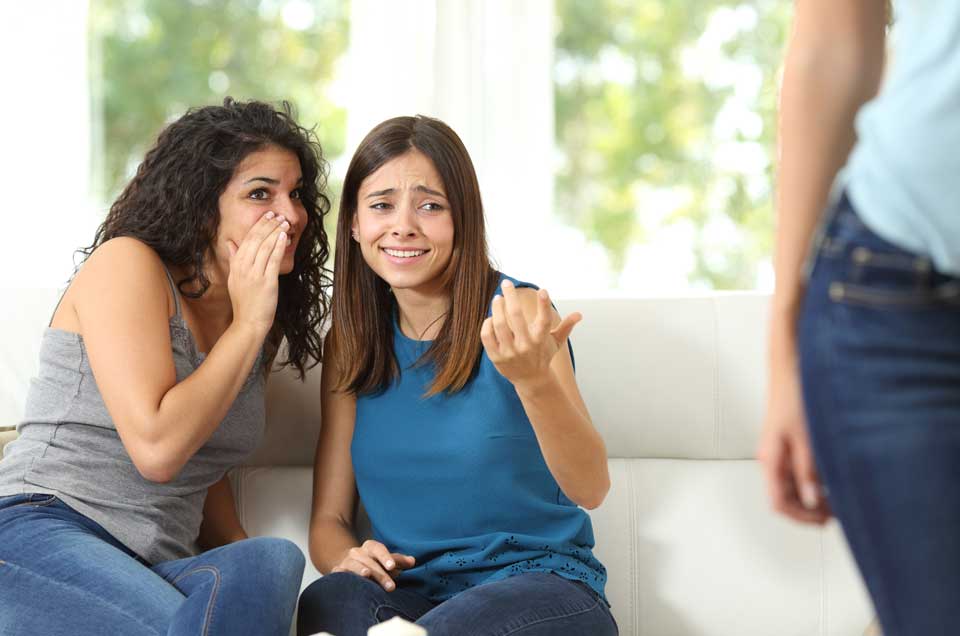
Because reproductive anatomy, menstruation, and intimacy are treated as deep taboos, they are forced into the shadows. When women cannot discuss abnormal symptoms openly at the dinner table, they rely on a whisper network. Outdated myths are passed down across generations as absolute truth. If a health issue is considered too embarrassing to speak out loud, it becomes completely impossible to fact-check.
The "Magic-Bullet" Trap
Real medical science is slow, boring, and can involve uncomfortable tests like Pap smears. In contrast, social media algorithms and chat group forwards offer something highly seductive: fast, cheap, painless "miracle cures." A viral post claiming that a specific kitchen spice or herbal juice can completely dissolve cysts spreads rapidly because it preys on fear and financial anxiety. This creates a false sense of security, causing women to delay vital clinic visits until a condition has advanced.
Medical Gaslighting
Sometimes, the information block happens right inside the doctor's chamber. Countless women have detailed their debilitating pain or unusual symptoms, only to be dismissed with phrases like "it's just standard period cramps" or "you are being too emotional." When trusted professionals brush off legitimate fears, women stop asking questions. They lose faith in regular healthcare and turn to unverified online forums for dangerous self-diagnosis.
Can we really identify it ?
The absolute most critical thing to understand about early detection is this: Precancer has zero symptoms.
You cannot feel it happening.There is no pain, no itch, and no warning sign while the cells are quietly mutating on the cervix. By the time physical symptoms actually show up, the cells have usually already broken through the tissue wall to become invasive cancer.
Because it is completely silent, early detection
The Three Primary Methods of Detection
As shown in the medical pathway diagram above, science has moved from looking only at cell changes to detecting the viral driver itself. Clinics rely on three main testing methods
1. The High-Risk HPV DNA Test (The Detective)
This is the most precise tool we have. A doctor takes a tiny fluid sample from your cervix to look directly for the genetic footprint of high-risk HPV strains (like HPV 16 and 18). It catches the threat years before your cells even start to change.
2. The Pap Smear (The Watchman)
The doctor gently brushes a small cluster of cells from the cervix to look at them under a microscope. This test checks whether cells have already started mutating into abnormal shapes.
3. VIA Visual Inspection with Acetic Acid (The Grassroots Tool)
Very common in government clinics, community health camps, and rural areas. A doctor or trained nurse applies a diluted vinegar solution to the cervix. Abnormal, precancerous tissues turn white under the solution, giving immediate, real-time results without needing a massive laboratory.
Your Action Plan for Screening
If you are ready to take control of your health, here is the exact process to follow to ensure an accurate, stress-free screening:
Check your timeline:Age-based rules.
If you are between 21 and 29, plan for a Pap smear every 3 years. If you are 30 to 65, request an HPV DNA test or a Co-test (Pap + HPV) every 5 years.
Time it with your cycle:Avoid your period.
Book the appointment for a day when you are not menstruating. The ideal time is 10 to 20 days after the first day of your last period, as heavy blood can mask abnormal cells in the lab.
Follow the 48-hour rule:Keep the area clear.
For 48 hours before your test, do not use vaginal creams, douches, medicines, or tampons, and avoid sexual intercourse. These can clean away or alter the surface cells, leading to an inconclusive result.
Request a trauma-informed approach:Advocate for your comfort.
When you walk in, tell your doctor if you feel nervous. You can ask for a smaller speculum, request that they explain each physical step before they do it, or bring a trusted friend into the room with you.
Cervical Health Roadmap
| Step / चरण | Details / जानकारी |
| PRIMARY ACTION | HPV DNA Test (Preferred) / एचपीवी डीएनए Frequency: Every 5 years (हर 5 साल में) Status: HPV DNA is more sensitive than Pap alone for age 30+. Ask for 'HPV DNA Testing' or 'Co-testing'. |
| COST & ACCESS | Where to go? Private: ₹1,200 - ₹4,500 (HPV/Co-test) Govt: FREE (Govt Centers) Home collection usually available in Metro cities. |
| MYTH BUSTER #1 | Sonography vs Pap Busted! सोनोग्राफी गर्भाशय ग्रीवा की जांच नहीं करती। You need a Pap Smear or HPV test specifically. Do not rely on ultrasound for cervical check. |
| MYTH BUSTER #2 | Symptoms & Safety Busted! Early-stage cervical cancer often has NO symptoms. Screening is for healthy women. Early detection saves lives. |
Building the Fort: The Ayurvedic View on Viral Clearance
Screening catches a fire. Prevention stops the match from being lit.
On the modern front, the game has changed because of vaccines. While imported vaccines used to cost upwards of ₹3,000 to ₹4,000 ,Giving our daughters this vaccine between the ages of 9 and 14 is the ultimate gift of health. We buy insurance for their weddings; we need to insure their cervixes first.
But what about the grown women? Once the virus enters the body, the job of kicking it out belongs to your internal defense system.
This is where turning back to our own indigenous science Ayurveda stops being a trendy lifestyle choice and becomes pure, pragmatic biology. Modern medicine is finally catching up to what Ayurvedic Vaidyas wrote down thousands of years ago: that systemic inflammation, gut health, and an organism's ability to fight off a chronic virus are the exact same conversation.
Ayurveda views a lingering, stubborn viral infection as a failure of Ojas (our core reserve of cellular vitality) caused by an accumulation of Ama (unprocessed metabolic toxins). When your internal terrain is congested, opportunistic viruses set up camp.
You can build a highly hostile environment for HPV by leaning into standard Dinacharya (daily regimens):
- The Kitchen Pharmacy: Introducing high-potency, bio-available herbs like Guduchi (Giloy) and Ashwagandha directly stimulates the body’s natural macrophage activity. High-curcumin Haldi (turmeric), consumed with a pinch of black pepper and healthy fat (like a drop of ghee), is one of the most potent natural anti-inflammatories on earth.
- Protecting the Agni: Ayurveda insists that immunity lives in the gut fire (Agni). Shifting away from heavy, ultra-processed, refrigerated foods toward warm, freshly cooked, easily digestible meals stops the gut from leaking systemic inflammatory signals into the bloodstream.
- Lowering the Cortisol: A woman running on the fumes of chronic stress has a depressed T-cell response. Doing twenty minutes of Anulom Vilom (alternate nostril breathwork) isn't just "relaxing"it chemically lowers your circulating cortisol, taking the brakes off your immune system so it can hunt down lingering viral strains.
Let us be brutally honest here so nobody gets hurt: Drinking haldi doodh will not dissolve a Stage-2 pre-cancerous lesion. Reclaiming your traditional lifestyle builds the fortress; the Pap smear checks the gates. You do not choose one over the other. You do both.
When to See a Doctor Immediately
While you should never wait for symptoms to book a routine screening, you must see a gynecologist immediately if you experience any of these late-stage warning red flags:
- Unusual bleeding: Bleeding between your regular periods, unexpectedly heavy cycles, or bleeding after menopause.
- Post-coital bleeding: Spotting or bleeding immediately after sexual intercourse.
- Unexplained pain: Persistent, deep pain in your pelvis or lower back that isn't tied to your normal period cycle.
- Changes in discharge: Foul-smelling, watery, or blood-tinged vaginal discharge.
CONCLUSION
Cervical cancer is entirely preventable, yet we lose an Indian woman to it every seven minutes. By replacing sankoch (hesitation) with regular HPV DNA or Pap tests, we have the power to wipe this disease out of our families. Don't wait for silent cells to shoutprioritize your health, break the silence, and book your screening today.
References
Cervical Cancer—Health Professional Version - NCI
Cervical cancer & HPV vaccines
https://www.who.int/activities/screening-for-cervical-cancer/1000