 Published on
22 Jun, 2026
Published on
22 Jun, 2026 Updated on 22 Jun, 2026
 5116
5116We’ve all heard the advice since we were kids: "Eat your grains." But in a world obsessed with quick fixes, low-carb trends, and processed snacks, we’ve largely lost sight of what the humble grain actually does for us.
If you’ve been feeling sluggish, bloated, or just "off," the solution might not be in a supplement aisle. It might be sitting in the bread, rice, or cereal bowl you’ve been skipping. It’s time to talk about the unsung hero of the digestive world: multigrain.
This isn't just about "fiber." It’s about creating a thriving internal ecosystem. Let’s dive into why your gut is essentially a high-maintenance garden, and why multigrain is the premium fertilizer it’s been waiting for.
What Actually Is "Multigrain"? (And Why It Matters)
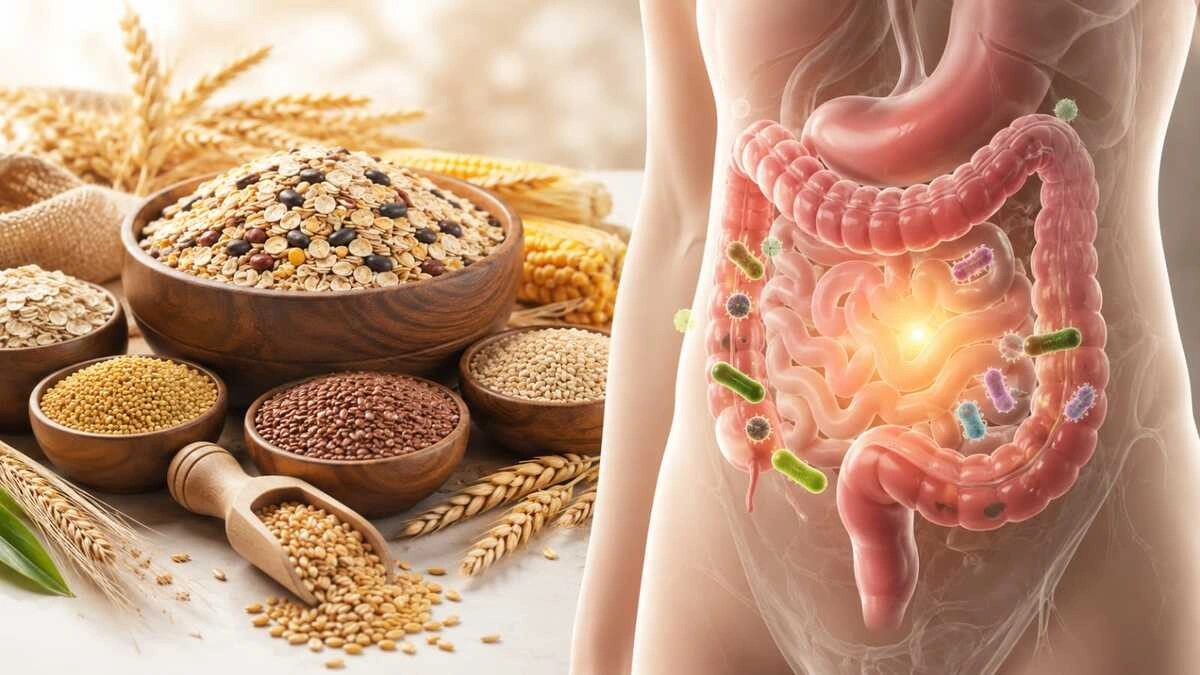
Before we get to the gut benefits, let’s clear the air. "Multigrain" simply means the product contains more than one type of grainthink wheat, barley, oats, millet, or quinoa.
When you choose a whole multigrain product, you are getting the entire seed: the bran, the germ, and the endosperm. This "trinity" provides a complex matrix of vitamins, minerals, antioxidants, and, most importantly, dietary fiber.
When you eat refined grains (like white bread), that fiber has been stripped away. You’re left with empty starch that spikes your blood sugar and leaves your gut bacteria starving. That’s why you feel a crash an hour after eating a white bagel.
The Gut-Fiber Connection: A Biological Superpower
Your digestive tract isn't just a tube that moves food from point A to point B. It’s a bustling city of trillions of bacteria, known as the gut microbiome.
Think of fiber as the currency that keeps this city running.
- Fiber as Prebiotic Fuel Your body can’t digest fiber, but your gut bacteria love it. When they ferment the fiber from multigrains, they produce Short-Chain Fatty Acids like butyrate.
- The Butyrate Benefit Butyrate is essentially "superfood" for the cells lining your colon. It reduces inflammation, strengthens the gut barrier, and even plays a role in regulating your immune system.
- Regularity Without the Struggle We all know fiber helps you stay "regular," but it’s not just about bulk. Soluble fiber (found in oats and barley) absorbs water to form a gel, softening stool, while insoluble fiber (found in wheat and corn) adds the "broom" effect that keeps everything moving efficiently.
Why Multigrain Beats "Single Grain" Every Time
Why mix them? Why not just stick to wheat? Diversity.
Every grain has a slightly different fiber profile and a unique set of phytonutrients.
- Oats: Excellent for heart health and soluble fiber.
- Barley: A powerhouse for blood sugar regulation.
- Millet: Rich in antioxidants and naturally gluten-free.
- Buckwheat: A mineral-dense grain that supports gut mucosal health.
By rotating these, you feed different "species" of good bacteria in your gut. A diverse diet leads to a diverse microbiome, and a diverse microbiome is the gold standard for long-term health.
The "Hidden" Perks of the Multigrain Lifestyle
Beyond just regular bathroom visits, fiber-rich multigrain consumption changes how you live
- The Satiety Factor: Fiber slows down digestion. Instead of a blood sugar rollercoaster, you get a slow, steady release of energy. You stay fuller for longer, which naturally helps with weight management.
- Mood Regulation: Did you know 90% of your body’s serotonin (the "feel-good" hormone) is produced in your gut? A happy, fiber-fed gut is directly linked to a clearer, more stable mood.
- Inflammation Control: Chronic inflammation is the root of many modern diseases. A high-fiber, multigrain-rich diet helps cool that inflammation by maintaining a healthy gut wall, preventing "leaky gut" symptoms.
How to Make the Switch (Without the "Fiber Shock")
If you’ve been living on a low-fiber diet and suddenly load up on multigrain, you might experience some gas or bloating. This is normal, it just means your bacteria are having a party!
Follow these three rules to upgrade your gut health smoothly:
- Hydrate, Hydrate, Hydrate: Fiber acts like a sponge. If you eat fiber without drinking enough water, it can actually cause constipation. Aim for an extra glass of water with every fiber-rich meal.
- Go Slow and Steady: Don’t swap all your white carbs for heavy, seeded multigrain overnight. Start with one meal a dayperhaps a bowl of oatmeal with flaxseeds for breakfast.
- Check the Label: Look for the word "Whole" as the first ingredient. If the label just says "wheat flour," it’s likely refined. You want to see: Whole wheat, whole oats, whole barley.
The Bottom Line: Your Gut Is Your Foundation
We often prioritize what we look like on the outside, but true health starts at the core. Your gut is the control center for your digestion, immunity, and even your mental clarity.
By incorporating a variety of multigrains into your daily routine, you aren't just eating for the sake of being full. You are nourishing the trillions of tiny tenants that dictate how you feel every single day.
Stop settling for "fast" food that leaves your system empty. Opt for the complex, the crunchy, and the fibrous. Your gut will thank you for it with better digestion, more energy, and a vitality that refined starches simply cannot provide.
Reference
https://www.who.int/news-room/fact-sheets/detail/healthy-diet
https://fssai.gov.in/upload/uploadfiles/files/Guidance_Notes_Version_2_Millets_29_01_2020.pdf