 Published on
23 Jul, 2026
Published on
23 Jul, 2026 Updated on 23 Jul, 2026
 5074
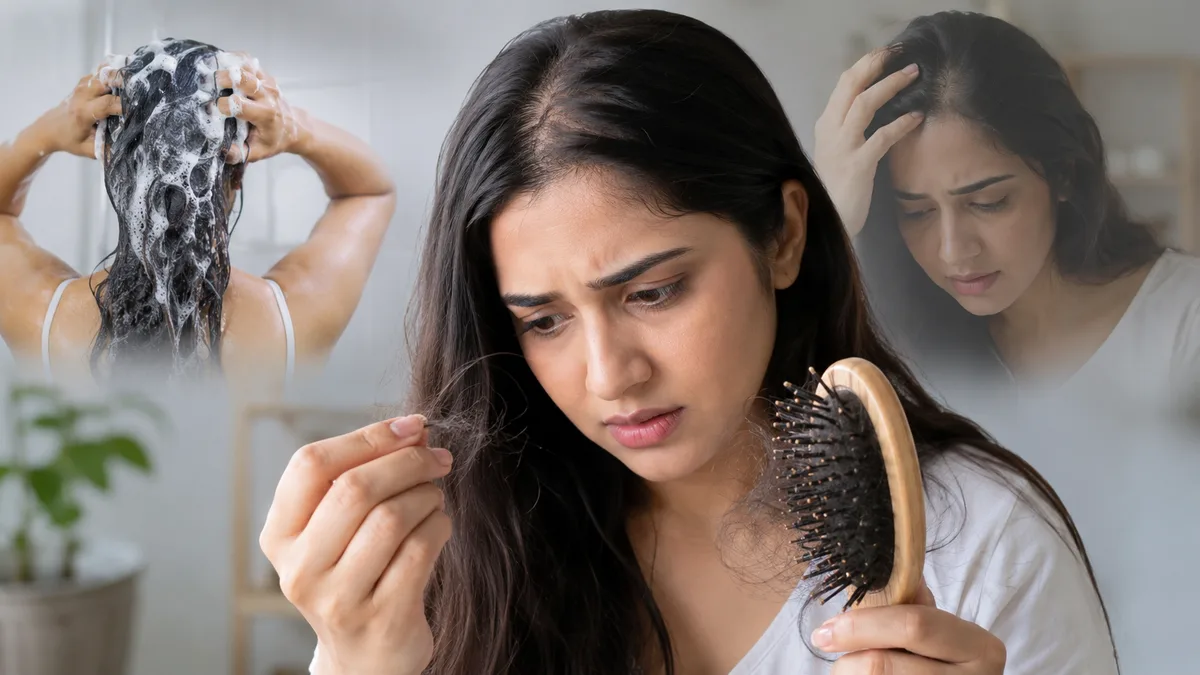
5074Spotting extra hair in the shower drain or on your pillow is enough to make anyone panic. Our first instinct is usually to blame our shampoo and spend a fortune on a new miracle fix. But honestly, while a bad shampoo might dry out your ends, it is rarely why your hair sheds from the root.
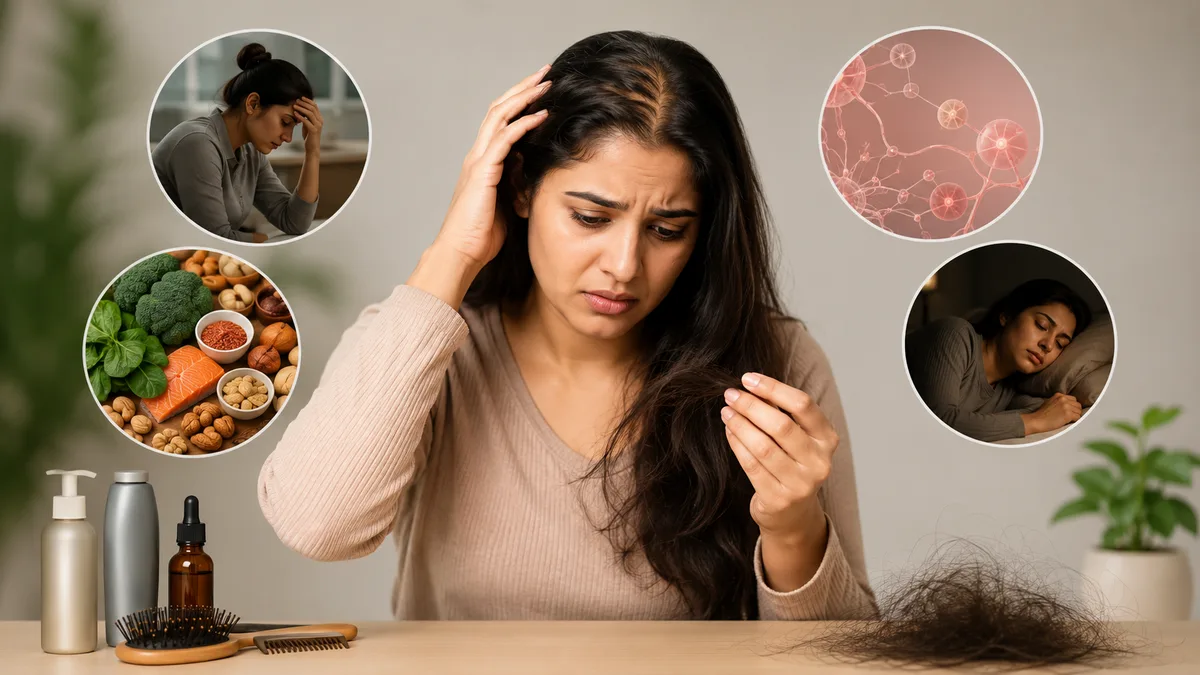
The real issue usually lies beneath the surface. Your hair health is deeply tied to your diet, hormones, sleep, and stress levels. When your hair starts falling out, it is rarely about the products in your bathroom; it is simply your body tapping you on the shoulder, letting you know something inside needs a little attention.
How Much Hair Loss Is Actually Normal?
Every single day, a healthy scalp naturally drops about 50 to 100 strands of hair. It’s just the natural cycle of hair development. It’s no different from how leaves fall off trees to make way for new ones.
Your hair goes through three simple phases:
- Growth: The phase during which the hair grows longer.
- Resting: A brief period during which the growing stops.
- Shedding: The hair sheds off to allow a new one to grow.
However, if you notice your parting getting wider, see thinning around the crown of your head, or feel like your ponytail is suddenly much thinner, your body might be pushing too many hairs into the shedding phase all at once.
The Shampoo Myth: Why Cleansers Cannot Fix the Root Problem
We switch shampoos constantly, hoping for a miracle. But expecting a shampoo to cure hair fall is like washing a car and expecting the engine to run better.
A shampoo has one basic job: to clean your scalp. It removes sweat, extra oil, dirt, and leftover hair products. It sits on your head for maybe two minutes before going down the drain. It simply does not reach deep enough into your skin to change how your body produces hair.
While a very harsh shampoo can definitely dry out your hair and cause it to snap and break, true hair fall, where the white bulb is attached to the end of the fallen strand, comes from within.
Hidden Internal Causes Behind Hair Fall
If the issue is not in the shampoo, what is the reason then? In most cases, the answer is linked to something that your body lacks.
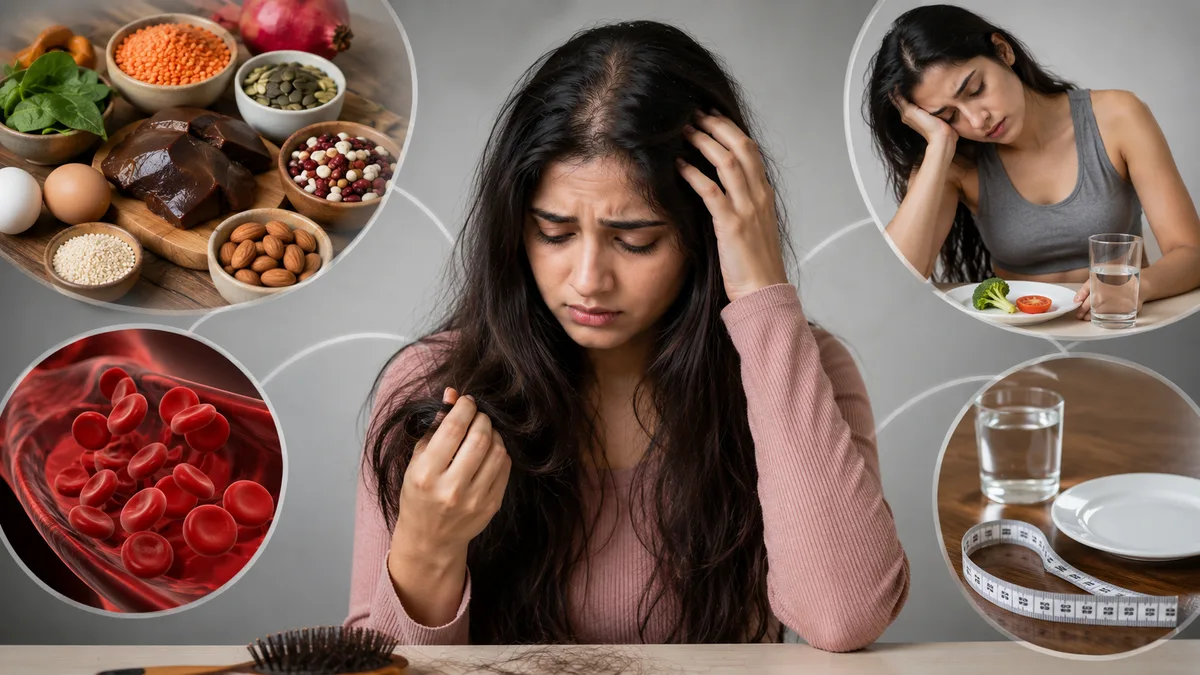
Nutrient Deficiency: Hair requires much energy and certain nutrients to grow. If you lack iron, vitamin D, zinc, or proteins, your hair will look bad. Women commonly lack iron because of their menstrual cycles. In case of nutrient deficiency in the body, your body takes all the vitamins available to ensure that they are sent to your vital organs first. Your hair is ignored and becomes extremely fragile and vulnerable to falling out.
Unhealthy Lifestyle: If you starve, drink insufficient amounts of water, or diet excessively to lose weight rapidly, your body suffers a shock. In order to survive, your body starts saving energy for other purposes and stops devoting energy to the growth of hair. Therefore, a large part of it falls out a couple of months later.
The Role of Hormones in Women’s Hair Health
Hormones are the chemical messengers in your body. When they get confused, your hair gets confused too.
PCOS and Thyroid Issues: Conditions like Polycystic Ovary Syndrome (PCOS) can cause an increase in male hormones in a woman's body, which often leads to thinning hair right at the top of the head. Similarly, if your thyroid gland is working too slowly or too fast, it throws off your metabolism, leaving your hair dry, brittle, and prone to falling out.
Pregnancy and Menopause: Many women notice their hair looks amazingly thick during pregnancy, only to shed in handfuls a few months after having the baby. This is just hormones returning to normal. Menopause also brings a drop in estrogen, which can completely change the thickness and texture of your hair over time.
Your Hair Reflects What You Eat
Just as a good building requires good bricks, good hair requires good food.
Hair is mainly composed of a very strong protein known as keratin. When your intake of proteins is low, it becomes impossible for your body to form hair.
Some foods that will help you have good hair include the following:
- Legumes and eggs are rich in protein.
- Seeds and nuts for healthy fats.
- Vegetables like spinach for iron.
- Amla and citric fruits for vitamin C, which assist your body in absorbing iron.
Healthy meals will provide a perfect place for your hair to grow.
Stress, Sleep, and Hair Loss: The Invisible Connection
We live in a highly stressful world, and that mental weight quietly damages our physical health.
When you are constantly stressed, your body produces high amounts of a hormone called cortisol. High cortisol signals to your hair follicles to stop growing and go to sleep. Interestingly, hair fall from stress usually happens three or four months after the actual stressful event, making it hard to connect the two.
Sleep is just as important. When you sleep, your body goes into repair mode, healing tissues and balancing hormones. If you are constantly staying up late and barely sleeping, your hair never gets the signal to repair and grow.
Scalp Health: The Soil for Strong Hair
Even though the root cause is often internal, the actual surface of your head matters too. You can think of your scalp as the soil in a garden. If the soil is sick, the plants will not grow.
If you struggle with heavy dandruff, extreme oiliness, or a dry and itchy scalp, your hair follicles can get blocked or inflamed. Keeping your scalp clean and calm is the foundation of good hair. Wash your hair regularly, but avoid scrubbing too hard or using water that is burning hot.
Common Hair Care Mistakes That Worsen Damage
Sometimes, we accidentally damage our own hair while trying to make it look good.
Avoid these very common mistakes:
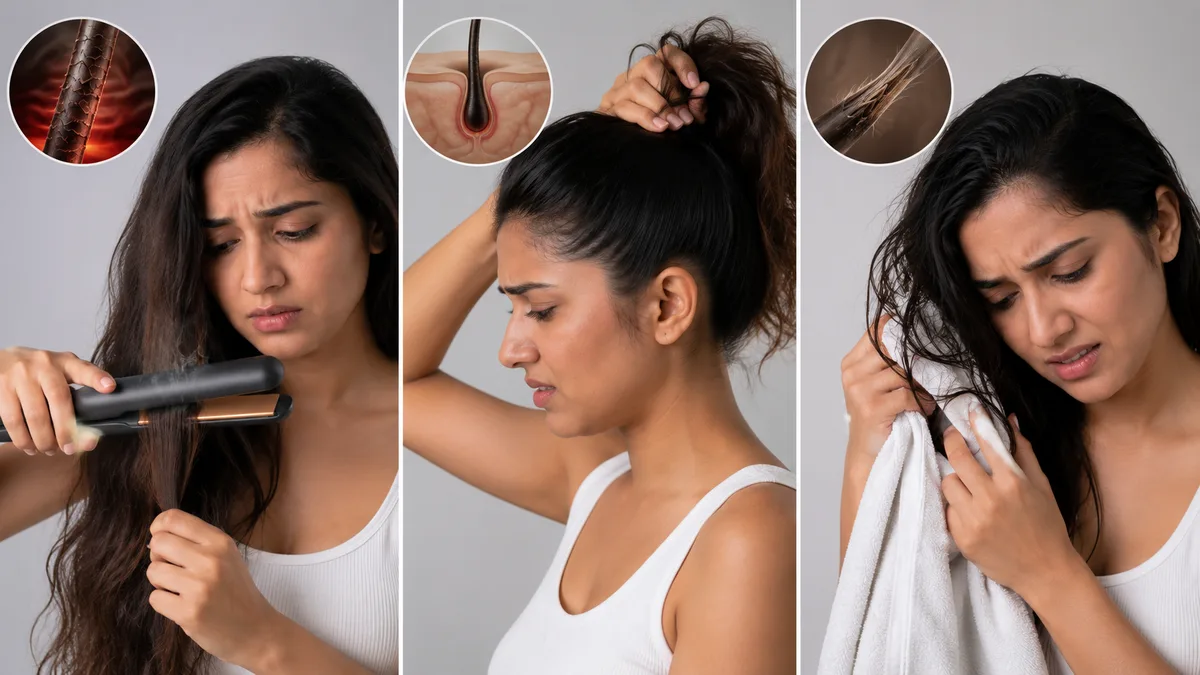
- Excessive heat: Straightening, curling irons, and heated blow dryers can weaken your hair over time.
- Tight hairstyles: If you pull your hair back to a super-tight hairstyle daily, you’re stressing the roots, which will eventually pull the hair out, permanently damaging the hair follicle.
- Hair abuse: Wet hair is extremely fragile. When drying your hair with a tough towel or yanking a brush through wet tangles, you're causing extensive damage to your hair. Be gentle!
Doctor’s Note
Severe hair fall is rarely a shampoo issue; it is an internal warning of nutritional deficiencies, hormonal imbalances, or chronic stress. Instead of constantly changing hair products, fix the root cause from within: eat a protein- and iron-rich diet, manage stress, and prioritize 7-8 hours of sleep. Seek medical help immediately if you notice sudden, rapid hair loss or smooth bald patches.
An Ayurvedic View on Hair Health
Ayurveda, the ancient system of natural health, looks at hair fall very simply. It believes that your hair is a direct mirror of your digestion and your body's internal balance.
In Ayurveda, excess body heat (called Pitta) is usually blamed for premature greying and hair fall. When we eat too much spicy or sour food, or take too much stress, this internal heat rises to the head and weakens the hair roots.
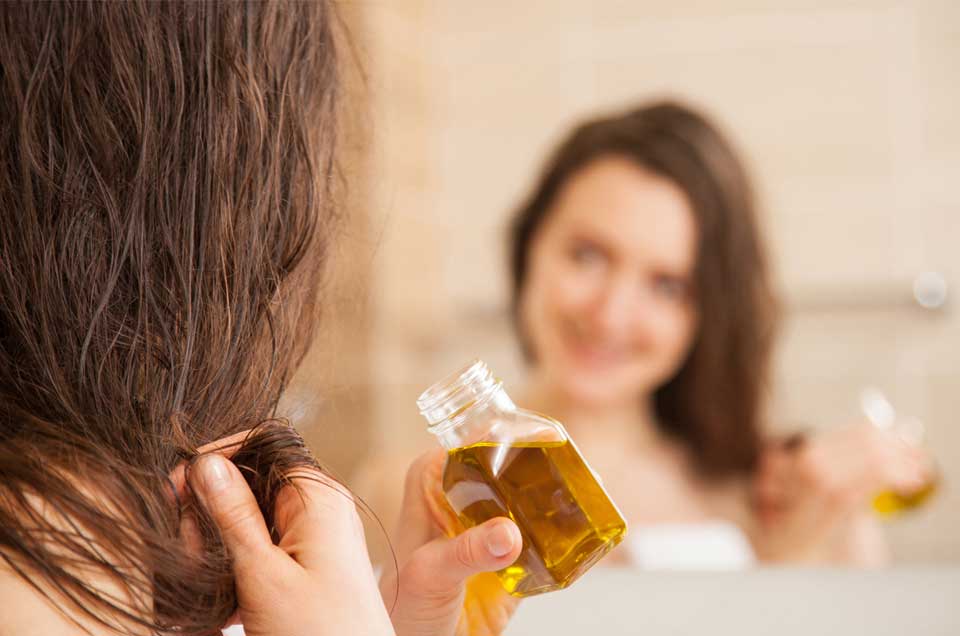
The traditional fix is not just rubbing oil on the head. It involves calming the mind, eating cooling foods, sleeping on time, and doing gentle scalp massages with simple oils like coconut or amla to bring the heat down and increase blood circulation.
Healing Your Scalp the Ayurvedic Way
According to Ayurveda, healthy hair stems from a healthy scalp. Instead of using chemicals, Ayurveda focuses on improving digestive health (Agni) and balancing the Doshas, which may support overall scalp and hair health as part of a broader management plan.
Here are the core Ayurvedic habits to restore your scalp:
- Recognize your Scalp Type: Follow the type that is predominant in you. The dry and flaky scalp condition is caused by vata; pitta gives rise to a hot and irritated scalp, while kapha causes excessive oiliness.
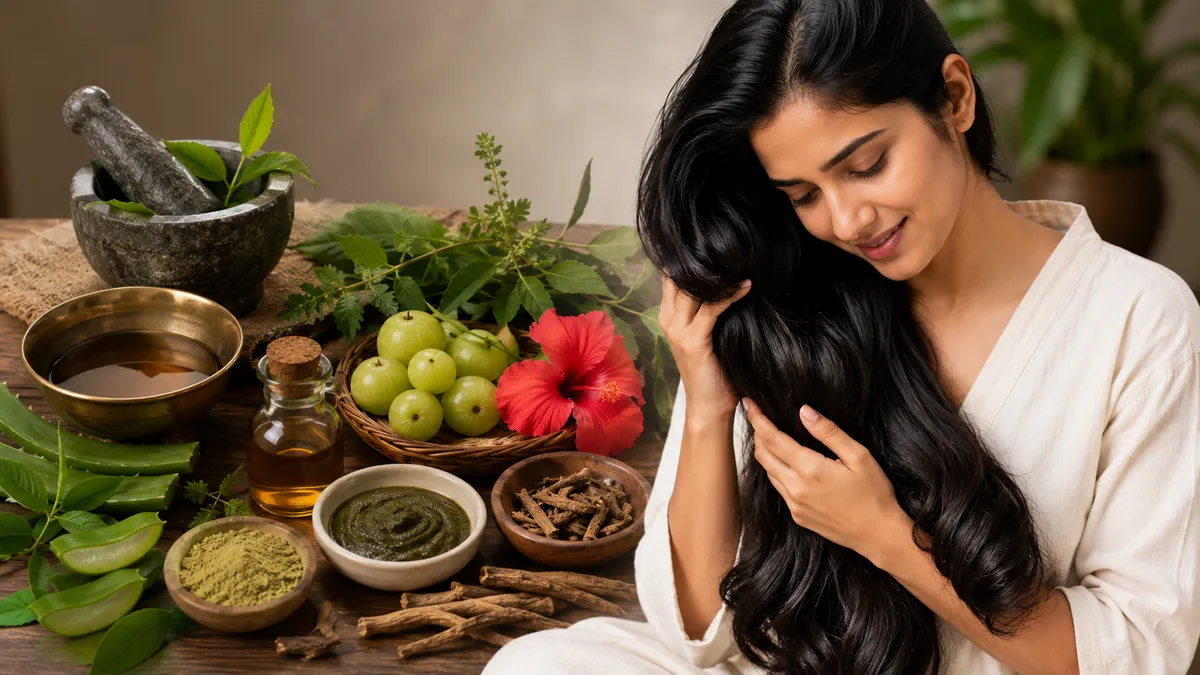
- Warm Oil Massage: Increases blood flow to the root directly. In case of inflammation, use cooling oils such as coconut oil or amla oil, while in case of dry scalp conditions, use sesame oil enriched with herbs like bhringraj and brahmi.
- Improve Your Digestive System (Agni): Hair issues begin in the digestive system. Drink warm water and healthy food so that the nutrients are delivered to your hair roots.
- Replace Shampoos With Natural Cleansers: Avoid the use of chemical shampoos and use natural cleansers such as reetha and shikakai.
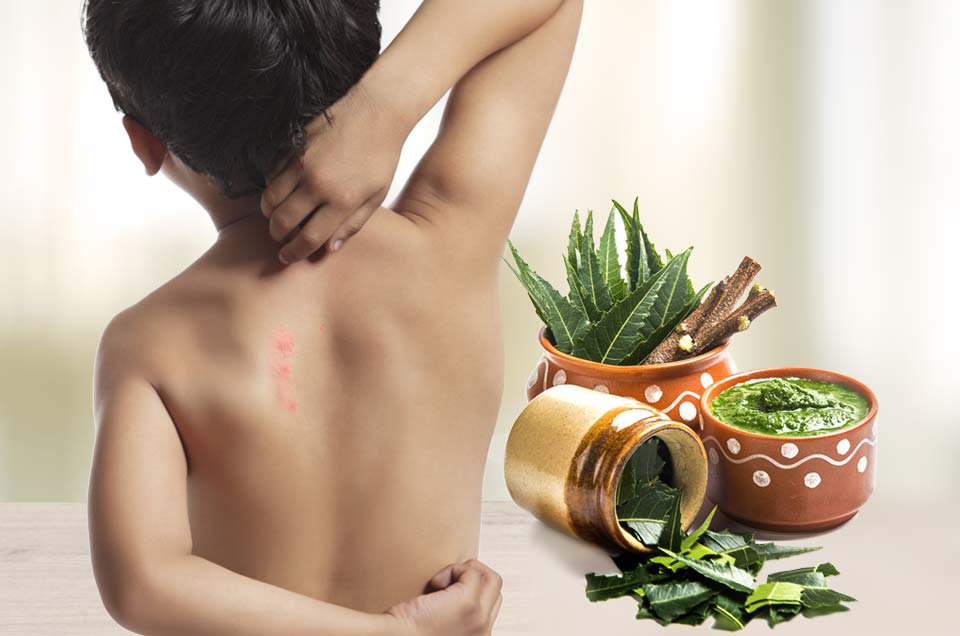
- Use Neem Leaves For Severe Cases: Use water of neem leaves for your final wash in case of serious dandruff and irritation.
When Should You Seek Professional Help?
Losing some hair is normal, and seasonal shedding happens to everyone. But you should not just sit and worry if things look serious.
- Your hair fall is heavy and has not stopped for several months.
- You notice completely smooth, bald patches appearing on your scalp.
- Your scalp feels very painful, red, or unbearably itchy.
- The hair loss happens incredibly fast out of nowhere.
Final Thoughts
At the end of the day, hair fall is a signal. While it is totally fine to look for a gentle, clean shampoo to keep your scalp fresh, remember that the true health of your hair comes from how you treat your whole body.
Instead of asking, "Which shampoo should I buy?" try asking, "What is my body trying to tell me?"
If you eat healthy foods, control your stress levels, get enough sleep, and treat your hair with proper care, then you can provide a good basis for your health. If you look after yourself from within, your hair will take care of itself.
References
Alopecia Areata–Hair Loss Symptoms, Types, & Causes | NIAMS
An overview of the genetic aspects of hair loss and its connection with nutrition - PMC
Psychology of Hair Loss Patients and Importance of Counseling - PMC