 Published on
21 Apr, 2026
Published on
21 Apr, 2026 Updated on 25 May, 2026
 5167
5167When blood sugar remains elevated despite consistent medication, it signals a challenge that goes beyond simple dosage adjustments. According to Ayurveda, such a condition is a manifestation of an inherent discord between the metabolic processes and an individual’s surroundings, where the body loses connection with the surroundings. In this case, the person acts as a machine that does not function properly because of blocked sensors.
What “Uncontrolled Diabetes” Really Indicates?
Uncontrolled diabetes is not merely a figure in an experimental result; rather, it is a story within the body’s biology of imbalance. It implies that the delicate balance among blood glucose levels, insulin, and cellular absorption has been altered. In essence, the body is out of sync, implying that despite the presence of fuel, the body’s cells are unable to absorb it effectively.
- Biological Misalignment: The body’s “sensor system” responsible for regulating energy is not communicating properly.
- Fuel Blockage: Excess glucose stays in the blood without being transformed into energy.
- Systemic Strain: Constantly high sugar levels create a “metabolic haze” that impacts your energy and organs.
Why Medications Sometimes Stop Working Effectively
With time, there will be a situation where the body fails to respond to the medication, which is not an indicator of ineffective medication but a case of cellular adaptation to the drug. This arises out of resistance in the body, which happens due to the constant accumulation of toxins and blockage of the body channels. With this increase in resistance, it is harder for the usual doses of medicine to affect the patient because a deeper form of action is required to unclog the system.
Hidden Dietary Triggers Affecting Sugar Levels
Even disciplined behavior may not be enough to deal with sneaky sugars and carbs that quietly upset glucose equilibrium. Along with what you eat, there is another factor related to meal planning that can play an important part in these glycemic changes.
- Sneaky Sugars in "Healthy" Products: Several products, including flavored yogurts, salad dressings, and "sugar-free" cookies, may include maltodextrin or corn syrup, which increases sugar concentration sharply.
- Carbohydrates That Become Sugars Instantly: Highly processed flour in the form of white bread or polished rice turns to sugar very rapidly.
- Effect of Meal Timing: Consuming heavy portions during nighttime interferes with normal digestion and causes elevated fasting glucose levels.
- The "Liquid" Problem: Juices from fruits and other drinks get absorbed in the blood too rapidly, resulting in high spikes and overall increased HbA1c value.
Role of Insulin Resistance Progression
Insulin resistance is the silent contributor to the rising levels of HbA1c. It starts when your cells start to turn a blind eye to insulin, the very key that is supposed to allow the energy in. As a way of compensating, your pancreas overworks itself to produce even more insulin in attempts to get the cells to respond.
In the long run, this continuous overwork causes system fatigue. The more the cells become resistant, and the pancreas becomes fatigued, the less sugar can be absorbed into the tissues, and it would accumulate in your bloodstream and push up your long-term averages.
The Systemic Drivers of Glucose Instability
When blood sugar remains high despite medication, it is often because several internal systems have fallen out of sync. From organ fatigue to lifestyle habits, these factors create a combined "metabolic resistance" that prevents the body from achieving balance.
- Fatigue of the Liver and Pancreas: This dual impairment is often the core of the issue. With an overproduction of glucose in the liver and insufficient secretion of insulin in the pancreas, homeostatic regulation within the body becomes unbalanced.
- Stressful Hormonal Imbalances: The presence of ongoing stress triggers a survival mode within the body. This leads to an imbalance of hormones such as cortisol and adrenaline, where emotional imbalances result in physical symptoms of elevated blood sugar levels.
- Metabolic Disorders due to Poor Sleep: Inadequate rest causes hormone dysfunction, disrupting their regulatory roles in appetite and insulin resistance. Lack of adequate sleep at night causes metabolic disorders, making sugar management a difficult feat without medication.
- Sedentary Life and Blood Sugar Levels: The main consumption of sugar occurs in the muscles. Lacking exercise results in glucose accumulation in the bloodstream, not utilizing its role as an energy source.
- The "Invisible Fire": Low-level chronic inflammation can lead to direct interference in the pathway of insulin regulation.
Complications That May Begin To Develop
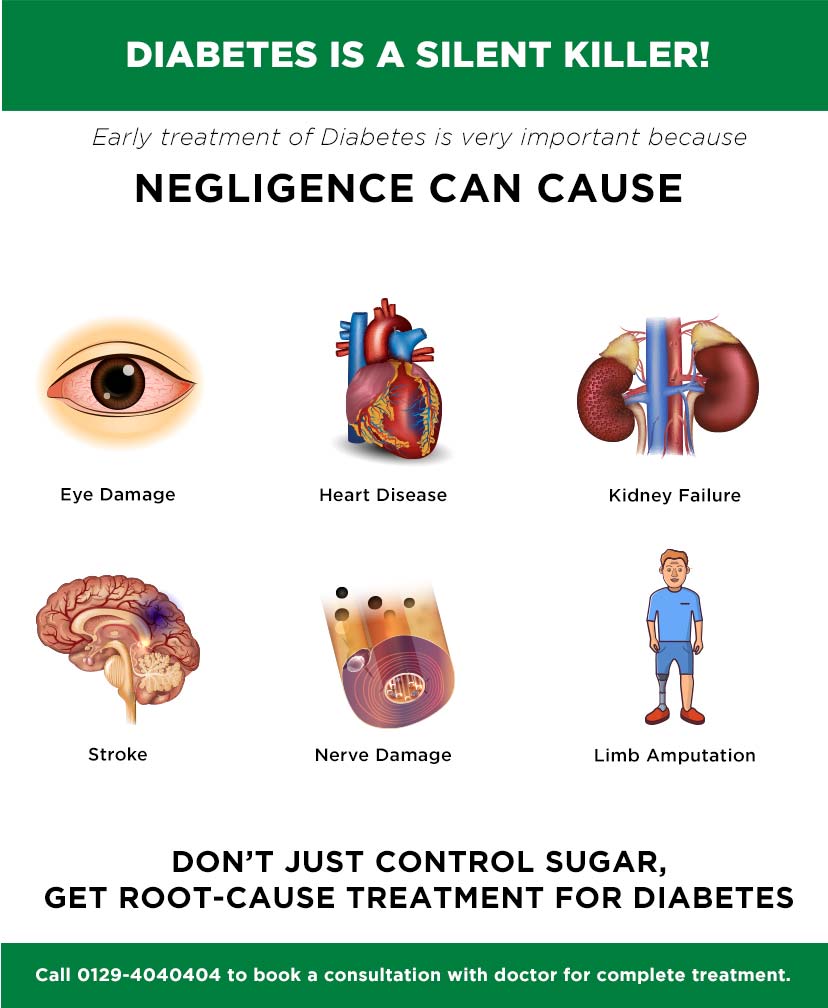
With prolonged periods of elevated sugar content, a “sedimentation” process develops that causes harm to the body’s essential structure without making much noise. The metabolic strain causes irritation and constriction of the small blood vessels that feed the nerves, kidneys, and eyes, which might result in a loss of feeling in the extremities or visual impairment. Eventually, the blood stays “thick,” and the arteries harden, turning a physiological issue into an overarching health risk that impacts cardiovascular well-being before any signs appear.
Ayurveda’s view on high sugar despite medication
Madhumeha, in Ayurveda, refers to a condition of elevated sugar content in the body even after being treated with medications. It is important to note that Madhumeha is not seen as a mere rise in blood sugar but as a story of imbalances that lead to smothering the "metabolic fire" of the body and hence disturb the process of digestion, nourishment, and energy production in the body.
- Weakened Agni (Digestive Fire): The problem starts with a weakened Agni. If your body's digestive power is inefficient, then your body will not be able to break down food particles properly. It will result in your body failing to extract proper energy from food particles.
- The Presence of Ama (Metabolic Waste): Inefficient digestion will ultimately lead to the accumulation of Ama within your body. Ama is sticky metabolic waste that blocks the passage of energy by blocking all subtle channels within your body and coating your body cells. This coating affects the function of insulin and leads to hormonal miscommunication.
The Jiva Ayurveda Approach to Rising HbA1c
If your sugar levels are consistently rising, this means that there are root causes behind the disruption of your metabolism that need to be dealt with. Rather than treating the symptoms alone, we look into the inner workings of your body to eliminate the blocks that are stopping you from having normal glucose levels.
- Individual Diagnosis (Prakriti): We examine your individual constitution to determine how your body reacts to energy. By determining your biological clock and your body’s insulin resistance, we formulate an approach that caters to your condition.
- Removing Root Causes (Agni Revitalization): Based on true Ayurvedic practices, we aim to rejuvenate your Agni (or digestive fire). This will help us restore the rhythmic balance of your pancreas so that you can properly digest sugar once more.
- Detoxification of Systems (Ama Elimination): There are sticky toxins called Ama that obstruct your cell pathways, preventing you from absorbing sugars. This procedure targets a comprehensive cleanse to open up your channels so that your endocrine system operates smoothly.
- Core Balancing (Dhatu Rejuvenation): Our objective is not only to provide temporary treatment but rather to ensure that you have enough energy to support your digestive and metabolic systems in sustaining optimal sugar levels.
Ayurvedic Herbs for Long-Term Sugar Control
Nature offers powerful botanicals that can deal with sugar level management, not merely offer a temporary solution. Jiva Ayurveda makes use of these time-tested herbs to treat metabolic stagnation, aiming to dissolve the long-term memory of sugar in the blood and body tissues.
- Gudmar (Gymnema Sylvestre): This herb, which functions on a cellular level, is referred to as the Sugar Destroyer. It can decrease the craving for sweets and assist the pancreas to keep a steady rhythm, which is crucial in lowering the 3-month average levels.
- Karela (Bitter Gourd): This potent cleansing agent has vegetal elements that resemble natural insulin. It can prevent the chronic sugar soak that elevates HbA1c by enhancing the utilization of glucose by your muscles and liver.
- Amla (Indian Gooseberry): Amla is rich in stable Vitamin C and antioxidants, which help your tissues to resist the oxidative stress of long-term high sugar. It aids in maintaining the blood clean and helps prevent damage to vital organs such as the kidneys and the eyes from sugar.
- Methi (Fenugreek): This type of seed is full of fiber and alkaloids that slow the digestion of carbohydrates. Methi is important in reducing the overall HbA1c percentage by flattening the post-meal spikes after several weeks.
Ayurvedic Therapies for Long-Term Sugar Control
With persistent elevation in sugar levels, there tends to be an underlying congestion that cannot necessarily be corrected through diet alone. Physical treatments in Ayurveda become necessary to break down these accumulated impediments and allow the body to restore its natural ability to manage sugar content in the body.
- Udvartana (Herbal Powder Massage): This stimulating dry massage treatment utilizes friction to activate the lymphatic system. This particular form of massage is aimed at melting away the stagnant fat and toxins, or Meda dhatu and Ama, covering your cells to allow the body's "insulin receptors" to breathe again.
- Virechana (Clinical Detox): This guided detox process targets the two primary sources of metabolism in the body: the liver and the small intestine. As a result, all deep-seated impurities as well as excess heat in the system are released.
- Shirodhara (Nervous System Reset): This unique treatment involves constant pouring of warm medicated oil on the forehead. This helps regulate the "fight or flight" response, thus preventing excessive amounts of sugar release into the blood due to the cortisol hormone.
Diet Chart for Long-Term Sugar Control
| Meal Category | Recommended Choices | Foods to Avoid |
| Breakfast | Warm barley or steel-cut oats; easy-to-digest, fiber-rich grains. | Refined flour (Maida), sugary cereals, and cold milk. |
| Lunch | Steamed millets (Bajra/Jowar), bitter greens, and mung dal. | Heavy, oily meals and excessive white rice. |
| Evening Snacks | Roasted seeds (pumpkin/sunflower), light sprouts, or herbal tea. | Biscuits, sugary snacks, and caffeinated drinks. |
| Dinner | Light soups (Bottle Gourd/Moong), early and warm meals. | Curd, heavy meats, and late-night heavy grains. |
How Patients Are Assessed at Jiva Ayurveda?
Our highly careful assessment focuses on identifying exactly why your unique internal environment is completely struggling to process sugar overnight without chemical aid. A totally complete picture helps our doctors enormously.
- Detailed Symptom Analysis: Investigating your specific metabolic patterns, including the exact severity of your morning thirst, absolute levels of waking fatigue, and the specific timing of your evening meals.
- Imbalance Identification: Confirming the extremely dominant imbalance, specifically noticing the highly heavy Kapha energy entirely freezing the internal organs and allowing dense liver fat to form.
- Nadi Pariksha: Examination of your exact pulse to check the highly specific level of tight toxic knots heavily blocking your deep pancreatic channels and exhausting your energy.
Our Step-by-Step Care Process
At Jiva Ayurveda, every single process of the highly customised treatment is carried out in an organised, heavily structured manner to give you the absolute best personalised experience safely.
- Share Contact Details: Reach out to us directly at 0129 4264323 to start the consultation process and get your severe invisible metabolic stagnation completely treated safely and effectively.
- Appointment Confirmation: An appointment with our highly experienced Ayurvedic doctors specialising in metabolic management is arranged quickly and entirely for your absolute, ultimate convenience.
- Clinic & Video Consultations: Visit our 80+ clinics or consult online at a discounted price of Rs. 49 to deeply understand your highly specific condition face-to-face.
Healing Timeline: Restoring Metabolic Balance
Weeks 1-4 (Paving the Path): With Agni beginning to ignite, you will feel some initial changes take effect. The post-meal fatigue and overwhelming urge for sugar consumption will reduce as the body starts cleaning out the Ama (toxins) that congest your digestive pathway.
Months 3-6 (Body-wide Detox): This is the period when there will be stabilization of daily blood sugar levels. You will notice that the fatigue reduces as your cells become more responsive to insulin, and there will be an overall reduction in "metabolic congestion" in the liver and other organs.
Months 6-9 (Strengthening Core): The metabolic fire has now completely stabilized itself. The fluctuations that were responsible for raising your readings will slowly reduce, and your body will regain its ability to regulate its glucose levels on its own.
What Results Can You Expect?
It’s about leaping from temporary number patching to real systemic health.
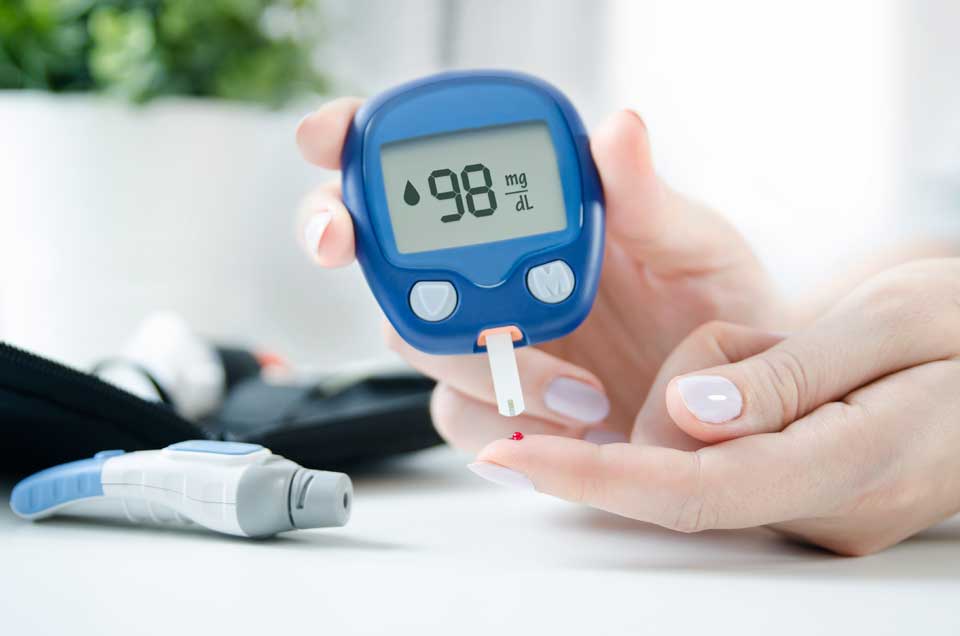
- Natural Regulation of Sugar: The numbers on your meter are normal again, as your pancreas and liver work efficiently once more.
- Restored Vitality: You'll notice a big difference in your energy upon waking up each morning, finally shaking off the “foggy” brain feeling of excess sugar.
- Stabilized Nervous System: Lowering the cortisol means calming down the fight-or-flight reaction and stopping the sugar dumps caused by stress in your system.
- Protection for Your Organs: Having cleaner blood means protecting your eyes, kidneys, and nervous system from being affected by the inflammatory “sediment” of too much sugar in your system.
Patient Testimonial
My name is Dhruv Dutta, and I am from Faridabad. I was diagnosed with diabetes around 6 months ago, which was quite concerning for me. While searching online, I came across Dr. Pratap Chauhan and contacted Jiva Ayurveda. During my clinic visit, I met Dr. Jaishree, who introduced me to the Diabetes Management Program. The program included diet guidance, yoga, health coaching, and regular monitoring. I followed it consistently, and within just 6 months, my HbA1c reduced from 10.6 to 6.2. I also lost around 10 kg during this journey and now feel much healthier, fitter, and more energetic.
Estimated Cost of Treatment at Jiva Ayurveda
Understanding the financial investment required for your personal health is incredibly important. At Jiva Ayurveda, absolute transparency in service costs helps patients completely choose suitable, holistic options.
- Treatment Cost: For patients seeking standard, ongoing care for severe metabolic issues, the monthly cost of medicines and consultation typically ranges between Rs. 3,000 and Rs. 3,500.
- Protocol: Specialised package protocols include Medicine, Consultation, excellent mental well-being sessions, yoga guidance, Diet plan, and Therapy (Rs. 15,000 to Rs. 40,000).
- Jivagram: For highly intensive care, Jivagram offers an immersive, highly therapeutic 7-day wellness stay costing around Rs. 1 Lakh, providing absolute continuous personalised care entirely safely.
Why Patients Trust Jiva Ayurveda
Our method is centred around personalised, root cause-based treatment that works to heal the body from the inside out.
- Root Cause-Based Treatment: Our treatment strategy is to treat the root cause of the imbalance, not just the symptoms
- Customised Care Plans: Our patients receive personalised care plans that are tailored to their individual Prakriti (constitution), diet, and lifestyle.
- Protocol-Based Analysis and Treatment: Our treatment protocols are evidence-based, Ayurvedic approaches to treating hormonal and digestive imbalances.
- Authentic Medicines: Our Ayurvedic medicines are genuine and made in licensed facilities to ensure safety and efficacy.
- Proven Scale & Expertise: Our physicians have seen over 8,000 patients daily and have extensive experience in treating complex chronic diseases.
- High Success Rate: Our patients have seen significant improvements in their health, with over 90% reporting positive changes in their health.
- Reduced Dependency: 88% of our patients can significantly reduce or eliminate their dependency on conventional medications.
Modern vs. Ayurvedic Approach to Managing Rising Sugar Levels
| Aspect | Modern Approach | Ayurvedic Approach |
| Primary Focus | Uses medications to lower circulating blood glucose levels immediately. | Corrects the root metabolic imbalance by rekindling Agni and clearing Ama. |
| Method | External drugs (like Metformin or Insulin) to chemically manage sugar. | Specialized herbs, detox therapies, and diet-based metabolic restoration. |
| Goal | Quick stabilization of daily sugar readings to stay within a target range. | Long-term, stable metabolic resilience and the prevention of future spikes. |
| Strategy | Frequent medication adjustment or dose escalation as resistance builds. | Panchakarma (detox), herbal support, and deep lifestyle rebalancing. |
| View of Condition | A biochemical disorder of glucose regulation and insulin production. | A systemic metabolic imbalance (Madhumeha) involving deeper tissues. |
| Lifestyle Role | Viewed as a supportive add-on to the primary medication. | The core foundation of the treatment and long-term recovery. |
| Outcome | Fast symptomatic control, though, often leads to long-term dependency. | Gradual, sustainable improvement by correcting the body's internal "terrain." |
When to Consult a Doctor Regarding Rising Sugar Levels
Whereas Ayurvedic management tries to get back on track with your metabolic framework, there are certain signs that you must not miss and seek immediate consultation from your physician to make sure that all is well with you:
- Constant Rising Levels: Despite following a strict dietary and lifestyle routine, your blood sugar levels continue to rise daily for weeks.
- Constant Higher Values: If your fasting blood glucose levels continue to be much higher than your target values for more than a week.
- Unusual Physical Symptoms: Appearance of blurry vision, intense thirst, and frequent urges to urinate.
- Delayed Wound Healing: If you notice an unusual delay in wound healing.
- Changes in Sensations (Neuropathy): If you have started experiencing a sensation of tingling or burning, or pins and needles in your hands or legs.
- Frequent Episodes of Hypoglycemia: Occurrence of dizzy spells, tremors, and confusion.
Conclusion
Managing rising sugar levels is a journey that moves beyond simple glucose suppression to true systemic restoration. By rekindling your Agni, clearing Ama, and adopting a disciplined Ayurvedic lifestyle, you can shift your body from metabolic fatigue back to natural balance and long-term vitality.