 Published on
25 Jul, 2026
Published on
25 Jul, 2026 Updated on 25 Jul, 2026
 5068
5068One of the most common questions people ask before trying Ayurveda is, “Will it take forever to work?”
This is a very popular belief. Because Ayurveda uses natural herbs, food changes, and healthy habits instead of instant chemical pills, many people assume it is just too slow. In today’s fast world, we expect quick fixes. When a healing process takes a little time, people easily mistake it for being weak or ineffective.
But the truth is very different. Ayurveda does not just silence your pain for a few hours. It looks for the root cause of your problem to fix it completely. Sometimes, you feel better in just a few days. Other times, it takes weeks or months because your illness has been growing silently for a long time. How fast it works depends heavily on you, not just the medicine.
What Does Ayurveda Actually Aim to Treat?
Before we talk about speed, it helps to understand what Ayurveda is actually trying to do.
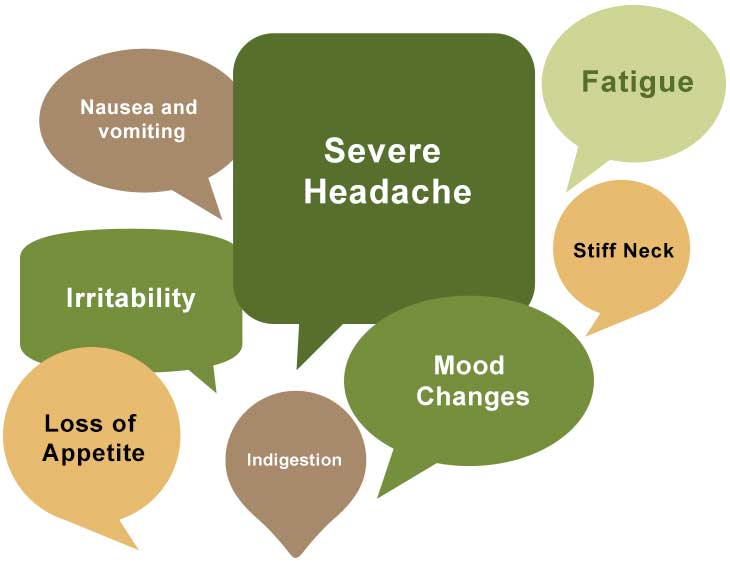
Ayurveda looks way beyond your basic symptoms. If you have a headache, it does not just numb your head. It tries to find out why your head hurts in the first place. Is it bad digestion? Lack of sleep? Heavy stress?
To fix the real problem, a doctor will give you herbs, tell you what to eat, and help you fix your daily routine. Because this method heals your entire body from the inside out, you often get surprise benefits. Along with relief from your main problem, you might suddenly notice your digestion is better, you have more energy, and you sleep much more peacefully.
Why Healing Takes Different Amounts of Time?
No two bodies are the same. That is why healing takes different amounts of time for different people.
- The type of illness: If you have a chronic condition, then it will take more time to cure, instead of a condition that you just got.
- Your daily habits: Your lifestyle, your diet, when you sleep and wake up, what you eat, and when you eat are all taken into account.
- Your unique body: Every person has a unique body type; your digestive speed and progress of treatment can differ.
Acute Conditions vs. Chronic Conditions
To know why Ayurveda is slow, first you need to know the difference between short-term and long-term problems.
Acute Conditions: These include fresh problems like a sudden cough, mild gas, or feeling tired after a busy week. When treated at the right time, it will take less time compared to the diseases that have been prevailing in you for years.
Chronic Conditions: These are deep problems like joint pain, breathing issues, or lifestyle diseases that have been growing inside you for years. You simply cannot fix a five-year-old problem in five days. Because the illness grew slowly, fixing it will also happen slowly and steadily. Patience is your best friend here.

Factors That Influence Ayurvedic Healing
Taking a pill is just one small part of healing. Your everyday habits do the heavy lifting.
- Your Diet: Food is just as important as medicine. If you take your herbs but continue eating heavy, oily, or junk food, you are just canceling out the good effects of the medicine. Eating exactly what the doctor tells you makes healing much faster.
- Your Daily Routine: Simple habits like waking up early, eating your meals on time, and moving your body naturally keep your system strong and ready to heal.
- Sleep and Stress: Taking stress all the time can affect your treatment speed and can directly affect your sleep routine as well.
Doctor’s Note
The belief that Ayurveda is inherently "slow" is a misconception. While acute conditions can resolve quickly, chronic illnesses take longer because Ayurveda targets the root cause rather than merely suppressing symptoms.
Healing speed heavily depends on your consistency with the prescribed diet, sleep and lifestyle changes. True progress is gradual, often starting with early signs like improved digestion, better energy, and deeper sleep, so patience, strict adherence to a doctor's guidance and avoiding self-medication are essential for long-lasting, deep healing.
Why Consistency Matters More Than Speed
Today, everyone celebrates overnight results. Ayurveda believes in something different: steady, long-lasting progress.
Real healing does not always happen with a loud bang. Sometimes, it is very quiet. You might not see a huge change on day two. But if you keep going, small habits create massive results that actually last for a lifetime, instead of just disappearing when you stop taking the medicine.

What Kind of Results Can You Expect?
Every person is different, but most people notice changes in clear stages.
Early Changes You Might Notice Long before your main problem goes away completely, your body will give you signs that it is healing. You might feel:
- Less bloating and better digestion
- Deeper, unbroken sleep
- More physical energy during the day
- A better, healthier appetite
- A generally happier and lighter mood
Long-Term Improvements Over time, your main health issue will start to fade. Because you also fixed your diet and lifestyle, your overall body becomes much stronger, and you will fall sick less often in the future.

Common Mistakes That Delay Progress
Sometimes, the medicine is working perfectly, but we make mistakes that slow everything down.
- Self-Medicating: Buying random herbal powders from the internet without asking a doctor is a bad idea. You might be taking the wrong herb for your body type.
- Ignoring Food Rules: You think that taking medicine alone can work, but food is the first medicine you have to take to see some results.
- Expecting Overnight Magic: You expect an instant cure after taking any medication, but if you are suffering from a serious or chronic illness, then it will take some time to show results. Healing takes time and is not overnight magic.
How to Set Realistic Expectations Before Starting?
If you start with the right mindset, your healing journey will be much happier.
Instead of constantly asking, "How fast will I be cured?" try asking yourself softer questions:
- Is my stomach feeling a little lighter today?
- Did I sleep better last night?
- Do I have more energy to play with my kids?
Healing is rarely just about one single pain going away. Looking at how your whole body feels gives you the truest picture of your progress.
Conclusion
The idea that Ayurveda is always slow is just not true. It is simply a deeper way of healing.
Some health issues clear up fast, while others take time because they are deeply rooted. Ayurveda focuses on treating any kind of illness from the root cause, teaching you how to live a healthy life, and making your body strong from the inside.
In order to get the right treatment and to have good results, you need to have some patience, take good care of yourself, and believe in yourself. By combining the proper habits with the right care, you create something much more than just a solution; you create a healthy and happy body for many years to come.
References
Contribution of world health organization in the global acceptance of Ayurveda - PMC
Ayurveda - The WHO Traditional Medicine Global Library
A glimpse of Ayurveda – The forgotten history and principles of Indian traditional medicine - PMC