
 Published on
06 Jul, 2026
Published on
06 Jul, 2026 Updated on 06 Jul, 2026
 5078
5078अक्सर हम सोचते हैं कि घर की रसोई में रखी चीज़ें हर बीमारी का पक्का इलाज हैं। थोड़ा सा पेट दर्द हुआ तो अजवाइन फांक ली और सर्दी हुई तो काढ़ा पी लिया। लेकिन क्या आपने कभी सोचा है कि जब बात शुगर ब्लड प्रेशर या गठिया जैसी पुरानी और लंबी बीमारियों की आती है तब भी क्या सिर्फ ये घरेलू नुस्खे काफी हैं? असल में हमारे शरीर को कभी-कभी सिर्फ हल्दी और अदरक से ज़्यादा की ज़रूरत होती है। जब बीमारी बहुत गहरी और पुरानी हो जाती है तो इसका सीधा असर हमारे शरीर के अहम हिस्सों पर पड़ता है। सिर्फ नीम के पत्ते चबा लेने से यह समस्या जड़ से खत्म नहीं होती। जब तक आप सही डॉक्टरी सलाह नहीं लेते शरीर अंदर ही अंदर कमज़ोर होता जाता है। यह समझना बहुत ज़रूरी है कि घरेलू नुस्खे बीमारी को संभालने में मदद कर सकते हैं लेकिन ये पक्के इलाज की जगह कभी नहीं ले सकते।
पुरानी बीमारियों में सिर्फ घरेलू नुस्खे क्यों काम नहीं आते
हमारे शरीर की बनावट बहुत उलझी हुई है। जब कोई बीमारी लंबे समय तक शरीर में घर कर लेती है तो वह हमारे खून और अंगों के काम करने के तरीके को पूरी तरह बदल देती है। इस हालत में शरीर को बीमारी से लड़ने के लिए एकदम सटीक और सही मात्रा वाली दवाइयों की ज़रूरत होती है। घरेलू नुस्खों में ताकत तो होती है लेकिन उनकी मात्रा और असर करने का तरीका बहुत धीमा होता है। जब शरीर को तुरंत और तेज़ इलाज की ज़रूरत होती है और हम सिर्फ काढ़े या चूर्ण पर टिके रहते हैं तो बीमारी अंदर ही अंदर और ज़्यादा भयंकर रूप ले लेती है।
क्या हर बार बीमारी का इलाज रसोई की चीज़ों से हो सकता है
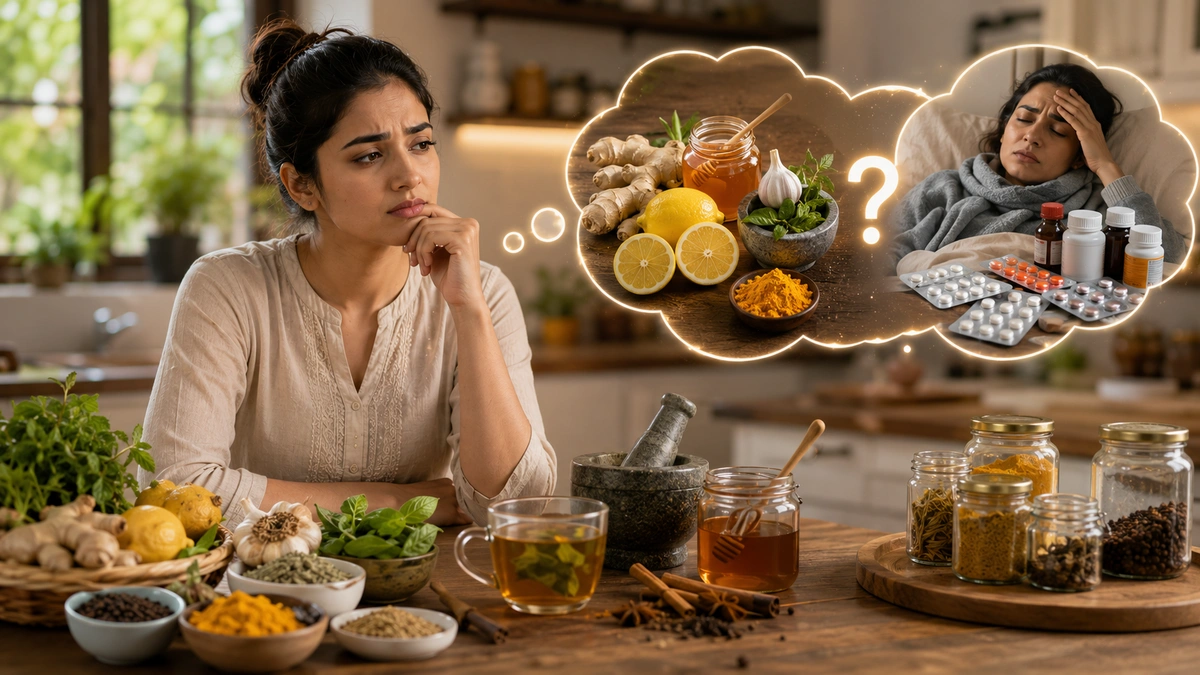
जी नहीं ऐसा बिल्कुल नहीं है। कई बार आप बिल्कुल सही और दादी नानी के बताए अचूक नुस्खे अपनाते हैं फिर भी आपकी तकलीफ कम होने के बजाय बढ़ जाती है। ऐसा इसलिए होता है क्योंकि हर शरीर अलग होता है और हर बीमारी का कारण भी। अगर आपकी शुगर आसमान छू रही है और आप सिर्फ जामुन की गुठली का पाउडर खा रहे हैं तो यह आपकी जान के लिए बड़ा खतरा बन सकता है। कई बार घरेलू चीज़ें बीमारी को कुछ देर के लिए दबा देती हैं लेकिन उसे जड़ से खत्म नहीं कर पातीं।
सिर्फ नुस्खों पर निर्भर रहने से शरीर पर क्या असर पड़ता है
जब हम गंभीर बीमारी में सिर्फ घर के टोटकों के भरोसे बैठते हैं तो शरीर में कई तरह के बदलाव होने लगते हैं:
- बीमारी का अंदर ही अंदर बढ़ना: ऊपर से भले ही आपको थोड़ा आराम लगे लेकिन बीमारी शरीर के दूसरे अंगों को नुकसान पहुँचाने लगती है।
- रोगों से लड़ने की ताकत का गिरना: सही इलाज न मिलने से शरीर की बीमारियों से लड़ने की ताकत एकदम कमज़ोर हो जाती है।
- अंगों के खराब होने का खतरा: शुगर या बीपी जैसी बीमारियों में सही दवा न लेने से दिल और किडनी खराब होने का डर बहुत ज़्यादा बढ़ जाता है।
- नई बीमारियों का जन्म: एक बीमारी को सही से ठीक न करने पर वह कई और नई तकलीफों को बुलावा दे देती है।
क्या पुरानी बीमारी का लगातार बढ़ना किसी बड़े खतरे का इशारा है
अगर आप महीनों से घरेलू उपाय कर रहे हैं और तकलीफ वैसी की वैसी ही है तो इसे नज़रअंदाज़ बिल्कुल न करें। यह शरीर में चल रही किसी बड़ी गड़बड़ी का संकेत हो सकता है। लगातार बीपी हाई रहना हार्ट अटैक की तरफ ले जा सकता है। शुगर का कंट्रोल न होना आँखों की रोशनी छीन सकता है और किडनी को फेल कर सकता है। लंबे समय तक जोड़ों का दर्द बना रहना आपकी हड्डियों को हमेशा के लिए टेढ़ा कर सकता है।
पुरानी बीमारियों के मामले में आयुर्वेद का क्या कहना है
आयुर्वेद भी यही मानता है कि शरीर के तीन दोष वात पित्त और कफ जब पूरी तरह बिगड़ जाते हैं तो वे भयंकर बीमारियों का रूप ले लेते हैं। जब बीमारी एकदम नई होती है तब खानपान और छोटे नुस्खों से इन्हें बैलेंस किया जा सकता है। लेकिन जब बीमारी पुरानी हो जाती है जिसे आयुर्वेद में असाध्य रोग कहा जाता है तब सिर्फ जड़ी-बूटियाँ चबाना काफी नहीं होता। इसके लिए आपको किसी अच्छे वैद्य से नाड़ी दिखाकर सही इलाज और पक्की दवाइयों का कोर्स करना ही पड़ता है।
इलाज के साथ काम आने वाली फायदेमंद जड़ी-बूटियाँ
प्रकृति ने हमें ऐसी कई बेहतरीन चीज़ें दी हैं जो आपकी अंग्रेज़ी दवाइयों के साथ मिलकर बहुत अच्छा काम करती हैं पर ये मुख्य इलाज नहीं हैं:
- गिलोय: यह आपके शरीर को मज़बूत बनाता है और अंदर से बीमारियों से लड़ने की ताकत देता है।
- हल्दी: इसमें सूजन कम करने की गजब की ताकत होती है जो गठिया और दर्द में बहुत आराम पहुँचाती है।
- मेथी दाना: यह शुगर को कंट्रोल करने में मदद करता है लेकिन इसे अपनी शुगर की दवा के साथ डॉक्टर से पूछकर ही लेना चाहिए।
- तुलसी: यह खून को साफ रखती है और फेफड़ों को ताकत देती है जिससे साँस की पुरानी बीमारियों में राहत मिलती है।
खानपान और रूटीन की वो गलतियां जो बीमारी को और बिगाड़ देती हैं
हम अक्सर जाने अनजाने में कुछ ऐसा कर बैठते हैं जो हमारी पुरानी बीमारी को दोगुना कर देता है:
- खाली पेट बहुत ज़्यादा चाय या कॉफी पीना: इससे गैस और अल्सर जैसी दिक्कतें भयंकर रूप ले सकती हैं।
- डॉक्टर की दवा को बीच में ही छोड़ देना: थोड़ा आराम मिलते ही दवा छोड़कर सिर्फ काढ़े पर आ जाना सबसे बड़ी भूल है।
- लगातार बहुत ज़्यादा मीठा या तला हुआ खाना: यह शरीर में सूजन बढ़ाता है और बीपी या शुगर को बेकाबू कर देता है।
- अपनी मर्जी से कुछ भी खा लेना: इंटरनेट पर देखकर कोई भी जड़ी-बूटी भारी मात्रा में खाने से लिवर और किडनी पर बुरा असर पड़ता है।
- समय पर न सोना और न खाना: यह रूटीन शरीर की खुद को ठीक करने की ताकत को खत्म कर देता है और दवा भी काम नहीं करती।

किन दूसरी वजहों से बीमारी बहुत ज़्यादा बढ़ जाती है
कई बार आप सही दवा भी ले रहे होते हैं और परहेज भी करते हैं, फिर भी बीमारी कंट्रोल नहीं होती। इसके पीछे कुछ और वजहें हो सकती हैं:
- नींद की कमी: जो लोग रात को ठीक से नहीं सोते, उनका शरीर कभी खुद को रिपेयर नहीं कर पाता।
- गलत लाइफस्टाइल: दिन भर बैठे रहना और कोई काम न करना शरीर को जंग लगा देता है।
- विटामिन की कमी: शरीर में ज़रूरी विटामिन की कमी होने से आप चाहे जितनी दवा खा लें शरीर हमेशा कमज़ोर ही रहेगा।
- तनाव और उदासी: मन का दुखी रहना शरीर की किसी भी बीमारी को ठीक होने नहीं देता।
अपनी मर्जी से नुस्खों का रोज़ इस्तेमाल कब बन जाता है खतरा
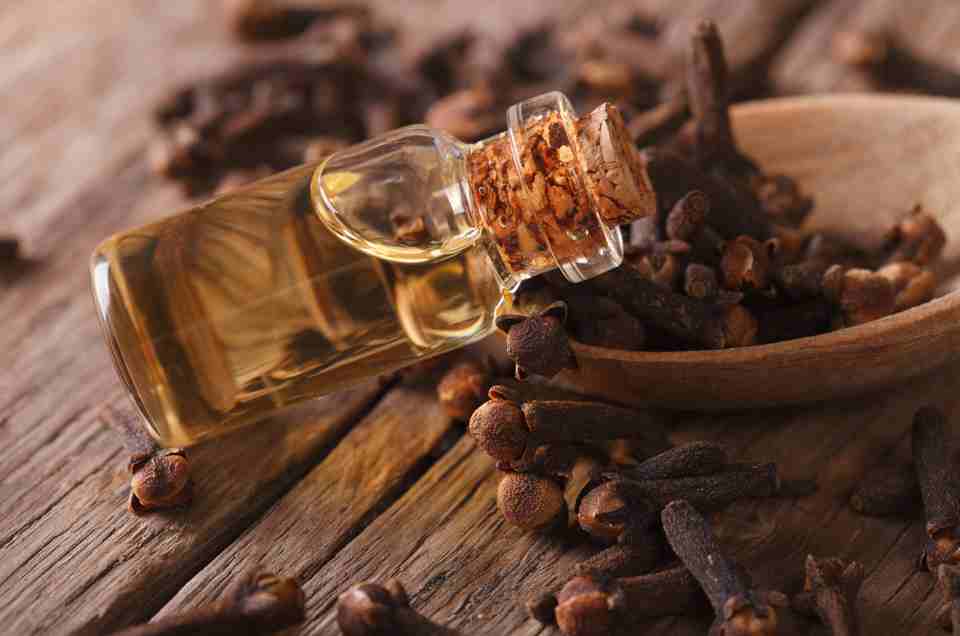
जब भी हमें दर्द होता है, हम तुरंत अदरक, लौंग या किसी गर्म चीज़ का बहुत सारा काढ़ा पी लेते हैं। ये चीज़ें तुरंत राहत तो दे देती हैं, लेकिन रोज़ाना इनका बिना सोचे-समझे इस्तेमाल करना बहुत खतरनाक है। हर जड़ी-बूटी की अपनी एक तासीर होती है। अगर आप रोज़ बहुत गर्म तासीर वाली चीज़ें खाएँगे तो आपको पेट में अल्सर या मुँह में छाले हो सकते हैं। कई नुस्खे आपकी चल रही अंग्रेज़ी दवाइयों के साथ मिलकर रिएक्शन भी कर सकते हैं जिससे जान पर बन आ सकती है।
दवाइयों के साथ इन आसान तरीकों से पाएं अपनी तकलीफ से आराम
आप अपनी पक्की दवाइयों के साथ कुछ बहुत ही आसान और घरेलू तरीके अपनाकर जल्दी ठीक हो सकते हैं:
- सुबह उठकर खाली पेट थोड़ा गुनगुना पानी पिएँ इससे शरीर की सारी गंदगी बाहर निकल जाती है और दवाइयाँ अच्छा काम करती हैं।
- खाने में सेंधा नमक का इस्तेमाल करें। यह बीपी और सूजन की वृद्धि को रोकता है।
- जब भी अंदर से घबराहट लगे या दर्द ज़्यादा हो तो बस पाँच मिनट के लिए आराम से लंबी और गहरी साँसें लें।
- हल्का फुल्का योग करें जिससे शरीर की नसें खुलें और खून का बहाव सही हो।
शरीर और मन को तंदुरुस्त रखने वाली रोज़ की अच्छी आदतें
अपनी रोज़मर्रा की ज़िंदगी में कुछ छोटे छोटे बदलाव करके आप पुरानी बीमारी को मात दे सकते हैं:
- डॉक्टर से बिना पूछे दवा बंद न करें: चाहे आप कितने भी अच्छे नुस्खे अपना रहे हों दवा हमेशा समय पर लें।
- खाने का समय तय करें: रोज़ एक ही समय पर खाना खाने की आदत डालें ताकि शरीर का सिस्टम सही रहे।
- धूप सेंकें: सुबह की गुनगुनी धूप में कम से कम बीस मिनट बैठें यह हड्डियों और मन दोनों के लिए जादू का काम करती है।
- रोज़ पैदल चलें: सुबह या शाम को खुली हवा में टहलने से शरीर में खुशी वाले हार्मोन बनते हैं जो बीमारी से लड़ते हैं।

डॉक्टर के पास कब जाना चाहिए
घरेलू उपाय और दवाइयाँ चलने के बाद भी अगर ये दिक्कतें हों तो तुरंत डॉक्टर के पास जाएँ:
- जब सीने में भारीपन हो और साँस लेने में बहुत ज़्यादा तकलीफ होने लगे।
- जब अचानक से चक्कर आने लगें और आँखों के आगे अंधेरा छा जाए।
- आपका वज़न बिना किसी कारण के अचानक तेज़ी से गिरने लगे और बहुत कमज़ोरी आ जाए।
- शरीर के किसी भी हिस्से में बहुत तेज़ दर्द हो जो बर्दाश्त के बाहर हो जाए और किसी नुस्खे से कम न हो।
अंग्रेजी दवा और घरेलू नुस्खों के बीच का असली फर्क क्या है
| पहलू | अंग्रेज़ी दवाएँ (एलोपैथी) | घरेलू नुस्खे |
| मुख्य उद्देश्य | बीमारी का वैज्ञानिक उपचार करना और आवश्यकता पड़ने पर तुरंत राहत देना। | सामान्य स्वास्थ्य और छोटी-मोटी परेशानियों में सहायक देखभाल। |
| असर होने की गति | कई दवाइयाँ अपेक्षाकृत जल्दी असर दिखा सकती हैं। | प्रभाव धीरे-धीरे दिखाई दे सकता है। |
| उपयोग का तरीका | डॉक्टर की सलाह और निर्धारित मात्रा (डोज़) के अनुसार। | सही मात्रा और सावधानी के साथ, आवश्यकता होने पर विशेषज्ञ की सलाह से। |
| कब उपयोगी | संक्रमण, गंभीर बीमारी और इमरजेंसी जैसी स्थितियों में आवश्यक। | सामान्य देखभाल और स्वस्थ जीवनशैली के पूरक के रूप में उपयोगी। |
| दीर्घकालिक दृष्टिकोण | रोग के उपचार, नियंत्रण और नियमित निगरानी पर ज़ोर। | संतुलित आहार, अच्छी आदतों और समग्र स्वास्थ्य को बनाए रखने में सहायक। |
निष्कर्ष:
हमेशा याद रखें कि आपका शरीर एक बहुत ही कीमती मशीन है। घरेलू नुस्खे हमारी परंपरा का बहुत खूबसूरत हिस्सा हैं और ये हमें स्वस्थ रखने में बहुत मदद करते हैं। लेकिन किसी पुरानी और गंभीर बीमारी को सिर्फ काढ़े या चूर्ण के भरोसे छोड़ देना बहुत बड़ी गलती है। अपनी इस भागदौड़ भरी ज़िंदगी में अपने स्वास्थ्य को सबसे ऊपर रखें। अपनी दवाइयों और घरेलू उपायों के बीच एक सही बैलेंस बनाएँ। डॉक्टर की सलाह मानें अच्छा खाना खाएँ और स्ट्रेस को खुद पर हावी न होने दें। जब आप सही इलाज और सही खानपान दोनों को साथ लेकर चलेंगे तो यकीनन आपका शरीर पूरी तरह से तंदुरुस्त और बीमारियों से मुक्त रहेगा।
References
https://www.healthline.com/health/home-remedies-for-body-pain-and-tiredness
https://www.healthline.com/health/video/ways-to-prevent-stress-eating-when-youre-stuck-at-home
https://pmc.ncbi.nlm.nih.gov/articles/PMC9742825/
https://www.who.int/news-room/fact-sheets/detail/noncommunicable-diseases